








As the promise of spring approaches, many individuals turn their attention towards health and fitness goals, with weight management often topping the list. A crucial cornerstone of any successful dietary regimen is a thoughtfully curated grocery list, particularly when it comes to snacks. The insidious trap of mindless munching, especially late-night snacking, has long been identified as a primary sabotaging factor for those striving to maintain a calorie deficit. Without proper planning and nutrient-dense options readily available, even the most disciplined efforts can falter.
Recognizing this common challenge, leading experts are emphasizing strategic snacking as a powerful tool in sustainable weight loss. To provide actionable guidance, we consulted Dr. Kezia Joy, RDN, a Medical Advisor with Welzo, who has distilled the vast landscape of snack options into five core recommendations. These aren’t just suggestions; according to Dr. Joy, these five snacks are the only ones she consistently recommends for individuals focused on achieving and maintaining a healthy weight.
The Foundational Principles of Effective Weight Loss Snacking
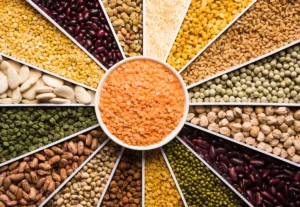
Before delving into the specific recommendations, it’s essential to understand the scientific rationale underpinning Dr. Joy’s selections. Effective weight loss is not merely about calorie restriction; it’s about optimizing nutrient intake to support satiety, metabolic health, and sustained energy levels. Dr. Joy highlights three critical components that form the bedrock of a weight-loss-approved snack: protein, healthy fats, and fiber. Of these, protein serves as the fundamental building block, providing the most significant impact on satiety and muscle preservation.
These meticulously chosen options are designed for practicality and long-term adherence. "Each [of these options] allows for quick preparation, can be easily incorporated into your daily routine, and will allow you to have a variety of options as you work on losing weight, and help keep you from feeling like you’re being deprived by eating a ‘snack’," Dr. Joy explains. This emphasis on convenience and variety is critical in preventing dietary fatigue and ensuring that healthy eating becomes a sustainable lifestyle rather than a temporary deprivation. She further elaborates, "When you eat snacks that are good for you and allow you to meet your nutritional needs, but also limit the amount of calories you consume, you are more likely to continue to make good choices over time." This psychological aspect, fostering a sense of satisfaction rather than restriction, is paramount to long-term success.
The Five Dietitian-Approved Snacks for Weight Loss
Dr. Joy’s expert-backed list offers a blend of accessibility, nutritional density, and versatility, ensuring individuals can find suitable options regardless of their dietary preferences or daily schedules.
-
Cottage Cheese with Vegetables:
Cottage cheese stands out as an exceptional protein source, particularly due to its high casein protein content. Casein is a slow-digesting protein, meaning it releases amino acids gradually into the bloodstream, promoting prolonged satiety. A typical half-cup serving of low-fat cottage cheese can provide approximately 12-14 grams of protein, alongside essential micronutrients like calcium and phosphorus, vital for bone health. Pairing it with a generous portion of non-starchy vegetables such as cucumber slices, bell pepper strips, or cherry tomatoes significantly boosts the fiber content. Fiber adds bulk to the meal without adding significant calories, further enhancing feelings of fullness and aiding in digestive regularity. This combination offers a balanced macronutrient profile, stabilizing blood sugar and preventing the rapid spikes and crashes often associated with less nutritious snacks. -
Greek Yogurt with Fresh Berries:
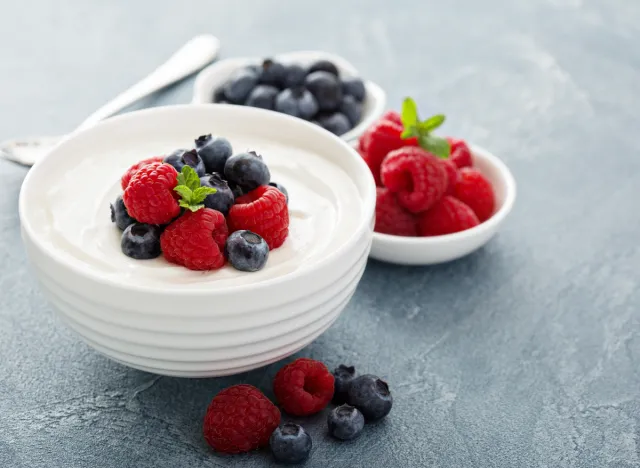
Greek yogurt is another powerhouse of protein, often containing twice the amount of protein as regular yogurt, typically 15-20 grams per 6-ounce serving. This makes it incredibly effective at curbing hunger. Furthermore, Greek yogurt is rich in probiotics, beneficial bacteria that support gut health, which is increasingly recognized as playing a role in metabolism and weight management. When paired with fresh berries—strawberries, blueberries, raspberries, or blackberries—the snack receives a natural sweetness boost along with a significant dose of dietary fiber, antioxidants, and vitamins (like Vitamin C). The fiber in berries further contributes to satiety and helps to slow the absorption of natural sugars, preventing sharp blood glucose fluctuations. This snack offers a delicious and satisfying way to meet protein and fiber needs while providing essential micronutrients.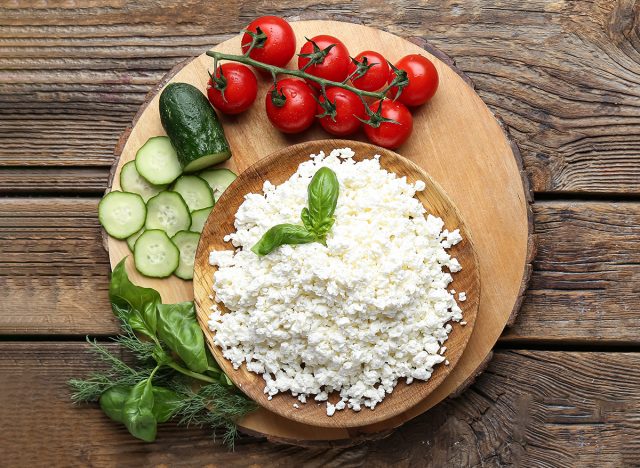
-
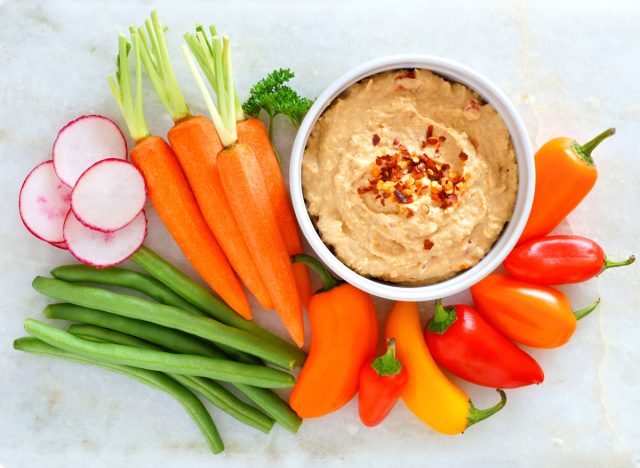
Hummus with Raw Vegetables:
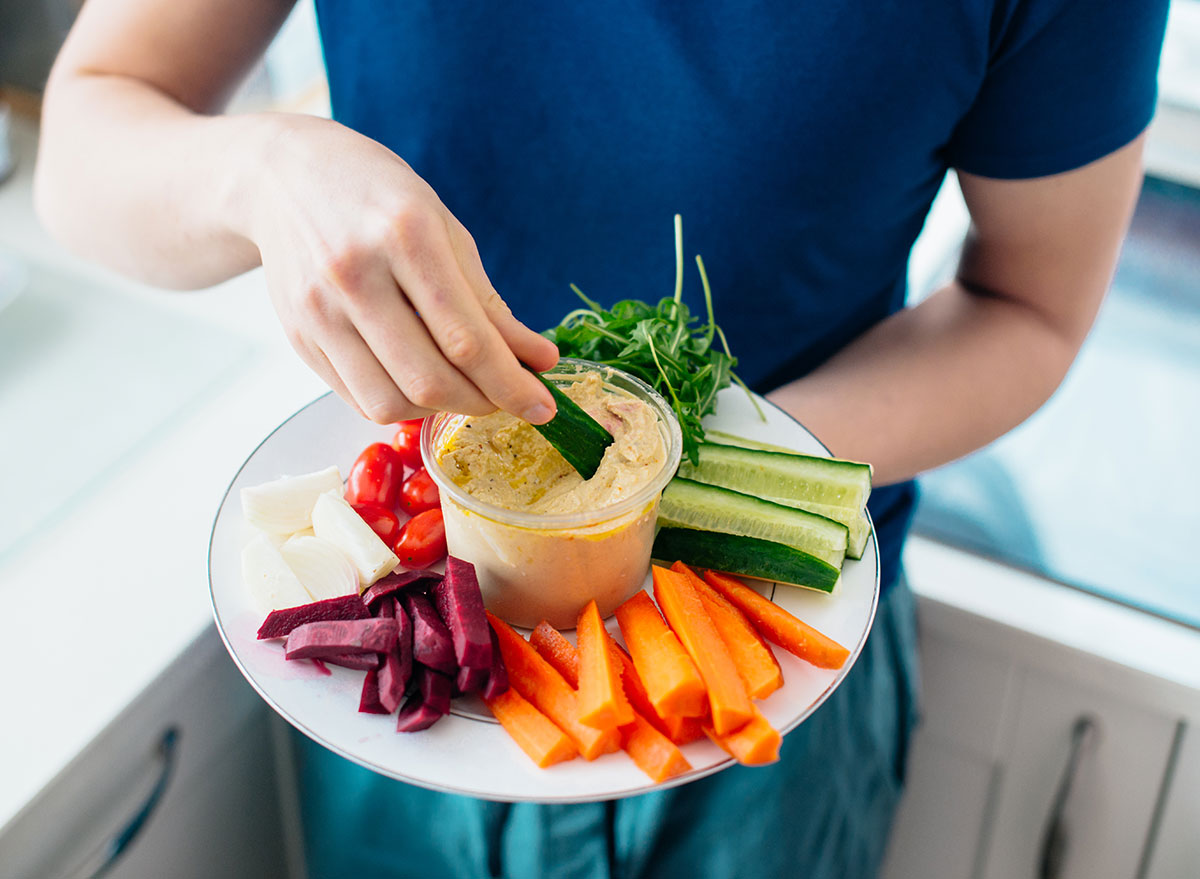
Hummus, a dip made from chickpeas, tahini (sesame paste), lemon juice, and olive oil, is a fantastic source of plant-based protein and fiber. Chickpeas are legumes known for their high fiber content (both soluble and insoluble), which promotes digestive health and contributes significantly to satiety. The tahini and olive oil provide healthy monounsaturated and polyunsaturated fats, which are crucial for hormone production, nutrient absorption, and also contribute to fullness. A typical serving of hummus (around 2 tablespoons) offers about 2-3 grams of protein and 2-3 grams of fiber. Dipping raw, crunchy vegetables like carrots, celery sticks, bell pepper strips, or broccoli florets into hummus amplifies the fiber and vitamin intake, creating a satisfying and nutrient-dense snack that discourages overeating later. -
An Ounce of Nuts with a Piece of Fruit:
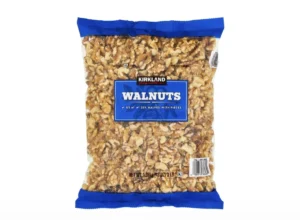
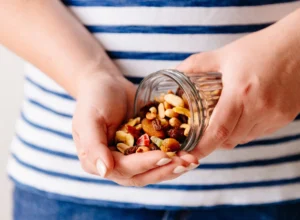
This classic combination is a testament to simple, effective nutrition. Nuts, such as almonds, walnuts, or pistachios, are rich in healthy fats (monounsaturated and polyunsaturated), protein, and fiber. These components work synergistically to promote satiety and provide sustained energy. Nuts also offer a wealth of micronutrients, including magnesium, vitamin E, and selenium. However, due to their calorie density, portion control is key; an ounce (approximately a small handful) is generally recommended. Pairing them with a piece of whole fruit like an apple, orange, or a small banana adds natural sweetness, additional fiber, and a wide array of vitamins and antioxidants. The fiber in the fruit, combined with the fats and protein from the nuts, creates a balanced snack that helps regulate blood sugar and keeps hunger at bay. -
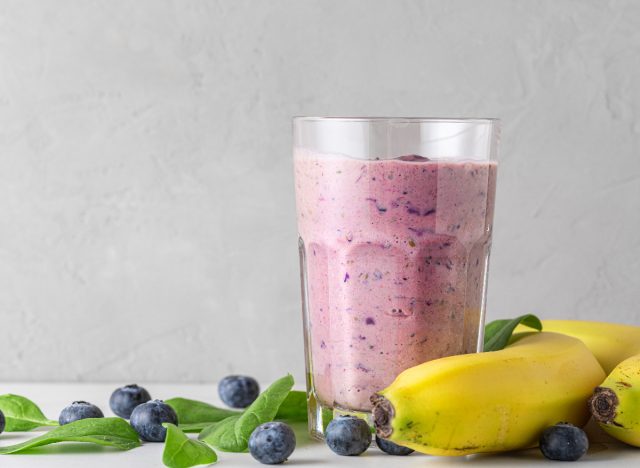
A Smoothie Using Whole Food Ingredients and Protein:
Smoothies offer unparalleled versatility and nutrient customization, making them an excellent choice for a weight loss snack. The key, as Dr. Joy emphasizes, is to use whole food ingredients and incorporate a protein source. A well-constructed smoothie might include:- Protein source: A scoop of whey, casein, or plant-based protein powder (e.g., pea, soy, rice), or a serving of Greek yogurt or cottage cheese.
- Fiber-rich base: Leafy greens like spinach or kale (often undetectable in taste), and a variety of fruits (berries, banana, apple).
- Healthy fats: A small amount of avocado, chia seeds, flax seeds, or a nut butter.
- Liquid: Water, unsweetened almond milk, or unsweetened coconut water.
This combination ensures a substantial intake of protein, fiber, and healthy fats, promoting fullness and providing a wide spectrum of vitamins and minerals. The liquid nature of smoothies also contributes to hydration, which can sometimes be mistaken for hunger.
The Science Behind Satiety and Blood Glucose Regulation
The effectiveness of these five snacks stems from their ability to strategically leverage the body’s natural hunger and satiety signals. Both fiber and protein are known for their high satiety index. Protein, in particular, triggers the release of cholecystokinin (CCK) and glucagon-like peptide-1 (GLP-1), hormones that signal fullness to the brain. Its higher thermic effect of food (TEF) also means the body expends more energy digesting protein compared to fats or carbohydrates, slightly boosting metabolism.
Fiber, while not digested by the body, absorbs water and expands in the digestive tract, physically contributing to a feeling of fullness. Soluble fiber, found in oats, beans, and certain fruits, forms a gel-like substance that slows digestion, further prolonging satiety and nutrient absorption. Insoluble fiber, found in whole grains and vegetables, adds bulk to stool and promotes regularity.
Beyond direct satiety, these snacks play a critical role in managing blood glucose levels. "These types of snack food can assist with maintaining consistent blood glucose levels, and consistent blood glucose levels are very important to regulate your hunger. The less your blood glucose levels fluctuate, the less you will experience hunger," Dr. Joy explains. When blood sugar levels rapidly spike and then crash, the body interprets this as a need for more energy, leading to intense hunger and cravings for sugary, high-carbohydrate foods. By providing a steady release of energy and avoiding dramatic glycemic responses, these protein- and fiber-rich snacks help stabilize blood sugar, thereby reducing cravings and preventing overeating at subsequent meals. This consistent regulation of blood glucose is a cornerstone of sustained weight management and metabolic health.
The Perils of Conventional Snacking and "Empty Calories"
In stark contrast to Dr. Joy’s recommendations, the modern food landscape is saturated with snacks that actively undermine weight loss efforts. Many commercially available snack foods are engineered to be hyper-palatable, packed with refined carbohydrates, excessive amounts of added sugar, and unhealthy fats, all while offering negligible nutritional value. Think about chips, cookies, candies, and many processed snack bars – they are often high in calories but devoid of the fiber, protein, and healthy fats that promote satiety.
"They’re easily digested, but do little to suppress our desire for additional food," Dr. Joy notes. This rapid digestion leads to a quick surge in blood sugar, followed by an equally swift crash, leaving individuals feeling hungry again shortly after eating, despite having consumed a significant number of calories. This cycle of consumption without true satisfaction makes it incredibly easy to overeat these "empty calorie" snacks throughout the day, leading to a surplus of calories that inevitably contributes to weight gain.
Furthermore, Dr. Joy highlights the deliberate design of these products: "Another reason why the snacks I recommend are better than typical snacks is that they have a larger volume of nutrients per serving than typical snacks. Most snack foods are designed so that we can eat too much of them with very little nutritional value. Therefore, when you choose to eat one of the snacks I recommend, the calories will provide satiety, or fullness." This distinction is crucial: calories from nutrient-dense foods provide tangible benefits and lead to genuine satisfaction, whereas calories from highly processed snacks often leave the body nutritionally unfulfilled, perpetuating a cycle of hunger and overconsumption.
The Critical Importance of Snack Timing
Beyond what you eat, when you eat your snacks holds significant importance in a weight management strategy. Strategic snack timing can be a powerful tool to manage hunger, maintain energy, and prevent overeating.
"Snacks at appropriate times may prevent an interval of time from one meal to another in which individuals are likely to consume excess calories due to a large gap in time since the last meal. Snacking maintains consistent levels of energy throughout the day," Dr. Joy advises. For many, a mid-morning or mid-afternoon snack can be particularly beneficial. These periods often represent the longest stretches between meals, during which hunger can build to an overwhelming degree, increasing the likelihood of making poor food choices or overeating at the next main meal. A well-timed, nutrient-rich snack acts as a bridge, keeping hunger at bay and preventing the "hangry" state that often leads to impulsive decisions.
A mid-afternoon snack, in particular, "will also help control energy crashes and reduce the likelihood that you’ll feel the need for sweet treats," Dr. Joy adds. The afternoon slump, often characterized by a dip in energy and focus, is a common trigger for reaching for sugary pick-me-ups. A balanced snack can stabilize blood sugar and provide sustained energy, effectively combating these cravings and maintaining productivity.
Evening snacking, however, requires a more deliberate approach. "Evening snacking should be purposeful (not routine) and based on your body’s need for food as opposed to just eating out of habit. Protein-based snacks are usually the best choice," Dr. Joy recommends. This distinction between "purposeful" and "habitual" eating is vital. Many individuals snack in the evening out of boredom, stress, or routine rather than genuine physiological hunger. If hunger genuinely strikes, a protein-rich option can provide satisfaction without significantly impacting overnight digestion or calorie intake.
Broader Implications for Health and Well-being
Adopting a strategy of mindful, nutrient-dense snacking extends far beyond just weight loss. It forms a fundamental component of a holistic approach to health and well-being. By consistently choosing snacks rich in protein, fiber, and healthy fats, individuals can experience a cascade of positive health outcomes:
- Improved Metabolic Health: Stable blood sugar levels reduce the risk of insulin resistance, type 2 diabetes, and other metabolic disorders.
- Enhanced Energy and Focus: Consistent nutrient intake prevents energy dips, leading to improved concentration, mood, and productivity throughout the day.
- Better Digestive Health: High-fiber snacks promote a healthy gut microbiome and regular bowel movements, reducing issues like constipation.
- Reduced Risk of Chronic Diseases: A diet rich in whole, unprocessed foods and low in added sugars and refined carbohydrates is associated with a lower risk of heart disease, certain cancers, and other chronic conditions.
- Sustainable Lifestyle Changes: By making healthy snacking enjoyable and practical, individuals are more likely to adhere to their dietary goals long-term, fostering sustainable habits rather than short-lived diets.
In conclusion, the journey to sustainable weight loss is paved with informed choices and strategic planning. Dr. Kezia Joy’s five dietitian-approved snacks—cottage cheese with vegetables, Greek yogurt with fresh berries, hummus with raw vegetables, nuts with fruit, and whole-food protein smoothies—offer a powerful blueprint for combating mindless eating and supporting satiety. By understanding the scientific principles behind protein, fiber, and healthy fats, and by adopting a mindful approach to snack timing, individuals can transform their relationship with food, achieve their weight loss goals, and cultivate lasting health and vitality. It’s a testament to the idea that small, consistent, and educated choices can lead to profound and enduring positive changes in one’s overall well-being.