

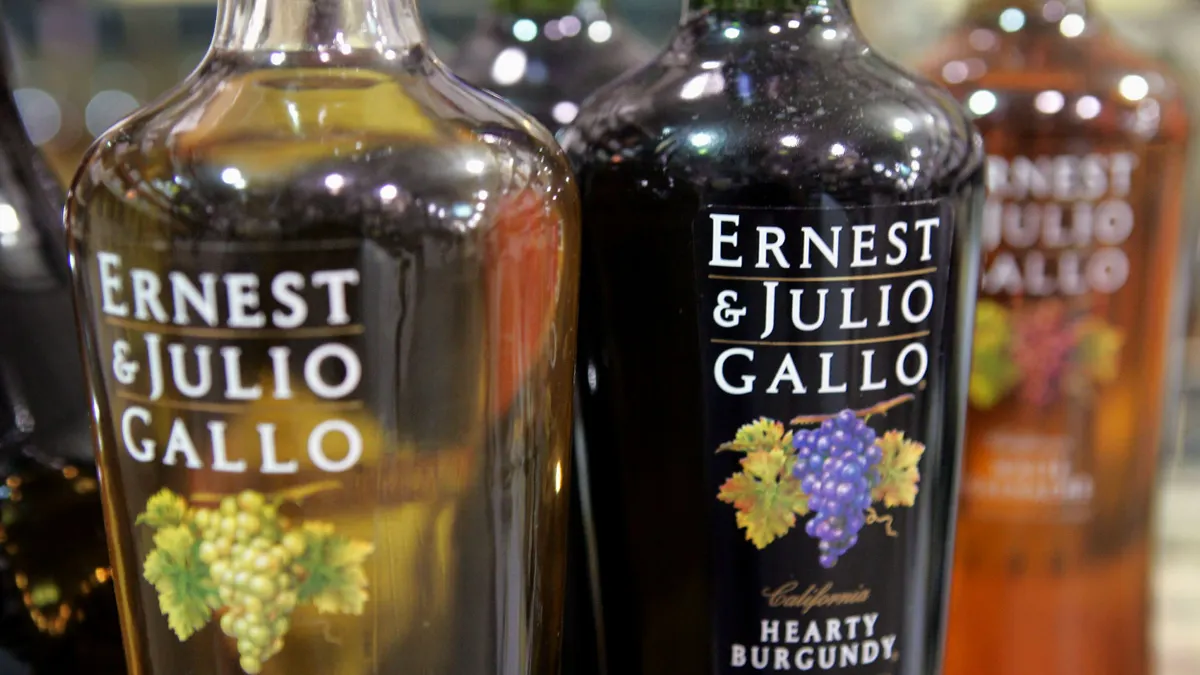
E & J Gallo Winery, a titan in the American wine industry, is undergoing a significant restructuring, including vineyard closures and substantial employee layoffs. The company, renowned for its vast portfolio encompassing popular brands like Barefoot and Apothic, is strategically reducing its operational footprint in response to persistent challenges within the alcohol beverage sector, particularly a long-term trend of declining wine consumption and an aging consumer demographic. This strategic pivot underscores a broader industry recalibration as companies grapple with evolving market dynamics and the imperative to align production with present and future demand.
Strategic Realignment and Workforce Reduction
The most immediate manifestation of Gallo’s strategic adjustment is the closure of its Ranch Winery in Saint Helena, California, slated for April. This decision, detailed in a WARN (Worker Adjustment and Retraining Notification) notice filed with the state, will result in the displacement of 56 employees directly tied to the production facility. Beyond this primary closure, the company is implementing further workforce reductions across several other California locations. Approximately two dozen workers will be laid off from various sites, including 15 at another winery in Saint Helena and two at its adjacent tasting room. Additionally, 11 positions will be eliminated at the Healdsburg winery, and nine at the Frei Ranch facility. All these layoffs are also scheduled to take effect in April.
Industry-Wide Headwinds: Aging Consumers and Declining Consumption
The challenges confronting E & J Gallo Winery are not isolated incidents but reflect broader, systemic issues impacting the entire wine industry. Data from industry analysis firms like the International Wine and Spirits Record (IWSR) consistently points to an aging consumer base for wine, a demographic that is gradually decreasing its overall consumption. This trend is compounded by difficulties in attracting and retaining younger, legal drinking-aged consumers, who are increasingly drawn to alternative alcoholic beverages such as spirits, craft beers, and ready-to-drink (RTD) cocktails.
According to IWSR insights, the broader wine market has been characterized by stagnant demand, forcing major players to reassess their production capacities. E & J Gallo’s spokesperson acknowledged this market reality, stating in an email communication that the company is "aiming to bring production more in line with demand and position itself for ‘future success.’" This strategic imperative to balance supply with a recalibrating demand is a critical factor driving these operational adjustments.
Historical Context and Market Position
E & J Gallo Winery, a privately held, family-owned enterprise, was established in 1933 and is headquartered in Modesto, California. Its extensive operations extend beyond wine to include ready-to-drink beverages, distilled spirits, and beer, showcasing a diversified approach to the alcohol market. However, its wine division remains its most prominent and historically significant segment.

WineBusiness Monthly consistently ranks E & J Gallo as the largest winery in the United States, with an estimated annual case sales volume of 94 million. The company is particularly known for its wide array of affordable wine options, which have historically appealed to a broad consumer base. It is precisely these more budget-friendly wines that have experienced significant sales slumps in recent years, exacerbated by intensified competition from spirits and the burgeoning popularity of canned cocktails and other convenient RTD options.
Economic Indicators and Consumer Behavior
The economic pressures on the wine industry are further illuminated by reports such as the "2026 SVB State of the U.S. Wine Industry Report" by Silicon Valley Bank. This report highlighted that wines priced under $12 have been among the hardest hit by declining sales. This segment of the market, often a cornerstone for large-volume producers like Gallo, has seen its production levels fall to their lowest point in over a decade. This economic downturn in the value segment necessitates a strategic reevaluation of production scale and brand focus.
Evolving Consumer Demand and Strategic Response
The spokesperson for E & J Gallo emphasized that these operational changes are "driven by market dynamics, evolving consumer demand, and available capacity across our wineries." This statement underscores a proactive approach to adapting to a fluid market landscape. While the company is scaling back in certain areas, it is also signaling a commitment to its consumer-facing touchpoints. Gallo’s tasting rooms located in Napa, Sonoma, and Paso Robles will continue to operate, suggesting a strategic effort to maintain direct consumer engagement and brand experience, even as production facilities are consolidated.

Broader Implications for the Wine Industry
The actions taken by E & J Gallo Winery are indicative of a broader trend of consolidation and strategic recalibration within the U.S. wine industry. As established players confront declining volumes and shifting consumer preferences, they are compelled to:
- Optimize Production: Aligning production capacity with realistic demand forecasts becomes paramount. This may involve closing less efficient or strategically misaligned facilities, as seen with the Ranch Winery closure.
- Focus on Higher-Value Segments: While affordable wines have struggled, there is continued growth and interest in premium and super-premium wine segments. Companies may shift their focus and resources towards these more profitable categories.
- Innovate and Diversify: The rise of RTDs and spirits highlights the need for wine producers to innovate within their own product lines, perhaps by developing lighter, more approachable wine-based beverages or exploring spirits and RTD offerings to capture broader consumer interest.
- Enhance Direct-to-Consumer (DTC) Channels: As traditional sales channels face pressure, investing in and optimizing DTC channels, such as tasting rooms, wine clubs, and e-commerce, becomes crucial for building brand loyalty and capturing higher margins.
- Target New Consumer Demographics: Reaching younger consumers requires understanding their preferences for convenience, sustainability, and diverse flavor profiles. This might involve developing new product formats or marketing strategies tailored to these demographics.
Timeline of Events
- 1933: E & J Gallo Winery is founded by Ernest and Julio Gallo.
- Early 2000s – Present: The wine industry begins to experience a gradual decline in overall consumption, particularly among younger demographics, while the consumer base for wine ages.
- 2020s: The rise of ready-to-drink (RTD) cocktails and increased popularity of spirits and craft beers begin to directly compete with traditional wine sales, especially in the value segment.
- 2025: Reports indicate that wines priced under $12 have seen significant sales slumps, pushing production levels to a decade low.
- February 25, 2026: Food Dive reports on E & J Gallo Winery’s downsizing efforts, including vineyard closures and employee layoffs.
- April 2026: E & J Gallo Winery’s Ranch Winery in Saint Helena, California, is scheduled to close, with further layoffs impacting other locations across the state.
Official Statements and Corporate Strategy
The official statements from E & J Gallo Winery consistently emphasize a pragmatic response to market realities. The spokesperson’s remarks, "These changes are driven by market dynamics, evolving consumer demand, and available capacity across our wineries," signal a data-driven approach to business management. The goal, as articulated, is to "better position its business" for future resilience and success. This involves not just cost-cutting measures but a strategic realignment of resources and operations to meet the current and anticipated needs of the beverage alcohol market.
The company’s continued operation of its tasting rooms in key wine regions suggests a commitment to maintaining brand visibility and a direct connection with consumers. This duality of operational scaling back in production while maintaining consumer engagement points to a nuanced strategy aimed at surviving and thriving in a challenging but evolving marketplace. The company’s long history and substantial market share provide it with a foundation to navigate these industry shifts, but its recent actions underscore the undeniable impact of changing consumer habits and economic pressures on even the most established brands. The path forward for E & J Gallo, and indeed for much of the wine industry, will likely involve continued adaptation, innovation, and a sharp focus on aligning production and brand strategies with the evolving preferences of today’s consumers.
