



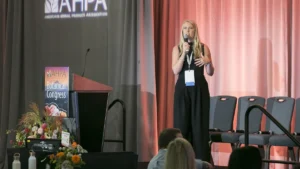





Professional squash player Amanda Sobhy, a titan in the sport and the most accomplished American squash player in history, has bravely stepped forward to share her deeply personal and arduous journey of overcoming an eating disorder. Her candid account, originally published on the National Eating Disorders Association (NEDA) website, offers a powerful testament to the hidden struggles that can plague even the most outwardly successful individuals, particularly within the high-pressure world of elite athletics. Sobhy’s narrative, spanning years of silent suffering and a non-linear path to recovery, highlights the critical role of holistic support, mindfulness, and the courage to finally speak out.
Sobhy’s story begins not with a formal diagnosis or treatment, but with years of shame and denial. During her collegiate years at Harvard University, where she achieved an unprecedented 62-0 record and secured four individual national titles, and in the nascent stages of her professional career, the grip of her eating disorder was a closely guarded secret. The thought of seeking specialized help, she reveals, was a confrontation with a truth she wasn’t yet ready to accept. This reluctance to acknowledge the severity of her condition, stemming from a deep-seated embarrassment and the fear of being perceived as weak, led her to internalize her struggle, carrying it as an "invisible weight shackled to my ankle." This secrecy extended to all facets of her life, shielding her family, friends, coaches, college teammates, and later, her professional squash peers from the reality of her internal battle.
The breaking point, Sobhy recounts, arrived in the fall of 2018. The severity of her binge-purge cycle, particularly after tournaments, had reached a level where continuing to live with it seemed untenable. In a desperate bid for assistance, she sought out a therapist specializing in eating disorders. However, the prohibitive out-of-pocket costs, due to her insurance not covering the specialized care, limited this crucial support to a single introductory session. This setback marked the beginning of a long, complex, and decidedly "nonlinear" recovery process that would ultimately span from 2015 until she publicly shared her story in 2021.

The Pillars of Recovery: Mindfulness, Sports Psychology, and Nutrition
Sobhy’s path to recovery was not a straight line but a multifaceted journey built upon a foundation of mindfulness-based interventions, extensive personal exploration, and the invaluable guidance of two key professionals: holistic sports psychologist Amy Gross and sports dietitian Nyree Dardarian. While their work together was not formally framed as eating disorder treatment, as they were integral members of her squash coaching team, their efforts directly addressed the psychological and nutritional patterns that fueled her destructive binge-purge cycle.
Embracing Mindfulness and the Power of Presence
The initial phase of Sobhy’s dedicated recovery efforts began in 2015, coinciding with her transition to full-time professional squash. Her collaboration with Amy Gross marked a significant shift in her approach to well-being. Gross adopted a holistic perspective, recognizing that peak athletic performance was inextricably linked to an athlete’s internal state and off-court life.
Together, they meticulously deconstructed the core traits that characterized Sobhy’s internal landscape: pervasive perfectionism, an ingrained "all-or-nothing" mindset, a relentlessly harsh inner critic, underdeveloped emotional regulation skills, and a deficit in effective coping mechanisms. Gross’s keen insight quickly identified Sobhy’s maladaptive responses to adversity, particularly in the wake of losses, periods of burnout, emotional dysregulation, or simply challenging days.
The safe and nonjudgmental environment cultivated by Gross proved instrumental in enabling Sobhy to finally voice the secret she had held for so long: her struggles with binging and purging. Even then, a residual denial persisted, fueled by her continued high functioning and performance as an athlete. From this point of nascent honesty, the focus shifted to mindfulness-based interventions. These practices included cultivating present-moment awareness, engaging in nonjudgmental observation of thoughts and feelings, practicing meditation, identifying and implementing healthier coping strategies when faced with triggers, and, crucially, creating a conscious "space" between her internal thoughts and her subsequent actions.
For years, the binge-purge cycle had operated on an almost unconscious, automatic pilot. Mindfulness served as the critical circuit breaker, interrupting this destructive loop. Sobhy began to notice the emergence of urges not as overwhelming forces, but as signals that could be observed. This heightened awareness empowered her to pause, to choose alternative actions such as taking a walk, engaging in breathwork, journaling, meditating, or reflecting on the detrimental aftermath of a binge. This conscious shift allowed her to make choices that considered her future well-being, rather than succumbing to immediate impulses.
This transformation, Sobhy emphasizes, was far from instantaneous. Relapses were a recurring part of her journey. However, with each setback, the debilitating shame and self-loathing gradually softened. Judgment began to yield to self-compassion, and feelings of guilt and disgust were progressively supplanted by acceptance, kindness, and the reassurance that progress, however incremental, was being made.
A pivotal element of her recovery was dismantling her perfectionist, all-or-nothing worldview. She learned that a single "bad day," a lost match, or an imperfect training session did not equate to personal failure or the ruination of an entire day. The ability to tolerate imperfection, to embrace her humanity, became a cornerstone of her healing process.
Rebuilding a Healthy Relationship with Food
Concurrent with her work on psychological well-being, Sobhy also sought professional guidance from sports dietitian Nyree Dardarian, beginning in the fall of 2017. This collaboration commenced during her recovery from her first Achilles rupture, a period when her relationship with food remained deeply disordered.
The prospect of entrusting Dardarian and being candid about her lack of control around food was a profoundly terrifying undertaking. Yet, Sobhy recognized that returning to a high level of competition necessitated professional support in this critical area.
Dardarian’s approach extended far beyond simply optimizing an athlete’s fuel intake; she guided Sobhy in relearning the fundamental act of enjoying food. A key strategy involved the creation of a weekly "life calendar" that meticulously incorporated training schedules, tournament commitments, travel days, and social engagements. This framework facilitated the planning of meals that not only supported athletic performance but also seamlessly integrated into the realities of Sobhy’s demanding life.
The crucial distinction was that these were meals Sobhy genuinely enjoyed and anticipated, rather than those dictated by restriction or fear. The focus was on simple, sustainable, and flexible nutritional choices. During international tournaments, often involving travel to locations like Egypt or Malaysia, Sobhy would share restaurant menus with Dardarian, who would offer supportive guidance on food selections, mitigating feelings of overwhelm.
A particularly significant development was the establishment of a simple, reliable pre-match meal: a peanut butter, banana, and honey sandwich. This staple remains an integral part of her match-day routine to this day.
Over the years, Dardarian equipped Sobhy with a comprehensive understanding of sports nutrition, strategies for navigating social eating situations, and the intentional inclusion of dessert after tournaments. This allowed Sobhy to savor these treats without succumbing to the private binge cycle. Dardarian’s philosophy was a complete rejection of diet culture; there were no forbidden foods, no punitive "cheat days," and no labeling of foods as inherently "good" or "bad." The emphasis was placed on connection, enjoyment, and the communal aspect of shared meals.
While their direct collaboration has lessened, Sobhy continues to utilize the life calendar structure and the coping tools she acquired from Dardarian. A notable outcome of this renewed relationship with food is her current enjoyment of exploring culinary experiences with friends during tournaments – a prospect that would have been unimaginable for her in 2017.
The Courage to Share: Finding Freedom in Vulnerability
The final, transformative phase of Sobhy’s recovery materialized in the summer of 2021. A persistent inner voice signaled her readiness to share her story publicly. After years of accumulating coping mechanisms and dedicated self-work, she finally felt liberated from the binge-purge cycle that had held her captive for so long.
To commemorate this profound sense of release, Sobhy got an ankle tattoo of a bird with the word "free" inscribed beside it, symbolizing the shedding of the immense burden she had carried for over a decade.
Her decision to speak publicly was an act of reclaiming personal power, but it was also deeply rooted in a desire for connection and the yearning to finally feel "seen." Aware of the countless others silently battling similar challenges, Sobhy aimed to alleviate the profound sense of isolation she had once experienced. She believed that if her story could resonate with even one individual, offering them a sense of being understood or empowering them to take that crucial first step toward recovery, it would be profoundly worthwhile.
For an extended period, Sobhy grappled with the validity of her own eating disorder. Lacking a formal diagnosis and having never undergone structured treatment, coupled with her sustained high-level athletic performance, led her to minimize her own experience. This self-doubt is a common sentiment among individuals who do not fit the stereotypical presentation of an eating disorder.
Her current understanding, however, is that eating disorders manifest in diverse ways and do not adhere to a singular narrative. As National Eating Disorders Awareness Week (NEDAW) often emphasizes through themes like "Every Body Belongs," these illnesses are indiscriminate. They can afflict individuals who are high-performing, disciplined, and outwardly successful, including athletes. They can impact those who never seek formal treatment, who are too consumed by fear or shame to ask for help, and who endure their suffering in silence for years. These disorders transcend all communities, backgrounds, and identities.
The notion of a "one-size-fits-all" experience with eating disorders is a fallacy. In the spirit of NEDAW and its message that "Every Body Belongs," Sobhy shares her story with the hope of fostering a greater sense of recognition, worthiness of support, and empowerment for individuals to seek help, precisely as they are.
Her decision to share her personal journey remains one of her most significant accomplishments. It serves as a potent reminder that healing is attainable, that vulnerability is a profound form of strength, and that no one is ever truly alone in their struggles.
Broader Implications and Support Systems
Amanda Sobhy’s courageous disclosure carries significant implications for the broader discourse surrounding mental health in professional sports. Her experience highlights the often-unseen pressures faced by elite athletes, where the pursuit of perfection and peak performance can create a fertile ground for disordered eating and other mental health challenges. The fact that her recovery was facilitated by professionals who were part of her existing coaching team underscores the potential for integrated support systems within sports organizations.
The National Eating Disorders Association (NEDA) frequently points to the pervasive nature of eating disorders across all demographics, and Sobhy’s story serves as a powerful real-world example. Her emphasis on the lack of a single "look" for an eating disorder is critical in combating stigma and encouraging individuals to seek help regardless of their outward appearance or performance level. The organization’s ongoing efforts, particularly during National Eating Disorders Awareness Week, aim to educate the public and provide resources for those affected.
Sobhy’s narrative also underscores the critical need for accessible and affordable mental health care for athletes. The financial barrier she encountered, preventing her from continuing with specialized therapy, is a systemic issue that requires urgent attention. Many sports organizations and governing bodies are beginning to recognize the importance of providing comprehensive mental health support as an integral part of athlete well-being, moving beyond purely physical training regimes.
Furthermore, her journey illustrates the power of lived experience in advocacy. By speaking openly, Sobhy not only aids her own continued recovery but also provides a beacon of hope and a tangible example of recovery for others. Her willingness to be vulnerable can inspire a ripple effect, encouraging more athletes to break their silence and seek the support they deserve.
Resources for Support
For individuals struggling with eating disorders, or those concerned about a loved one, numerous resources are available:
- National Eating Disorders Association (NEDA): Offers a helpline, online support groups, and extensive educational materials. Their website provides comprehensive information on various eating disorders, treatment options, and how to find help.
- National Association of Anorexia Nervosa and Associated Disorders (ANAD): Provides support and resources for individuals and families affected by eating disorders.
- The Jed Foundation: Focuses on protecting the emotional health of teens and young adults, with resources for mental health and suicide prevention.
- Local Mental Health Services: Many communities offer specialized eating disorder treatment centers and therapists.
Amanda Sobhy’s story is a profound reminder that courage is not the absence of fear, but the willingness to confront it, to seek help, and to ultimately reclaim one’s life. Her continued success on the squash court, now with the added dimension of her advocacy, makes her a truly inspirational figure in both the athletic and mental health spheres.