







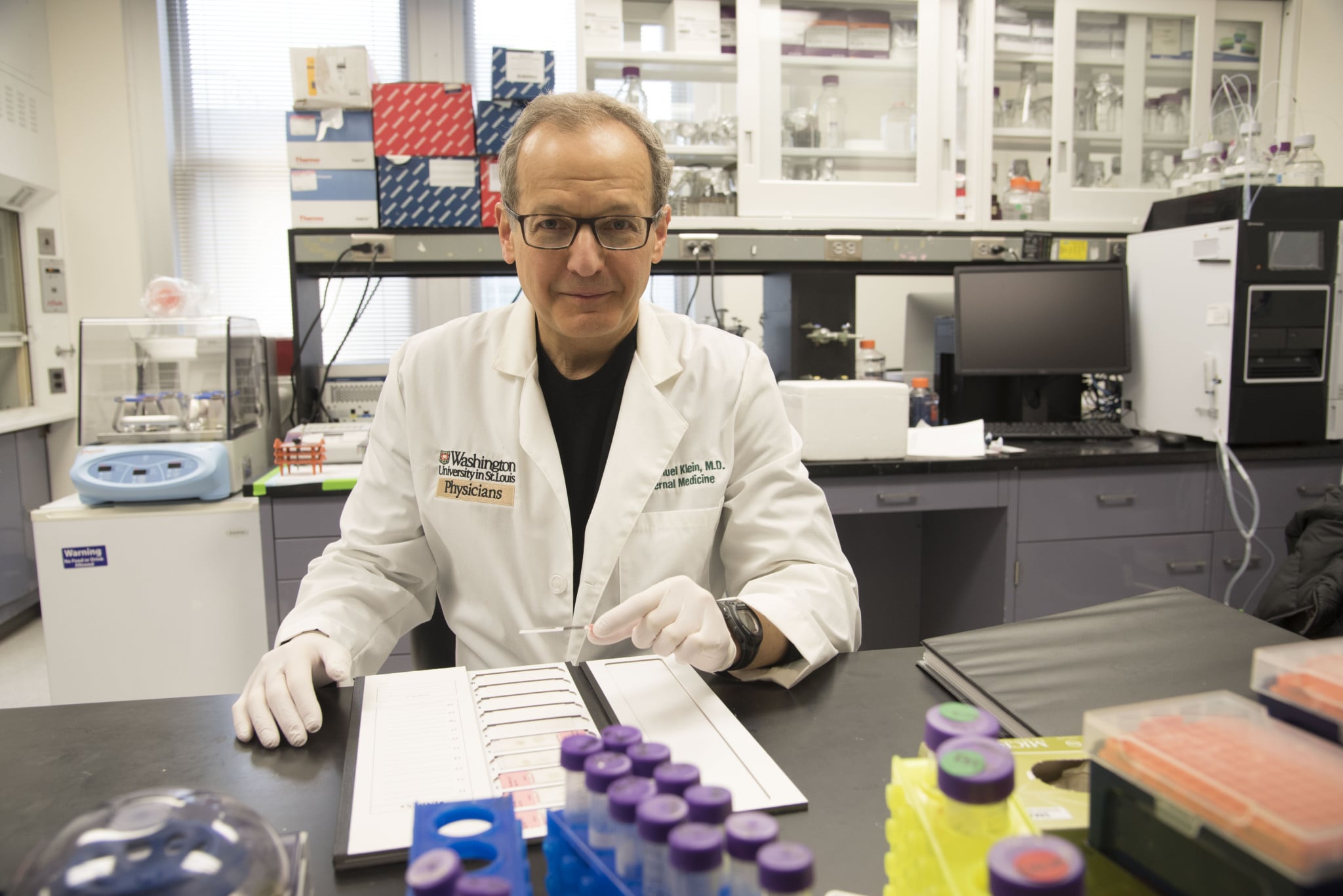
The Endocrine Society has officially announced that Samuel Klein, MD, the William H. Danforth Professor of Medicine and Nutritional Science at Washington University School of Medicine in St. Louis, is the 2026 recipient of the Outstanding Clinical Investigator Laureate Award. This prestigious recognition honors a career spanning more than three decades, during which Dr. Klein has fundamentally reshaped the medical community’s understanding of obesity, fat biology, and metabolic risk. By investigating the complex reasons why obesity manifests differently across various populations, Klein has provided the scientific foundation for more personalized approaches to treating metabolic diseases.
For over 30 years, Dr. Klein’s work has centered on a central, perplexing question: why do some individuals with obesity develop severe metabolic complications—such as type 2 diabetes and cardiovascular disease—while others remain relatively healthy despite having a similar Body Mass Index (BMI)? His research, characterized by meticulous human clinical trials and translational science, has moved the field beyond the simplistic view of obesity as a uniform condition, instead highlighting the critical role of adipose tissue function and fat distribution.
A Career Defined by Clinical Excellence and Academic Rigor
Dr. Klein’s journey to becoming a leading figure in nutritional science began with a robust academic foundation. He earned his medical degree from Temple University, followed by a Master’s degree in nutritional biochemistry and metabolism from the Massachusetts Institute of Technology (MIT). This dual focus on clinical medicine and the molecular underpinnings of nutrition provided him with a unique perspective that would later define his research methodology.
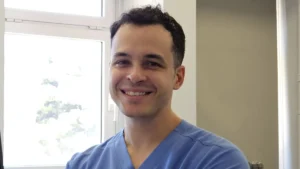
After completing a fellowship in gastroenterology at Mount Sinai Hospital in New York, Dr. Klein joined the faculty at Washington University School of Medicine in 1994. Over the ensuing decades, he has held several leadership positions, currently serving as the Director of the Center for Human Nutrition and the Director of the Division of Nutritional Science & Obesity Medicine. Under his leadership, Washington University has become a global epicenter for the study of human metabolism and obesity-related pathophysiology.
His nomination for the Laureate award was championed by peers who have witnessed his impact firsthand. Rexford S. Ahima, MD, PhD, Director of the Division of Endocrinology, Diabetes and Metabolism at Johns Hopkins University School of Medicine, described Klein as a "unique physician-scientist." Dr. Ahima noted that Klein’s ability to conduct complex studies in human subjects has been instrumental in understanding the pathogenesis of obesity and diabetes, ultimately bridging the gap between bench-side discovery and bedside care.
Decoding the Heterogeneity of Obesity
At the heart of Dr. Klein’s research is the concept of metabolic heterogeneity. While the global prevalence of obesity has reached epidemic proportions—affecting more than 650 million adults according to World Health Organization (WHO) data—the clinical outcomes for these individuals vary wildly.
Dr. Klein’s work has focused on the two ends of the metabolic spectrum. On one end are individuals with "metabolically healthy obesity" (MHO). These individuals possess excess body fat but do not exhibit the typical markers of metabolic distress, such as high blood pressure, insulin resistance, or abnormal lipid profiles. On the other end are those with "metabolically unhealthy obesity" (MUO), who are at high risk for life-threatening conditions.
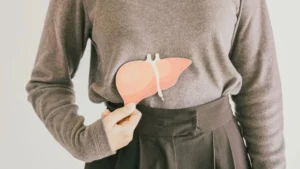
Through his research, Klein has identified that the health of adipose tissue (fat cells) is often more important than the total amount of fat a person carries. In metabolically unhealthy individuals, the adipose tissue often fails to expand properly to store excess energy. This leads to "ectopic fat" deposition—fat that accumulates in organs where it does not belong, such as the liver, heart, and skeletal muscle. This lipotoxicity is a primary driver of insulin resistance and the development of metabolic dysfunction-associated steatotic liver disease (MASLD).
By studying these mechanisms, Dr. Klein has helped clinicians understand that the goal of treatment should not just be weight loss in a general sense, but the restoration of metabolic harmony. His research has shown that even modest weight loss—as little as 5% to 10% of total body weight—can lead to profound improvements in multi-organ insulin sensitivity and a reduction in intra-abdominal and liver fat.
Supporting Data: The Rising Stakes of Metabolic Disease
The urgency of Dr. Klein’s research is underscored by current public health statistics. Data from the Centers for Disease Control and Prevention (CDC) indicate that over 40% of the U.S. adult population is living with obesity. Furthermore, the prevalence of type 2 diabetes and MASLD is rising in tandem. Recent studies suggest that MASLD now affects approximately 25% of the global population, making it the most common chronic liver condition worldwide.
Dr. Klein’s investigations into atherogenic dyslipidemia—a condition characterized by high triglycerides and low HDL cholesterol—have also provided critical insights into cardiovascular risk. His work demonstrates that the metabolic abnormalities associated with obesity are not merely secondary symptoms but are deeply integrated into the body’s systemic endocrine signaling. By identifying novel pathways for therapeutic intervention, Klein’s research offers hope for the development of new pharmacological treatments that target adipose tissue dysfunction directly.
The Endocrine Society’s Laureate Recognition
The Endocrine Society’s Laureate Awards are among the highest honors in the field of endocrinology. Established to recognize the highest achievements in the endocrinology community, the awards cover various categories including research, education, and clinical practice. The Outstanding Clinical Investigator Award specifically recognizes an individual who has made significant contributions to the understanding of endocrine disorders through clinical research.
The selection of Dr. Klein for the 2026 award reflects a long-term view of scientific impact. In a statement regarding the honor, Klein emphasized that the recognition belongs to his entire team. "Receiving the Endocrine Society’s Outstanding Clinical Investigator Award is obviously a great honor," Klein said. "I want to acknowledge that this award recognizes the many contributions from research staff, trainees, and colleagues that made the work happen. The Laureate recognition of our work supports the importance of combining clinical and basic science techniques in studying multi-organ system biology in people."
This collaborative spirit has been a hallmark of Klein’s career. He has mentored dozens of students and fellows who have gone on to lead their own research programs, ensuring that his methodology of rigorous human-centric study continues into the next generation.
Philosophical Insights and Advice for the Next Generation
In addition to his scientific contributions, Dr. Klein is known for his commitment to the integrity of the scientific method. When asked about advice for aspiring scientists, he emphasized the importance of intellectual humility and data-driven inquiry.
"It is important to follow the data and not become personally invested in a particular hypothesis," Klein remarked. "Research is an exploration to find the truth. There is nothing wrong in being wrong, but it’s a mistake to remain locked into a position that is not supported by new data."
This philosophy has allowed Klein to pivot his research as new technologies and insights emerged over the decades. Whether using isotopic tracers to measure metabolic flux or utilizing advanced imaging to quantify organ fat, he has consistently sought the most accurate tools to test his theories.
However, Klein also offered a rare glimpse into the personal sacrifices of a high-level research career. Reflecting on his journey, he noted that if he could turn back the calendar, he would have prioritized a more balanced lifestyle. "I would have spent less time at work and more time developing hobbies that I could pursue in retirement," he admitted. Today, he finds his balance through exercise and reading true crime novels, activities that allow him to "unplug" from the intense demands of the laboratory and clinic.
Broader Impact and Future Implications
The long-term impact of Dr. Klein’s work is expected to be felt in the realm of precision medicine. As healthcare moves away from "one-size-fits-all" recommendations, the insights gained from studying the heterogeneity of obesity will allow doctors to identify which patients require aggressive intervention and which might be managed with less intensive strategies.
Furthermore, Klein’s research into the mechanisms of weight loss continues to be highly relevant in the era of new anti-obesity medications, such as GLP-1 receptor agonists. Understanding how these drugs affect different fat depots and metabolic pathways is the next frontier in obesity medicine, a frontier that Klein continues to explore.
As the medical community prepares to celebrate his achievements in 2026, Samuel Klein remains focused on the future. His work serves as a reminder that while the numbers on a scale are important, the complex biology beneath the surface holds the key to long-term health and disease prevention. By continuing to study the "perplexing dilemma" of metabolic health, Klein is not just solving a scientific puzzle; he is paving the way for a healthier future for millions of people worldwide.