









In the contemporary landscape of nutritional science, protein has transitioned from a niche focus of the bodybuilding community to a cornerstone of general metabolic health. Registered Dietitians (RDs) increasingly emphasize that while protein is essential for the repair and synthesis of muscle tissue, its utility extends far beyond the confines of the weight room. A diet rich in high-quality protein and strategically low in carbohydrates has been linked to improved weight management, enhanced metabolic rates, and better glycemic control. This shift in dietary focus reflects a broader understanding of how macronutrients interact with human physiology to influence long-term health outcomes.
The Scientific Foundation: Thermogenesis and Satiety
The efficacy of a high-protein, low-carbohydrate approach is rooted in two primary physiological mechanisms: the Thermic Effect of Food (TEF) and the regulation of satiety hormones. Data indicates that protein possesses a significantly higher TEF compared to fats and carbohydrates. While the body utilizes approximately 5% to 15% of the energy consumed from fats and carbohydrates for digestion and processing, it requires 20% to 30% of the energy from protein to perform the same functions. Consequently, a higher protein intake naturally elevates the basal metabolic rate, allowing for greater caloric expenditure through the simple act of consumption.
Furthermore, protein is the most satiating macronutrient. Clinical studies have demonstrated that high-protein meals suppress ghrelin—the "hunger hormone"—while stimulating the production of peptide YY (PYY) and glucagon-like peptide-1 (GLP-1), both of which signal fullness to the brain. This biochemical response is a critical tool for those seeking to maintain a caloric deficit without the psychological burden of constant hunger.

Chronology of Dietary Guidelines: From Low-Fat to Protein-Centric
The evolution of nutritional recommendations provides context for the current emphasis on protein. In the late 1970s and 1980s, the "Low-Fat Era" dominated public health messaging, leading to an unintended surge in refined carbohydrate consumption and a subsequent rise in metabolic disorders. By the late 1990s and early 2000s, the "Low-Carb Revolution," popularized by protocols like the Atkins Diet, shifted the pendulum back toward fats and proteins.
In the current decade, the focus has refined into "Protein Leverage," a theory suggesting that humans will continue to eat until they meet a specific protein threshold, regardless of total caloric intake. This has led RDs to move away from "one-size-fits-all" models, instead advocating for personalized protein targets. For active individuals, the current consensus suggests a range of 0.8 to 1.25 grams of protein per pound of body weight to support both metabolic health and physical performance.
A Comprehensive Analysis of the Top 20 High-Protein, Low-Carb Foods
To achieve these nutritional targets without dietary fatigue, a diverse array of protein sources is required. The following list, curated by nutritional experts, highlights foods that offer the highest protein density with minimal carbohydrate interference.
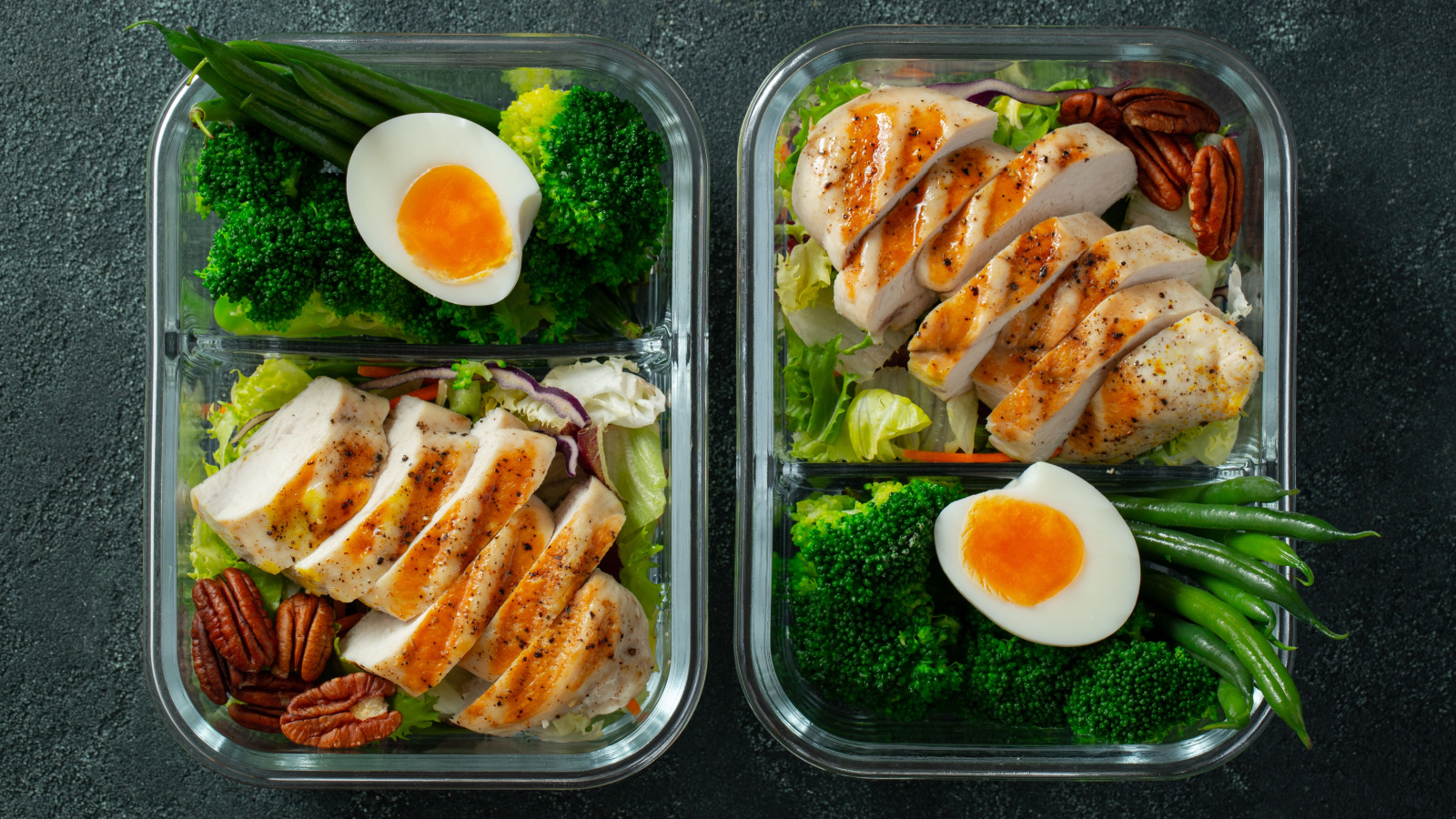
1. Whole Eggs
Often cited as the "gold standard" for protein quality, eggs contain a complete amino acid profile. The yolk provides essential fats and choline, supporting brain health and cellular integrity.
2. Liquid Egg Whites
For those seeking to maximize protein while strictly limiting fat and calories, egg whites are an unparalleled tool. They are highly versatile, serving as a neutral base for shakes or a volume-builder for solid meals.
3. Salmon
Salmon is a dual-purpose powerhouse, providing high-quality protein alongside Omega-3 fatty acids (EPA and DHA). These fats are crucial for reducing systemic inflammation and supporting cardiovascular health.
4. Sardines
Often overlooked, sardines are one of the most nutrient-dense foods available. They offer a similar Omega-3 profile to salmon but with the added benefit of being lower on the food chain, which typically results in lower mercury accumulation.
5. Tuna
Whether fresh or canned, tuna is a staple for lean protein. It is almost entirely devoid of fats and carbohydrates, making it an efficient choice for those on strict macronutrient budgets.
6. Shrimp
Shrimp is notable for its low caloric density. It allows for high-volume consumption, which can be psychologically beneficial during periods of weight loss, providing 20 grams of protein per 100-gram serving with less than 100 calories.
7. Pork Chops
Modern pork production has resulted in much leaner cuts than in previous decades. A center-cut pork chop is comparable to chicken breast in its lean protein content while providing essential B vitamins.

8. Pork Shoulder
While higher in fat than the chop, the shoulder is an excellent source of protein for slow-cooking methods. The presence of connective tissue also provides dietary collagen, which supports joint and skin health.
9. Cured Ham
Ham offers a convenient, ready-to-eat protein source. However, RDs often advise monitoring sodium levels, as curing processes involve significant salt intake.
10. Sirloin Steak
Sirloin is a "lean" red meat, offering a high concentration of heme iron and zinc—minerals that are often under-consumed in plant-heavy diets.
11. Strip Steak
Interchangeable with sirloin in many nutritional contexts, the strip steak provides a slightly different texture and flavor profile while maintaining a favorable protein-to-fat ratio.
12. Ribeye Steak
For those on ketogenic or higher-fat versions of a low-carb diet, the ribeye is the premier choice. The intramuscular marbling provides sustained energy and fat-soluble vitamins.
13. Lean Ground Beef (95/5)
Ground beef is a versatile kitchen staple. Selecting the 95% lean variety ensures that the protein remains the primary macronutrient, making it suitable for burgers, bowls, and sauces.
14. Beef Liver
Regarded as "nature’s multivitamin," beef liver is exceptionally high in Vitamin A, B12, and copper. While its flavor is polarizing, its nutritional density is unmatched by muscle meats.

15. Cottage Cheese
This dairy product is unique due to its high casein content. Casein is a slow-digesting protein, making cottage cheese an ideal evening snack to prevent muscle protein breakdown during sleep.
16. Greek Yogurt
By straining out the liquid whey, Greek yogurt achieves double the protein content of traditional yogurt. It also serves as a source of probiotics, which are essential for gut health.
17. Chicken Breast
The quintessential "clean" protein, chicken breast is virtually free of carbohydrates and very low in fat. Its neutral flavor makes it the perfect canvas for various global cuisines and spice profiles.
18. Chicken Thighs
Thighs are often preferred by chefs for their moisture and flavor. Nutritionally, they provide a moderate fat content that can help with the absorption of fat-soluble vitamins from accompanying vegetables.
19. Whey Protein Powder
As a fast-digesting supplement, whey protein is optimal for post-workout recovery. It rapidly delivers amino acids to muscle tissues when they are most receptive to nutrient uptake.
20. Casein Protein Powder
Complementary to whey, casein powder can be used to create thick, pudding-like textures. Its slow-release nature provides a steady stream of amino acids over several hours, aiding in prolonged satiety.
Expert Analysis: Official Responses and Recommendations
The Academy of Nutrition and Dietetics and the American College of Sports Medicine have historically maintained conservative protein recommendations (0.8g/kg of body weight). However, recent position papers from these organizations have begun to acknowledge that athletes and those in a caloric deficit require significantly more—often double the RDA—to prevent the loss of lean muscle mass.
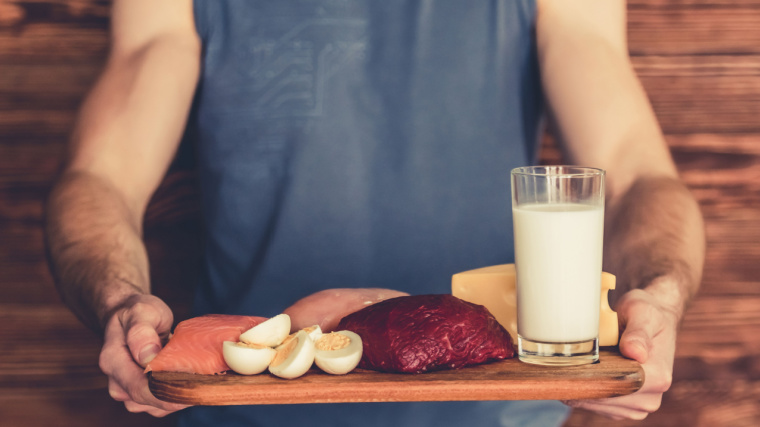
Registered Dietitians emphasize that the "low-carb" component of this diet should not mean "no-carb." The inclusion of fibrous vegetables is necessary to maintain digestive health through fiber and to ensure a broad spectrum of phytonutrients. The consensus among practitioners is that a "high-protein, low-carb" diet is most effective when it focuses on whole, unprocessed foods rather than highly processed "keto" snacks.
Broader Impact and Implications for Public Health
The adoption of a high-protein, low-carb lifestyle has implications that extend into the realm of preventative medicine. Sarcopenia, the age-related loss of muscle mass, is a leading cause of frailty and loss of independence in the elderly. By establishing high-protein dietary habits early in life, individuals can build a "functional reserve" of muscle tissue.
Additionally, this dietary pattern is a potent tool against the growing epidemic of Type 2 Diabetes. By reducing the glycemic load of meals, individuals can minimize insulin spikes, thereby improving insulin sensitivity over time. As healthcare costs associated with metabolic syndrome continue to rise, the promotion of protein-dense, nutrient-rich eating patterns represents a viable strategy for large-scale health improvement.
Practical Application: The 24-Hour Nutritional Blueprint
To visualize the integration of these 20 foods, consider the following structural example for a 200-pound individual. This plan prioritizes protein at every meal to maintain a positive nitrogen balance.
- Morning: A four-egg omelet incorporating two whole eggs and additional liquid egg whites, paired with smoked salmon.
- Mid-Day: Grilled chicken breast served over a bed of dark leafy greens, accented with a side of low-fat cottage cheese.
- Afternoon: A Greek yogurt bowl or a whey protein shake to bridge the gap between lunch and dinner.
- Evening: Sirloin steak or pan-seared shrimp, accompanied by fibrous vegetables like asparagus or broccoli.
- Before Sleep: A small serving of casein protein or Greek yogurt to support overnight recovery.
This methodology ensures that the individual meets their 250-gram protein target while keeping carbohydrates low enough to optimize fat oxidation and metabolic flexibility. By rotating through the 20 foods identified, consumers can maintain dietary adherence through variety, ensuring that their nutritional path is both effective and sustainable.