







The political landscape of the United States is currently defined by a dual-track focus as the nation approaches the 2024 midterm elections while simultaneously witnessing the preliminary maneuvers of the 2028 presidential cycle. Although public attention remains fixed on the immediate legislative and electoral battles of the current year, high-profile figures from across the political spectrum have already begun establishing a presence in Iowa, a state that remains a symbolic and strategic gateway for national office. In recent months, Vice President J.D. Vance and Senator Ted Cruz have made notable appearances on the Republican side, while Governor Andy Beshear of Kentucky and former Secretary of Transportation Pete Buttigieg have represented Democratic interests in the region. These visits, occurring well ahead of the traditional state fair season, signal an early start to the 2028 campaign trail, with a specific focus on the economic and agricultural concerns that dominate the American Midwest.
Central to these early campaign overtures is a growing concern regarding the stability and self-sufficiency of the American agricultural sector. A significant paradox has emerged in states like Iowa, where the vast majority of the land is dedicated to farming, yet the local population relies heavily on external sources for its food supply. This domestic localized issue reflects a broader national trend: the United States is currently experiencing a record-breaking agricultural trade deficit. In 2025, the U.S. food and agricultural trade deficit reached an unprecedented $49.5 billion, marking the largest gap in the nation’s history. This shift from a traditional surplus to a significant deficit has prompted calls for a "Grow America" initiative, a policy framework aimed at revitalizing domestic production and reducing reliance on international imports for essential food groups such as beef, vegetables, and fruit.
The Intersection of Early Presidential Politics and Agricultural Policy
The early arrival of 2028 contenders in Iowa highlights the enduring importance of the rural vote and the specific policy needs of the Farm Belt. For Republicans like Vice President J.D. Vance and Senator Ted Cruz, these visits serve to solidify their standing with a base that prioritizes trade protectionism and the deregulation of the agricultural industry. Conversely, for Democrats such as Governor Andy Beshear and Pete Buttigieg, the focus often shifts toward infrastructure, rural development, and the integration of sustainable practices within the existing agricultural framework.
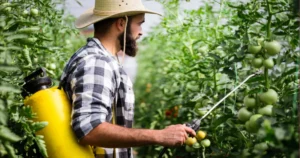
Despite changes to the Democratic primary calendar that have de-emphasized Iowa’s traditional role as the first-in-the-nation caucus, the state remains a critical proving ground for any candidate seeking to demonstrate a broad, cross-regional appeal. The presence of these four figures suggests that the "Grow America" sentiment is becoming a bipartisan talking point. Political analysts suggest that as the trade deficit widens, candidates will be forced to present more concrete plans regarding how they intend to balance global trade obligations with the need to protect domestic farmers from fluctuating international market prices and rising import volumes.
A Statistical Paradox: The State of Iowas Food Security
Iowa is frequently cited as the epicenter of American agriculture, with approximately 85% of its land—roughly 30 million acres—dedicated to farming. The state leads the nation in the production of corn, hogs, and eggs. However, data from Iowa State University and various agricultural outreach programs indicate a startling contradiction: despite this immense productive capacity, approximately 90% of the food consumed by Iowans is shipped in from outside the state.
This disparity is largely due to the monocultural nature of industrial farming in the Midwest. The vast majority of Iowa’s agricultural output is dedicated to commodity crops like corn and soybeans, which are primarily used for livestock feed, ethanol production, and industrial processing rather than direct human consumption. As a result, the fresh produce, beef, and dairy products that populate Iowa’s grocery stores are often sourced from states like California and Florida, or imported from countries such as Mexico, Canada, and Brazil. This structural reality has made the state—and the nation—vulnerable to global supply chain disruptions and trade imbalances.
Analyzing the Record-Breaking $49.5 Billion Trade Deficit
The 2025 agricultural trade deficit of $49.5 billion represents a watershed moment for the U.S. economy. Historically, the United States has been a net exporter of agricultural products, leveraging its vast arable land and advanced farming technology to feed much of the world. However, the last decade has seen a steady erosion of this surplus, culminating in the current record-high deficit.
Several factors have contributed to this $49.5 billion gap:
- Increased Import Volume of High-Value Products: While the U.S. continues to export bulk commodities, it is increasingly importing high-value products. Consumers have shown a growing preference for year-round access to fresh fruits and vegetables, many of which cannot be grown domestically during the winter months.
- Rising Beef Imports: Traditionally a powerhouse in cattle production, the U.S. has seen a surge in beef imports to meet domestic demand, particularly as domestic herd sizes have fluctuated due to drought conditions in the Southwest and rising feed costs.
- Currency Fluctuations: A strong U.S. dollar has made American exports more expensive for foreign buyers while making imports cheaper for American consumers, further incentivizing the purchase of foreign-grown food.
- Labor and Production Costs: Higher labor costs and stricter environmental regulations in the U.S. compared to developing nations have led to a competitive disadvantage for certain labor-intensive crops, such as berries and leafy greens.
Timeline: The Erosion of the American Agricultural Surplus
The transition from a robust agricultural trade surplus to a multi-billion-dollar deficit did not happen overnight. A chronological look at the last two decades reveals a steady shift in the global trade balance:
- 2000–2010: The U.S. consistently maintained a strong agricultural trade surplus, often exceeding $20 billion annually. Exports were driven by the rapid industrialization of China and increased demand for American grains.
- 2011–2018: The surplus began to narrow as global competition increased. Countries like Brazil and Argentina expanded their soybean and corn production, challenging U.S. dominance in the global market.
- 2019–2022: Trade tensions and the COVID-19 pandemic disrupted traditional export routes. While prices for commodities spiked, the cost of inputs (fertilizer, fuel) also rose, squeezing domestic margins.
- 2023–2024: For the first time in modern history, the U.S. began to see monthly trade deficits in the agricultural sector. The gap widened as imports of fresh produce and processed foods outpaced the value of grain exports.
- 2025: The deficit hits an all-time high of $49.5 billion, sparking a national debate on food security and the future of the American farm.
Official Responses and Economic Implications
The record deficit has drawn reactions from industry stakeholders and government officials. The U.S. Department of Agriculture (USDA) has noted that while the value of imports is rising, it is also a reflection of a strong domestic economy where consumers have the purchasing power to demand a diverse range of food products. However, farm advocacy groups, such as the American Farm Bureau Federation, have expressed concern that the deficit undermines the long-term viability of domestic family farms.
Economists warn that a persistent trade deficit in food could have long-term implications for national security. If the U.S. becomes overly reliant on foreign nations for basic caloric needs, it loses leverage in international negotiations and becomes susceptible to geopolitical instability. Furthermore, the "Grow America" sentiment echoed by residents in farm country suggests that there is a growing desire for policies that incentivize "specialty crop" production—such as fruits and vegetables—to be grown closer to home, rather than focusing solely on global commodities.
The Path Toward 2028: The "Grow America" Mandate
As J.D. Vance, Ted Cruz, Andy Beshear, and Pete Buttigieg continue their rounds through Iowa and other key agricultural states, the "Grow America" message is expected to become a central pillar of their respective platforms. For the 2028 hopefuls, the challenge will be to propose solutions that address the $49.5 billion deficit without triggering trade wars that could harm the very farmers they seek to protect.
Proposed policy solutions likely to be discussed on the campaign trail include:
- Investment in Controlled Environment Agriculture (CEA): Utilizing vertical farming and greenhouses to produce vegetables domestically year-round, reducing the need for imports from Mexico and Central America.
- Reform of the Farm Bill: Shifting a portion of federal subsidies from major commodities toward small and mid-sized farms that produce food for local and regional markets.
- Infrastructure Improvements: Enhancing the "cold chain" logistics and rural processing facilities to ensure that American-grown produce and meat can reach domestic consumers more efficiently.
- Trade Agreement Renegotiations: Ensuring that trade deals include provisions that protect American farmers from "dumping" practices by foreign competitors.
Conclusion: A Critical Juncture for the Heartland
The early start to the 2028 presidential cycle in Iowa is more than just political theater; it is a response to a burgeoning economic crisis in the heart of the country. The fact that a state with 85% of its land dedicated to farming must import 90% of its food is a stark illustration of the inefficiencies in the current global food system. As the national agricultural trade deficit reaches nearly $50 billion, the pressure on future leaders to "Grow America" will only intensify.
For the residents of Iowa and similar agricultural hubs, the visits from high-ranking officials represent an opportunity to demand a strategy that prioritizes domestic food security and economic resilience. Whether the 2028 candidates can translate their early visits into actionable policies remains to be seen, but the data suggests that the status quo is increasingly unsustainable. The road to the White House once again runs through the cornfields of the Midwest, but this time, the conversation is as much about the grocery store shelf as it is about the ballot box.