








The pursuit of effective weight management, particularly targeting abdominal fat, frequently emphasizes dietary modifications as a cornerstone strategy. For many, this has traditionally meant restricting certain food groups, often including dairy products like cheese due to perceived high-fat content. However, emerging nutritional science and expert guidance are challenging these long-held beliefs, suggesting that specific protein-rich cheeses can, in fact, be a valuable ally in a weight loss journey. This shift in perspective underscores the importance of a nuanced understanding of macronutrients and their role in satiety and metabolic health.
Tara Collingwood, MS, RDN, CSSD, LD/N, ACSM-CPT, a Board Certified Sports Dietitian and co-author of the Flat Belly Cookbook for Dummies, provides crucial insight into this topic. "No single food causes belly fat loss. However, higher-protein cheeses that are easy to portion can support fullness and muscle maintenance, both of which are important for overall fat loss," Collingwood explains. This statement highlights a fundamental principle of sustainable weight loss: it’s not about eliminating entire food categories but rather making informed choices within them, prioritizing nutrient density and satiety. The emphasis on protein is particularly relevant, as it is widely recognized for its role in promoting satiety, preserving lean muscle mass during caloric restriction, and boosting metabolism through the thermic effect of food.

The Foundational Role of Diet in Weight Management
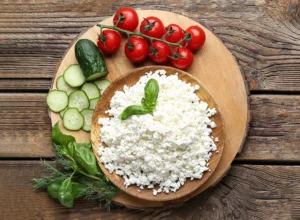
Achieving a healthy body composition, including the reduction of abdominal fat, is fundamentally linked to creating a consistent caloric deficit – consuming fewer calories than the body expends. While this energy balance is paramount, the composition of those calories plays an equally critical role in long-term success, adherence, and overall health. Macronutrients—proteins, carbohydrates, and fats—each contribute differently to satiety, energy levels, and metabolic processes.
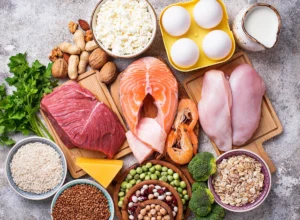
Protein, in particular, stands out for its unique benefits in weight management. It has the highest thermic effect of food (TEF), meaning the body expends more energy digesting and metabolizing protein compared to carbohydrates or fats. More importantly, protein is a powerful driver of satiety. Studies consistently show that higher protein intake leads to increased feelings of fullness and reduced appetite, which can naturally lead to a lower overall calorie intake without conscious effort. Furthermore, adequate protein intake is crucial for preserving muscle mass, especially during periods of weight loss. Muscle tissue is metabolically active, meaning it burns more calories at rest than fat tissue. Protecting this muscle mass helps maintain a higher basal metabolic rate, making it easier to sustain weight loss and prevent rebound weight gain. Abdominal fat, specifically visceral fat, is linked to numerous health risks, making its reduction a key health objective beyond aesthetics. A diet rich in protein, combined with regular physical activity, supports both overall fat loss and targeted reduction of visceral fat.
Dairy and Protein: A Nutritional Powerhouse
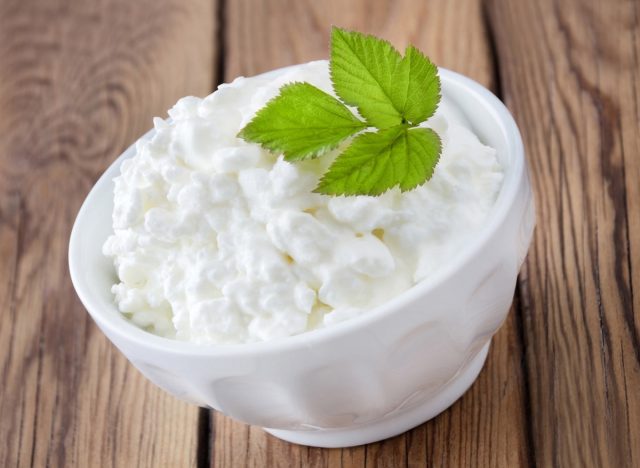
For years, cheese was often demonized in weight loss circles due to its fat and calorie content. However, this perspective overlooks the significant nutritional contributions of many cheese varieties, particularly their protein and calcium content. Dairy products, including cheese, are excellent sources of high-quality protein, which contains all nine essential amino acids necessary for bodily functions, muscle repair, and growth. Beyond protein, cheese also provides essential micronutrients such as calcium, vital for bone health, and often vitamin B12 and phosphorus.
The key to incorporating cheese into a weight-loss diet lies in strategic selection and portion control. Not all cheeses are created equal in terms of their macronutrient profile. Focusing on varieties that offer a higher protein-to-calorie ratio, along with mindful portioning, allows individuals to enjoy the flavor and nutritional benefits of cheese without derailing their dietary goals. The goal is to leverage cheese’s inherent ability to contribute to satiety and nutrient intake, making a calorie-controlled plan more sustainable and enjoyable.
Expert-Recommended Cheeses for Fat Loss
Based on expert advice from dietitians like Tara Collingwood, here are seven protein-rich cheeses that can be effectively integrated into a diet aimed at supporting fullness and muscle maintenance, crucial factors for overall fat loss:
-
Cottage Cheese:
Cottage cheese consistently ranks as one of the top protein-rich dairy products. A typical half-cup serving of low-fat cottage cheese can provide around 12-14 grams of protein, often with less than 3 grams of fat and under 100 calories. Its protein content is predominantly casein, a slow-digesting protein that provides a sustained release of amino acids, contributing to prolonged feelings of fullness. This makes it an excellent choice for snacks or as a component of meals to stave off hunger.
Collingwood emphasizes its role in muscle maintenance, stating, "Maintaining muscle is important for metabolism, especially when you’re trying to lose abdominal fat. Low-fat or full-fat can work depending on portions and preferences." The versatility of cottage cheese is another advantage; it can be enjoyed savory with herbs, vegetables, or pepper, or sweet with fruit and a drizzle of honey, fitting seamlessly into various dietary preferences. Its soft texture also makes it easy to incorporate into smoothies or as a creamy base for dips.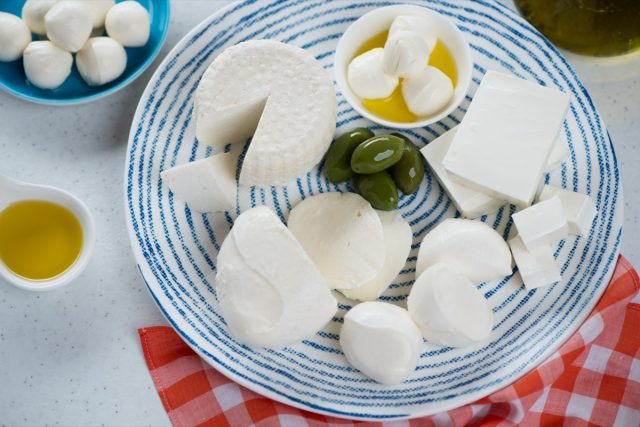
-
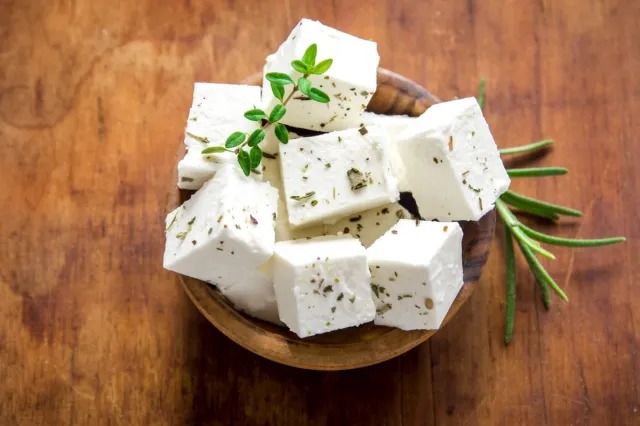
Greek-Style Feta:
Feta, particularly Greek-style feta, offers a strong, distinctive flavor profile that allows for smaller portions to deliver significant taste satisfaction. A standard 1-ounce (28g) serving of feta cheese contains approximately 4 grams of protein and around 60-75 calories, along with a moderate amount of fat. Its robust flavor is key to its utility in weight management. As Collingwood notes, "Feta has a strong flavor, so a little goes a long way. That makes it easier to control portions while still adding satisfaction to meals. Great crumbled over salads or roasted vegetables." This characteristic helps prevent overconsumption while still enhancing the palatability of meals. Feta is a staple in Mediterranean diets, often associated with healthy eating patterns and longevity, and its inclusion can elevate simple dishes like salads, roasted vegetables, or whole-grain bowls. However, its sodium content warrants moderation for individuals monitoring their salt intake. -
Part-Skim Mozzarella:
Part-skim mozzarella is a highly popular choice for those seeking a lighter cheese option without sacrificing flavor or texture. It is considerably lower in fat and calories than its full-fat counterpart while still offering a good source of protein and calcium. An ounce of part-skim mozzarella typically provides about 7-8 grams of protein and around 70-85 calories. Its mild flavor and excellent melting properties make it incredibly versatile.
Collingwood highlights its benefits: "Mozzarella is relatively low in calories and provides protein and calcium, nutrients that support body composition when included in a balanced diet. String cheese portions make this especially easy to manage." The availability of pre-portioned string cheese makes it an ideal, convenient snack that helps with controlled intake, preventing the unconscious overeating that can occur with larger blocks of cheese. It’s perfect for pizzas, sandwiches, or simply eaten on its own. -
Parmesan:
Hard cheeses like Parmesan are celebrated for their intense, savory (umami) flavor and dense nutritional profile. A tablespoon of grated Parmesan (approximately 5 grams) contains about 2-3 grams of protein and only 20-25 calories. While individual servings are small, their concentrated flavor impact is significant. "Hard cheeses like Parmesan are flavorful and protein-dense, meaning you can use small amounts and still feel satisfied. A tablespoon or two adds big flavor without many calories," explains Collingwood.
This principle of "flavor density" is a powerful tool in dietary management. By adding a small amount of Parmesan, dishes gain a rich, complex taste, enhancing satisfaction without adding excessive calories or fat. It’s an ideal garnish for pasta dishes, salads, soups, and roasted vegetables, providing a luxurious feel that can make a meal feel more indulgent than it is. Like feta, individuals mindful of sodium should use Parmesan in moderation.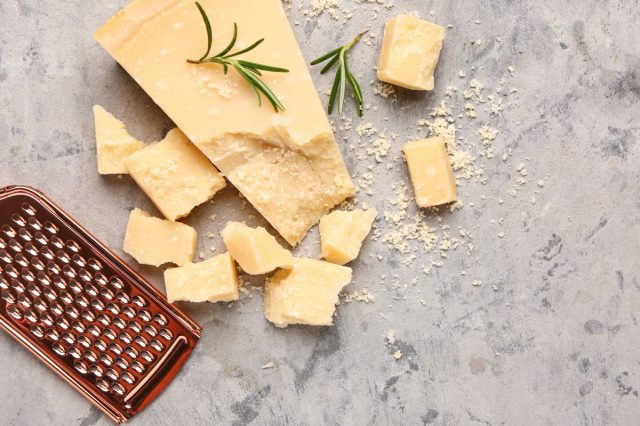
-
Swiss Cheese:
Swiss cheese, characterized by its distinctive holes and nutty flavor, is another solid option for weight loss. It provides a good source of protein, typically around 7-8 grams per 1-ounce slice, with approximately 100-110 calories. One notable advantage of Swiss cheese is its relatively lower sodium content compared to many other cheese varieties, which can be beneficial for individuals concerned about bloating or water retention.
Collingwood points out this specific benefit: "Swiss cheese offers protein with less sodium than many other cheeses, which can be helpful for people watching their bloating or water retention. Pairs well with whole-grain bread or fruit." Its mild, slightly sweet flavor makes it a versatile addition to sandwiches, wraps, or as a pairing with fruits like apples and pears, providing a balanced snack that combines protein, fiber, and natural sugars. -
Part-Skim Ricotta:
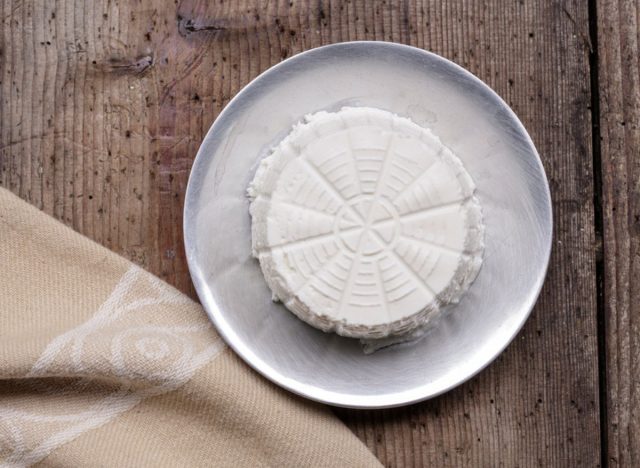
Part-skim ricotta is a fresh, soft cheese that is both protein-rich and highly versatile. A half-cup serving of part-skim ricotta offers around 14 grams of protein and roughly 170 calories, along with a significant amount of calcium. Its creamy texture and mild flavor make it adaptable to both sweet and savory preparations, which can greatly aid in maintaining adherence to a calorie-controlled plan by preventing dietary monotony.
Collingwood is a strong advocate for ricotta, noting it "provides protein and calcium and works well in both sweet and savory dishes, making it easier to stick with a calorie-controlled plan. Try it with berries or herbs and vegetables." For a sweet treat, ricotta can be paired with fresh berries, a sprinkle of cinnamon, or a tiny bit of honey. Savory applications include adding it to scrambled eggs, spreading it on toast with herbs, or incorporating it into light pasta dishes or lasagna. -
Goat Cheese (Chèvre):
Goat cheese, or chèvre, offers a unique tangy and earthy flavor profile that can be highly satisfying in small quantities. A 1-ounce serving typically provides about 6-7 grams of protein and around 75-85 calories, along with a moderate amount of fat. Its rich, concentrated flavor allows for effective portion control, similar to feta and Parmesan.
Collingwood explains, "Goat cheese is rich and tangy, which helps with portion control, and some people find it easier to digest than cow’s milk cheeses. A little adds creaminess to salads and bowls." The digestibility aspect is a significant benefit for individuals with mild lactose sensitivities, as goat’s milk generally contains less lactose than cow’s milk. Its creamy texture makes it excellent for crumbling over salads, spreading on whole-grain crackers, or incorporating into vegetable dishes, adding a gourmet touch without excessive calories.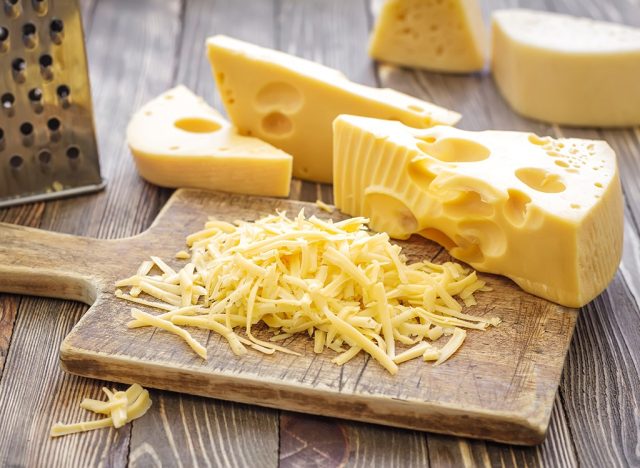
Broader Dietary Considerations and Practical Applications
While the strategic inclusion of these protein-rich cheeses can certainly support weight management efforts, it is crucial to remember that they are components of a larger dietary picture. No single food or food group holds the sole key to fat loss. A truly effective and sustainable approach integrates these smart cheese choices within a balanced, whole-foods-based diet.
Beyond Cheese: A Holistic Approach to Fat Loss
A holistic approach to fat loss emphasizes:
- Whole Foods: Prioritizing fruits, vegetables, lean proteins (beyond dairy), whole grains, and healthy fats. These foods provide essential vitamins, minerals, and fiber, contributing to overall health and sustained satiety.
- Hydration: Adequate water intake is vital for metabolism, satiety, and overall bodily functions.
- Physical Activity: Regular exercise, combining cardiovascular activity with strength training, complements dietary efforts by increasing calorie expenditure, building muscle mass, and improving metabolic health.
- Mindful Eating: Paying attention to hunger and fullness cues, eating slowly, and savoring meals can prevent overeating and enhance satisfaction.
- Adequate Sleep and Stress Management: These factors significantly influence hormone regulation, appetite, and the body’s ability to lose fat.
Navigating the Dairy Aisle: Tips for Smart Choices
When selecting cheeses, consumers are encouraged to:
- Read Nutrition Labels: Compare protein, fat, calorie, and sodium content across different brands and types. Look for "part-skim" or "reduced-fat" options when appropriate, understanding that full-fat versions can still be incorporated in smaller, controlled portions.
- Understand "Part-Skim" vs. "Full-Fat": Part-skim cheeses have had some of their fat removed, resulting in fewer calories and typically a higher protein percentage by weight. Full-fat cheeses offer different textures and flavors and can be enjoyed in moderation.
- Sodium Content Awareness: Many cheeses, especially hard and aged varieties, can be high in sodium. For individuals with hypertension or those prone to water retention, opting for lower-sodium varieties like Swiss cheese or being mindful of portion sizes is important.
- Consider Quality: While not directly impacting weight loss, opting for high-quality, minimally processed cheeses can offer superior flavor and nutrient profiles.
Individual Variation and Professional Guidance
It is paramount to acknowledge that dietary needs and preferences are highly individual. Factors such as allergies (e.g., dairy allergy), intolerances (e.g., lactose intolerance, though some cheeses are naturally low in lactose), existing health conditions, and personal taste play a significant role in determining the best dietary strategy. The advice presented here is general and informative. For personalized dietary guidance, especially when embarking on a significant weight loss journey or managing specific health concerns, consulting a registered dietitian or other qualified healthcare professional is always recommended. They can provide tailored advice that considers individual health status, lifestyle, and goals, ensuring a safe, effective, and sustainable approach to weight management.
In conclusion, the notion that cheese must be entirely banished from a weight-loss diet is outdated. By understanding the science of satiety, muscle maintenance, and the distinct nutritional profiles of various cheeses, individuals can strategically incorporate protein-rich varieties like cottage cheese, feta, part-skim mozzarella, Parmesan, Swiss, part-skim ricotta, and goat cheese. These choices not only contribute valuable protein and nutrients but also enhance meal satisfaction, making the journey toward a healthier body composition more enjoyable and achievable within a balanced, holistic dietary framework.