








The conventional wisdom often casts snacking in a negative light, particularly when the goal is weight management. Many individuals associate between-meal eating with superfluous calorie intake, a habit perceived to derail efforts to shed pounds. However, a more nuanced understanding of nutrition, especially for the aging demographic, reveals that strategic snacking can be a powerful tool. Far from being an indulgence, purposeful snacking can significantly boost protein intake, provide essential nutrients, and effectively curb cravings, all while supporting overall metabolic health. As individuals progress past their sixthieth year, physiological changes necessitate a more considered approach to diet, making the selection of nutrient-dense snacks paramount for maintaining vitality, muscle mass, and a healthy body composition.
To navigate the complexities of nutrition in later life, expert guidance is invaluable. Tara Collingwood, MS, RDN, CSSD, LD/N, ACSM-CPT, a Board Certified Sports Dietitian and co-author of the Flat Belly Cookbook for Dummies, emphasizes the transformative potential of well-chosen snacks. Whether one’s palate leans towards sweet or savory, Collingwood offers practical, evidence-based recommendations designed to sustain energy levels between meals and contribute to a healthier physique. These carefully selected daily snacks are not just about satiation; they are formulated to bolster muscle preservation, optimize metabolism, and support the reduction of visceral fat, often referred to as "belly pooch," within the broader context of a balanced diet and healthy lifestyle. The emphasis is on nutrient density and satiety, critical factors for managing weight and promoting well-being in the post-60 age group.
The Evolving Landscape of Nutrition After 60: Why Strategic Snacking Matters
Aging introduces a series of physiological shifts that directly impact nutritional requirements and metabolic function. After the age of 60, individuals often experience a gradual decline in basal metabolic rate (BMR), meaning the body burns fewer calories at rest. This, coupled with potential reductions in physical activity, can lead to unintentional weight gain, particularly an increase in visceral fat, which surrounds abdominal organs and poses greater health risks than subcutaneous fat. Furthermore, sarcopenia, the age-related loss of muscle mass and strength, becomes a significant concern. Muscle tissue is metabolically active, burning more calories than fat tissue, so its preservation is crucial for maintaining a healthy metabolism and functional independence.

Beyond metabolism and muscle, older adults may also face challenges with nutrient absorption, appetite regulation, and chronic conditions like diabetes or cardiovascular disease. Strategic snacking addresses these issues by providing opportunities to:
- Increase Protein Intake: Essential for combating sarcopenia and supporting muscle protein synthesis throughout the day.
- Boost Fiber Consumption: Promotes satiety, aids digestion, helps regulate blood sugar, and supports cardiovascular health.
- Deliver Micronutrients: Ensures adequate intake of vitamins and minerals that might be missed in larger meals or due to reduced appetite.
- Stabilize Blood Sugar: Prevents energy crashes and intense cravings that can lead to less healthy food choices.
- Manage Portion Sizes: Smaller, more frequent meals or snacks can be easier to digest and manage for some individuals.
The integration of nutrient-rich snacks into daily eating patterns can therefore act as a proactive strategy for healthy aging, providing sustained energy, improving body composition, and supporting overall health without requiring drastic dietary overhauls or strenuous exercise regimens (though physical activity remains highly beneficial and synergistic).
1. Greek Yogurt with Berries: A Powerhouse of Protein and Antioxidants
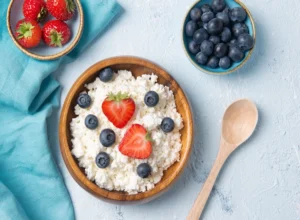
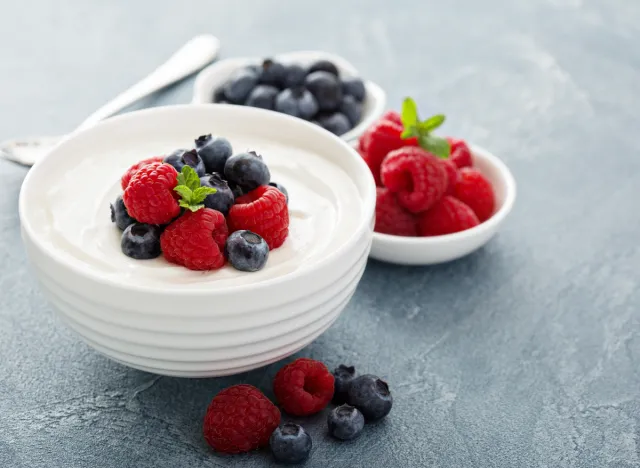
Tara Collingwood highlights Greek yogurt with berries as a top recommendation, emphasizing its significant protein content. "Protein becomes especially important as we age to help preserve muscle, and Greek yogurt delivers a solid protein boost in a small, easy-to-eat snack. Adding berries adds fiber, which helps keep hunger at bay longer. This combo supports muscle health, digestion, and steady energy," she explains.
- Protein Profile: Greek yogurt is renowned for its high protein concentration, often containing double the protein of regular yogurt. This protein is a blend of whey and casein. Whey protein is fast-acting, providing a quick surge of amino acids for muscle repair and synthesis, while casein is slow-digesting, offering a sustained release of amino acids that can help prevent muscle breakdown over several hours. This dual-action protein profile is exceptionally beneficial for older adults seeking to counteract sarcopenia and maintain lean muscle mass. A standard 6-ounce serving of plain, non-fat Greek yogurt can provide 15-20 grams of protein, a substantial contribution towards daily requirements.
- Probiotic Benefits: Beyond protein, Greek yogurt is a rich source of probiotics, beneficial bacteria that support gut health. A healthy gut microbiome is linked to improved digestion, enhanced nutrient absorption, and a stronger immune system, all of which are crucial for aging individuals.
- Fiber and Antioxidants from Berries: Pairing Greek yogurt with berries (such as blueberries, raspberries, or strawberries) elevates the snack’s nutritional value significantly. Berries are packed with dietary fiber, which promotes digestive regularity and contributes to satiety, helping to manage appetite and prevent overeating. Furthermore, berries are among the richest sources of antioxidants, including anthocyanins and ellagic acid, which combat oxidative stress and inflammation—factors implicated in various age-related diseases, including cognitive decline and cardiovascular issues.
- Blood Sugar Regulation: The combination of protein and fiber in this snack helps to slow down the absorption of sugars, leading to a more gradual rise in blood glucose levels. This stability is particularly advantageous for managing energy levels and preventing the "crashes" that can occur after consuming high-sugar, low-protein snacks, and is vital for individuals managing or at risk of type 2 diabetes.
- Micronutrient Boost: Greek yogurt also provides calcium and vitamin D (if fortified), essential for bone health, which is a critical concern for older adults susceptible to osteoporosis. Berries contribute vitamin C, manganese, and other vital micronutrients.
To maximize benefits, opt for plain, unsweetened Greek yogurt to avoid added sugars, and sweeten naturally with fresh or frozen berries. A small sprinkle of chia seeds or a few chopped nuts can further enhance fiber, healthy fats, and crunch.
2. Harvest Snaps with Hummus or Cottage Cheese: The Savory, Satiating Crunch
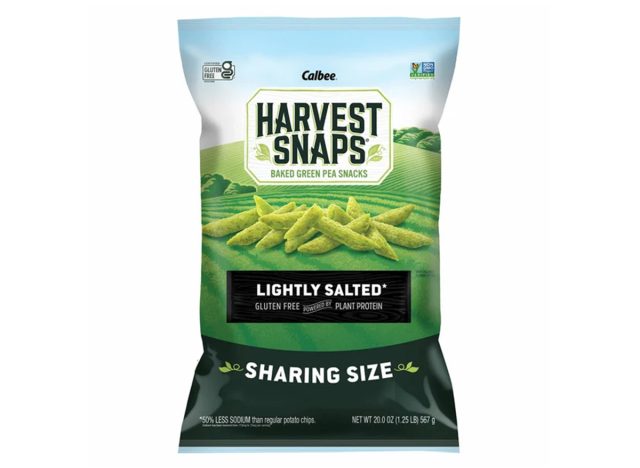
For those who crave a savory, crunchy snack, Collingwood suggests Harvest Snaps paired with hummus or cottage cheese. "Harvest Snaps Lightly Salted are made from real veggies, so they naturally provide 4g of fiber and 5g of satiating, whole food-sourced protein. Pairing them with hummus or cottage cheese adds even more protein. The crunch satisfies cravings, while protein and fiber work together to promote fullness," she states.
- Plant-Based Power of Harvest Snaps: Harvest Snaps, typically made from green peas or lentils, offer a notable nutritional advantage over traditional potato chips. Their primary ingredient ensures a natural source of both dietary fiber and plant-based protein. The 4g of fiber aids in digestion and prolongs feelings of fullness, while the 5g of protein contributes to muscle maintenance and repair. Their inherent crunch provides sensory satisfaction, which is important for adhering to healthy eating patterns. Choosing "Lightly Salted" varieties helps manage sodium intake, a common concern for older adults.
- Hummus: Healthy Fats and Legume-Based Protein: Hummus, a dip made from chickpeas, tahini (sesame paste), lemon juice, and olive oil, is a powerhouse of nutrition. Chickpeas provide additional plant-based protein and soluble fiber, which can help lower cholesterol and stabilize blood sugar. Tahini contributes healthy monounsaturated and polyunsaturated fats, along with essential minerals like calcium, magnesium, and iron. Olive oil adds heart-healthy monounsaturated fats and antioxidants. The combination of protein, fiber, and healthy fats in hummus creates a highly satiating snack that keeps hunger at bay for extended periods.
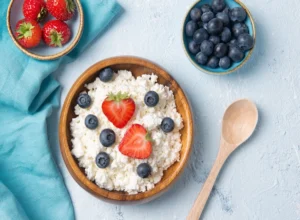
- Cottage Cheese: A Calcium and Casein Rich Option: As an alternative or in addition to hummus, cottage cheese offers a different nutritional profile. It is an excellent source of casein protein, a slow-digesting protein that provides a steady supply of amino acids, making it ideal for muscle recovery and preservation, particularly overnight or between widely spaced meals. Cottage cheese is also rich in calcium, crucial for bone density and preventing osteoporosis, a prevalent issue among older adults. Its mild flavor and creamy texture make it a versatile pairing for crunchy vegetable-based snacks.
- Synergistic Satiety: The combination of fiber from Harvest Snaps and the substantial protein from either hummus or cottage cheese creates a potent satiety effect. This helps in managing overall calorie intake by reducing the likelihood of overeating at subsequent meals or succumbing to unhealthy cravings. This savory option caters to those who might find sweet snacks less appealing but still seek a nutritious, satisfying bite.
When selecting Harvest Snaps, check for minimal added ingredients. For hummus, look for brands with healthy fats and low sodium, or consider making it fresh at home. Choose low-fat or non-fat cottage cheese options to manage saturated fat intake while still benefiting from the protein and calcium.
3. Apple Slices with Peanut or Almond Butter: The Classic, Balanced Snack
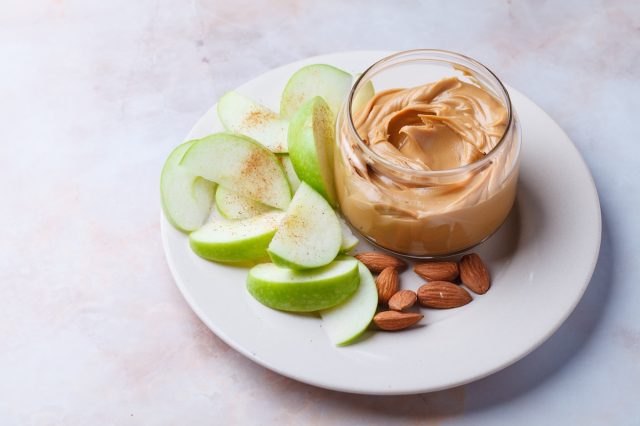
A timeless and highly effective snack, apple slices with peanut or almond butter, receives high praise from Collingwood. "Fiber from fruit plus protein and fat from nut butter is a classic combination that works especially well after 50, when blood sugar stability and satiety really matter," she explains. "This snack is portable, satisfying, and easy to adjust for appetite."
- The Power of the Apple: Apples are an excellent source of dietary fiber, both soluble and insoluble. Insoluble fiber adds bulk to stool, promoting digestive regularity, while soluble fiber forms a gel-like substance in the digestive tract, which helps to lower blood cholesterol and regulate blood glucose levels. The natural sugars in apples are accompanied by fiber, preventing rapid spikes in blood sugar. Apples also provide various vitamins and antioxidants, contributing to overall cellular health and disease prevention.
- Nut Butters: Healthy Fats, Protein, and Micronutrients: Peanut butter and almond butter are rich sources of healthy monounsaturated and polyunsaturated fats, which are beneficial for heart health and can contribute significantly to satiety. These fats help slow digestion, leading to a sustained release of energy and prolonged feelings of fullness. Both types of nut butter also offer a good amount of plant-based protein, contributing to muscle maintenance. Beyond macronutrients, they provide essential micronutrients such as vitamin E (a powerful antioxidant), magnesium (important for muscle and nerve function, blood sugar control, and blood pressure regulation), and B vitamins.
- Blood Sugar Stability and Satiety: The strategic pairing of fiber-rich apples with protein and healthy fats from nut butter is a cornerstone of blood sugar management. This combination prevents the rapid digestion and absorption of sugars, leading to a more stable blood glucose response. For individuals over 60, who may have reduced glucose tolerance or be at risk for type 2 diabetes, this stability is paramount for energy levels and long-term health. The synergistic effect of fiber, protein, and fat also maximizes satiety, making this snack highly effective at preventing hunger pangs between meals.
- Portability and Customization: This snack is incredibly convenient and portable, making it an ideal choice for busy schedules or when on the go. It’s also easily customizable; the amount of nut butter can be adjusted based on caloric needs and appetite. For additional flavor and nutrient boost, a sprinkle of cinnamon on the apple slices can add anti-inflammatory benefits, or a few whole nuts can increase crunch and healthy fats.
When selecting nut butters, opt for natural varieties with minimal added sugar, salt, and oils. The ingredient list should ideally contain only nuts (and perhaps a touch of salt). Portion control is key with nut butters due to their calorie density; a tablespoon or two is typically sufficient.
4. Smoothie with Protein and Fiber: A Versatile Nutritional Boost
Collingwood emphasizes the versatility and nutritional density of a smoothie packed with protein and fiber. "A small smoothie with protein powder, berries, and chia or flax offers both protein and fiber in a convenient form. You can customize the type of protein you prefer and drink it at your desk or on the go," she advises.
- Customizable Protein Source: The cornerstone of a healthy smoothie for older adults is a high-quality protein powder. Options abound, catering to various dietary preferences and needs:
- Whey Protein: Derived from milk, it’s a complete protein rich in branched-chain amino acids (BCAAs), rapidly absorbed and highly effective for muscle protein synthesis.
- Casein Protein: Also milk-derived, but digested slowly, providing a sustained release of amino acids.
- Soy Protein: A complete plant-based protein, suitable for vegetarians and vegans.
- Pea Protein: Another excellent plant-based option, easily digestible and rich in amino acids.
- Collagen Peptides: While not a complete protein for muscle building, collagen supports joint health, skin elasticity, and gut health, which are often concerns for older adults.
The ability to choose a preferred protein source allows for personalization based on dietary restrictions, allergies, or specific health goals.
- Fiber from Fruits and Seeds: Berries are again a prime choice for smoothies, contributing essential fiber and a wealth of antioxidants. Spinach or kale can be added for an undetectable boost of vitamins, minerals, and additional fiber without significantly altering the taste. Chia seeds and flax seeds are small but mighty additions, providing both soluble and insoluble fiber, which aids digestion, promotes satiety, and helps regulate blood sugar. Furthermore, chia and flax seeds are excellent sources of omega-3 fatty acids, crucial for brain health, reducing inflammation, and supporting cardiovascular function, all increasingly important with age.
- Micronutrient Density: Smoothies are an ideal vehicle for packing a wide array of vitamins and minerals. Beyond what’s provided by protein powder, berries, and seeds, adding a handful of greens can contribute vitamins A, C, K, folate, and iron. Incorporating a liquid base like unsweetened almond milk, soy milk, or fortified dairy milk can add calcium and vitamin D.
- Convenience and Digestibility: For older adults who may experience appetite fluctuations, difficulty chewing, or digestive issues, a smoothie offers a convenient and easily digestible way to consume a significant amount of nutrients. It can be prepared quickly and consumed on the go, making it a practical choice for busy lifestyles or as a post-workout recovery drink. The liquid form also contributes to hydration, which is often a challenge for older individuals.
To construct an optimal smoothie, start with a liquid base (water, unsweetened plant milk, or low-fat dairy milk), add a scoop of protein powder, a handful of berries (fresh or frozen), a tablespoon of chia or flax seeds, and optionally a handful of spinach. Avoid excessive added sugars by opting for unsweetened ingredients and relying on the natural sweetness of fruit.
Broader Implications and Lifestyle Integration
These snack recommendations are not isolated dietary components but rather integral parts of a holistic approach to healthy aging. The consistent integration of protein and fiber-rich snacks throughout the day can have profound long-term implications for individuals over 60:
- Enhanced Energy Levels: Stable blood sugar and sustained nutrient delivery prevent energy dips, allowing for greater engagement in daily activities and improved quality of life.
- Improved Chronic Disease Management: The emphasis on fiber, healthy fats, and controlled sugar intake directly supports the management and prevention of conditions like type 2 diabetes, heart disease, and hypertension.
- Sustained Muscle Mass and Strength: Adequate protein intake is the bedrock of sarcopenia prevention, which in turn preserves mobility, balance, and independence.
- Better Digestive Health: Fiber-rich snacks contribute to a healthy gut, reducing common issues like constipation and supporting nutrient absorption.
- Weight Management and Body Composition: By promoting satiety and providing essential nutrients, these snacks aid in managing calorie intake and fostering a healthier body composition, characterized by less visceral fat and more lean muscle.
While the original article hints at benefits "without exercise," it is crucial to reiterate that these snacks support health and fat loss, and their efficacy is significantly amplified when combined with regular physical activity. Even moderate activities like walking, gardening, or light resistance training work synergistically with a nutrient-dense diet to maximize muscle preservation, metabolic health, and overall well-being.
In conclusion, snacking, when approached strategically and mindfully, transcends its traditional perception as a dietary impediment. For individuals over the age of 60, it transforms into a vital nutritional strategy for combating age-related physiological changes. By prioritizing protein, fiber, and healthy fats, as exemplified by the expert recommendations from Tara Collingwood, daily snacks become powerful allies in the pursuit of sustained energy, muscle maintenance, metabolic optimization, and a healthier, more vibrant later life. These simple, accessible choices empower older adults to take proactive steps towards improved health and independence, one nutritious bite at a time.