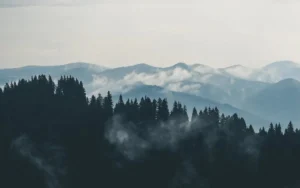










The Norwegian philosophy of friluftsliv, a term translating literally to "open-air living," has transitioned from a regional cultural cornerstone to a globally recognized framework for public health and environmental stewardship. While often simplified as a preference for outdoor activities, friluftsliv represents a comprehensive ethos that prioritizes a deep, non-competitive connection with the natural world. This concept, deeply embedded in the Nordic social fabric, is increasingly being scrutinized by international health organizations and urban planners as a potential antidote to the rising rates of sedentary lifestyles, mental health disorders, and urban disconnection. Unlike extreme sports or high-cost adventure tourism, friluftsliv emphasizes accessibility, simplicity, and the intrinsic value of the environment, suggesting that human well-being is inextricably linked to regular, unhurried interactions with nature.
Historical Evolution and Cultural Foundations
The term friluftsliv was first popularized by the renowned Norwegian playwright and poet Henrik Ibsen in his 1859 poem "Paa Vidderne" (On the Heights). Ibsen used the word to describe the spiritual and physical rejuvenation found in the wilderness, positioning the outdoors as a space for clarity and self-discovery away from the constraints of industrialized society. Throughout the late 19th and early 20th centuries, this concept was further solidified by explorers such as Fridtjof Nansen, who viewed the mastery of the elements and the embrace of the rugged landscape as essential components of the Norwegian national identity.
By the mid-20th century, the philosophy moved from the realm of literature and exploration into the domain of public policy. The 1957 Outdoor Recreation Act (Friluftsloven) was a landmark piece of legislation that codified the "Allemannsretten," or the right to roam. This legal framework ensures that the public has the right to access most uncultivated land in Norway, regardless of ownership, provided they act responsibly and respect the environment. This democratization of nature ensured that friluftsliv remained a practice for the masses rather than a luxury for the elite, establishing the groundwork for a society where outdoor immersion is viewed as a fundamental human right.

Statistical Analysis of Nature-Based Wellness
The impact of friluftsliv on public health is supported by an expanding body of empirical data. According to Statistics Norway (SSB), approximately 90% of the Norwegian population engages in some form of outdoor recreation at least once a year, with over 50% participating on a weekly basis. These figures remain high even during the harsh winter months, illustrating a cultural resilience that prioritizes outdoor time regardless of meteorological conditions.
From a physiological perspective, research conducted by the Norwegian Institute of Public Health suggests that regular engagement in friluftsliv is correlated with significant reductions in cortisol levels, lower blood pressure, and improved cardiovascular health. A 2022 study published in the International Journal of Environmental Research and Public Health highlighted that individuals who spent at least 120 minutes per week in natural settings reported significantly higher levels of health and psychological well-being compared to those who did not.
Furthermore, the economic implications are substantial. In Norway, the "Grønn resept" (Green Prescription) program allows general practitioners to prescribe physical activity and nature-based interventions as part of a treatment plan for chronic conditions like type 2 diabetes and depression. Projections from health economists suggest that if similar nature-based strategies were adopted globally, the reduction in healthcare costs related to lifestyle-induced illnesses could reach billions of dollars annually.
The Chronology of Modern Integration
The integration of friluftsliv into modern global discourse has followed a distinct timeline, particularly over the last two decades:
- 1990s: Institutional Recognition – The Norwegian government began integrating outdoor education into the national school curriculum, ensuring that children were taught basic survival skills and environmental ethics from an early age.
- 2001: The Green Prescription Launch – Norway officially introduced the Green Prescription, formalizing the link between nature and clinical healthcare.
- 2015: The Year of the Outdoors – The Norwegian Ministry of Climate and Environment designated 2015 as "Friluftslivets år" (The Year of Outdoor Recreation) to boost participation across diverse demographic groups, including immigrants and urban youth.
- 2020-2022: Global Pandemic Shift – During the COVID-19 pandemic, the concept of friluftsliv gained international traction as lockdowns forced individuals to seek solace in local green spaces. Global searches for the term increased by over 300% as people sought sustainable ways to manage isolation.
- 2023-Present: Urban Planning Revolution – Major cities, including London, Paris, and New York, have begun citing Nordic outdoor principles in their development of "green corridors" and "biophilic urbanism," aiming to bring the essence of friluftsliv to high-density environments.
Official Perspectives and Expert Analysis
Leading voices in sociology and environmental science emphasize that friluftsliv is more than a recreational trend; it is a vital component of environmental stewardship. Bente Lier, Secretary General of Norsk Friluftsliv—an umbrella organization for over 5,000 outdoor groups—has frequently stated that "friluftsliv is the most important tool we have for teaching people to love nature. And what people love, they will protect." This perspective aligns with the "biophilia hypothesis," which suggests that humans possess an innate tendency to seek connections with nature and other forms of life.
Environmental analysts argue that the philosophy of "low-threshold" outdoor living is essential for sustainable tourism. Unlike the carbon-heavy model of international adventure travel, friluftsliv encourages "near-travel"—exploring the woods, lakes, and parks within one’s immediate vicinity. This shift reduces the ecological footprint of recreation while fostering a sense of place and community.
"The genius of friluftsliv lies in its simplicity," says Dr. Hans Erikson, a specialist in environmental psychology. "It removes the barrier of ‘performance.’ You don’t need expensive equipment or a mountain to climb. You simply need to be present in an open-air environment. This democratization of wellness is what makes it a viable global model."
Broader Implications for Global Urbanization
As the world continues to urbanize, with the United Nations predicting that 68% of the global population will live in urban areas by 2050, the principles of friluftsliv face both challenges and opportunities. The "nature deficit disorder," a term coined by author Richard Louv, describes the psychological and physical costs of alienation from nature. In response, urban planners are increasingly looking toward the Norwegian model to mitigate these effects.
The implementation of friluftsliv-inspired policies has led to several key developments in international urban design:
- The 15-Minute City: Incorporating high-quality green spaces within a 15-minute walk of every resident’s home.
- Forest Schools: The expansion of outdoor-based education models in the UK, Germany, and the United States, mirroring the Norwegian "friluftsbarnehage" (outdoor kindergartens).
- Workplace Wellness: Corporate campuses integrating outdoor meeting spaces and mandatory "walk-and-talk" sessions to boost employee cognitive function and reduce burnout.
Challenges and Future Outlook
Despite its benefits, the global expansion of friluftsliv faces obstacles. Climate change poses a direct threat to the environments that sustain this lifestyle. In Norway, shorter winters and unpredictable weather patterns are altering traditional activities like cross-country skiing. Furthermore, there is an ongoing debate regarding the "commodification of the outdoors." Critics argue that as friluftsliv becomes a global marketing buzzword, there is a risk of it becoming associated with expensive "gorpcore" fashion and high-end gear, which contradicts the philosophy’s original intent of simplicity and accessibility.
However, the core tenets of the movement remain resilient. The Norwegian government continues to invest in infrastructure that supports "hverdagsfriluftsliv" (everyday outdoor living), such as maintained trails and public lighting in parks. The goal is to ensure that the transition from indoor to outdoor space is as seamless as possible.
In conclusion, friluftsliv offers a proven framework for addressing some of the most pressing challenges of the 21st century. By reframing nature not as a resource to be exploited or a backdrop for high-octane sport, but as a fundamental component of the human habitat, this Norwegian concept provides a roadmap for a more balanced, healthy, and environmentally conscious future. As societies worldwide grapple with the complexities of modern life, the simple act of "stepping outside" remains one of the most effective interventions for individual and collective well-being. The enduring legacy of friluftsliv suggests that the path forward may well be found by looking back at our ancestral connection to the open air.