








The pharmaceutical landscape is currently witnessing a paradigm shift as glucagon-like peptide-1 receptor agonists (GLP-1RAs), once specialized tools for glycemic control, emerge as multi-purpose therapeutic agents with the potential to reshape modern medicine. While these medications have been utilized for decades to manage type 2 diabetes and short bowel syndrome, their recent explosion in popularity—driven by their efficacy in treating obesity—has opened new doors into the realms of neurology and addiction medicine. However, as the clinical footprint of these "blockbuster" drugs expands, healthcare providers are simultaneously uncovering rare but life-threatening complications that necessitate a more nuanced, individualized approach to patient care.
The Rapid Ascent of GLP-1RAs in Modern Healthcare
The trajectory of GLP-1RAs from niche diabetic treatments to household names like Ozempic, Wegovy, and Mounjaro represents one of the most significant developments in 21st-century pharmacology. Originally developed to mimic the natural GLP-1 hormone that stimulates insulin secretion, these drugs have proven remarkably effective at inducing satiety and slowing gastric emptying. This dual action has made them the gold standard for medical weight loss.
The scale of adoption is unprecedented. According to a November 2025 KFF Health Track poll, approximately 12% of adults in the United States reported using a GLP-1RA for weight loss, diabetes, or other chronic conditions. The market is poised for even more dramatic growth following the approval of Novo Nordisk’s Wegovy in an oral pill form. Previously, the requirement for weekly injections served as a barrier for many patients. With the transition to a more convenient oral delivery system, a recent Sunlight.com survey suggests that the adoption rate could surge to 40% of the U.S. adult population by 2026. This massive scale-up brings both hope for public health and a pressing need for rigorous clinical oversight.

Bridging the Gap Between Obesity and Addiction
Perhaps the most provocative frontier for GLP-1RAs is their emerging role in treating substance use disorders (SUD) and behavioral addictions. In October 2025, a landmark paper titled "GLP-1 Therapeutics and Their Emerging Role in Alcohol and Substance Use Disorders: An Endocrinology Primer" was published in the Journal of the Endocrine Society (JES). The research, led by Lorenzo Leggio, MD, PhD, Clinical Director of the National Institute on Drug Abuse (NIDA), explores the profound neurobiological overlap between pathological overeating and addiction.
The World Health Organization reported in 2022 that over 890 million adults and 60 million children worldwide were living with obesity. Dr. Leggio’s research posits that obesity often shares phenotypic and neurocircuitry characteristics with addiction. Both conditions involve dysregulation in the brain’s reward system, particularly the dopamine pathways that signal pleasure and reinforcement.
"Clinical research shows that some neuroimaging features observed in people with obesity resemble those seen in people with addiction," Dr. Leggio noted. "Pathways implicated in addiction also contribute to pathological overeating. Evidence from neuroscience, human research, and clinical practice suggests meaningful overlap between obesity and addiction-related mechanisms."
This connection has led researchers to investigate the "gut-brain axis"—the endocrine signaling network that allows the digestive system to communicate with the brain’s executive and reward centers. By targeting GLP-1 receptors in the brain, these medications appear to dampen the "craving" response, not just for food, but for substances like alcohol and nicotine, and even behaviors like gambling and hypersexuality.
Clinical Evidence and the Challenge of Stigma
The evidence for GLP-1RAs as a treatment for Alcohol Use Disorder (AUD) is growing, moving from anecdotal reports to structured research. Preclinical trials involving rodents and non-human primates have consistently shown that GLP-1RAs reduce alcohol intake. In the clinical setting, patients prescribed these drugs for weight loss frequently report a spontaneous loss of interest in drinking or smoking.
However, Dr. Leggio emphasizes that while these observations are promising, they do not yet constitute definitive clinical proof. Large-scale randomized controlled trials (RCTs) are essential to determine the efficacy and safety of using GLP-1RAs specifically for addiction. Furthermore, the integration of these drugs into addiction medicine requires a cultural shift within the healthcare system.
Substance use disorders remain heavily stigmatized, leading many patients to avoid seeking help. The authors of the JES paper argue that addiction should be treated as a chronic medical condition, comparable to hypertension or rheumatoid arthritis, rather than a moral failing. "We need to expand addiction medicine education in medical school and residency training," Dr. Leggio stated. "Reducing stigma is critical if we want current and future medications for substance use disorders to have their full impact."
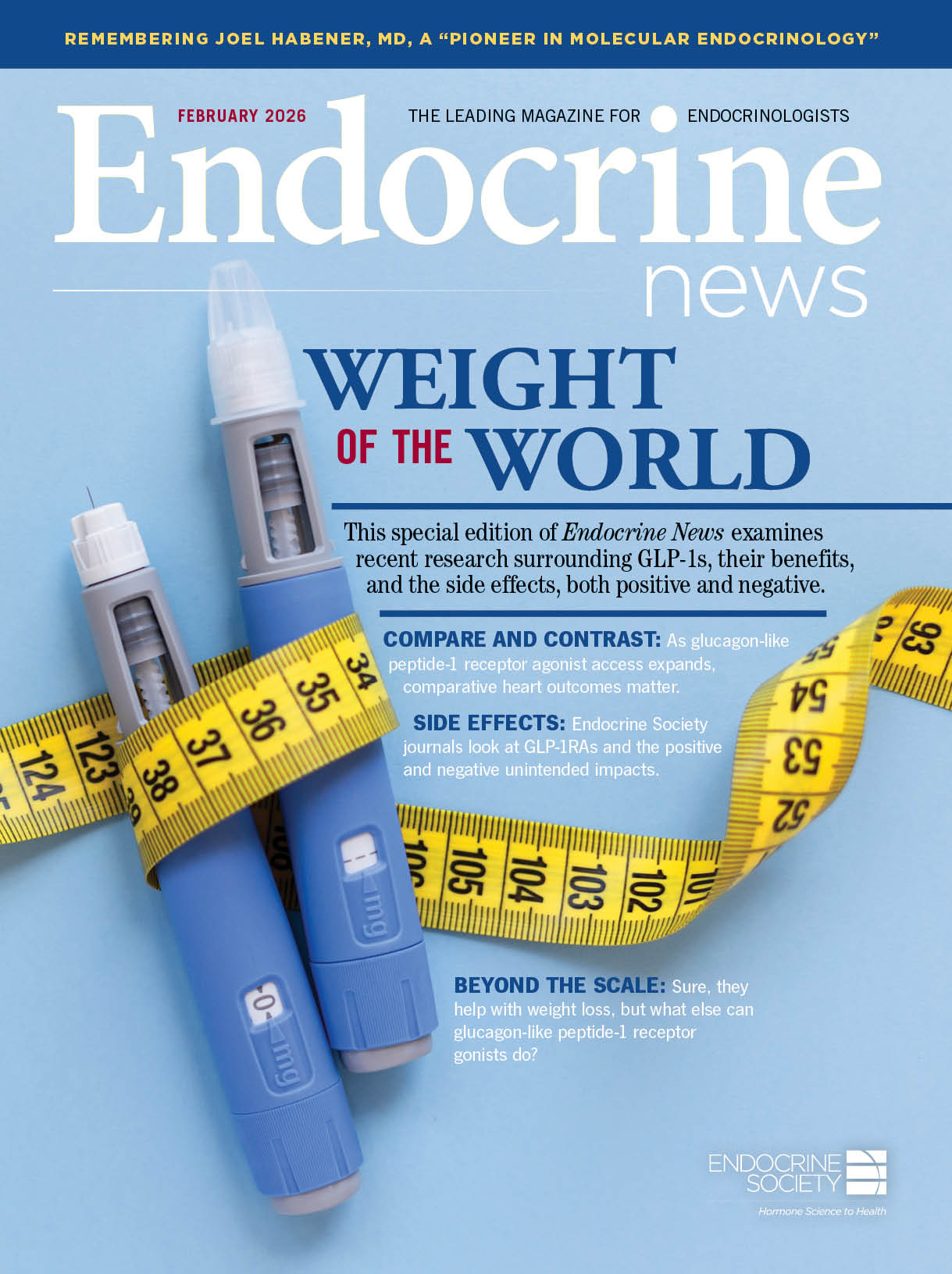
Unforeseen Complications: The Case of Euglycemic Ketoacidosis
As the use of GLP-1RAs and dual-agonists like tirzepatide (which targets both GLP-1 and glucose-dependent insulinotropic polypeptide receptors) increases, clinicians are identifying rare adverse events that were not fully captured in initial clinical trials. A critical case report published in JCEM Case Reports in February 2025 detailed a life-threatening complication involving a patient treated with both tirzepatide and an SGLT2 inhibitor.
The patient developed euglycemic ketoacidosis (EKA), a dangerous state where the body produces high levels of blood acids (ketones) despite blood sugar levels remaining relatively normal. This condition is particularly insidious because the lack of significantly elevated blood glucose can lead to a delay in diagnosis. In this specific case, the patient required intensive care unit (ICU) monitoring and treatment to recover.
The researchers, led by Eli J. Louwagie, MD, PhD, of LewisGale Hospital Montgomery, suspect that the combination of the two medications created a "synergistic effect." While the SGLT2 inhibitor promoted the excretion of glucose through urine, the tirzepatide potentially induced a state of metabolic starvation by severely suppressing appetite and altering insulin-glucagon ratios. Together, these factors triggered systemic acidification.
"As tirzepatide is a relatively new medication whose side effect profile has yet to be fully characterized, clinicians should be aware of this rare yet potentially fatal complication," Dr. Louwagie warned. He noted that as prescribing practices evolve and more patients are placed on combination therapies, the medical community must remain vigilant for these rare interactions.
The Imperative for Individualized Therapy
The discovery of rare complications like EKA has sparked a broader conversation about the necessity of "disciplined use" and individualized patient care. Christine Rode Schwarz, PhD, of the Steno Diabetes Center in Copenhagen, addressed these concerns in a commentary titled "Mechanism and Context: Making Sense of Adverse Events With GLP-1-based Therapy."
Dr. Schwarz argues that while the benefits of GLP-1-based therapies for glycemia, weight, and cardiovascular health are undeniable, they must be prescribed with a deep understanding of the patient’s specific physiological context. Most adverse events, she notes, are an extension of the drug’s intended pharmacology interacting with individual vulnerabilities.
"Many patients are on a combination of an SGLT2 inhibitor with a GLP-1 receptor agonist or tirzepatide and have incredible success without adverse reactions," Dr. Louwagie added. "But we are still figuring out the patient characteristics that would put them at higher risk of poor outcomes."
Broader Impact and Future Outlook
The expansion of GLP-1RAs represents a double-edged sword for the global healthcare system. On one hand, these medications offer a powerful tool to combat the global twin epidemics of obesity and type 2 diabetes, with the added potential to revolutionize the treatment of addiction. The shift toward oral formulations is expected to democratize access, potentially lowering the long-term burden of chronic metabolic diseases on public health budgets.
On the other hand, the rapid scale-up poses significant challenges. The high cost of these medications has already led to debates over insurance coverage and health equity. Furthermore, the potential for rare but severe side effects necessitates a high level of clinical monitoring that may be difficult to maintain if 40% of the population begins using these drugs.
As the medical community moves into 2026, the focus will likely shift toward refining patient selection and monitoring protocols. Researchers are calling for more robust data sets to investigate the relationships between medication pricing, prescribing practices, and patient outcomes. The goal is to move beyond a "one-size-fits-all" approach to a model where the immense benefits of GLP-1RAs can be realized while minimizing the risks of rare, life-threatening complications.
The journey of GLP-1 receptor agonists is far from over. From the pancreas to the brain’s reward centers, these molecules are teaching scientists more about the interconnected nature of human metabolism and behavior than perhaps any other class of drugs in history. As endocrinologists and addiction specialists collaborate more closely, the next few years will be defined by how well the medical community balances the excitement of these new therapeutic frontiers with the rigorous demands of patient safety.