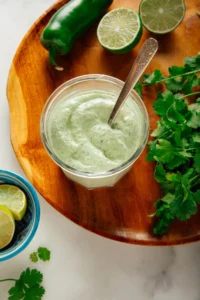










A new recipe for homemade ketchup is garnering attention for its robust flavor profile, thick consistency, and remarkable ease of preparation, offering a compelling alternative to mass-produced condiments and addressing growing consumer demand for healthier, less processed food options. This particular formulation emphasizes a savory-leaning balance, departing from the often excessively sweet character of commercial ketchups, and crucially, foregoes the use of corn syrup or added sugars, aligning with contemporary dietary preferences. The development of such a recipe reflects a broader culinary trend towards artisanal, made-from-scratch staples, driven by a desire for greater control over ingredients and a superior taste experience.
The core of this appealing ketchup lies in its carefully selected, simple ingredients. A significant quantity of high-quality tomato paste forms the foundation, providing a deep, concentrated tomato essence that is paramount to the condiment’s richness. Beyond this, balsamic vinegar introduces a complex interplay of sweetness and tang, crucial for balancing the robust tomato flavor. A blend of dried spices, including garlic powder, mustard powder, cinnamon, and black pepper, contributes a sophisticated, "grown-up" flavor that elevates it beyond typical commercial offerings. Salt is incorporated to enhance the overall taste, while water is used sparingly to achieve the desired dippable consistency. This minimalist ingredient list starkly contrasts with many store-bought varieties, which often feature a lengthy roster of stabilizers, preservatives, and various forms of sugar.

The Genesis of a Homemade Alternative: Addressing Culinary Disappointment

The inspiration for developing this homemade ketchup reportedly stemmed from a common culinary frustration: the inconsistent quality of existing options. The creator, observing a recurring pattern of overly runny or poorly flavored "homemade" ketchups served in restaurants, had initially dismissed the idea of crafting her own. However, a pragmatic need arose when the household unexpectedly ran out of their preferred commercial brands, Heinz and Primal Kitchen, before dinner. This immediate necessity prompted an impromptu experiment, involving a close examination of the ingredient lists of these favored brands. The initial attempt yielded a satisfactory, albeit imperfect, result, which then paved the way for further refinement through trial and error, culminating in the refined recipe now being shared. This anecdote underscores a prevalent sentiment among consumers who seek both convenience and quality, often leading them to explore DIY solutions when existing market offerings fall short.
Ease of Preparation: Demystifying the Condiment Craft

One of the most surprising aspects highlighted by the recipe’s creator is the sheer simplicity of its preparation. Contrary to common assumptions that making ketchup from scratch would be an intricate and time-consuming endeavor, this recipe can be swiftly whisked together by hand in a matter of minutes. This ease significantly lowers the barrier to entry for home cooks, making the prospect of fresh, homemade ketchup accessible even on busy weeknights. The final, essential step involves allowing the freshly prepared condiment to rest for approximately an hour. This resting period is critical, enabling the diverse flavors of the tomato paste, balsamic vinegar, and spices to meld and deepen, resulting in a more harmonious and pronounced taste profile. This brief waiting time transforms a collection of individual ingredients into a cohesive and complex condiment.
A Historical Perspective on Ketchup: From Fish Sauce to Global Staple
To fully appreciate the significance of a refined homemade ketchup, it’s worth considering the condiment’s rich and often surprising history. Ketchup, in its earliest forms, bore little resemblance to the tomato-based sauce we know today. Its origins can be traced back to 17th-century China, where "kê-chiap" or "ketsiap" was a fermented fish sauce, a pungent brine used to season food. British traders encountered this sauce in Southeast Asia and brought it back to Europe, where it began to evolve.

Over the 18th century, European versions of ketchup diversified, incorporating ingredients like mushrooms, walnuts, oysters, and anchovies, often without tomatoes. These early ketchups were prized for their long shelf life, making them valuable seasonings for journeys. The introduction of tomatoes to ketchup recipes began in the early 19th century in the United States, with the first published recipe for tomato ketchup appearing in 1812. However, it was not until the late 19th and early 20th centuries that tomato ketchup, particularly championed by companies like H.J. Heinz, gained widespread popularity. Heinz revolutionized the production process, focusing on ripened tomatoes, high-quality vinegar, and a blend of spices that helped preserve the product and established the distinctive sweet-sour-umami profile that became synonymous with American ketchup. The widespread adoption of high-fructose corn syrup in many commercial ketchups in the latter half of the 20th century further cemented its sweet character, a departure from more savory antecedents. This historical context illuminates how far the condiment has come and why a return to simpler, less sweetened formulations resonates with a segment of today’s consumers.
The Modern Ketchup Landscape: Navigating Health and Taste
The contemporary market for ketchup is vast, dominated by major players but increasingly segmented by consumer preferences for health and quality. Global ketchup consumption continues to grow, with market analysts projecting sustained expansion, driven by urbanization and evolving dietary habits worldwide. However, within mature markets like North America and Europe, there’s a discernible shift. Consumers are becoming more discerning about ingredient lists, particularly concerning added sugars and artificial additives.

A study published in the American Journal of Clinical Nutrition highlighted the pervasive nature of added sugars in processed foods, including condiments. Conventional ketchups often contain significant amounts of high-fructose corn syrup, contributing to daily sugar intake. For instance, a single tablespoon of standard commercial ketchup can contain around 4 grams of sugar, equating to about a teaspoon. For individuals and families aiming to reduce sugar intake, this can quickly add up, especially considering ketchup’s frequent use. This recipe directly addresses this concern by eliminating added sugars, relying instead on the natural sweetness of tomatoes and the subtle contributions of balsamic vinegar.
The mention of Primal Kitchen as a preferred brand in the original context is significant. Primal Kitchen is a brand that explicitly caters to the "clean label" and health-conscious market, offering ketchups made without added sugar, often using ingredients like organic tomato paste and natural sweeteners such as dates or monk fruit. This indicates that the recipe’s developer, and by extension, a growing segment of consumers, are actively seeking alternatives that align with dietary trends like paleo, keto, or simply a general desire for fewer processed ingredients. Food industry reports confirm a rising demand for "free-from" products—free from artificial colors, flavors, preservatives, and excessive sugar—driving innovation in the condiment sector. Major manufacturers are responding by introducing "no sugar added" or "organic" lines to capture this market segment, but homemade options offer ultimate control and freshness.
Three Compelling Reasons to Embrace Homemade Ketchup

The burgeoning interest in homemade condiments like this ketchup recipe can be distilled into several key motivations:
- Unparalleled Flavor and Texture Control: Homemade ketchup offers a depth of flavor and a customizable texture that commercial products often struggle to achieve. While many restaurant versions fall short, a carefully crafted recipe allows for precise adjustments to sweetness, tang, and spice levels. The described recipe’s "thick, dippable texture" and "classic yet grown-up, savory-leaning flavor" are direct outcomes of this control, providing a superior gastronomic experience compared to the often uniform taste of mass-produced alternatives.
- Superior Nutritional Profile and Ingredient Transparency: The absence of corn syrup and added sugar is a significant health advantage. Consumers are increasingly scrutinizing food labels, and the ability to dictate every ingredient—from selecting high-quality tomato paste to avoiding artificial preservatives—provides peace of mind. This aligns with a broader public health discourse emphasizing reduced sugar intake to combat diet-related illnesses. The estimated nutritional information provided, while an estimate, underscores the potential for a healthier condiment.
- Cost-Effectiveness and Reduced Food Waste: While initial ingredient purchases might seem comparable, making condiments from pantry staples can be more economical in the long run, especially for frequent users. Furthermore, having a reliable homemade recipe can prevent instances of running out of a staple condiment, as was the catalyst for this recipe’s creation, thus reducing reliance on emergency grocery runs and potentially contributing to a more self-sufficient kitchen.
The Craft of Flavor: A Deeper Dive into Ingredients
The specific ingredients in this recipe play crucial roles in its distinct profile:

- Tomato Paste: Choosing the "best you can find" is vital. High-quality tomato paste, often from Italian or Californian tomatoes, offers a concentrated umami punch and deep red color. It provides the backbone of the ketchup’s rich tomato flavor without the watery consistency of fresh or canned tomatoes.
- Balsamic Vinegar: This ingredient is key to the "sweetness and tang." Good quality balsamic vinegar, with its complex, slightly fruity, and acidic notes, contributes depth that white vinegar or apple cider vinegar cannot replicate. It provides the essential acidity for balance and preservation.
- Dried Spices: Garlic powder provides an aromatic foundation, while mustard powder adds a subtle pungency and helps to emulsify, contributing to the thick texture. Cinnamon, a less common but traditional ketchup ingredient, offers warmth and complexity, a nod to older recipes. Black pepper adds a gentle heat and sharpness. The careful combination avoids a simplistic, one-note flavor profile.
- Salt: Beyond simply seasoning, salt enhances the perception of other flavors, making the tomato richer and the spices more vibrant.
Serving Suggestions: Beyond the Fries
While homemade ketchup is undeniably "fantastic on burgers and fries," its elevated flavor profile makes it suitable for a wider array of culinary applications. Its robust character pairs well with grilled meats, acting as a sophisticated glaze or dipping sauce. It can be stirred into meatloaf mixtures or incorporated into barbecue sauces for an extra layer of flavor. For breakfast, a dollop alongside scrambled eggs or breakfast potatoes provides a savory counterpoint. Its versatility extends to vegetarian dishes, enhancing lentil burgers or serving as a vibrant base for baked beans. The artisanal quality encourages creative use in the kitchen, transforming everyday meals.
Expanding the Homemade Condiment Repertoire

The success of a homemade ketchup often inspires home cooks to explore other DIY condiments. The article implicitly suggests that "these homemade options taste far superior to store-bought" and "will take a basic meal to the next level." This highlights a broader trend towards artisanal kitchen practices, where staples like mayonnaise, mustard, salad dressings, and hot sauces are crafted from scratch. Benefits include better flavor, control over ingredients, and often, the avoidance of unwanted additives. This movement reflects a desire to reconnect with traditional food preparation methods and to elevate the dining experience through fresh, high-quality components.
Practical Considerations for Homemade Condiments
While the appeal of homemade ketchup is strong, practical considerations for storage and shelf life are important. Unlike commercially sterile and preserved products, homemade ketchup typically has a shorter refrigerated shelf life. Due to its acidity from balsamic vinegar and the absence of fresh, perishable ingredients, this recipe likely keeps well for several weeks when stored in an airtight container in the refrigerator. However, without industrial preservatives, monitoring for freshness is key. The emphasis on "pantry friendly" ingredients also ensures that components are readily available, minimizing special shopping trips and making consistent preparation feasible.

Conclusion: A Culinary Statement
The emergence and popularization of recipes like this homemade ketchup represent more than just a culinary curiosity; they signify a quiet revolution in consumer behavior. Driven by concerns over health, a demand for superior taste, and a desire for transparency in food sourcing, individuals are increasingly opting to reclaim control over their pantry staples. This particular recipe, lauded for its balanced, savory flavor, thick texture, and straightforward preparation, stands as a testament to the idea that some of the most satisfying culinary experiences are those crafted by hand, using simple, quality ingredients. It underscores a growing appreciation for artisanal food production at home, offering a healthier, more flavorful alternative to the mass-market offerings that have long dominated our tables. As consumers continue to prioritize wellness and authentic taste, the appeal of homemade condiments is set to grow, making this ketchup recipe a timely and relevant addition to the modern kitchen.