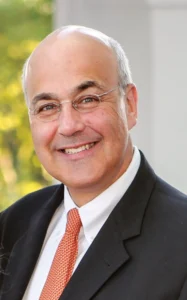








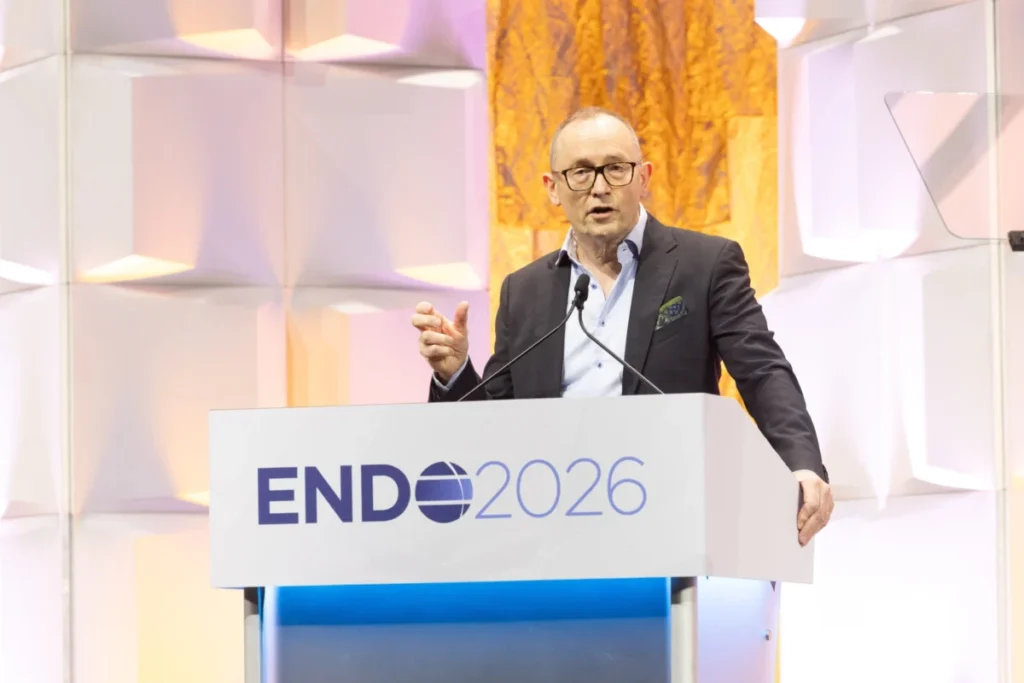
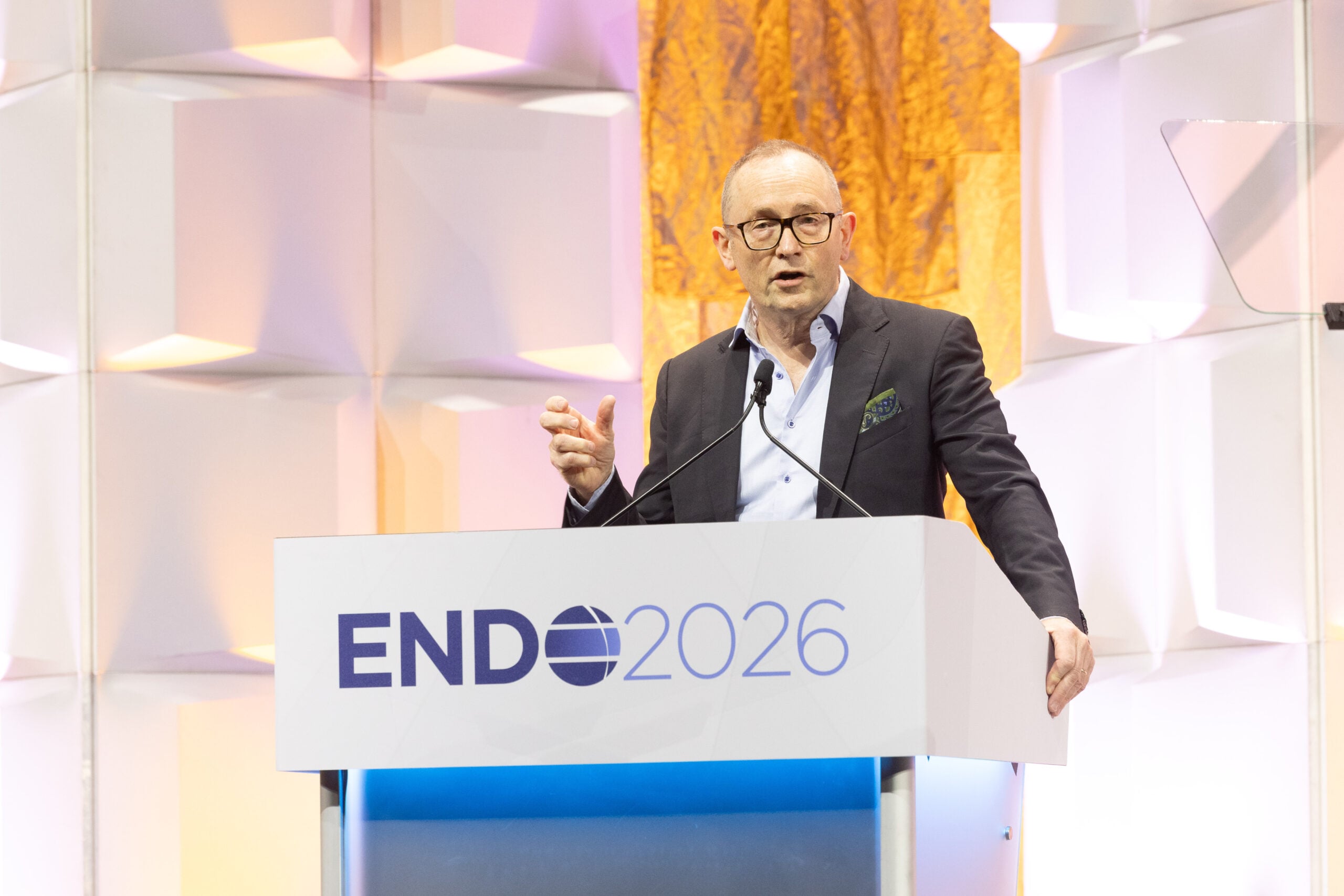
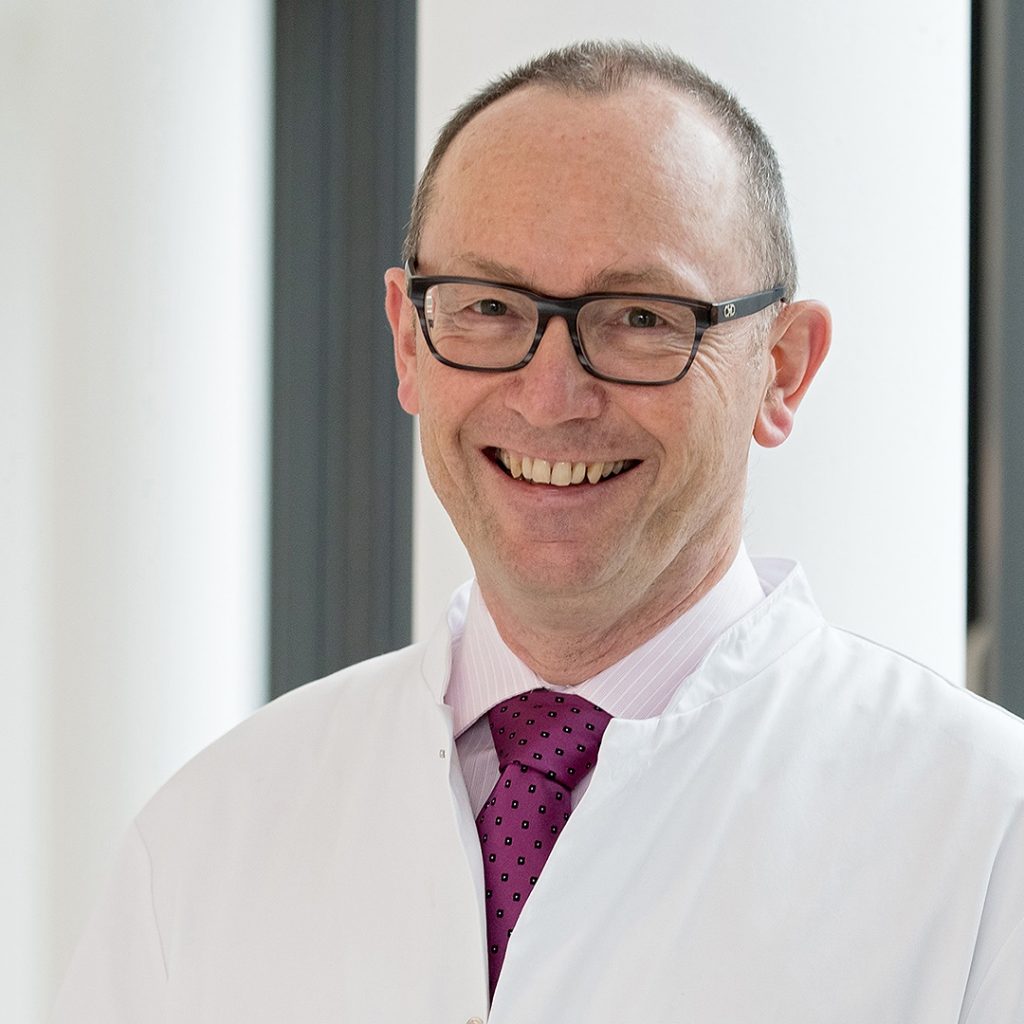
The global medical community has long recognized that the bridge between laboratory discovery and bedside application is paved by the dedication of scholarly physicians. In recognition of a career defined by this duality, the Endocrine Society has named Martin Reincke, MD, as the recipient of the 2026 Outstanding Scholarly Physician Laureate Award. This honor, among the most prestigious in the field of hormone research and clinical practice, highlights Reincke’s profound contributions to the understanding of adrenal and pituitary disorders, as well as his role in fostering international collaboration within the academic setting.
Dr. Reincke, a professor of endocrinology and the former chair of Medical Department IV at Ludwig-Maximilians University (LMU) Hospital in Munich, Germany, has spent decades navigating the complexities of the endocrine system. His work has not only advanced the technical understanding of rare and complex diseases but has also reshaped the methodology of clinical research through the creation of large-scale international consortia. As the Endocrine Society prepares to formally present the award, Reincke’s selection serves as a testament to the enduring importance of the physician-scientist model in an era of increasing specialization.
A Legacy of Clinical and Academic Excellence
The Outstanding Scholarly Physician Award is specifically designed to honor individuals who have made exceptional contributions to the practice of clinical endocrinology within an academic framework. For Dr. Reincke, this balance has been the cornerstone of his professional identity. Throughout his tenure at LMU Munich, one of Europe’s leading medical institutions, he has emphasized that the most significant breakthroughs are those that directly improve the quality of life for patients.

Reincke’s primary areas of expertise—the pituitary and adrenal glands—represent some of the most intricate components of human physiology. The pituitary gland, often referred to as the "master conductor" of the endocrine system, regulates a vast array of bodily functions by secreting hormones that control other glands. The adrenal glands, meanwhile, are responsible for producing hormones such as cortisol, aldosterone, and adrenaline, which are vital for metabolism, immune response, and blood pressure regulation.
In his discussions regarding the award, Reincke noted that the fascination with these organs stems from their high stakes. Diseases of the adrenal cortex, such as Cushing’s syndrome and primary aldosteronism, can be devastating if left untreated, leading to severe cardiovascular issues, metabolic breakdown, and psychological distress. Conversely, accurate diagnosis and targeted intervention can result in transformative health outcomes.
Chronology of a Distinguished Career
The trajectory of Dr. Reincke’s career reflects a commitment to both rigorous scientific inquiry and international mentorship. His journey into the upper echelons of endocrinology was shaped by pivotal experiences in both Europe and the United States.
In the early 1990s, Reincke held a fellowship at the National Institutes of Health (NIH) in Bethesda, Maryland. It was here that he worked alongside George Chrousos, MD, a titan in the field of pediatric endocrinology and stress biology. This period was instrumental in introducing Reincke to the molecular biology of endocrine diseases, a discipline that would become a lifelong passion. The NIH experience provided the foundational skills necessary to bridge the gap between bench science—the study of molecular pathways—and clinical application.
Upon returning to Germany, Reincke’s career was further influenced by his long-standing collaboration with the late Bruno Allolio, MD. For 12 years, the two worked in tandem, with Allolio serving as a mentor who embodied the "compassionate physician-scientist" ideal. This partnership was crucial in preparing Reincke for the challenging clinical scenarios that define adrenal medicine.
By the time he assumed the chair of Medical Department IV at LMU Munich, Reincke had become a central figure in European endocrinology. He played a leading role in the European Network for the Study of Adrenal Tumors (ENSAT), helping to standardize care and research protocols across borders. His leadership in building international research consortia has allowed for the collection of data on a scale that would be impossible for a single institution, particularly in the study of rare conditions like Cushing’s syndrome.
Supporting Data: The Impact of Adrenal Research
To understand the significance of Reincke’s scholarly contributions, one must look at the epidemiological and clinical data surrounding adrenal disorders. Primary aldosteronism (PA), one of Reincke’s primary research focuses, was once thought to be a rare cause of hypertension. However, modern data suggests that PA may affect between 5% and 10% of all hypertensive patients, and up to 20% of those with resistant hypertension.
Under Reincke’s guidance, research into the prevalence and genetic drivers of PA has shifted the clinical paradigm. By identifying specific genetic mutations that lead to the overproduction of aldosterone, Reincke and his collaborators have paved the way for more precise diagnostic tools and targeted therapies. His work has contributed to the understanding that early detection of PA can prevent the severe cardiovascular damage—including stroke and heart failure—associated with chronic aldosterone excess.
Similarly, in the realm of Cushing’s syndrome, Reincke’s involvement in international registries has provided critical data on the long-term outcomes of patients following surgery or medical intervention. Cushing’s, characterized by the overproduction of cortisol, carries a high morbidity rate. Scholarly physicians like Reincke have been instrumental in refining the use of pituitary imaging and biochemical testing to ensure earlier and more accurate diagnoses, significantly reducing the "diagnostic delay" that often plagues patients with rare endocrine disorders.
Mentorship and the Next Generation of Scientists
One of the most compelling aspects of Dr. Reincke’s career is his dedication to the future of the field. His nominators for the Laureate Award described him as a "role model par excellence" for early-career clinical and translational endocrinologists. This sentiment is echoed by Reincke himself, who expresses a profound sense of optimism regarding the capabilities of today’s young medical professionals.
Reincke observes that the next generation of endocrinologists possesses a unique "fearlessness" when navigating modern technology. While his generation laid the groundwork for molecular biology and standardized clinical protocols, the new cohort is integrating artificial intelligence (AI), advanced genomics, and high-resolution imaging into their daily practice with ease.
"My hope is that they’ll ask bigger questions than we did," Reincke remarked, emphasizing that while the tools have changed, the mission remains the same. He frequently cites Francis Collins, the former director of the NIH, in reminding students that every dataset, no matter how abstract or digital, represents a human being seeking a better diagnosis or treatment. This patient-centric approach is what Reincke believes will prevent the dehumanization of medicine in an increasingly data-driven world.
Broader Implications and Official Recognition
The announcement of the 2026 Laureate Awards comes at a time when the Endocrine Society is increasingly focused on the global nature of hormone health. By recognizing a German physician-scientist, the Society underscores the importance of international cooperation in solving complex medical puzzles.
The 2026 Laureates include a distinguished group of peers:
- Alvin C. Powers, MD, recipient of the Roy O. Greep Award for Outstanding Research.
- Bradley Anawalt, MD, recipient of the Outstanding Educator Award.
- Samuel Klein, MD, recipient of the Outstanding Clinical Investigator Award.
This cohort represents the pillars of modern medicine: research, education, and clinical investigation. Dr. Reincke’s inclusion in this group highlights the specific value of the "Scholarly Physician"—the individual who ensures that high-level academic research is never divorced from the realities of the clinic.
Industry analysts suggest that the recognition of Reincke’s work will likely further the cause of adrenal and pituitary research funding in Europe and North America. As healthcare systems move toward "personalized medicine," the models of international collaboration and genetic profiling championed by Reincke are becoming the standard rather than the exception.
The Intersection of Science and Art
Beyond the laboratory and the clinic, Dr. Reincke finds balance through music. An accomplished and passionate violin player, he recently performed Dvořák’s Dumky Trio with close friends. He describes the piece—inspired by Ukrainian folk songs—as a vessel for the full spectrum of human emotion: joy, longing, despair, and hope.
For Reincke, the discipline of music is not merely a hobby but a necessary counterweight to the pressures of scientific research. He notes that after the intensity of performing such a complex piece, the stressors of academic life, such as critical reviewer comments or administrative hurdles, seem far less dramatic. This holistic view of life—incorporating art, empathy, and rigorous science—is perhaps what has made him such an effective mentor and physician.
Conclusion: A Vision for the Future
As Martin Reincke, MD, prepares to receive the 2026 Outstanding Scholarly Physician Award, his legacy is already firmly established in the annals of endocrinology. Through his leadership at LMU Munich, his contributions to international research consortia, and his unwavering commitment to his patients, he has demonstrated that the highest form of medical scholarship is that which serves humanity.
The impact of his work will continue to be felt through the thousands of patients who receive better care for adrenal and pituitary disorders and through the "fearless" next generation of endocrinologists he has inspired. In a field as complex as hormone health, Reincke’s career serves as a reminder that the most powerful tool a physician possesses is the ability to remain curious, compassionate, and collaborative.