

Whey protein powder stands as a cornerstone supplement for individuals seeking to enhance their daily protein intake through a simple yet potent method. This complete protein is distinguished by its comprehensive profile of all nine essential amino acids, which are critical for muscle synthesis and repair. Furthermore, whey protein is a significant source of branched-chain amino acids (BCAAs), notably leucine, a key player in promoting muscle growth.
To navigate the competitive landscape of protein supplements, this article consulted with Pete Nastasi, a certified nutrition coach (C.N.C.), to identify the premier whey protein powders available in 2025. The analysis delves into the distinct types of whey protein powders – concentrate, isolate, and hydrolysate – providing guidance on selecting the best option for individual needs and outlining essential nutritional considerations. This comprehensive review is further informed by extensive testing of over 50 protein powders.
It is important to note that this article is intended for educational and informational purposes only and does not substitute professional medical advice. For personalized health guidance, consulting a licensed healthcare provider is recommended.
Our Methodology: Identifying the Top Whey Protein Powders
The selection of the best whey protein powders for 2025 was guided by a rigorous scoring methodology that encompasses a variety of critical factors. This process ensures that the recommended products meet high standards for efficacy, purity, and user experience. Our expert contributors, including registered dietitians and highly credentialed specialists in sports nutrition and exercise science, provided valuable input throughout this evaluation.
Our Top Picks for the Best Whey Protein Powders of 2025
After thorough research and testing, the following whey protein powders have been identified as leading options for consumers in 2025:
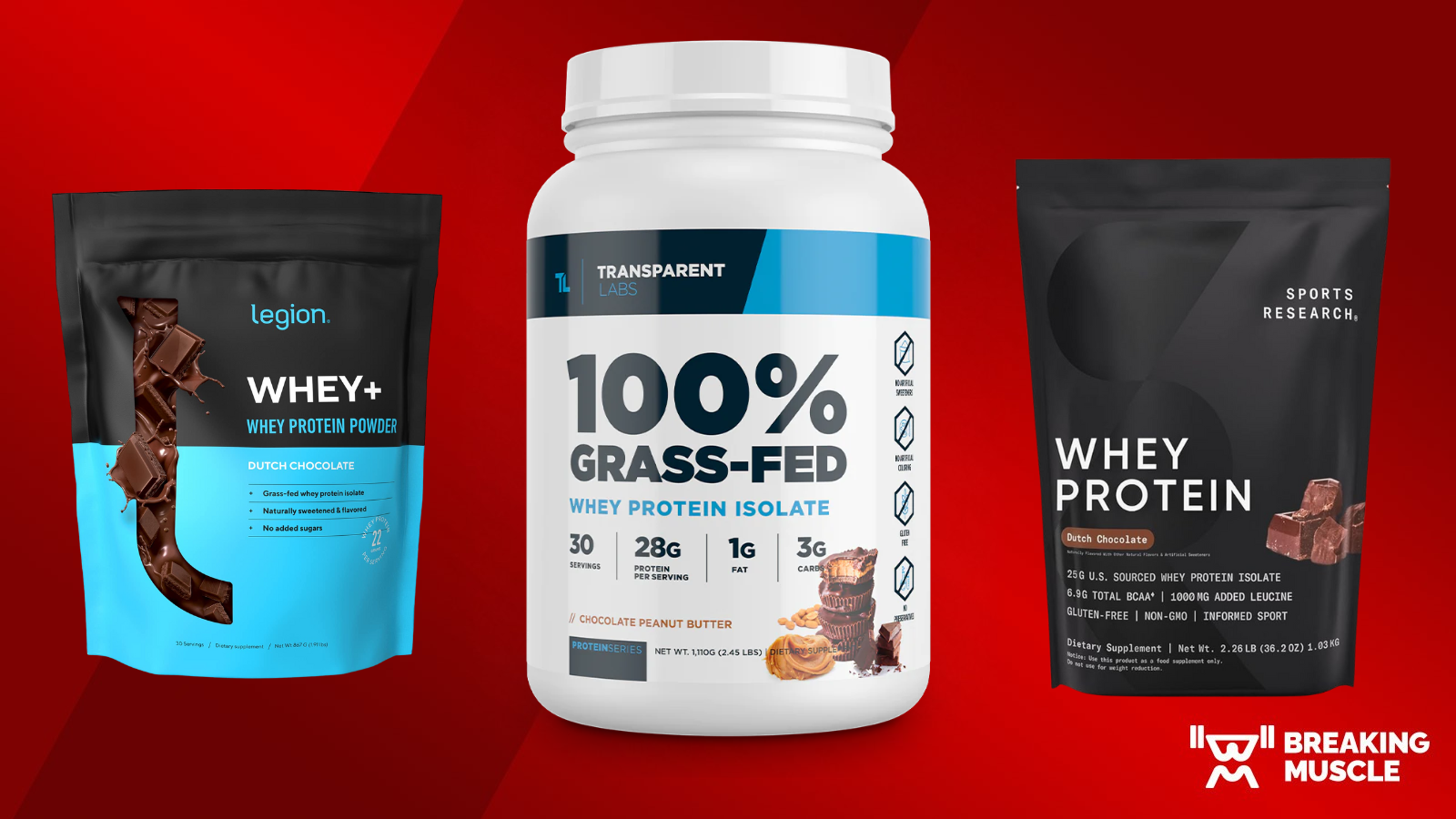
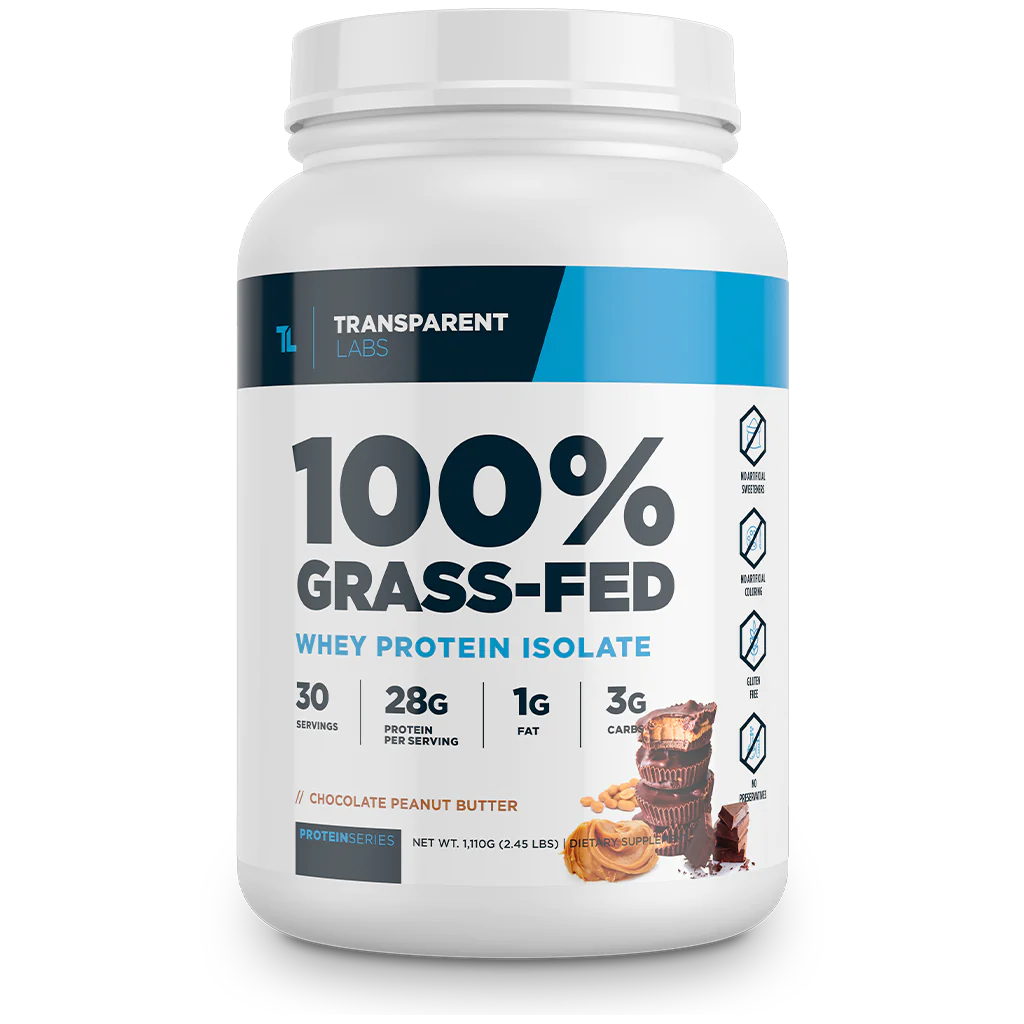
Best Overall Whey Protein Powder: Transparent Labs 100% Grass-Fed Whey Protein Isolate
Transparent Labs has emerged as a frontrunner with its 100% Grass-Fed Whey Protein Isolate, a product meticulously formulated to maximize protein content while minimizing unwanted components. The brand’s commitment to a "no sugar, all protein" philosophy is evident in their filtration process, which effectively removes excess sugar, fat, carbohydrates, and lactose. This meticulous approach ensures that users are primarily consuming pure protein essential for muscle recovery and growth.
Whey protein isolate represents the purest form of whey, boasting the highest protein concentration among the different whey types. This makes it an excellent choice for individuals aiming to reduce their intake of carbohydrates and fats. Each serving of Transparent Labs’ Whey Protein Isolate delivers an impressive 28 grams of protein, positioning it among the highest protein content offerings on the market. The brand also distinguishes itself with an array of appealing flavor options, including unique choices like Cinnamon French Toast. A notable advantage is its balanced sweetness, allowing for versatile mixing with juices or inclusion in smoothies without imparting an overly sugary taste.
Pros:
- High protein content per serving (28 grams)
- Minimal sugar, fat, and carbohydrates
- Sourced from grass-fed cows
- Variety of unique and appealing flavors
- Effective filtration process
Cons:
- May be a premium price point compared to other options
- Isolate form might lack some beneficial micronutrients found in concentrates
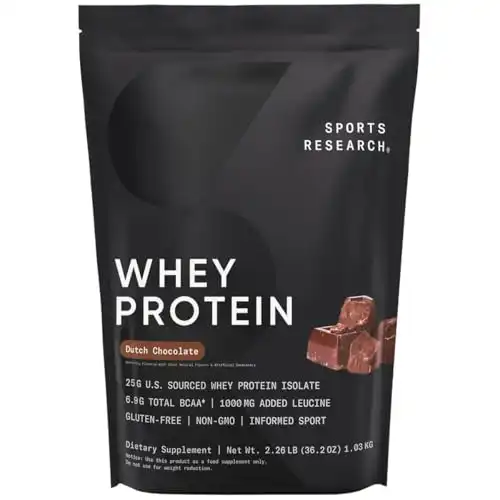
Best Chocolate Whey Protein: Sports Research Whey Protein
Sports Research Whey Protein distinguishes itself with a formulation that includes 6.9 grams of BCAAs per serving, with a significant 1,000 milligrams dedicated to L-leucine. Scientific research has highlighted leucine’s potential to mitigate delayed onset muscle soreness (DOMS), a common concern for active individuals. Depending on the flavor, this Informed Sport Certified protein powder is sweetened with either stevia or sucralose, a factor that individuals sensitive to these sweeteners should consider.
Rachel Pasche, a user of Sports Research Whey Protein, shared her positive experience, particularly with the Dutch Chocolate flavor, which she uses as a dessert shake. She described the taste as exceptionally enjoyable, noting, "It might be too sweet for some people, but I honestly love the taste so much. It’s my favorite flavor of protein powder I’ve ever tried." Pasche also commended the powder’s excellent mixability, reporting that it blends seamlessly with water using both a handheld mixer and a shaker cup. While a slight, temporary foam may form, she observed no clumping. Furthermore, after six months of consistent use, Pasche reported no instances of bloating, a common side effect she has experienced with other whey proteins.
Pros:
- Rich in BCAAs, including a substantial amount of L-leucine
- Informed Sport Certified, ensuring quality and safety
- Excellent taste and mixability, according to user feedback
- Reported to cause no bloating for some users
- Variety of flavors available
Cons:
- Sweetened with stevia or sucralose, which may not suit all palates or sensitivities
- May contain some lactose, depending on the specific formulation
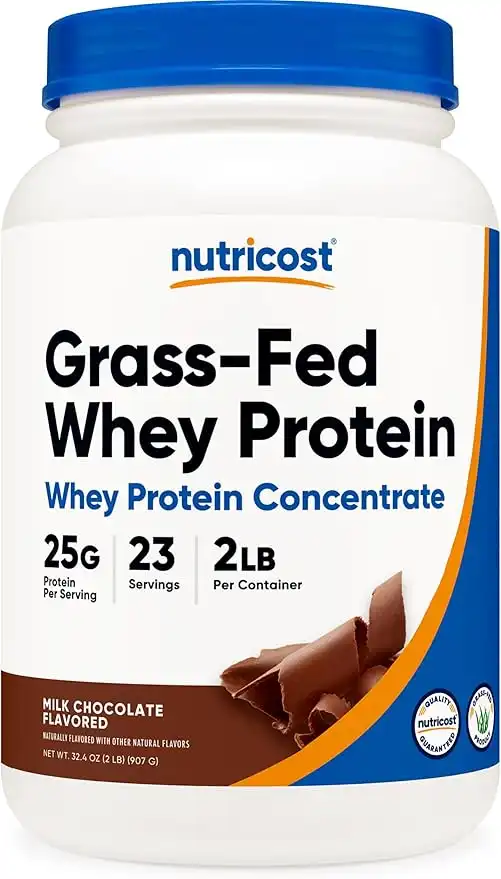
Best Grass-Fed Whey Protein: Nutricost Grass-Fed Whey Protein Concentrate
The nutritional superiority of grass-fed whey protein is supported by scientific findings, indicating that dairy sourced from cows grazing on grass exhibits a higher concentration of whey proteins and amino acids. This enhanced profile may contribute to more effective muscular training adaptations. Nutricost’s offering is a testament to this, providing a high-quality grass-fed whey protein concentrate.
This Nutricost protein powder is non-GMO, gluten-free, and undergoes third-party testing, assuring consumers of its purity and safety. Whey protein concentrate, as featured in this product, often incorporates sunflower lecithin to enhance mixability. Testers have consistently praised its taste and blendability. Grant Smith, a tester, described the flavor as "nostalgic," likening it to Nesquik, and noted its mixability was "on par with some of the better proteins I’ve had previously." Smith was particularly impressed with the absence of small, undissolved protein clumps when mixed with milk. Even after allowing a portion of the shake to sit for nearly ten minutes, he observed only slight separation, which did not detract from the overall appeal of the beverage.
Pros:
- Sourced from grass-fed cows, potentially offering a richer nutrient profile
- Non-GMO and gluten-free
- Third-party tested for quality assurance
- Excellent taste and mixability, as reported by testers
- Affordable price point for a grass-fed option
Cons:
- As a concentrate, it contains higher levels of lactose and fat compared to isolate
- May exhibit slight separation over extended periods, though not significantly impacting appeal
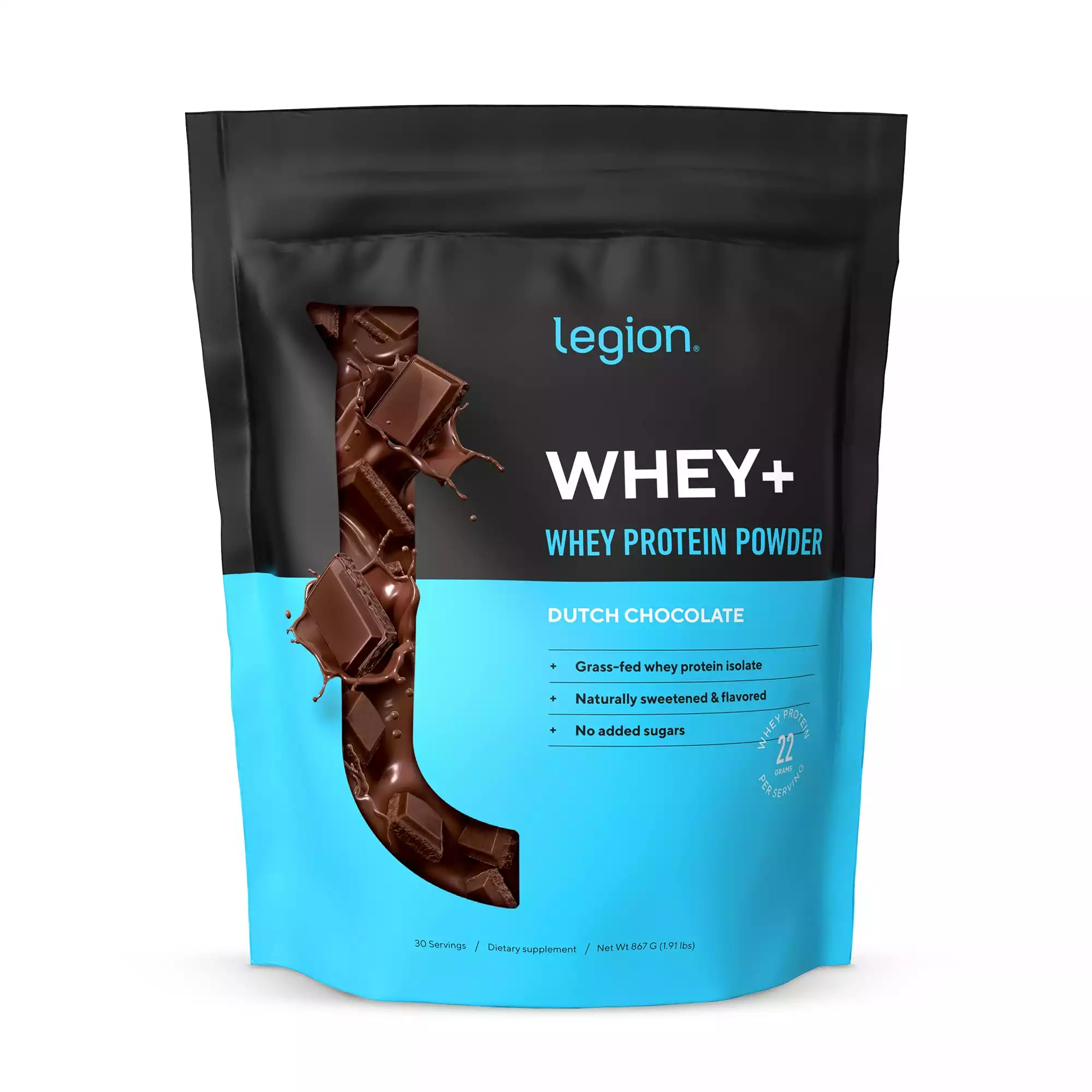
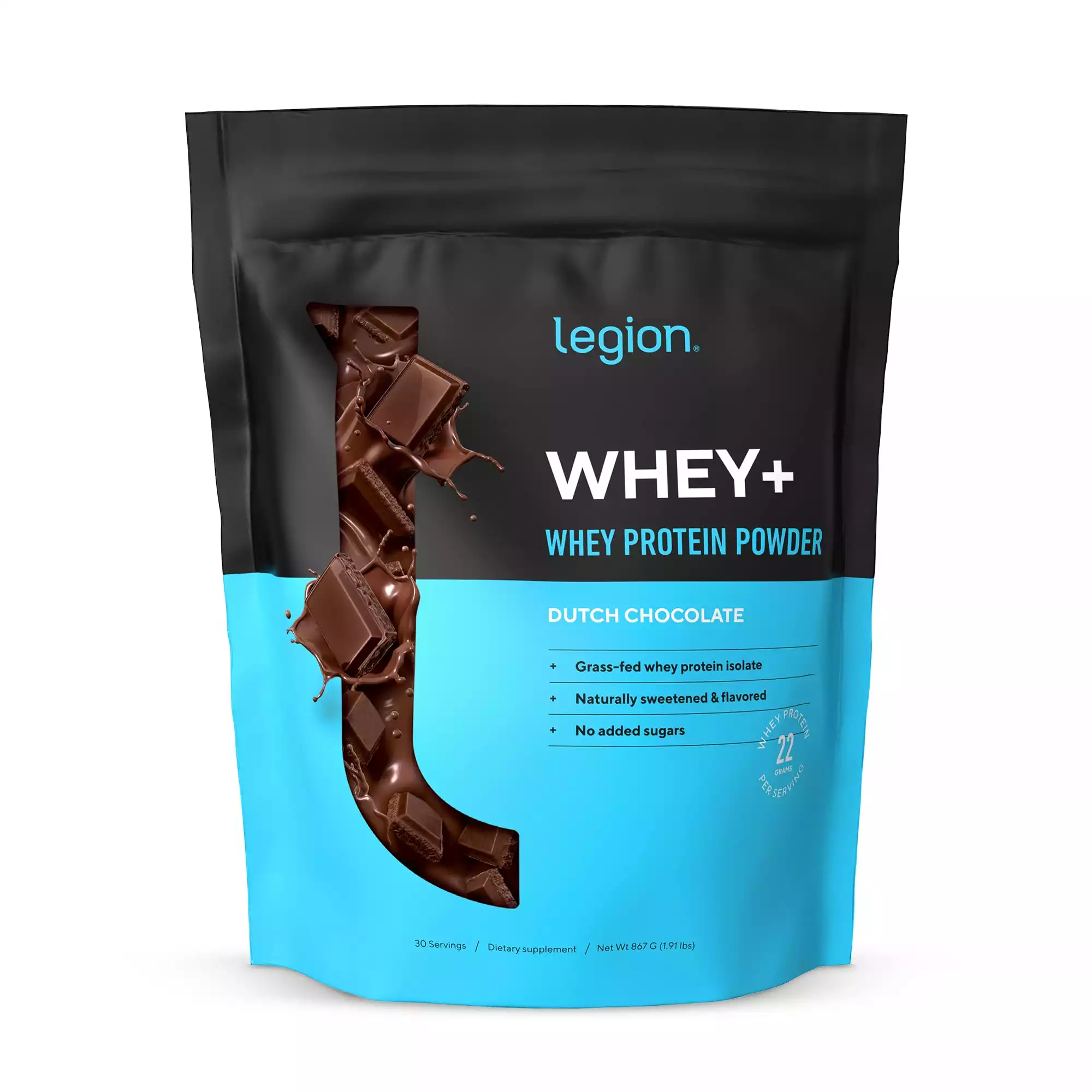
Best Vanilla Whey Protein: Legion Whey+
Legion Whey+ stands out due to its rigorous third-party testing by Labdoor, recognized as a benchmark for laboratory analysis in the supplement industry. This certification guarantees that the protein isolate is pure, nutritionally dense, and free from contaminants such as pesticides and growth hormones.
The whey in Legion Athletics’ product is also filtered to remove excess carbohydrates and fats, ensuring that consumers receive only the beneficial protein components. This process is specifically designed to promote bloat-free digestion. Testers have consistently lauded the taste of Legion Whey+, with particular acclaim for the French Vanilla flavor. Kayla Godfrey described it as tasting "like a vanilla creamer," while Carlo Barajas praised its "delicious, great vanilla taste."
Pros:
- Labdoor certified for purity and quality
- Filtered to reduce carbs and fat, promoting easier digestion
- Excellent flavor profile, especially the French Vanilla
- Supports muscle growth and recovery effectively
- Free from artificial sweeteners and fillers
Cons:
- Can be more expensive than some other options on the market
- Isolate form may have fewer naturally occurring nutrients than concentrate
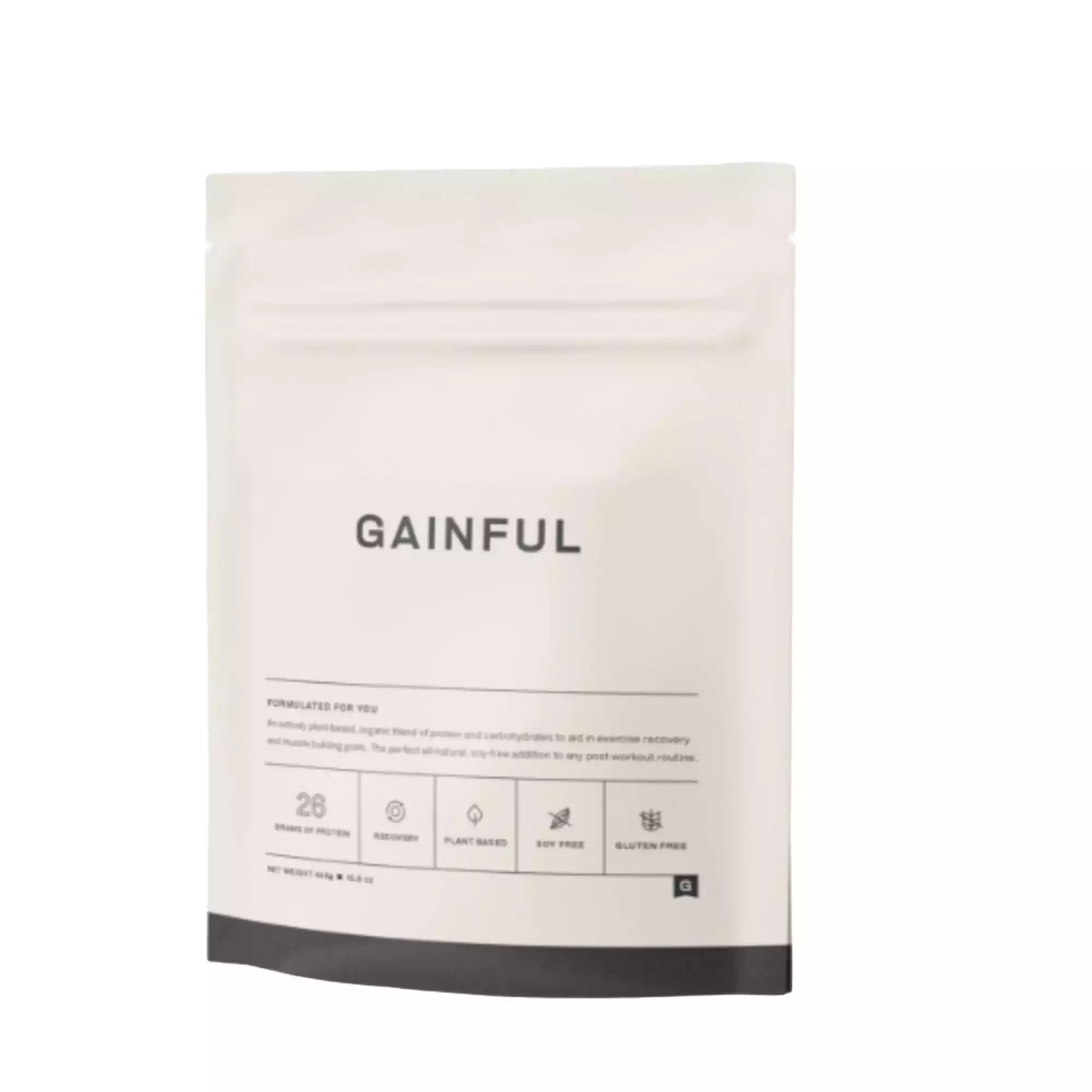
Best Tasting Whey Protein: Gainful Protein Powder
A frequent point of contention among protein powder users is the "chalky" texture and unpleasant aftertaste. Gainful addresses this concern head-on with its innovative approach to flavor and customization. Their Caffe Mocha flavor was particularly well-received by the testing team, who appreciated its subtle, not-overly-sweet profile. Barry Bridges described it as reminiscent of "an at-home cappuccino mix," while Rachael Harris noted the light coffee flavor, suggesting it leaned more towards a chocolate profile.
For those who prefer not to limit themselves to coffee-inspired tastes, Gainful offers a wide array of nine distinct flavors, available in individual-use packets. This allows consumers to tailor their supplement choice to their daily cravings. Nastasi, a seasoned user of Gainful Protein Powder, frequently recommends the Chocolate Peanut Butter, Caffe Mocha, and Sea Salt Caramel varieties.
Pros:
- Addresses common taste complaints with a pleasant, nuanced flavor profile
- Offers a wide variety of flavors through individual packets for customization
- Can be tailored to individual dietary needs and preferences
- Good mixability and texture
- Suitable for various dietary restrictions depending on flavor choice
Cons:
- The personalized nature might lead to a higher overall cost if many flavors are purchased
- The effectiveness of specific flavor profiles can be subjective
Understanding Whey Protein: A Nutritional Deep Dive
Whey protein is a high-quality protein source derived from cow’s milk, which naturally contains two primary proteins: casein and whey. Whey constitutes approximately 20% of the total milk protein and is recognized for its complete amino acid profile, encompassing all nine essential amino acids vital for human health. Beyond its fundamental nutritional role, whey protein has been associated with potential health benefits, including enhanced immune function and improved cardiometabolic health. It is most commonly available in powdered form, designed for easy blending with liquids or incorporation into various food items. Food manufacturers also utilize whey formulations to create high-protein, low-fat products, often as a substitute for traditional ingredients like cream, butter, or eggs.
The Three Forms of Whey Protein: Concentrate, Isolate, and Hydrolysate
When selecting a whey protein powder, understanding the distinctions between the three primary forms is crucial, as these differences stem from their processing methods:
Whey Protein Concentrate (WPC)
Whey protein concentrate (WPC) represents the least processed form of whey. Consequently, it retains higher levels of lactose (milk sugar), fat, carbohydrates, and naturally occurring nutrients. Food manufacturers often employ WPC as a functional ingredient to enhance flavor, color, texture, and shelf-life in products such as sauces, soups, and baked goods, serving as a substitute for fresh dairy or eggs. While it offers a broad nutrient spectrum, WPC has the lowest protein content among the three forms, typically ranging from 70% to 80%.
Whey Protein Isolate (WPI)
Whey protein isolate (WPI) is produced through a more intensive filtration and processing of whey. This method results in a product with a significantly higher protein concentration, often exceeding 90%, and a reduced lactose content. Sports nutrition companies frequently opt for WPI in supplements and protein bars due to its concentrated protein yield. However, this refinement process may lead to the loss of some beneficial micronutrients found in the concentrated form.
Whey Protein Hydrolysate (WPH)
Whey protein hydrolysate (WPH), also known as hydrolyzed whey, undergoes a process called partial hydrolysis. This technique breaks down the whey protein into smaller peptides, facilitating faster absorption by the body. WPH is digested more rapidly than WPC or WPI, which can lead to a more pronounced, albeit temporary, increase in blood sugar levels. Despite this, research indicates that whey protein, in general, may contribute to improved glycemic control, suggesting that any initial blood sugar spike is manageable within the context of overall protein digestion.
The Multifaceted Benefits of Whey Protein Powder
The primary advantage of whey protein powder lies in its convenience as a concentrated and high-quality source of dietary protein. For individuals who consistently meet their protein requirements through whole foods such as meat, dairy, legumes, and vegetables, protein supplements may not be strictly necessary. However, for those who struggle to consume adequate protein through their diet alone, incorporating a protein powder can yield significant benefits.
Supporting Muscle Growth and Development
Whey protein’s rich composition of essential amino acids, including BCAAs, plays a vital role in supporting muscle integrity and promoting muscle hypertrophy when combined with resistance training. Integrating a protein powder designed for muscle gain into a daily regimen can be an effective strategy to optimize protein intake and stimulate muscle protein synthesis.
Preserving Lean Muscle Mass During Weight Loss
When undergoing a caloric deficit for weight loss, maintaining lean muscle mass is paramount. A protein-rich diet is instrumental in preserving hard-earned muscle, allowing the body to preferentially utilize fat stores for energy. Whey protein can contribute to this goal by providing the necessary building blocks for muscle tissue.
Aiding in Weight Management
Whey protein possesses a satiating effect, promoting a prolonged feeling of fullness. Diets high in protein are known to assist in weight management by regulating appetite signals and, consequently, reducing overall caloric intake throughout the day.
Optimal Usage of Whey Protein Powder
To effectively utilize whey protein powder, it is essential to first determine individual daily protein requirements. This calculation is influenced by factors such as fitness objectives, body weight, activity level, and physique. A general guideline for active individuals is to multiply body weight in pounds by 0.8 to estimate daily protein needs in grams. It is crucial to remember that whey protein powder serves as a supplement and should not constitute the sole source of dietary protein.
The recommended method of consumption typically involves mixing one scoop of protein powder with 10 to 12 ounces of a preferred beverage. It can also be incorporated into smoothies, oatmeal, pancake batter, or other foods. While whey protein can be consumed at any time of day, it is often favored as a post-workout supplement to initiate muscle tissue repair.
Potential Side Effects and Considerations
When consumed in moderation, whey protein powder is generally considered safe for healthy adults and typically free of adverse side effects. However, excessive intake can potentially lead to digestive discomfort, dehydration, and, in rare cases, nutrient imbalances. It is imperative to use whey protein powder as part of a balanced dietary plan and not as a primary protein source. Should any unusual symptoms arise after consumption, discontinuing use and consulting a healthcare professional is advised.
Who Can Benefit from Whey Protein?
Whey protein powder is a valuable supplement for individuals seeking to increase their daily protein intake, particularly those who find it challenging to do so through dietary means alone. This includes highly active individuals such as athletes, bodybuilders, and fitness enthusiasts who have elevated protein requirements due to their training regimens.
Older adults may also find whey protein beneficial. As individuals age, their bodies may become less efficient at protein absorption from food. Protein supplements can provide an accessible way for seniors to meet their daily protein needs and support muscle health.
Selecting the Right Whey Protein for Your Needs
Choosing the ideal whey protein product involves considering several key factors:
Type of Protein: Concentrate, Isolate, or Hydrolysate
Examine the ingredient list to identify the specific type of whey protein used. Some products may feature a blend of different whey forms, offering a combination of benefits.
Flavor Profile
Whey proteins are available in a vast array of flavors, from unflavored to more complex combinations like chocolate orange and summer berries. Selecting a flavor you genuinely enjoy is crucial for consistent use. For those new to protein supplements, trying smaller containers or flavor samples can help discover preferred tastes and inspire creative mixing with fruits, flavored milks, or juices.
Nutritional Content
Review the nutrition label for protein per serving, which should ideally be around 25 grams for optimal muscle protein synthesis. Also, consider calories, fats, carbohydrates, fiber, and the presence of vitamins, minerals, and amino acid profiles. Aim for a supplement that maximizes benefits without unnecessary additives.
Additives and Allergens
Scrutinize the ingredients list for any additives or allergens you wish to avoid. Labels will typically indicate the presence of common allergens like soy or warnings if the product was processed in a facility handling nuts.
Price Point
The cost of whey protein powders can vary significantly. The products reviewed here range from approximately $1.16 to $3.41 per serving, or $34 to $95 per container, ensuring options are available to suit most budgets.
Frequently Asked Questions About Whey Protein
How often should I consume whey protein?
Consumption frequency depends on individual needs, health, and fitness goals. Incorporating protein into meals or snacks every three to five hours is generally recommended. However, relying solely on protein powder is discouraged, as it can displace other nutritious whole foods. One whey protein drink daily is typically considered reasonable. Consult your doctor if you intend to use whey protein to replace more than one meal.
Is whey protein powder safe?
Generally, whey protein powder is considered safe for healthy individuals when consumed in moderation. If you have pre-existing medical conditions or severe lactose intolerance, consult a healthcare professional before incorporating it into your diet.
What is the optimal time to take whey protein powder?
There isn’t a single "best time." Timing depends on your goals and lifestyle. Some prefer it as a quick morning breakfast, while others consume it post-workout to support muscle recovery. The most important factor is overall daily protein intake, rather than precise timing.
Can whey protein powder aid in weight loss?
Yes, whey protein powder can support weight loss by promoting satiety and potentially reducing abdominal fat when combined with resistance training.
What are the disadvantages of whey protein?
Overconsumption can lead to side effects such as digestive issues, kidney or liver strain, acne, and disruption of gut bacteria. Moderation is key, and significant overconsumption is rare. Consuming prebiotics or a variety of fruits and vegetables can help maintain gut health.
How can I determine the quality of my whey protein?
Assess the whey source, nutritional profile, and ingredient list. High-quality whey products often use traceable, organic, and certified ingredients, avoid fillers and artificial sweeteners, and may display third-party certifications.
