








In observance of American Heart Month this February, the medical community is intensifying its focus on the intersection of metabolic health and cardiovascular disease, the leading cause of mortality globally. Recent breakthroughs in pharmacotherapy, specifically involving glucagon-like peptide-1 receptor agonists (GLP-1RAs) and emerging multi-receptor agonists, have fundamentally altered the treatment landscape for obesity and its associated complications. While these incretin-based therapies have demonstrated unprecedented efficacy in weight reduction and cardiometabolic improvement, new research highlights a complex reality involving clinical benefits for high-risk populations, applications in rare genetic disorders, and significant barriers to long-term treatment adherence.
The Evolution of Metabolic Management: From Single to Triple Agonists
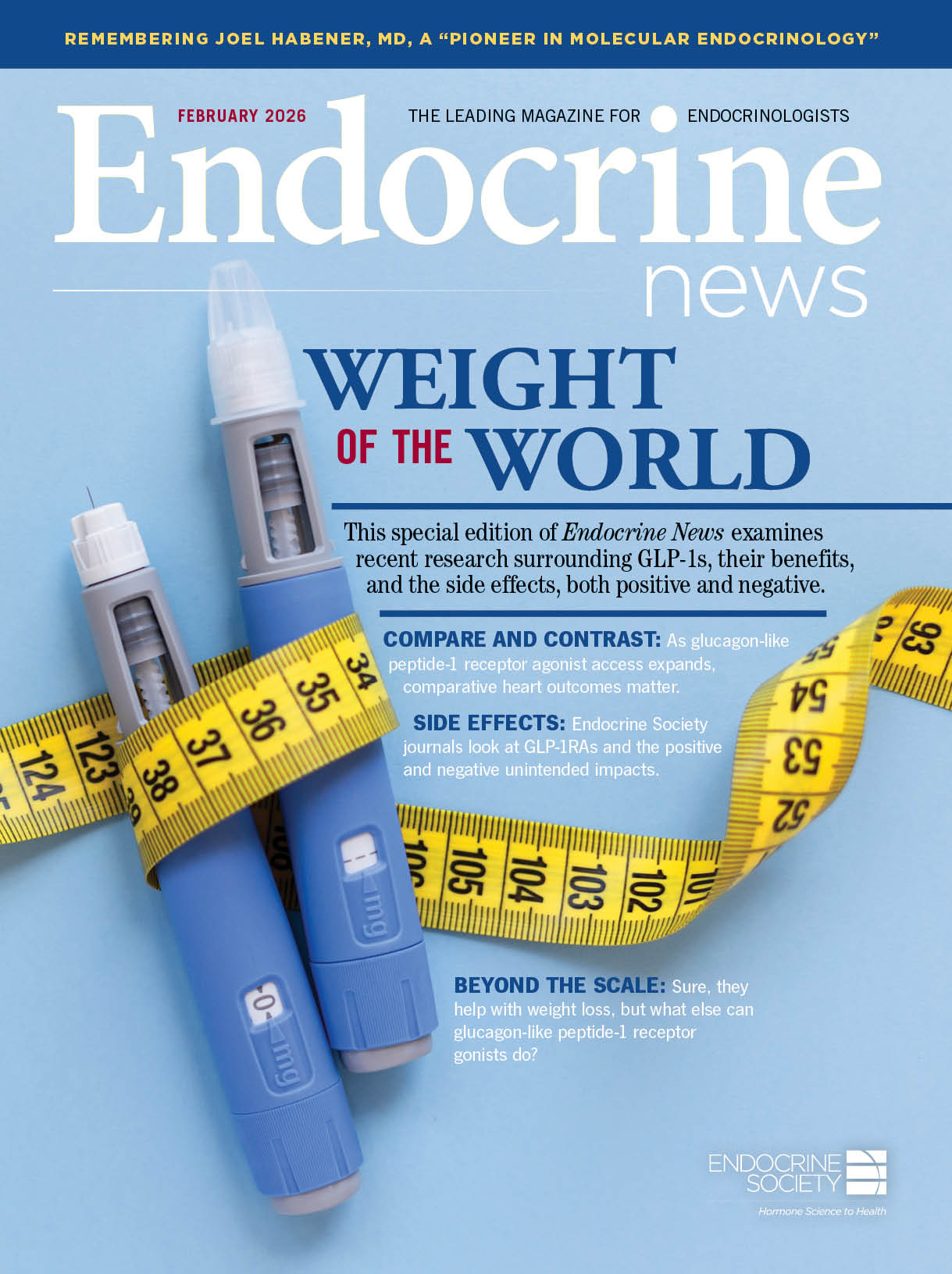
The pharmacological journey of incretin therapies began with the identification of GLP-1 as a critical regulator of insulin secretion and appetite. Over the last decade, the field has transitioned from daily injections of liraglutide to weekly administrations of semaglutide, and more recently, to dual-target agents like tirzepatide. Research published in the journal Endocrinology by Dr. Chao Zheng and colleagues at Zhejiang University provides a comprehensive roadmap of the next generation of these agents.
The current trajectory points toward "poly-agonists"—single molecules designed to activate multiple hormone receptors simultaneously. By targeting glucose-dependent insulinotropic polypeptide (GIP), glucagon, and growth differentiation factor 15 (GDF15) alongside GLP-1, these novel agents aim to achieve a synergistic effect. For instance, while GLP-1 suppresses appetite, the addition of glucagon receptor agonism is intended to increase energy expenditure and promote lipolysis in the liver.

Early-stage clinical trials for agents such as retatrutide, a triple agonist (GLP-1/GIP/glucagon), have shown even more dramatic weight loss and metabolic improvements than seen with dual agonists. Preclinical data also suggest that targeting GDF15 may provide additional anti-inflammatory benefits. This evolution represents a shift from merely managing glucose levels to a holistic "metabolic overhaul" that addresses the underlying drivers of cardiovascular risk.
Addressing Therapeutic Nihilism in Frail Heart Failure Patients
One of the most significant clinical developments in recent months concerns the use of semaglutide in patients with heart failure with preserved ejection fraction (HFpEF) and obesity. Historically, clinicians have been cautious about aggressive weight loss in elderly or frail patients, fearing that the loss of muscle mass—sarcopenia—could exacerbate physical decline. However, findings from the STEP-HFpEF program, published in JACC: Heart Failure, challenge this "therapeutic nihilism."
Dr. Ambarish Pandey and his team at the University of Texas Southwestern Medical Center analyzed 1,145 participants, finding that over 60% of those with obesity-related HFpEF were classified as "most frail." Contrary to fears of clinical worsening, the frailest patients actually experienced the most significant symptomatic improvements. Participants on semaglutide saw an 11-point improvement on the Kansas City Cardiomyopathy Questionnaire (KCCQ) Clinical Summary Score, a metric that directly correlates with daily functional capacity and quality of life.
The data suggests that the benefits of GLP-1RAs in HFpEF extend beyond simple weight loss. By reducing systemic inflammation and potentially clearing epicardial fat and intramuscular adipose tissue, these medications improve "muscle quality" even if total muscle mass decreases slightly. Dr. Pandey emphasizes that frailty should no longer be viewed as a contraindication, but rather as a primary indication for these therapies, as these patients have the most to gain in terms of functional independence.
Breakthroughs in Rare Genetic Obesity: The Case of Alström Syndrome
While the broader population benefit of incretins is well-documented, their efficacy in rare, syndromic forms of obesity has remained a subject of investigation. Alström Syndrome (AS) is a rare genetic ciliopathy characterized by severe hyperphagia (uncontrollable hunger), profound insulin resistance, and early-onset type 2 diabetes. Patients with AS often fail to respond to standard weight-loss interventions and even conventional GLP-1RAs.
A study published in the Journal of Clinical Endocrinology & Metabolism (JCEM) by Dr. Thomas Scherer of the Medical University of Vienna details the successful use of tirzepatide in two young adult patients with AS. These patients had previously shown no response to semaglutide or liraglutide. However, upon switching to tirzepatide—a dual GIP/GLP-1 agonist—one patient experienced a 27% reduction in body weight and an 83% reduction in required insulin doses.
Dr. Scherer’s research suggests that the GIP component of tirzepatide may be the key factor. Unlike GLP-1 receptors, GIP receptors are highly expressed in white adipose tissue (WAT). By improving the function of adipose tissue and its ability to store lipids, tirzepatide may resolve the lipotoxicity and insulin resistance that characterize Alström Syndrome. This finding opens the door for future trials of dual and triple agonists in other rare conditions, such as Prader-Willi and Bardet-Biedl syndromes.
Real-World Barriers: The Discontinuation Crisis
Despite the clinical "miracles" reported in trial settings, real-world data paints a more sobering picture regarding treatment persistence. A study led by Dr. Hamlet Gasoyan of the Cleveland Clinic, published in Obesity, quantified the reasons why patients stop taking semaglutide or tirzepatide within the first year.
Analyzing electronic health records (EHR) for 288 patients without type 2 diabetes, the researchers found that nearly half (47.6%) discontinued the medication due to cost or insurance-related barriers. While clinical trials often report discontinuation rates based on side effects, this study found that side effects accounted for only 14.6% of real-world dropouts. Other significant factors included medication shortages (11.8%) and lack of specified reasons in clinical notes.
This discrepancy highlights a major gap between medical potential and public health impact. While these drugs are highly effective, their high cost and the "step-therapy" requirements of many insurance providers mean that those who need them most often lose access. Dr. Gasoyan notes that unless issues of affordability and supply-chain stability are addressed, the long-term cardiovascular benefits of these therapies will remain out of reach for a significant portion of the population.
Clinical Guidance and Monitoring Requirements
As these therapies become more potent, the need for rigorous clinical monitoring increases. This is particularly true for patients with severe insulin resistance or those on high-dose insulin regimens. In the case of Alström Syndrome, the rapid metabolic response to tirzepatide necessitated frequent adjustments to insulin dosing to prevent severe hypoglycemia.
Dr. Scherer and other experts recommend the use of Continuous Glucose Monitoring (CGM) for high-risk patients initiating dual or triple agonists. These devices, equipped with remote monitoring and alarm functions, allow clinicians to track glycemic fluctuations in real-time as the patient’s insulin sensitivity improves. Furthermore, gradual dose titration remains the gold standard for mitigating gastrointestinal side effects, which, although less common as a reason for discontinuation than cost, still affect a substantial minority of users.
Analysis of Implications and Future Directions
The data presented across these four studies suggest that the medical community is entering a new era of precision metabolism. The transition from "weight loss drugs" to "metabolic modifiers" represents a fundamental shift in how obesity is treated—not as a lifestyle failure, but as a complex hormonal and inflammatory disease.
The implications for cardiovascular health are profound. By addressing HFpEF, MASLD (metabolic dysfunction-associated steatotic liver disease), and systemic inflammation, incretin-based therapies could potentially reduce the global burden of heart failure and stroke. However, the analysis also reveals a looming socioeconomic divide. If the most effective treatments are only accessible to the affluent or those with premium insurance, the existing health disparities in cardiovascular outcomes may widen.
Future research is expected to prioritize head-to-head trials between dual and triple agonists to determine which patient phenotypes benefit most from specific receptor combinations. Additionally, the development of oral versions of these peptides and the entry of biosimilars may eventually lower costs and improve global access. For now, the focus remains on integrating these powerful tools into clinical practice while navigating the logistical and financial hurdles that currently limit their transformative potential.