








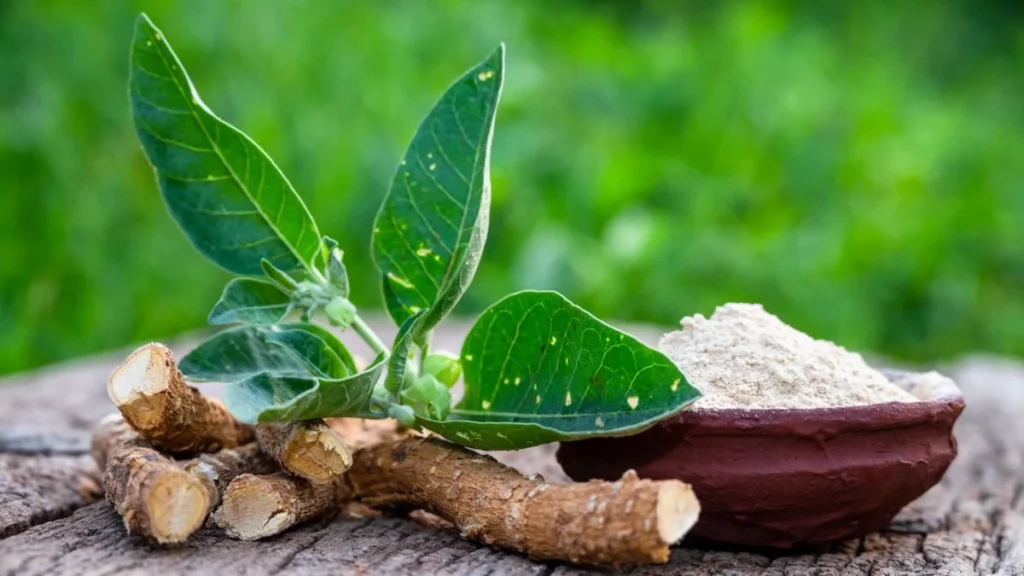
The increasingly fervent debate surrounding the safety of ashwagandha (Withania somnifera) leaf extracts has prompted Arjuna Natural, a leading innovator in botanical extracts, to release comprehensive human safety data for its branded ingredient, Shoden®. Published in the esteemed journal Advances in Integrative Medicine, this clinical trial provides critical evidence regarding the safety profile of an ashwagandha extract derived from both root and leaf components, addressing concerns that have intensified following regulatory actions in India.
The study, designed to rigorously assess the safety of Shoden®, involved 62 healthy adult participants who were administered a daily dosage of 480 mg of the extract. This dosage is notably higher than the therapeutically established range of 60 to 120 mg per day, which has been clinically validated for its benefits in stress management, sleep improvement, and testosterone enhancement in males. Over a period of 90 days, researchers meticulously monitored a battery of vital health indicators, including vital signs, liver and kidney function, lipid profiles, and comprehensive urine and blood work, with assessments conducted at 30-day intervals. The findings revealed no significant variations across any of these tracked parameters, indicating a robust safety profile for Shoden® even at supra-therapeutic doses.
This publication arrives at a pivotal moment for the ashwagandha industry. The Ministry of Ayush in India has initiated regulatory actions, including bans on ashwagandha leaf extracts, sparking a contentious debate about which parts of the plant are safe for human consumption. This has amplified calls within the industry for greater transparency, clear labeling, and enhanced standardization of Ayurvedic herbs. While the Arjuna Natural study was conceived and initiated well before these recent regulatory developments, its findings offer timely and compelling data in support of the safety of responsibly processed ashwagandha leaf-containing extracts.

"When botanical ingredients are properly extracted, appropriately standardized, and rigorously validated through clinical research, they deliver therapeutic benefits matched by exceptional safety profiles," stated Benny Antony, Ph.D., co-founder and managing director at Arjuna Natural. He emphasized the importance of publishing such studies, noting that it fosters accountability within the industry and provides a verifiable basis for product claims. Antony further asserted, "If competitors wish to challenge these findings, they must do so through peer-reviewed literature rather than unsubstantiated marketing claims. This scientific rigor ultimately protects consumers and healthcare practitioners by establishing evidence-based standards for the adaptogenic supplement category."
The debate over ashwagandha’s plant parts has been a growing concern within the nutraceutical sector. Traditionally, ashwagandha root has been the primary source for herbal preparations due to its long-standing use in Ayurvedic medicine. However, recent research and commercial interests have explored the potential benefits of other plant parts, including the leaves. This has led to differing opinions and practices among manufacturers, with some advocating exclusively for root-based products and others incorporating leaf components. The regulatory actions by Ayush have underscored the need for a clear scientific consensus and robust safety data to guide industry practices and consumer choices.
A Timeline of Evolving Ashwagandha Discourse and Research
The discourse surrounding ashwagandha’s safety and efficacy has evolved significantly over the past decade. While the herb has been a staple in Ayurvedic traditions for centuries, its widespread adoption in global wellness markets has necessitated rigorous scientific validation.
- Early 2010s: Increased global interest in adaptogens leads to a surge in research on ashwagandha, primarily focusing on its stress-reducing and cognitive benefits. Studies largely utilize root extracts.
- Mid-2010s: Early explorations into the potential of ashwagandha leaf extracts begin, driven by hypotheses about different phytochemical profiles. Some manufacturers start incorporating leaf material into their formulations.
- Late 2010s – Early 2020s: The number of clinical trials on ashwagandha, including those investigating specific branded ingredients, proliferates. Studies begin to explore a wider range of health benefits, including sleep quality and hormonal balance. Concerns about standardization and potential safety variations between different plant parts emerge within industry discussions.
- 2023-2024: The Ministry of Ayush in India implements bans and restrictions on ashwagandha leaf extracts, citing a lack of sufficient safety data and potential risks. This regulatory action ignites widespread debate and prompts industry stakeholders to prioritize robust safety studies. Arjuna Natural’s research on Shoden®, a root and leaf extract, gains prominence as it directly addresses these safety concerns.
Shoden®: A Deep Dive into the Study Design and Findings
The human safety study on Shoden® was meticulously designed to mirror Good Clinical Practice (GCP) guidelines, ensuring the reliability and validity of its results. The extract itself is standardized to contain 35% withanolides, a key class of bioactive compounds in ashwagandha, and is derived from both the root and leaf of the plant.
The clinical trial involved 62 healthy adults, a sample size considered sufficient for detecting meaningful safety signals in this type of study. Participants were randomly assigned to receive the Shoden® extract or a placebo, though the article focuses on the safety data of the active ingredient. The daily dosage of 480 mg was deliberately chosen to be significantly higher than typical therapeutic doses (60-120 mg). This approach, often referred to as a "maximum tolerated dose" or supra-therapeutic dosing study, is a standard methodology for establishing the safety margin of a substance. By testing at doses well above what consumers would normally use, researchers can gain greater confidence in the ingredient’s safety even under conditions of accidental overdose or high-dose usage.
The comprehensive safety assessments included:
- Vital Signs: Blood pressure, heart rate, respiratory rate, and body temperature were monitored to detect any physiological disturbances.
- Hepatic Function: Liver enzymes (AST, ALT, ALP) and bilirubin levels were assessed to identify any potential hepatotoxicity.
- Renal Function: Blood urea nitrogen (BUN) and creatinine levels were measured to evaluate kidney health.
- Lipid Profile: Cholesterol, triglycerides, HDL, and LDL levels were analyzed to assess cardiovascular risk factors.
- Hematology and Clinical Chemistry: Complete blood counts (CBC) and a broader panel of blood chemistry tests were performed to detect any systemic effects.
- Urinalysis: Urine samples were analyzed for markers of kidney function and potential urinary tract issues.
The consistent finding across all these assessments was the absence of any statistically significant adverse events or clinically meaningful deviations from baseline values in the participants receiving Shoden®. This indicates that the extract, at the tested dosage and duration, did not impose any discernible burden on the body’s major physiological systems.
Expert Perspectives on the Significance of Human Safety Data
The emphasis on human safety data for botanical ingredients is a recurring theme in the nutraceutical industry. Blake Ebersole, founder of regulatory and science consultancy NaturPro Scientific and a co-founding member of the Ashwagandha Standards Alliance, lauded the new results as a crucial step forward.
"While animal studies have historically found no toxicity for ashwagandha, even at very high repeated doses, this new 90-day human study also found no meaningful safety signal at a dose much higher than the clinically validated ones," Ebersole commented. "This is the kind of progression you like to see in a safety package for a supplement ingredient – first chronic dosing in animals and then in humans." He underscored the importance of this progression, highlighting that animal models, while valuable, do not always perfectly predict human responses.
Ebersole further elaborated on the broader implications of the Shoden® study: "The safety studies specifically on Shoden® are altogether consistent with the body of evidence supporting an excellent safety profile for well-studied ashwagandha root and leaf extracts." He critically contrasted this with certain market narratives, stating, "Contrary to the claims of some root-only marketers, this study strengthens the idea that plant part is only one characteristic of ashwagandha, and that safety must be assessed for each ingredient, regardless of the plant part." This suggests that the unique processing and standardization methods employed by manufacturers can significantly influence the safety and efficacy of an extract, irrespective of whether it originates from roots, leaves, or a combination.
Nipen Lavingia, brand innovation advisor at Arjuna, echoed Ebersole’s sentiments, directly addressing the core of the ongoing debate: "Much of the safety concern around leaf material rests on the absence of dedicated human safety data for leaf-containing extracts. This study helps address that gap directly – it provides prospective, GCP (good clinical practice)-compliant human safety data on a defined root and leaf extract, at a real consumer dose over 90 days, showing no clinically significant safety signals." Lavingia’s statement emphasizes the study’s direct contribution to filling a critical data void, thereby bolstering confidence in the safety of leaf-inclusive ashwagandha formulations when produced under stringent quality controls.
Arjuna Natural also revealed that two additional clinical trials focusing on Shoden® have been completed and are currently undergoing manuscript preparation. This ongoing commitment to research suggests a sustained effort by the company to build a robust scientific foundation for its ingredients and contribute to the broader understanding of ashwagandha’s therapeutic potential and safety.
Broader Implications for the Adaptogen Market
The publication of this human safety study has far-reaching implications for the global adaptogen market, particularly for ashwagandha.
- Regulatory Clarity: The findings provide critical data that regulatory bodies, including the Ministry of Ayush, can consider when evaluating the safety of ashwagandha extracts. A well-documented human safety profile for a specific ingredient can help inform policy decisions and potentially lead to more nuanced regulations that differentiate between various forms of ashwagandha.
- Industry Standards: The study reinforces the importance of rigorous scientific validation for all dietary supplement ingredients. It sets a benchmark for what constitutes comprehensive safety data, encouraging other manufacturers to invest in similar clinical research. This could lead to a higher overall standard of quality and safety across the ashwagandha market.
- Consumer Confidence: By providing clear, peer-reviewed evidence of safety, the study can help alleviate consumer concerns that may have arisen due to conflicting information or regulatory actions. Increased consumer confidence is vital for the sustained growth and acceptance of the adaptogen category.
- Innovation and Research: The study’s focus on a standardized extract derived from both root and leaf components encourages further research into the synergistic effects of different plant parts and the impact of various extraction and standardization techniques. This could unlock new therapeutic applications and optimize the benefits of ashwagandha.
- Market Differentiation: For companies like Arjuna Natural, investing in and publishing such high-quality research allows them to differentiate their products in a crowded market. It provides a competitive advantage based on scientific evidence rather than unsubstantiated claims.
The ongoing dialogue within the ashwagandha industry highlights a broader trend: the increasing demand for evidence-based products in the natural health sector. As consumers become more informed and regulatory scrutiny intensifies, the companies that prioritize scientific rigor, transparency, and robust safety data are poised to lead the market and build lasting trust. The publication of the Shoden® study by Arjuna Natural represents a significant contribution to this evolving landscape, offering a beacon of scientific evidence in a sometimes contentious debate.
The author, Devon Gholam, Ph.D., an editor at SupplySide Supplement Journal, brings nearly two decades of experience in the functional food and nutraceutical industry. Her expertise spans product development, innovation, technical sales, and technical writing, cultivated at companies such as Kellogg Co., Ganeden Biotech, and Step Change Innovations. Dr. Gholam is particularly interested in women’s health and the impact of emerging medical trends like GLP-1 medications on the food, beverage, and supplement industries. Her passion for knowledge and credible science aims to foster an innovative and collaborative spirit within the nutraceutical community.