

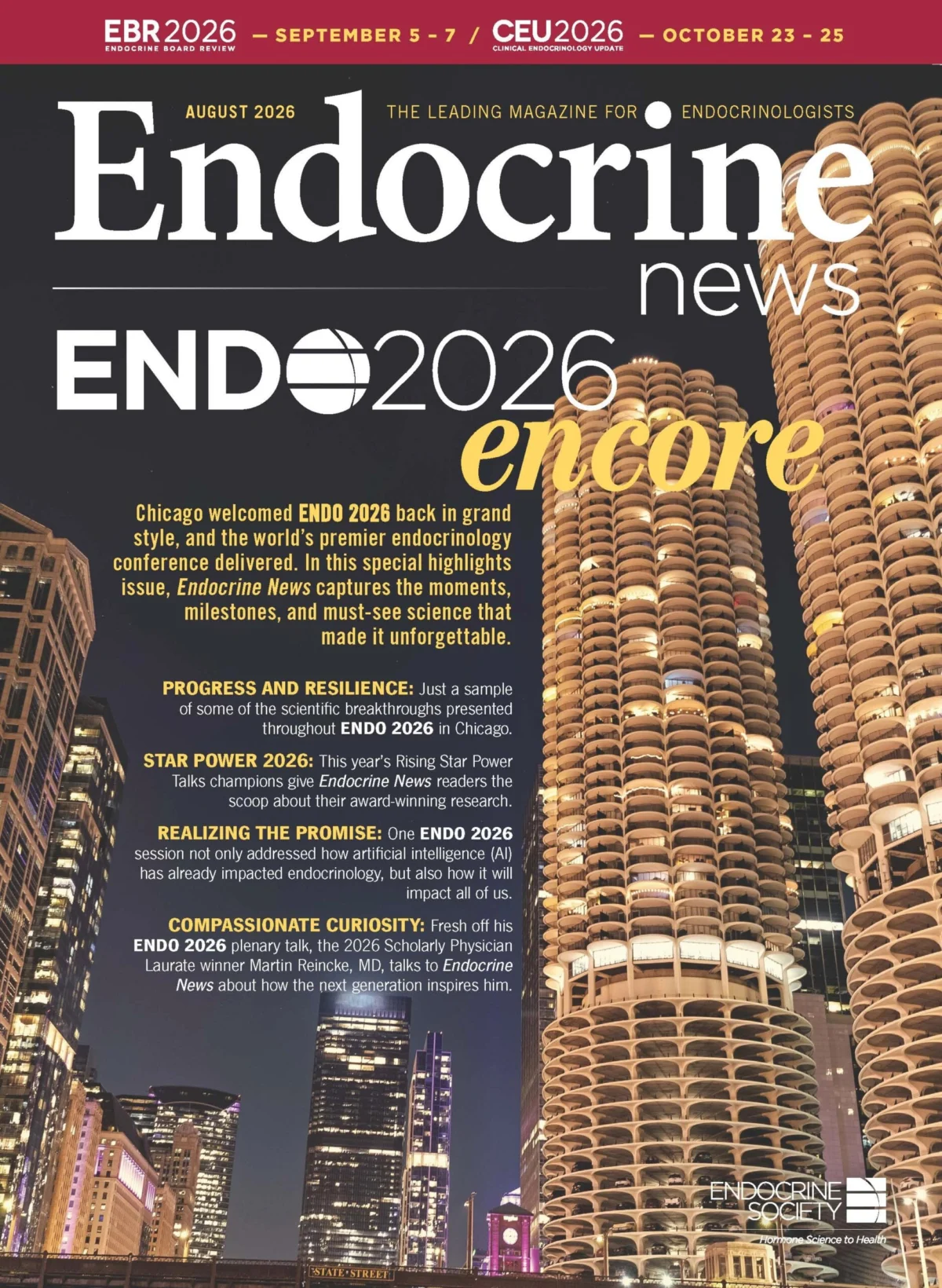
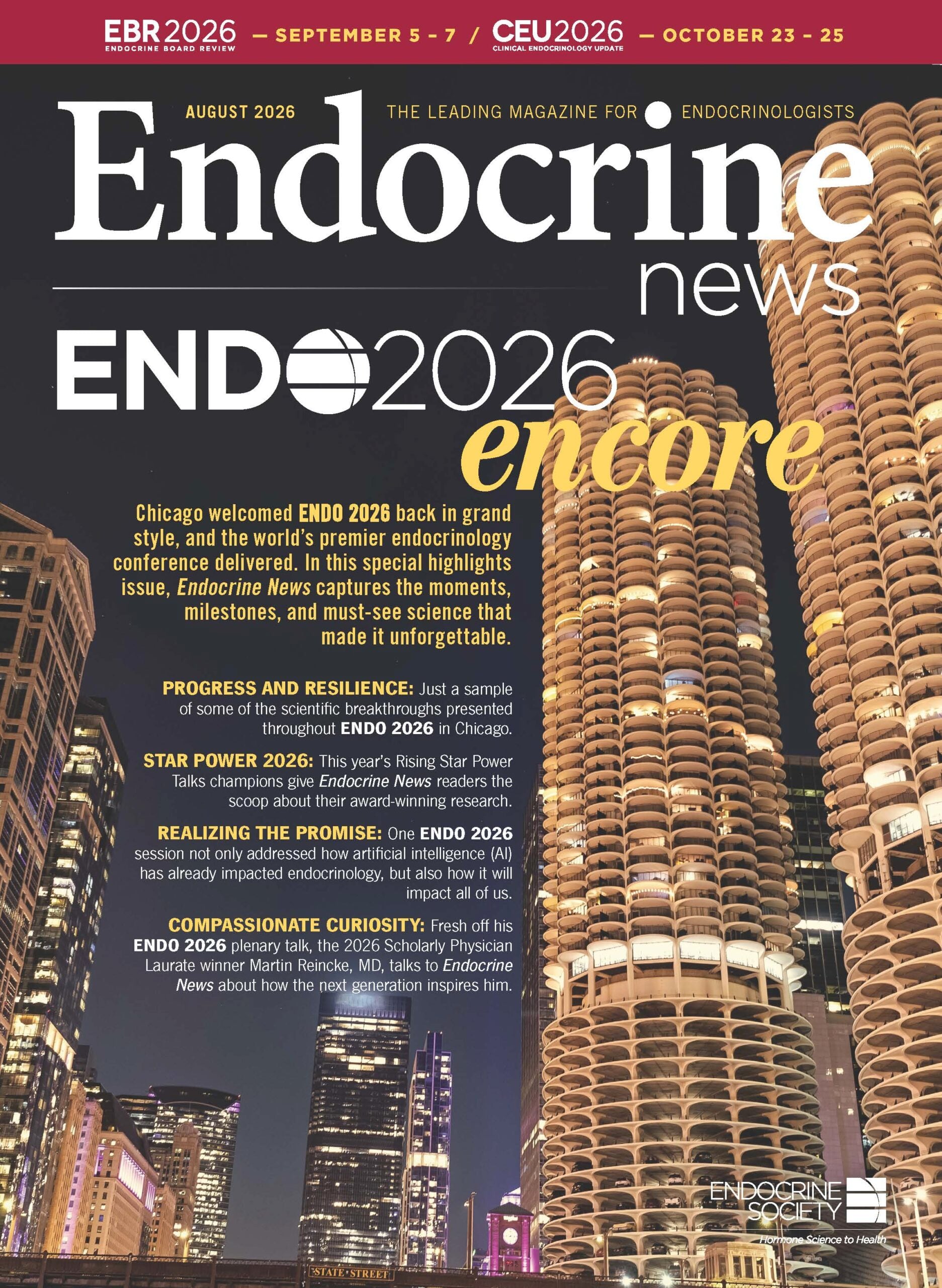
The Endocrine Society’s annual meeting, ENDO 2026, concluded this June in Chicago, marking a pivotal moment for a field navigating a landscape of shifting healthcare priorities and fluctuating research funding. Hosted in a city synonymous with transformation and the evolution of jazz, the conference served as a testament to the resilience of endocrinologists who continue to advance medical science despite economic and political uncertainties. The event, which drew thousands of clinicians, researchers, and students from across the globe, underscored the critical role of hormonal health in addressing the world’s most pressing chronic conditions, most notably the dual epidemics of diabetes and obesity.
The choice of Chicago as the host city provided a symbolic backdrop for the proceedings. Much like the "Great Migration" that saw jazz grow from its New Orleans roots into a complex, global influence within the clubs of the Windy City, endocrinology is currently undergoing a period of profound expansion. The discipline is moving beyond the traditional silos of glandular study into a broader integration with metabolic health, cardiovascular risk, and social determinants of medicine. As Endocrine Society leaders noted throughout the week, the field is no longer just playing the "notes" of established protocols; it is introducing new rhythms in the form of groundbreaking pharmacotherapies and a deeper understanding of the environmental factors driving endocrine disorders.
The GLP-1 Revolution and the Future of Metabolic Medicine
The primary focus of ENDO 2026 was the continued evolution of Glucagon-like peptide-1 (GLP-1) receptor agonists. Originally developed for the management of Type 2 diabetes, these medications have fundamentally altered the treatment paradigm for obesity, a condition that the medical community increasingly recognizes as a complex, relapsing chronic disease rather than a failure of willpower.
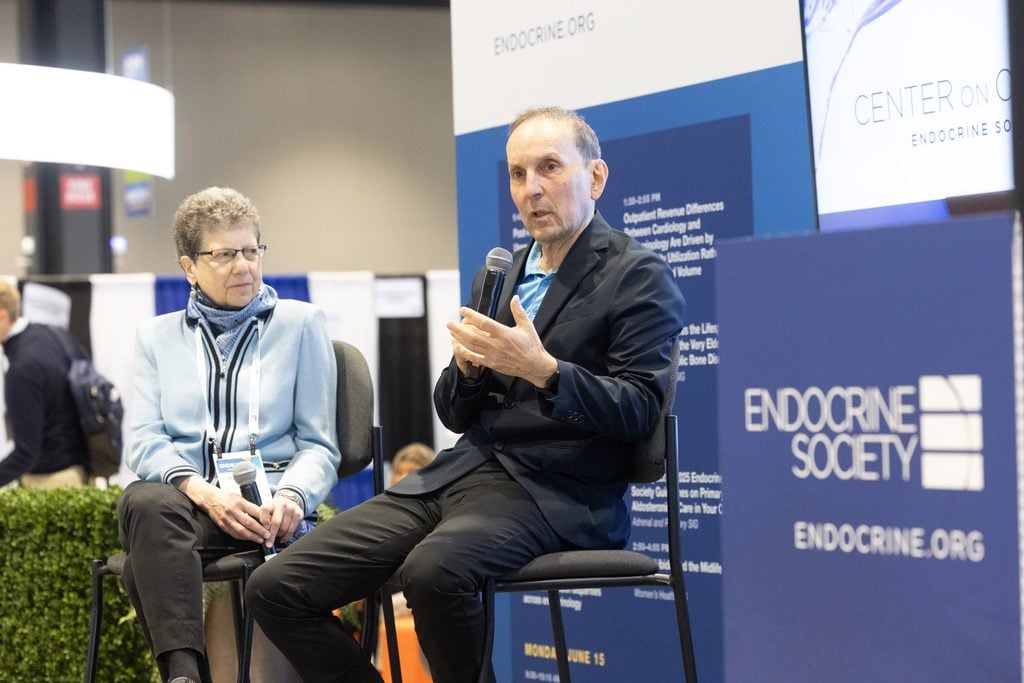
During a high-profile Q&A session on the expo floor, two of the field’s most distinguished figures—Daniel Drucker, MD, recipient of the 2025 Fred Conrad Koch Lifetime Achievement Award, and Barbara Kahn, MD, recipient of the 2025 Roy O. Greep Award for Outstanding Research—offered insights into the trajectory of these treatments. Drucker, a pioneer in the study of gut hormones at the Lunenfeld-Tanenbaum Research Institute, emphasized that while GLP-1s are currently the "gold standard," the ultimate goal of the medical community should be the eventual obsolescence of these drugs through systemic prevention.
Drucker challenged the audience to look toward 2036, imagining a world where researchers have successfully identified the environmental and genetic triggers that caused the global body mass index (BMI) to surge over the last four decades. "Ideally, in 2036, we would have figured out why we have gone from a population with an average BMI of 23 or 24 to this epidemic of obesity," Drucker stated. He noted that if the root causes—ranging from ultra-processed food systems to environmental chemical exposures—are addressed, the reliance on lifelong medication could be reduced. However, he acknowledged that if the need persists, the future should hold dozens of affordable, generic versions of these life-saving medications.
Nutritional Paradoxes and Carbohydrate Absorption
The conference also tackled more unconventional topics in nutrition science, including the "ice cream paradox." Endocrine Society President Nanette Santoro, MD, referenced a controversial 2023 report suggesting that moderate ice cream consumption might be associated with a reduced risk of heart disease in diabetic patients.
Barbara Kahn, the George Richards Minot Professor of Medicine at Harvard Medical School, provided a physiological explanation for this seemingly preposterous finding. She hypothesized that the high lipid content in ice cream might slow the absorption of carbohydrates, preventing the sharp glucose spikes that contribute to metabolic strain. Kahn further noted that ice cream contains fatty acid esters of hydroxy fatty acids (FAHFAs), which are also found in beneficial sources like breast milk, apples, and broccoli. While not an endorsement of a high-sugar diet, the discussion highlighted the complexity of nutrient interactions and the need for nuanced dietary guidelines that go beyond simple caloric counting.
Breaking Barriers: Addressing Disparities in Access
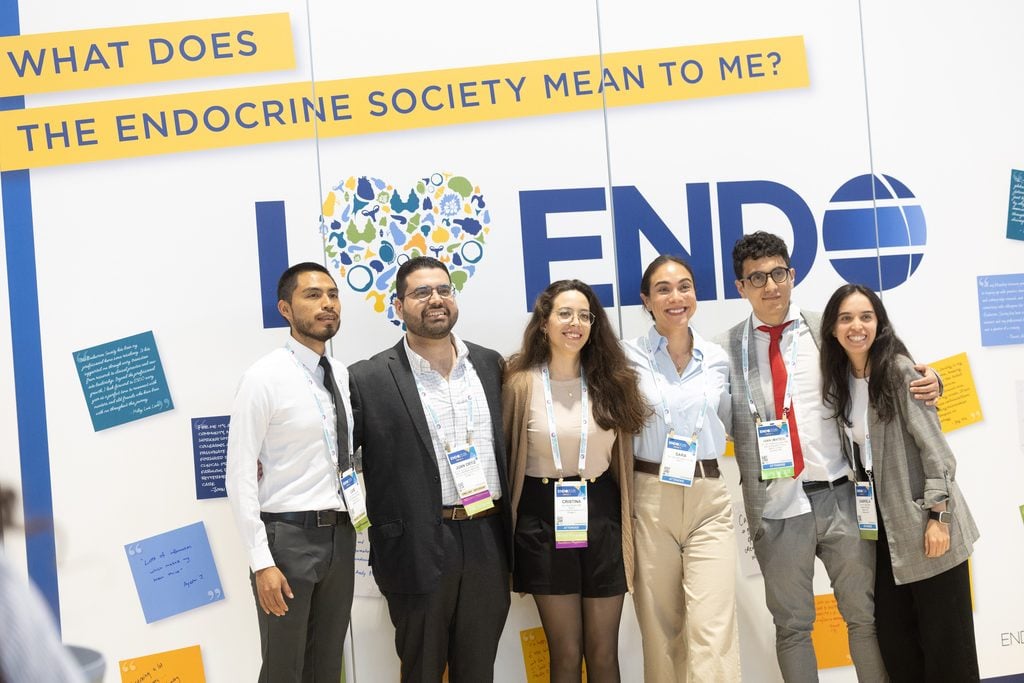
A significant portion of ENDO 2026 was dedicated to the systemic inequities that prevent underserved populations from accessing new medical breakthroughs. In a session titled "Breaking Barriers: Addressing Endocrine Disorders in Underserved Populations," experts highlighted a stark divide in healthcare delivery.
Eric Bomberg, MD, MAS, and Alicia Diaz-Thomas, MD, MPH, discussed how non-Hispanic White Americans have significantly higher rates of access to bariatric surgery and the latest obesity medications compared to Black, Hispanic, and Asian populations. This disparity persists even when accounting for education levels. The speakers noted that while nine medications are currently approved for obesity in the United States, the high cost and insurance hurdles create a "gatekeeping" effect.

In Canada, as Dr. Drucker pointed out, a month’s supply of semaglutide costs approximately $78 CAD—roughly the price of an Uber ride across a major city. In contrast, patients in the United States often face out-of-pocket costs exceeding $1,000 per month if they lack specific insurance coverage. The session concluded with a call to action for obesity to be universally recognized as a disease by all insurers, which would mandate coverage and reduce the financial burden on marginalized communities.
New Research: Napping, Gender Differences, and Menopause
Beyond the headlines of weight loss medications, the conference presented a wealth of diverse endocrine research. One notable study led by Chinese researchers, including Xuejiang Gu, MD, PhD, investigated the link between lifestyle habits and metabolic dysfunction-associated steatotic liver disease (MASLD). The study found that individuals with Type 2 diabetes who napped for longer than 30 minutes daily had a significantly higher risk of developing MASLD. The researchers suggested that long naps might interfere with circadian rhythms and metabolic processing, leading to the "nap wisely" public health message.
Another collaborative study involving 80,000 adults using tirzepatide revealed significant gender differences in drug efficacy. The research, led by Hans Johnson, found that women generally lost more weight on the medication than men. Furthermore, the presence of pre-existing conditions such as obstructive sleep apnea or high cholesterol was associated with slower weight loss, emphasizing the need for highly individualized treatment plans rather than a "one-size-fits-all" approach to metabolic health.
In the realm of women’s health, new data was presented on fezolinetant, a non-hormonal treatment for menopausal symptoms. Pauline M. Maki, PhD, of the University of Illinois Chicago, shared findings that the medication not only reduced hot flashes but also improved symptoms of depression and anxiety. This is particularly significant for women who cannot or choose not to use hormone replacement therapy (HRT), providing a validated alternative that addresses the holistic impact of the menopausal transition.
The Role of the Environment and Lifestyle
Despite the pharmaceutical excitement, the faculty at ENDO 2026 remained vocal about the importance of lifestyle and environmental reform. Dr. Kahn noted a lack of emphasis on physical activity within the commercial expo floor, jokingly suggesting that attendees should be on stationary bikes during the lectures.
The consensus among the plenary speakers was that the "obesogenic environment"—characterized by the prevalence of ultra-processed foods and sedentary lifestyles—remains the primary driver of the endocrine crisis. Drucker and Kahn both called for more research into how food manufacturing processes and environmental chemicals disrupt the endocrine system. They argued that while treating the symptoms of obesity with GLP-1s is a massive victory, the long-term health of the global population depends on a return to disease prevention.
Chronology of an Evolving Field
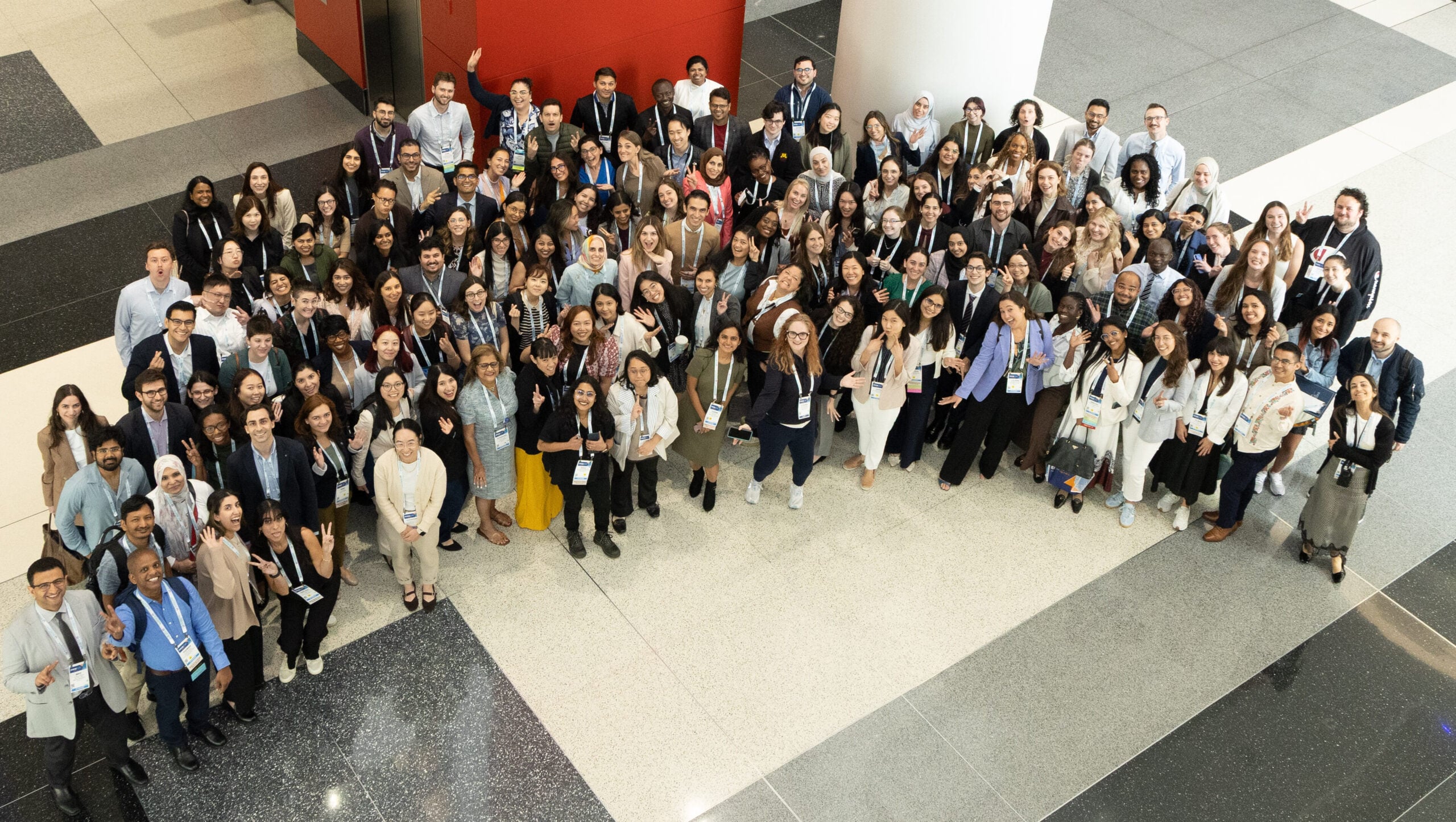
The four-day event began with the Early Career Forum, where former Society President Gary Hammer, MD, PhD, and others mentored the next generation of endocrinologists. This was followed by daily plenary sessions characterized by a sense of optimism, often led by 2025-2026 President Carol Lange, PhD.
The timeline of the conference reflected the current state of the medical field:
- Day 1: Focus on the "Next Gen" of researchers and the foundational science of hormones.
- Day 2: The "Big Reveal" of major clinical trial data and the Drucker/Kahn Q&A.
- Day 3: Deep dives into health equity and the social determinants of health.
- Day 4: Looking forward to 2036 and the integration of AI and precision medicine in endocrine care.
Conclusion: The Constant Evolution of Healthcare
As the meeting concluded, the metaphor of jazz returned to the forefront. Endocrinology, much like a complex musical arrangement, requires the ability to improvise in the face of new data while maintaining a steady rhythm of patient care. The "notes not played"—the research yet to be conducted and the treatments yet to be discovered—remain the most exciting prospect for the field.
The success of ENDO 2026 demonstrated that despite budget cuts and the turbulence of modern healthcare, the endocrine community remains "unflappable." By addressing both the microscopic (molecular pathways) and the macroscopic (global health equity), endocrinologists are not just reacting to the current health crisis; they are actively changing the course of medicine for the next decade and beyond. The introduction of GLP-1s may be the current crescendo, but the ongoing work in environmental health, health equity, and lifestyle intervention ensures that the symphony of endocrine progress will continue to evolve.
