

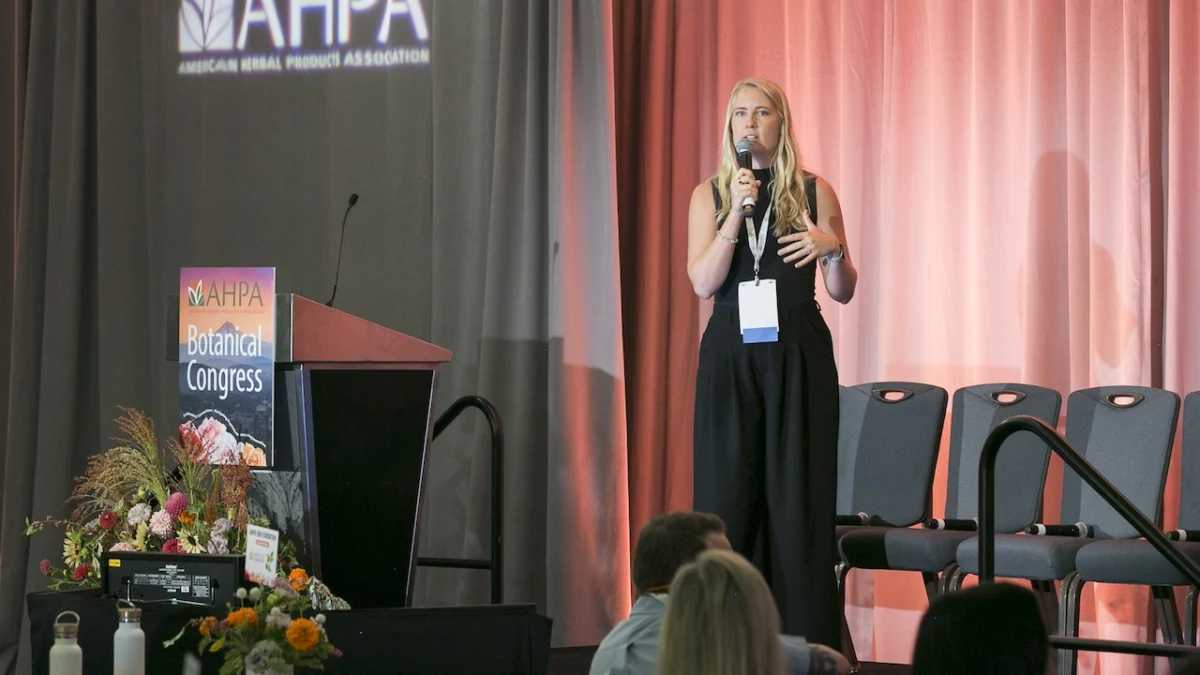
The American Herbal Products Association (AHPA) Botanical Congress convened in Portland, Oregon, on September 15 and 16, drawing together a diverse array of stakeholders from across the herbal and dietary supplement industries. This significant gathering, which has become a cornerstone event for professionals seeking to stay ahead of industry advancements, provided a platform for farmers, scientists, suppliers, and brand representatives to share insights, address challenges, and explore future opportunities. The two-day event featured a rich program of presentations and panel discussions, covering critical areas such as emerging consumer trends, the scientific validation of botanical products, and the evolving landscape of herbal ingredient sourcing and development.

A central theme woven throughout the congress was the increasing demand for robust scientific evidence to support the efficacy and safety of botanical supplements. This was underscored by Susan Hewlings, Ph.D., co-founder of consultancy Substantiation Sciences and senior VP of scientific affairs at Radicle Science. Hewlings emphasized that the current consumer environment, characterized by unprecedented access to information and the rise of AI-generated content, necessitates a higher standard of proof. "It’s not about the claims first; it’s about the science," she stated during her presentation on clinical trial design. Hewlings stressed the fundamental importance of understanding an ingredient’s identity, purity, strength, composition, and stability before embarking on any research. "These five are the difference between a study of your product and a study of something that shares its name," she explained, highlighting the critical need for product-specific validation to differentiate genuine scientific findings from anecdotal evidence. This sentiment resonated deeply within an industry often grappling with public perception and regulatory scrutiny. The implication for the dietary supplement industry is clear: companies must prioritize investment in well-designed, product-specific clinical trials to build consumer trust and meet evolving regulatory expectations.
The congress also provided a crucial update on AHPA’s commitment to enhancing industry knowledge and accessibility through its digital tools. Graham Rigby, president and CEO of AHPA, unveiled the AHPA Atlas, a sophisticated online resource designed to streamline the process for AHPA members in accessing comprehensive information on a wide range of botanicals. This innovative platform integrates data from AHPA’s foundational publications, including "Herbs of Commerce" and the "Botanical Safety Handbook," with the U.S. Food and Drug Administration’s (FDA) New Dietary Ingredient (NDI) database. By consolidating these critical data points into a single, searchable interface, the AHPA Atlas aims to empower industry professionals with quicker, more efficient access to vital information for product development, regulatory compliance, and market analysis. This initiative represents a significant step forward in providing the industry with the tools necessary to navigate the complexities of botanical ingredients and their regulatory pathways.
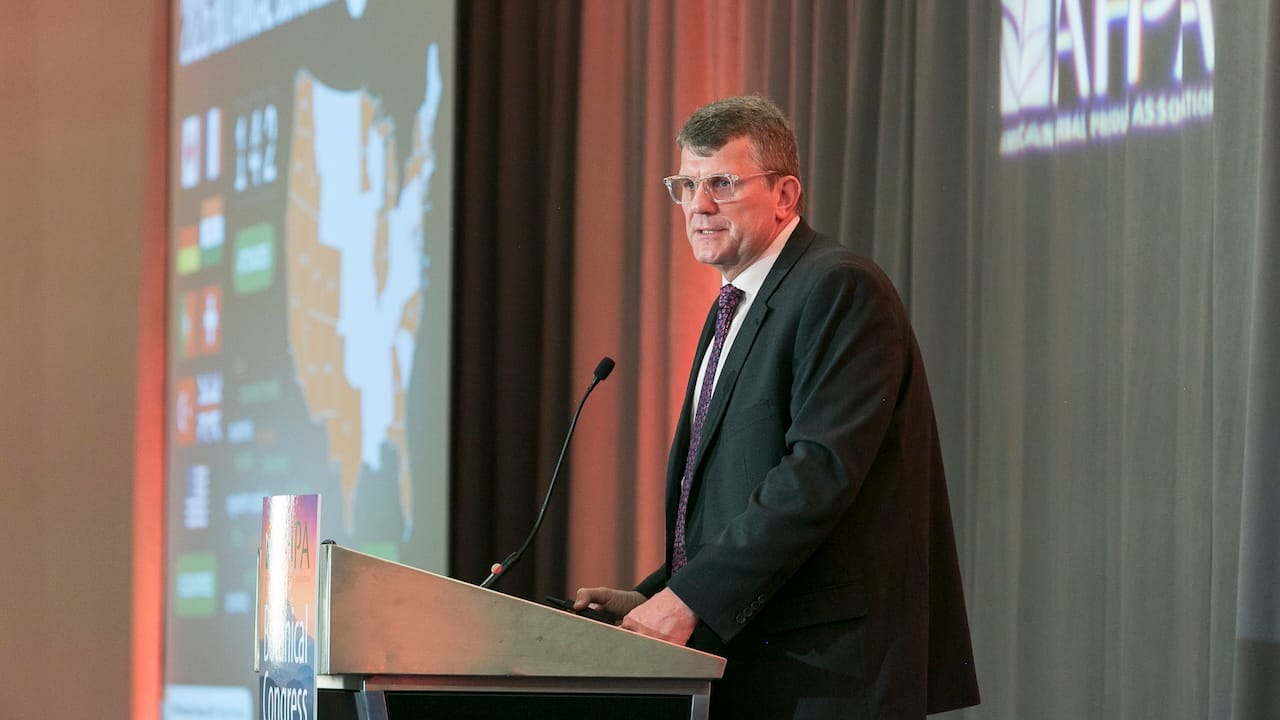
Consumer behavior and market dynamics were another focal point of the congress, with Erika Craft, data and insights manager at Nutrition Business Journal, delivering a compelling overview of current trends. Craft highlighted the robust growth of the herbs and botanicals category within the broader dietary supplement market, noting its position as the third-largest market share and the third-fastest-growing segment. This expansion, she explained, is largely driven by a demographic segment she termed "health optimizers." These predominantly younger consumers, who constitute 48% of the population, are actively incorporating botanical-based supplements into their wellness routines, often prioritizing them over foundational nutrients like vitamins and omega-3 fatty acids, which remain popular among older demographics. Craft’s analysis further revealed a notable shift towards herbal combination formulas, which are exhibiting faster growth rates compared to single-ingredient formulations. Moreover, e-commerce channels have emerged as the primary drivers of both market share and growth for botanical supplements, indicating a significant evolution in how consumers discover, purchase, and engage with these products. This data provides actionable intelligence for brands looking to tailor their product development and marketing strategies to resonate with key consumer segments and leverage the most effective distribution channels.
A compelling theme that emerged from the congress was the imperative to integrate women’s perspectives and expertise throughout the entire botanical product supply chain. This was powerfully articulated through presentations by Komal Baldwa, founder and CEO of ingredient supplier Waleria Biotech, and Maggie Luther, naturopathic doctor and VP of innovation and regulatory at supplement brand Biologica. Baldwa detailed the integral role women played in the development of Waleria Biotech’s flagship shatavari ingredient, from its cultivation in the field to the insights gleaned from clinical trials. She passionately argued that fostering female leadership within the industry is not merely a matter of diversity but a strategic imperative for driving innovation and addressing women’s health needs at a fundamental level. "If we bring women into leadership, we bring changes that address women’s health at the core," Baldwa asserted, posing the rhetorical yet potent question, "If not us, then who?"
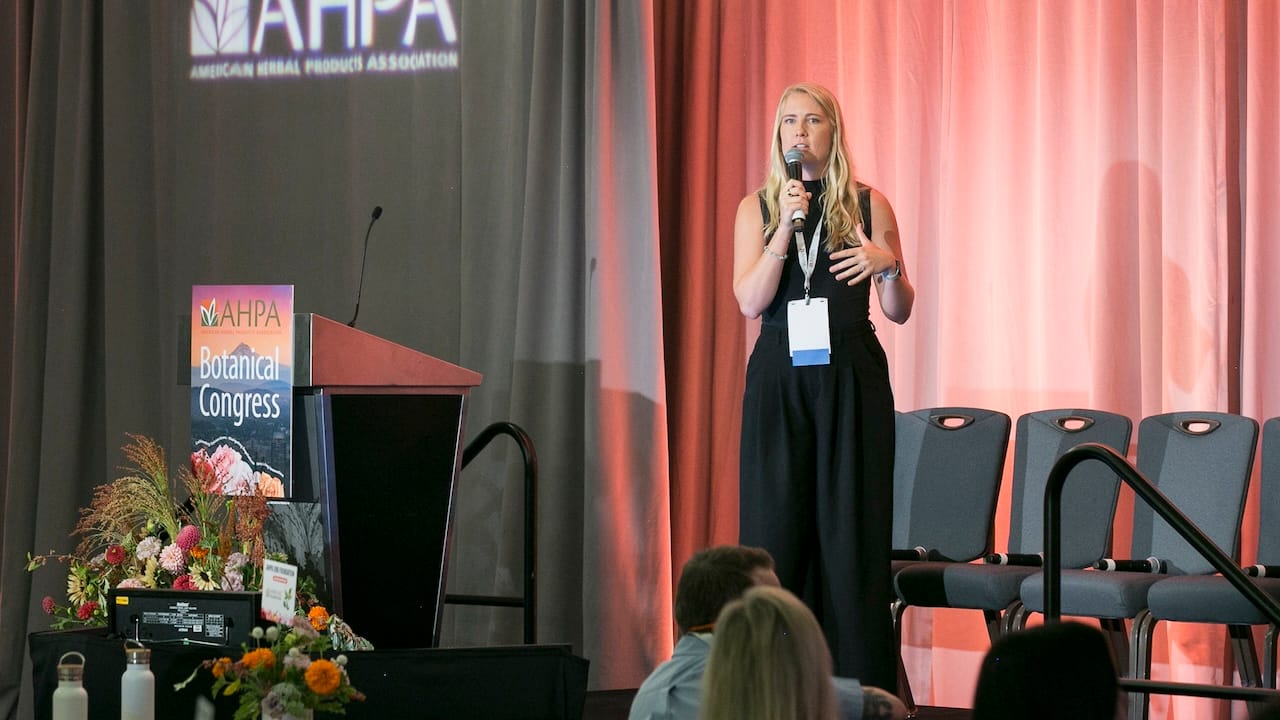
Complementing this perspective, Luther delved into the nuanced approach required for formulating products specifically for women. She advocated for moving beyond generalized, single-system formulations and instead focusing on the distinct physiological needs of women across different life stages. Luther’s work centers on striking a delicate balance between addressing dietary deficits and designing products that actively optimize biomarkers. She challenged the industry with a critical question: "Are we designing around her biological needs or settling for the lowest common denominator?" This call for a more targeted and science-informed approach to women’s health products, grounded in the expertise of women throughout the supply chain, signals a significant area of future development and innovation within the botanical supplement sector. The broader implication is a growing recognition that inclusive representation and targeted product development are not only ethical considerations but also drivers of market growth and consumer satisfaction.
The congress also featured a poignant personal account from Bill Rawls, M.D., founder and medical director of supplement brand Vital Plan. Dr. Rawls shared his journey of using herbal medicine to manage chronic illness, a deeply personal experience that fueled his dedication to educating others about the therapeutic potential of herbs. His presentation, "Herbs are Useful Ingredients for Longevity," posited that plants and mushrooms possess sophisticated chemical systems that enable them to thrive in their natural environments and combat stress factors. When consumers ingest these botanicals, Rawls explained, they are essentially harnessing the plant’s own protective mechanisms. He emphasized that these benefits operate at a cellular level, underscoring cellular health as a paramount component of achieving longevity. This perspective connects the ancient wisdom of herbalism with modern scientific understanding of cellular function and aging, offering a compelling narrative for the role of botanicals in promoting a longer, healthier life.
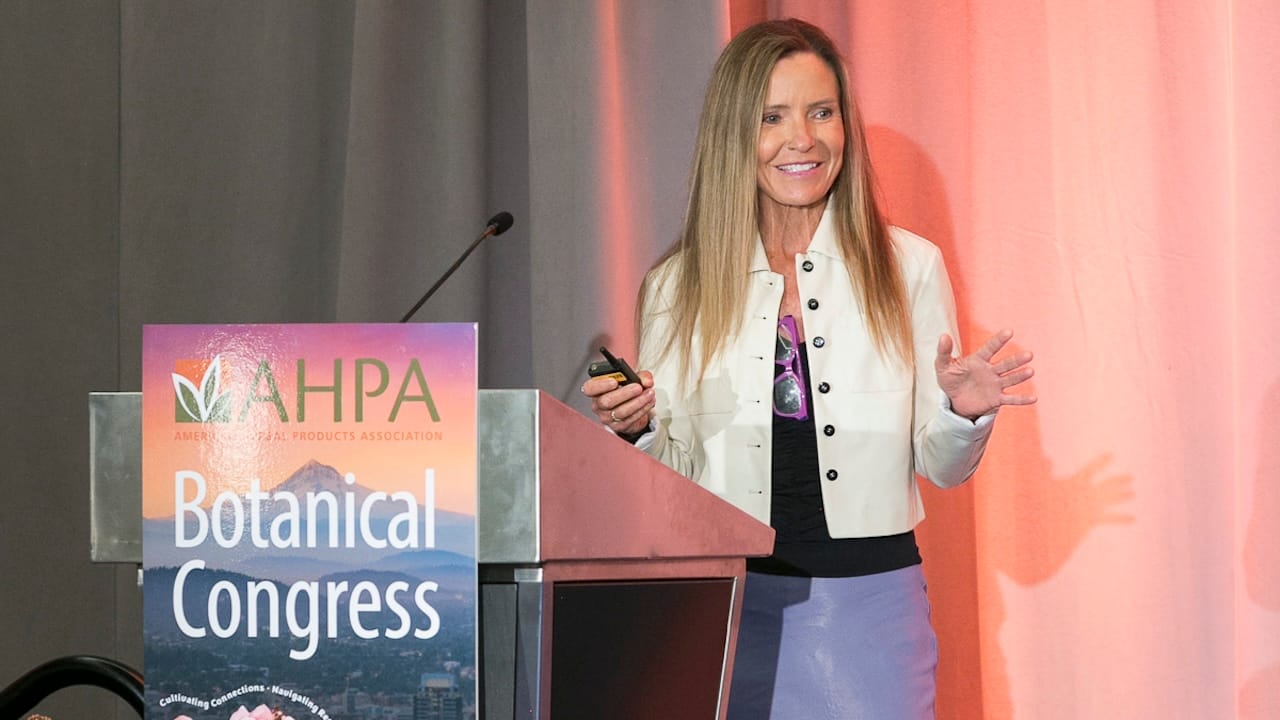
The discussions at the AHPA Botanical Congress collectively painted a picture of a dynamic and evolving industry. The emphasis on scientific validation, driven by informed consumers and the need for transparency, is shaping product development and marketing strategies. The rise of the "health optimizer" consumer demographic highlights a shift in wellness priorities, with botanicals playing an increasingly central role. Furthermore, the clear call for greater inclusion of women at all levels of the supply chain and a more nuanced approach to women’s health product formulation indicates a significant frontier for innovation. The launch of the AHPA Atlas demonstrates the industry’s proactive efforts to provide essential resources for navigating regulatory complexities and scientific data. As the dietary supplement industry continues to mature, the insights shared at this congress underscore a commitment to evidence-based approaches, consumer-centric innovation, and a more equitable and knowledgeable future for botanical products. The congress served as a vital forum for collaboration and forward-thinking, setting a clear trajectory for the industry’s continued growth and development in the years to come.
