

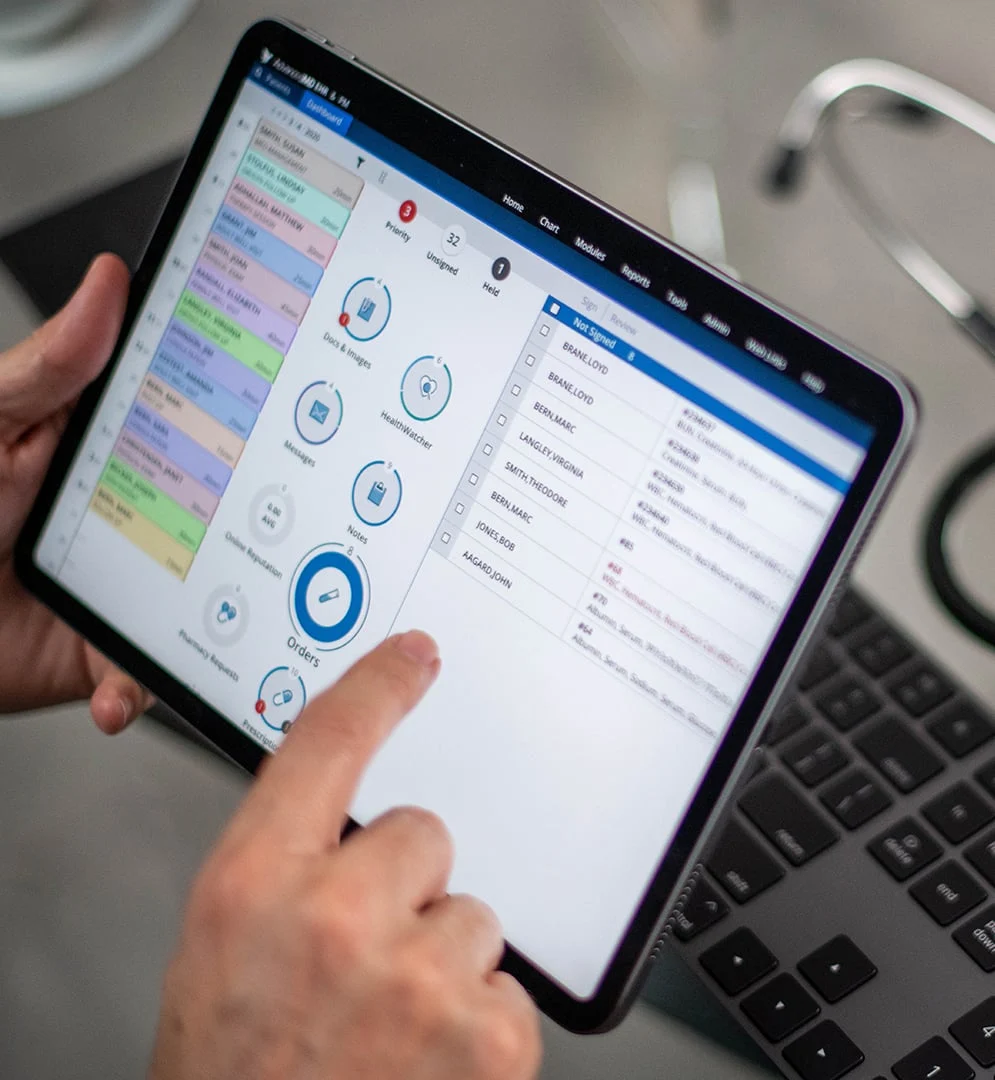
The modern endocrinology practice operates at the intersection of chronic disease management, complex laboratory analysis, and rapid technological advancement. For clinicians in this specialty, the Electronic Health Record (EHR) has evolved far beyond its initial conception as a digital repository for patient charts. Today, these platforms serve as the central nervous system of the clinic, integrating disparate data streams from continuous glucose monitors (CGMs), insulin pumps, and longitudinal lab results into a cohesive clinical picture. As the healthcare landscape shifts toward value-based care and population health management, the selection and optimization of an EHR platform have become critical determinants of both clinical outcomes and operational viability.
The Specialized Needs of Endocrine Medicine
Endocrinology is a data-intensive specialty. Unlike acute care settings where data may be transactional, endocrine care is longitudinal. A patient with Type 1 diabetes or a thyroid disorder may require decades of tracking across various physiological markers. Consequently, an effective EHR must facilitate the visualization of trends over time, such as A1C fluctuations, bone density changes in osteoporosis patients, or hormone level shifts in those undergoing replacement therapy.
Furthermore, the administrative burden of endocrinology has intensified. The rise of high-cost therapies, including GLP-1 receptor agonists and growth hormones, has led to a surge in prior authorization requirements. Modern EHRs are now tasked with automating these workflows to prevent physician burnout and ensure patient access to necessary medications. The following analysis examines the leading platforms currently shaping the field and the broader implications of their technological capabilities.
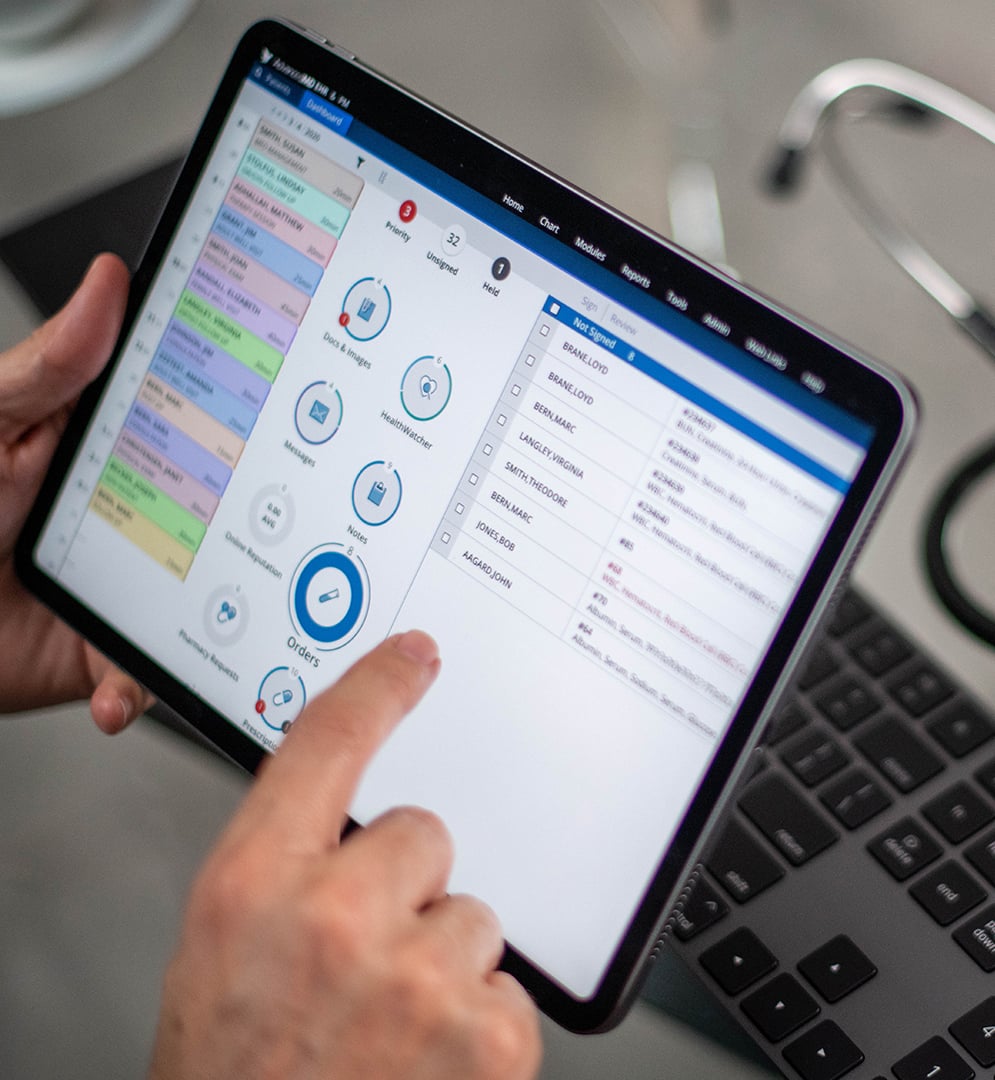
Epic: The Enterprise Standard for Interoperability
Epic Systems Corporation remains the dominant force in large-scale healthcare environments, particularly within academic medical centers and multi-specialty health systems. For endocrinologists working within these frameworks, the primary advantage is the "One Patient, One Record" philosophy. Epic’s robust infrastructure allows for seamless data sharing through its Care Everywhere network, which facilitates the exchange of millions of patient records daily across different health systems.
In the context of endocrine care, Epic provides sophisticated tools for managing multidisciplinary cases. Its ability to integrate growth charts for pediatric endocrinology, thyroid nodule surveillance tracking, and complex hormone therapy protocols makes it a preferred choice for clinicians managing high-acuity patients. One of the most significant recent advancements within the Epic ecosystem is the integration of third-party diabetes technology. By allowing data from CGMs and insulin pumps to flow directly into the clinical workflow, Epic reduces the need for clinicians to toggle between multiple proprietary software applications. This integration is supported by the platform’s "App Orchard," a marketplace that allows for the implementation of specialized tools tailored to niche clinical needs.
athenahealth: Cloud-Based Agility and Administrative Support
As many endocrine practices move toward independent or group-practice models, cloud-based solutions like athenahealth have gained significant traction. Unlike legacy on-premise systems, athenahealth utilizes a Software-as-a-Service (SaaS) model, ensuring that all users are operating on the same version of the software and that updates regarding billing codes or regulatory requirements are pushed out in real-time.
For the endocrinologist, athenahealth’s value proposition lies in its "athenaNet" network, which leverages data from across its entire user base to streamline the revenue cycle. This is particularly relevant for practices prescribing expensive medications. The platform’s integrated prior authorization tools and real-time prescription benefit checks allow clinicians to see the out-of-pocket costs for a patient before a script is even sent to the pharmacy. This level of transparency is essential in an era where medication adherence is often dictated by financial accessibility. Additionally, its patient engagement suite—featuring automated reminders and online scheduling—addresses the high "no-show" rates often seen in chronic disease management.
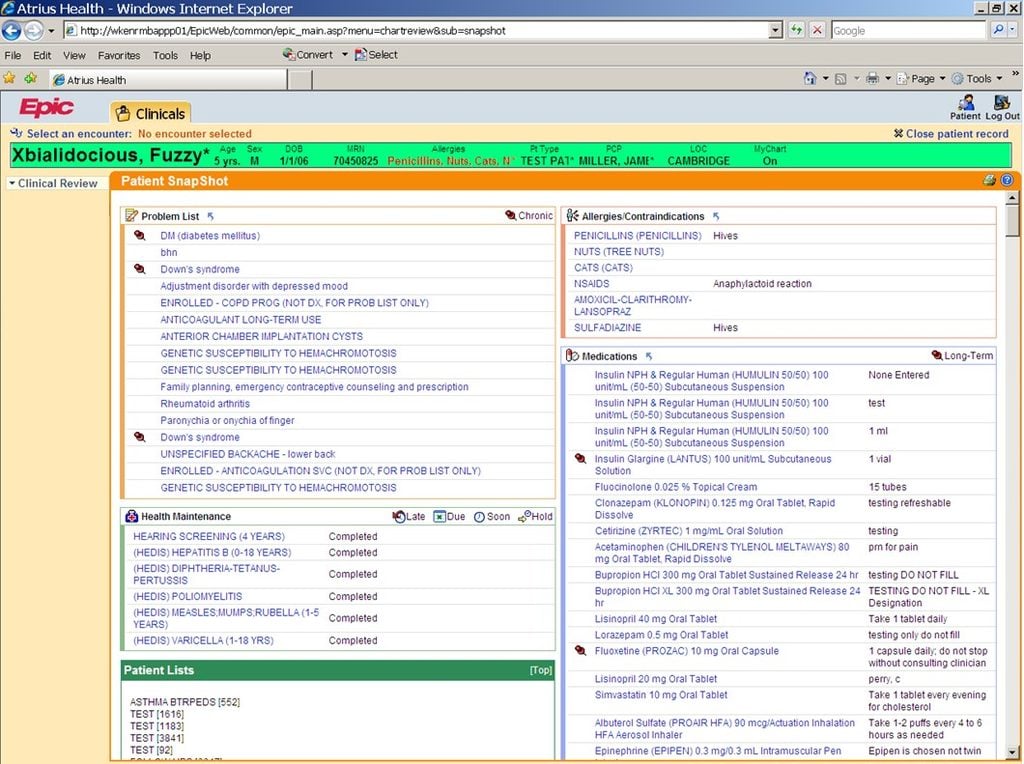
ModMed: Specialty-Specific Design and User Experience
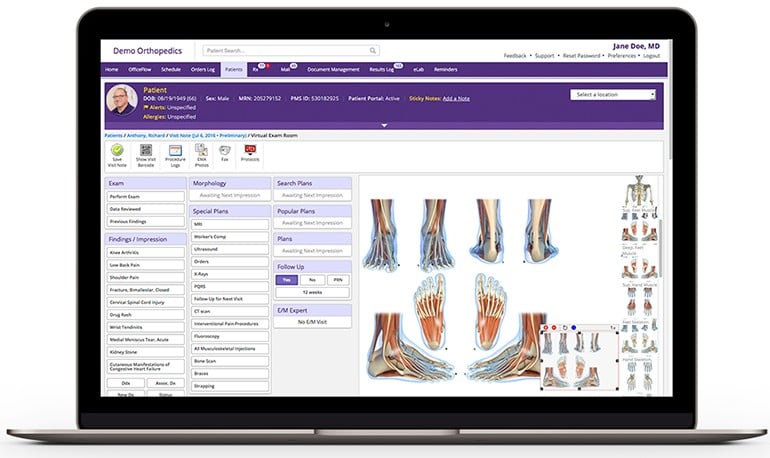
Modernizing Medicine, known as ModMed, has carved out a significant niche by focusing on the specific needs of specialty providers. The platform was built with the philosophy that a dermatologist, an orthopedist, and an endocrinologist should not be using the same generic interface. ModMed’s endocrinology-focused solution emphasizes "adaptive learning" technology. The system observes the clinician’s documentation patterns, eventually anticipating the most likely diagnoses, treatment plans, and prescriptions based on the individual provider’s history.
The mobile-first approach of ModMed is a distinct differentiator. Using tablet-based interfaces, clinicians can document at the point of care without a laptop screen acting as a physical barrier between them and the patient. For endocrinologists, the ability to quickly pull up laboratory trends or visualize insulin dosage adjustments on a handheld device enhances the consultative nature of the visit. The platform also focuses heavily on the "Quality Payment Program" (QPP), providing built-in dashboards to track MIPS (Merit-based Incentive Payment System) performance, which is vital for maximizing Medicare reimbursements.
eClinicalWorks: Population Health and Chronic Care Management
With over 150,000 providers using its system, eClinicalWorks (eCW) has positioned itself as a leader in the mid-market and community health sectors. For endocrinology, eCW’s strength lies in its population health toolkit, "HEDIS Analytics." This allows a practice to look beyond the individual patient and assess the health of their entire patient panel. For instance, a practice can generate a report of all diabetic patients with an A1C over 9.0% who have not had a follow-up appointment in the last six months.
The integration of telehealth via the "Healow" (Health and Online Wellness) platform has also been a boon for endocrine care, where many follow-up consultations regarding lab results or medication adjustments do not require a physical exam. By incorporating remote patient monitoring (RPM) data into the EHR, eClinicalWorks enables endocrinologists to bill for the time spent reviewing patient-generated health data, creating a new revenue stream while improving the frequency of clinical touchpoints.
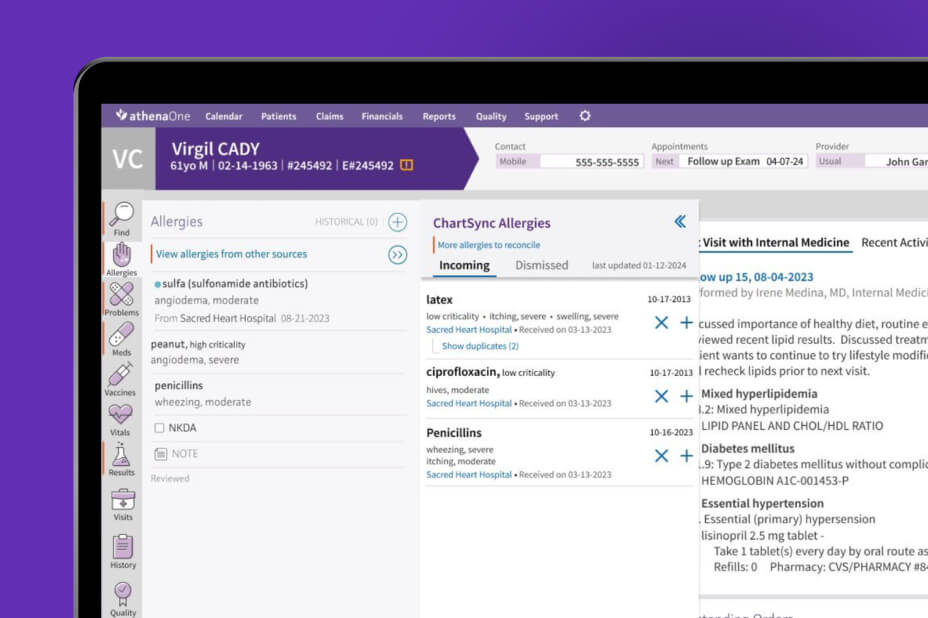
NextGen Healthcare: Coordinating the Care Continuum
Endocrine disorders rarely exist in a vacuum; they are often comorbid with cardiovascular disease, renal failure, or retinopathy. NextGen Healthcare focuses on the "connected care" model, emphasizing interoperability between the endocrinologist and the rest of the care team. Its "NextGen Share" tool simplifies the process of sending and receiving referrals and clinical summaries, ensuring that the primary care physician and the specialist are aligned.
For large endocrine groups, NextGen offers extensive customization. Practices can build specific templates for rare adrenal or pituitary disorders that might not be supported by "out-of-the-box" solutions. Furthermore, its automated outreach capabilities are designed to close "gaps in care." If a patient is due for an annual foot exam or a microalbuminuria screen, the system can automatically trigger a notification to the patient, reducing the administrative burden on the front-office staff.
AdvancedMD: Bridging Clinical and Business Operations
AdvancedMD is often recognized for its robust practice management and billing capabilities, which are integrated directly into its EHR. For an endocrinology practice, the "business of medicine" is increasingly complex. AdvancedMD’s cloud-based suite provides a unified dashboard where a practice manager can track everything from clinical outcomes to the percentage of clean claims submitted.
The platform’s "Workflow Dashboard" allows clinicians to see exactly where a patient is in their visit—from check-in to rooming to discharge. For endocrinologists managing high volumes of patients, this visibility is crucial for maintaining clinic throughput. The system’s ability to handle complex billing for hormone injections and in-office diagnostic testing makes it a strong contender for practices that prioritize financial health alongside clinical excellence.
Chronology of EHR Evolution in Specialty Care
The journey to these sophisticated systems began in earnest with the Health Information Technology for Economic and Clinical Health (HITECH) Act of 2009. This legislation provided financial incentives for the "meaningful use" of EHRs, sparking a decade of rapid adoption.
- 2009–2014: The era of adoption. Practices transitioned from paper to digital, often facing significant productivity losses as they adjusted to "clunky" early interfaces.
- 2015–2019: The era of interoperability. Focus shifted to the 21st Century Cures Act, which mandated that health IT systems allow for the exchange of data without "information blocking."
- 2020–Present: The era of integration and AI. The COVID-19 pandemic accelerated the adoption of telehealth and remote monitoring, forcing EHRs to integrate video and wearable data into the core clinical record.
Data-Driven Insights and Market Trends
Recent market analysis suggests that the global EHR market is expected to reach over $47 billion by 2030, with a significant portion of that growth driven by specialized clinical modules. In endocrinology, the "data explosion" is a primary driver. A single patient using a CGM generates approximately 288 glucose data points per day. Multiplied by a patient load of several hundred, the volume of data is staggering.
Industry experts suggest that the next frontier for these platforms is predictive analytics. Instead of merely reporting that a patient’s A1C is rising, the EHR of the near future will use machine learning algorithms to predict which patients are at the highest risk for developing complications like diabetic ketoacidosis or thyroid storm based on subtle patterns in their data.
The Broader Impact: From Burnout to Empowerment
The transition to high-functioning EHRs is not without its challenges. "EHR burnout" remains a significant concern in the medical community, with many physicians citing excessive documentation time as a primary cause of professional dissatisfaction. However, the move toward specialty-focused, automated, and AI-enhanced systems aims to mitigate these issues.
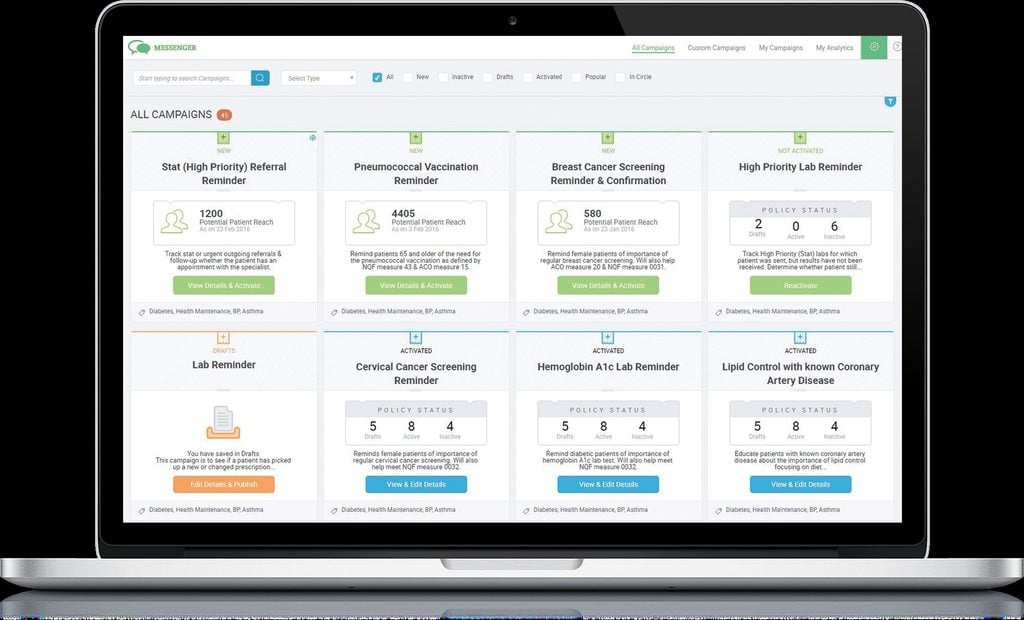
By automating the "drudge work" of medicine—such as filling out prior authorization forms or manually plotting growth charts—these platforms allow endocrinologists to return to the core of their profession: clinical problem-solving and patient interaction. The integration of patient-generated data also empowers the patient, transforming the EHR from a provider-only tool into a collaborative platform for health management.
Conclusion: Navigating the Future of Endocrine Care
As the field of endocrinology continues to evolve with new pharmaceutical breakthroughs and wearable technologies, the EHR will remain the indispensable tool that ties these advancements together. Whether it is a large-scale system like Epic or a specialty-focused platform like ModMed, the "right" choice depends on the specific goals of the practice—be it academic research, independent growth, or population health management.
The ultimate success of these digital platforms will be measured not by the complexity of their features, but by their ability to provide clear, actionable insights that improve the lives of patients living with chronic endocrine conditions. As data becomes the lifeblood of modern medicine, the endocrinologists who leverage these tools most effectively will be best positioned to lead the specialty into a new era of precision medicine.
