

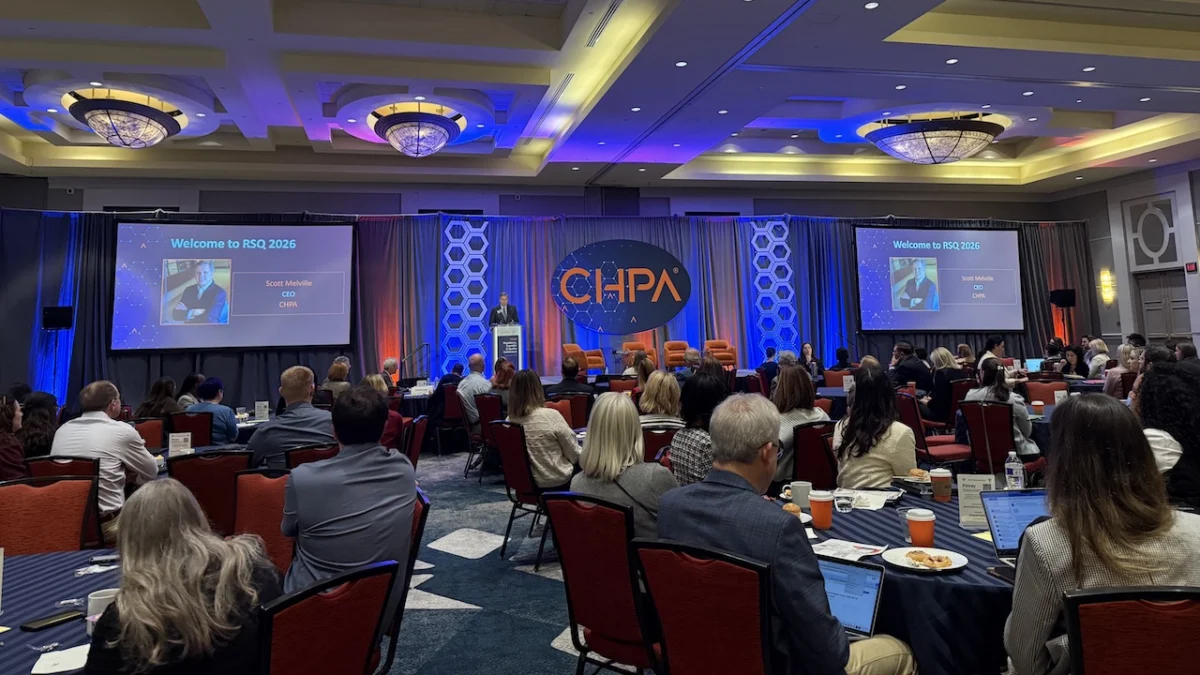
"We work AT our organizations; we work FOR the consumer," declared Julie Aker, VP and General Manager at IQVIA, a leading technology solutions provider for the life sciences industry, as she accepted the prestigious 2026 William Cooley Regulatory & Scientific Affairs Career Achievement Award. This profound statement resonated throughout the Consumer Health Products Association (CHPA) Regulatory, Scientific & Quality (RSQ) conference, held in September 2026 in Rockville, Maryland. The event convened a diverse array of regulatory specialists from the dietary supplement, over-the-counter (OTC) medication, medical device, and personal care sectors, all converging to dissect the latest advancements and persistent challenges shaping the consumer health landscape. This report distills the most salient insights, with a particular focus on their implications for the burgeoning dietary supplement industry.
The conference, a cornerstone event for industry stakeholders seeking to stay abreast of critical regulatory, scientific, and quality developments, provided a crucial platform for dialogue between industry leaders and regulatory bodies like the U.S. Food and Drug Administration (FDA). Against a backdrop of increasing consumer scrutiny and evolving global regulatory frameworks, the RSQ conference served as a vital forum for strategic alignment and knowledge exchange, underscoring the collective commitment to consumer well-being.
The Unwavering Imperative: Shared Responsibility for Safety and Quality Across the Entire Supply Chain
In an era marked by a significant uptick in food recalls, including the widely publicized "diarrhea lettuce" incidents and a series of salmonella outbreaks linked to dietary supplements, the paramount importance of safety and quality was a recurring and urgent theme at the RSQ conference. Dr. Haijing Hu, Supervisory Scientific Reviewer at the FDA, presented a sobering overview of recent challenges, detailing four salmonella outbreaks in dietary supplements since October 2025. Among these, the recalls associated with contaminated moringa (Moringa oleifera) powder, commonly found in "greens" products, stood out as particularly illustrative. Dr. Hu emphasized that these incidents signal a systemic breakdown in both the Foreign Supplier Verification Program (FSVP) and the adherence to current Good Manufacturing Practices (cGMPs).
This stark reality underscored a fundamental principle discussed throughout the conference: regardless of a company’s specific position within the dietary ingredient supply chain, ultimate responsibility for product safety rests collectively. "Using a contract testing lab does not transfer responsibility," Dr. Hu firmly stated, a sentiment that reverberated across multiple sessions. This assertion highlights that outsourcing quality control measures does not absolve a company of its legal and ethical obligations to ensure product integrity.
Further reinforcing this message, Siobhan Taylor and Gary Pecic, both distinguished dietary supplement national experts for the FDA, elaborated on the multifaceted roles and responsibilities of various stakeholders. They stressed that manufacturers, brand owners, and warehouse operators must all diligently implement measures to prevent product adulteration. While specific regulatory requirements may vary for each entity, the overarching commitment to safety serves as the unifying thread. "We’re talking about things that impact someone’s health," Taylor remarked, a poignant reminder of the profound implications of their work. This perspective emphasizes that the consumer’s well-being is not merely a regulatory compliance issue, but a fundamental human concern that demands the highest standards of diligence from all parties involved. The FDA’s intensified focus on these systemic failures suggests a proactive approach to identifying and rectifying vulnerabilities that could compromise public health.
Artificial Intelligence: A Double-Edged Sword in Regulatory and Private Sector Operations
Artificial intelligence (AI) emerged as a prominent and provocative theme, recognized for its potential to revolutionize everything from healthcare workflows to the streamlining of regulatory review processes. Keynote speaker Dr. Barry Chaikan succinctly captured the essence of AI’s promise and peril: "AI with knowledge works great. AI without knowledge works poorly." He issued a compelling challenge to attendees, urging them to view AI not as a profit-generating tool, but rather as a supportive element akin to nursing staff, with a primary focus on patient well-being.
Phil Yeager, Ph.D., Director of the Division of Research and Evaluation at the FDA, revealed that numerous offices, including the Office of Dietary Supplement Programs (ODSP), are actively exploring the integration of AI to enhance the gathering, organization, and assimilation of scientific evidence. This indicates a forward-thinking approach by regulatory bodies to leverage technological advancements for more efficient and effective oversight.
Christine Landry, Partner for Global Healthcare at IT infrastructure services provider Kyndryl, echoed the sentiment that AI’s utility is contingent upon the establishment of robust "guardrails." She posited that AI excels at information gathering, thereby freeing up human experts to dedicate their valuable time to the critical task of evaluating that information. This collaborative human-AI model, when implemented thoughtfully, holds the potential to accelerate innovation and improve decision-making processes within the consumer health sector. The strategic adoption of AI, therefore, represents not just an opportunity for efficiency, but a crucial step in enhancing the analytical capabilities of both industry and regulatory bodies.
The Dynamic Regulatory Frontier: Federal and State Jurisdictions in Flux
The regulatory landscape for dietary supplements continues its dynamic evolution, characterized by significant developments at both the federal and state levels. The public meeting held in March 2026 to address the definition of dietary ingredients, coupled with the unveiling of proposed Generally Recognized As Safe (GRAS) guidance in August 2026, signaled a period of intense scrutiny and potential change. Stakeholders within the dietary supplement industry were keenly focused on these pending regulatory shifts. The ODSP, under the leadership of Cara Welch, is undertaking a comprehensive re-evaluation of existing regulations and guidance documents. This review aims to discern which provisions can be advanced to better serve consumers and support industry growth, while also identifying any that may hinder progress or fail to provide tangible consumer benefits.
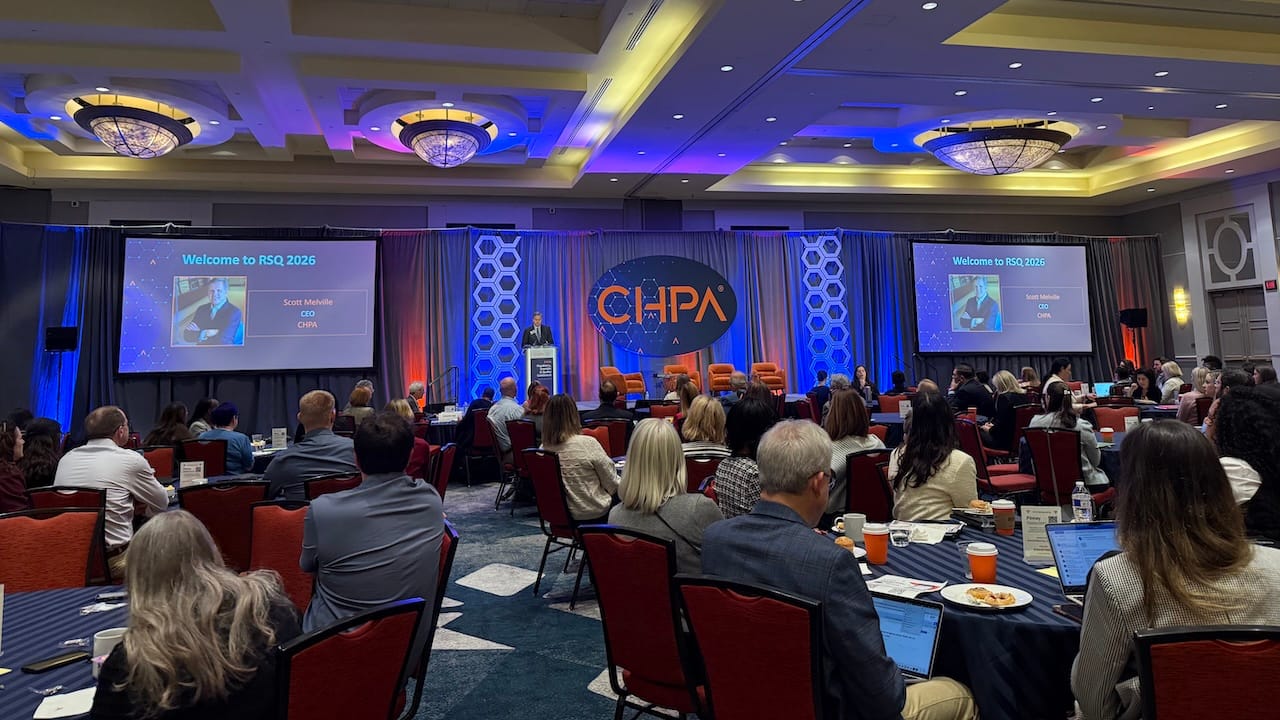
Director Welch acknowledged that determining whether a substance qualifies as a dietary ingredient can present a significant challenge for many firms. Her office is meticulously reviewing all feedback received following the public meeting, with the objective of making tangible advancements in modernizing the definition of a dietary ingredient within the coming year. This ongoing dialogue is crucial for ensuring clarity and predictability for businesses operating in this space.
The proliferation of state-level legislation was another subject of extensive discussion. In light of a growing patchwork of regulations across the country and the comparatively rapid pace at which state legislatures can enact changes compared to federal bodies, industry participants are increasingly concerned about regulatory fragmentation. Carlos Gutierrez, VP for State and Local Government Affairs at CHPA, expressed a pragmatic view, suggesting that federal preemption in this area remains a "long shot." His admonition was clear: "You ignore state capitols and legislature at your own risk." This underscores the critical need for industry to maintain a vigilant and proactive stance on state-level legislative initiatives.
Mike Prentiss, Senior Director of State Government Regulations at Procter & Gamble, offered actionable advice, urging companies to "do the 411 before the 911." This prescient counsel emphasizes the importance of cultivating relationships with key stakeholders and initiating advocacy efforts long before crucial votes occur. He further stressed that "cross-functional collaboration has never been more important," advocating for the industry to meet lawmakers where they are and align their efforts with legislators’ core concerns. This strategic approach to engagement is vital for navigating the complex and often fragmented regulatory environment at the state level.
Innovation Persists Amidst Regulatory Ambiguity
Despite the ongoing efforts by the FDA to streamline processes and clarify regulatory guidance, industry innovation has demonstrably not abated. Dr. Yeager reported an increase in New Dietary Ingredient (NDI) submissions during 2025 and 2026, and Director Welch noted that "seeing new ingredients come into the program every day." This sustained pace of innovation highlights the industry’s resilience and its commitment to developing novel products.
Dr. Yeager articulated a guiding principle for this progress: "We have to innovate, but we have to hold to the safety standard." This sentiment encapsulates the delicate balance between pushing the boundaries of scientific discovery and upholding the non-negotiable requirement of consumer safety.
Diane McEnroe, a partner at the international law firm Sidley Austin, expressed hope that the proposed GRAS rule would not inadvertently stifle innovation. She observed that the onus will fall on individual businesses to assess the risks associated with bringing new ingredients to market while their submissions are under FDA review. McEnroe advocated for the FDA to place a greater emphasis on developing a "workable" NDI notification (NDIN) process, suggesting that current procedures may present obstacles to timely market entry.
Presentations by Oliver Catlin, President of the Banned Substances Control Group, and Ashish Talati, Founding Member of Talati Law Firm, focused on the burgeoning field of peptides. This category presents a complex intersection of diverse market access pathways, high consumer interest, and evolving regulatory frameworks that have yet to fully catch up with the pace of innovation. Talati articulated a common dichotomy: "The market asks, ‘Does it work?’ While the FDA asks, ‘Can it legally be sold?’" His projections for how the FDA will address this rapidly evolving category included an increased focus on peptide ingredient identity and characterization, heightened scrutiny of precision fermentation and synthetic biology processes, and a more proactive application of drug exclusion principles. He also cautioned that AI-designed peptides are increasingly capturing the attention of the FDA, signaling a new frontier in regulatory oversight.
Operational Efficiency and Resource Management: Top Priorities for Regulatory Agencies
Discussions with several FDA officials revealed that staffing challenges, particularly a shortage of facility inspectors, remain a significant concern. While the agency is actively onboarding new personnel, there is a palpable emphasis on adopting more efficient and strategic approaches to work. Both Director Welch and Dr. Yeager underscored the critical importance of effective risk management prioritization, with Dr. Yeager characterizing this shift as a "paradigm shift."
Director Welch highlighted the substantial workload involved in maintaining robust surveillance systems and indicated that her office is cautiously exploring AI as a tool to streamline these processes. "I want to make sure employees can be effective and impactful with the resources that they have," Welch stated, emphasizing the need to optimize existing capabilities.
The FDA is also focused on enhancing internal resource alignment where appropriate. Welch noted that the ODSP has experienced significant positive impact through closer collaboration with the Food Chemicals Program, recognizing that the scientific principles governing ingredients are consistent, whether they are intended for food or supplements. She sees a valuable opportunity for dietary supplements to receive more focused attention within the Human Foods Program, facilitating coordinated efforts and fostering cross-pillar collaboration in areas such as nutrition and microbiological safety.
Ultimately, Director Welch distilled the core objectives of regulatory oversight into three fundamental priorities: product safety, product integrity, and empowering consumers to make informed decisions. She posed two critical questions that encapsulate the mission: "How can we facilitate industry producing high-quality, safe, properly labeled products? How can we facilitate consumers and healthcare providers to make informed decisions about products they purchase?" These overarching goals serve as the guiding compass for the CHPA RSQ conference and the ongoing efforts to ensure a robust and trustworthy consumer health product market. The collective insights from this gathering underscore the dynamic nature of the industry, the critical role of regulatory vigilance, and the unwavering commitment to consumer well-being in an ever-evolving global marketplace.
