

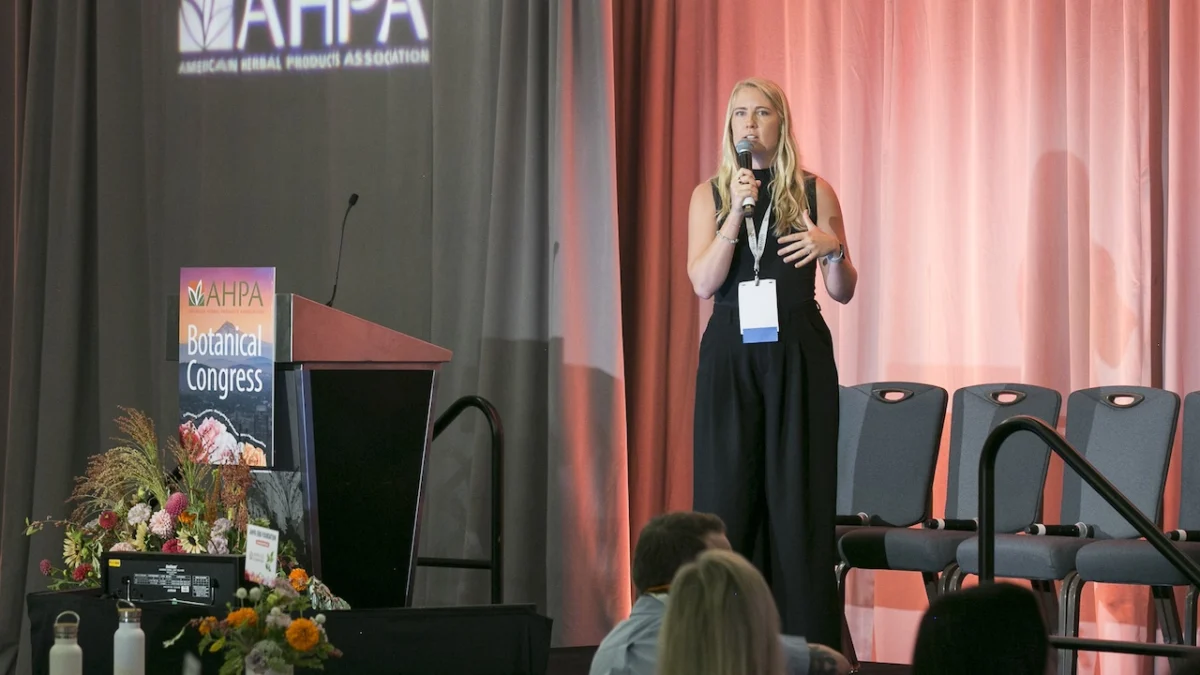
The American Herbal Products Association (AHPA) convened its annual Botanical Congress in Portland, Oregon, on September 15th and 16th, drawing a diverse assembly of industry leaders, from the fields where botanicals are cultivated to the laboratories where their efficacy is scientifically validated, and onto the boardrooms of major brands. This pivotal event served as a crucial forum for stakeholders across the entire herbal product supply chain to exchange insights, address emerging challenges, and chart the future trajectory of the botanical and dietary supplement industries. Attendees were immersed in a rich program featuring firsthand accounts from growers, in-depth presentations on evolving consumer preferences, meticulous discussions on clinical trial methodologies, and explorations into groundbreaking innovations in herbal product development. The congress underscored the dynamic nature of the botanical market and its increasing integration into mainstream health and wellness strategies.
AHPA Fortifies Industry Foundation with the Launch of the AHPA Atlas
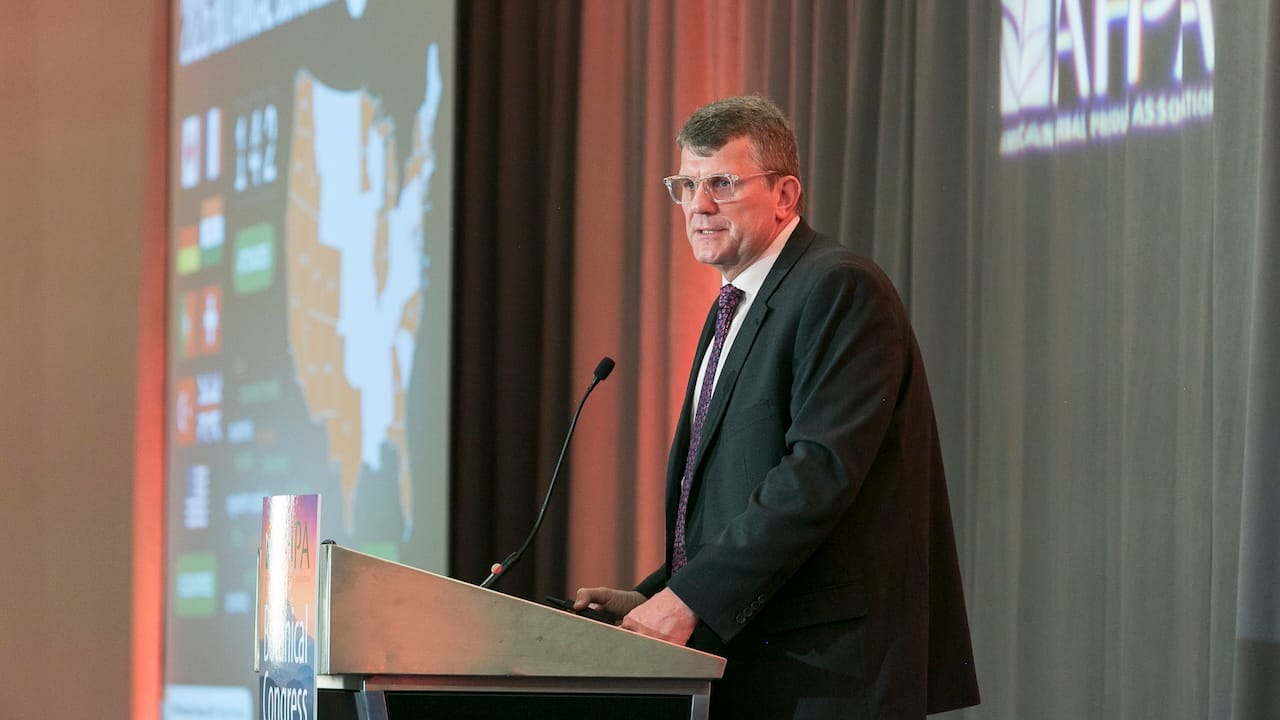
A cornerstone announcement at the congress was the unveiling of the AHPA Atlas, a sophisticated digital resource designed to empower AHPA members with rapid and comprehensive access to botanical information. Graham Rigby, President and CEO of AHPA, presented the Atlas, highlighting its capacity to consolidate data from multiple authoritative sources into a single, user-friendly platform. This initiative represents a significant step forward in standardizing and disseminating critical information within the industry.

The AHPA Atlas meticulously integrates data from established AHPA publications, including "Herbs of Commerce" and the "Botanical Safety Handbook," ensuring a robust foundation of knowledge. Crucially, it also incorporates information from the U.S. Food and Drug Administration’s (FDA) New Dietary Ingredient (NDI) database. This cross-referencing capability is invaluable for navigating the complex regulatory landscape and ensuring compliance. For companies involved in the development and marketing of dietary supplements, the Atlas provides an essential tool for due diligence, ingredient sourcing, and substantiating product claims. The integration of these disparate data sets addresses a long-standing need for a centralized, reliable source of botanical intelligence, fostering greater transparency and reducing the potential for misinformation. This proactive measure by AHPA demonstrates a commitment to providing its members with the tools necessary to operate effectively and responsibly in a rapidly evolving market.
The Rise of the "Health Optimizer": Shifting Consumer Demographics and Preferences
Erika Craft, Data and Insights Manager at Nutrition Business Journal, delivered a compelling presentation on current consumer trends, positioning herbs and botanicals as a rapidly ascending force within the dietary supplement market. Her analysis revealed that this category now commands the third-largest market share and exhibits the third-fastest growth rate among all dietary supplement segments. This impressive expansion is largely attributed to a burgeoning demographic known as "health optimizers."
Craft defined health optimizers as predominantly younger consumers who constitute approximately 48% of the population. This segment is characterized by its proactive approach to health and wellness, actively seeking out botanical-based supplements to enhance their well-being. In contrast, older consumer demographics tend to prioritize foundational nutrients such as vitamins and omega-3 fatty acids. The insights presented by Craft underscore a significant generational shift in supplement consumption, with younger consumers demonstrating a greater affinity for natural and plant-derived solutions.
Further analysis from Craft’s presentation indicated a notable trend towards herbal combination formulas outpacing single-ingredient formulations in terms of growth. This suggests a consumer desire for synergistic formulations that offer multifaceted benefits. Moreover, e-commerce channels have emerged as the dominant force driving both market share and growth for botanical supplements, reflecting broader shifts in retail behavior and consumer purchasing habits. The implications for brands are clear: a focus on targeted, multi-ingredient formulations and a robust digital presence are becoming increasingly critical for success in the botanical supplement space.
The Imperative of Product-Specific Science in an Evidence-Driven Market
In an era of unprecedented information access, amplified by artificial intelligence and the democratization of expertise, the demand for verifiable evidence supporting dietary supplements has reached an all-time high. Susan Hewlings, Ph.D., Co-founder of consultancy Substantiation Sciences and Senior VP of Scientific Affairs at contract research organization Radicle Science, articulated this critical need during her session on clinical trial design. "It’s not about the claims first; it’s about the science," Hewlings asserted, emphasizing that the credibility of botanical products hinges on robust, product-specific scientific validation.
Hewlings underscored that consumers are increasingly discerning, actively seeking transparency and evidence to support the efficacy and safety of the supplements they choose. This heightened consumer awareness places a significant onus on manufacturers and ingredient suppliers to move beyond generalized claims and invest in rigorous scientific investigation.
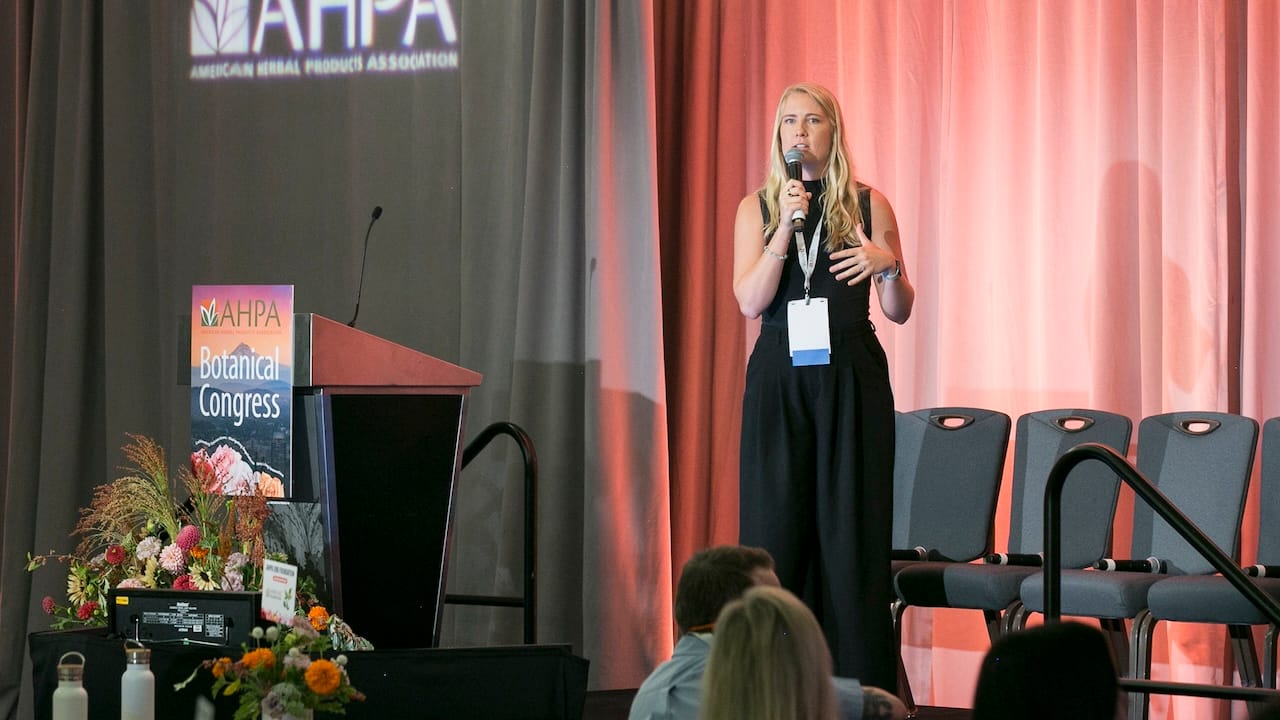
Crucially, Hewlings outlined the fundamental pillars of scientific substantiation that must precede any clinical investigation. She stressed the paramount importance of establishing identity, purity, strength, composition, and stability of an ingredient or product. "These five are the difference between a study of your product and a study of something that shares its name," she explained, highlighting the potential for misleading results if these foundational elements are not meticulously addressed. This focus on the integrity of the product itself ensures that research findings are directly attributable to the specific ingredient or formulation being studied, thereby building a foundation of trust and reliability for consumers and the industry at large. The implication for the market is a move towards greater scientific accountability, where products backed by sound, specific research will gain a competitive advantage.
Elevating Women’s Health: Integrating Female Perspectives Across the Supply Chain
A recurring theme throughout the congress was the critical importance of involving women at every stage of the herbal product lifecycle, from cultivation and ingredient sourcing to product formulation and leadership. Two prominent industry figures shed light on this imperative.
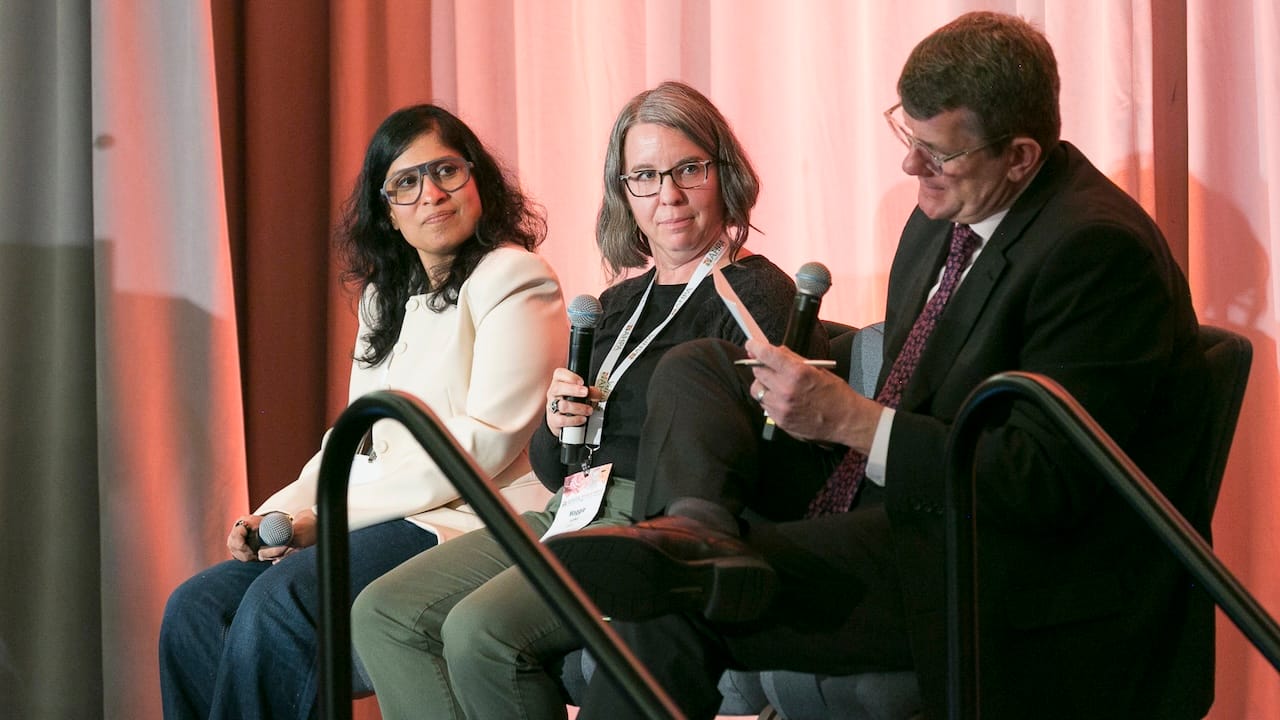
Maggie Luther, a naturopathic doctor and VP of Innovation and Regulatory at supplement brand Biologica, discussed the nuanced approach required when formulating products for women. Luther advocated for moving beyond generalized, single-system formulations to embrace strategies that cater to specific physiological needs at different life stages. Her recent work has focused on developing products that not only address potential dietary deficits but also optimize key biomarkers relevant to female health. Luther posed a thought-provoking question to the audience: "Are we designing around her biological needs or settling for the lowest common denominator?" This challenge encourages a more sophisticated and women-centric approach to product development.
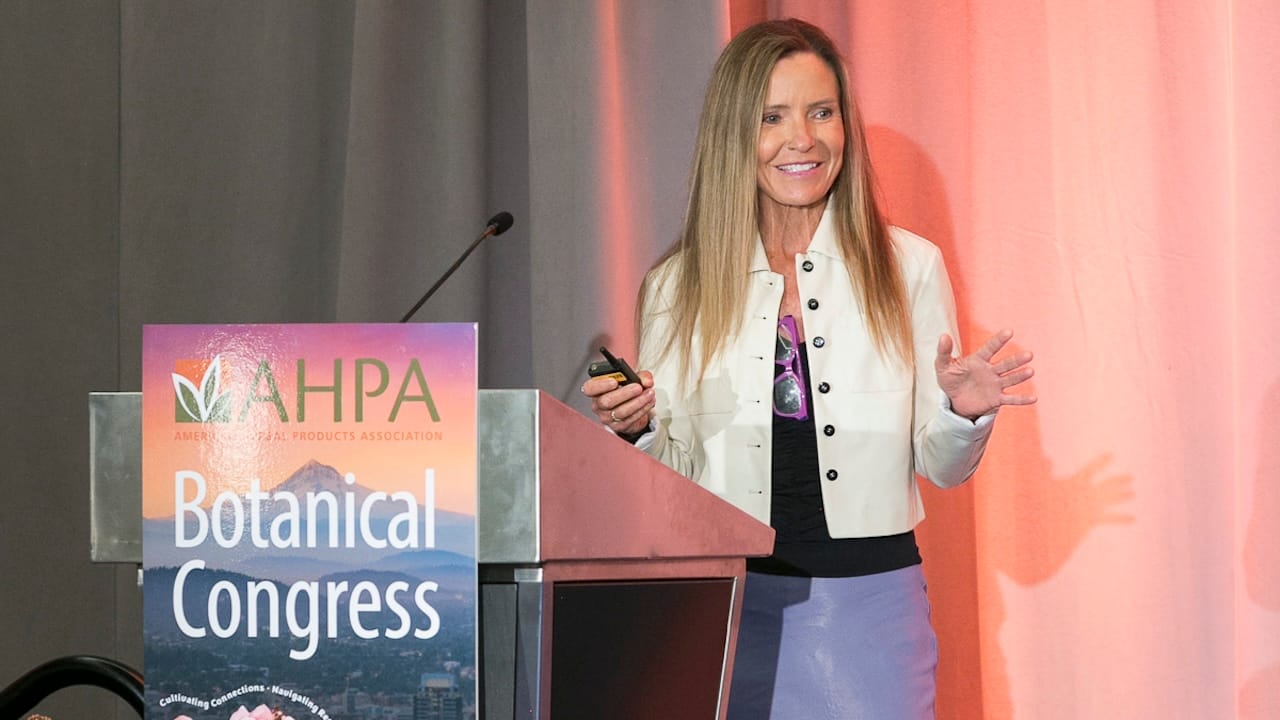
Complementing Luther’s perspective, Komal Baldwa, Founder and CEO of ingredient supplier Waleria Biotech, shared her company’s experience with their flagship shatavari ingredient. Baldwa detailed how women played integral roles in every facet of the ingredient’s journey, from its cultivation in the field to the insights gleaned from clinical trials. She emphasized the transformative impact of female leadership: "If we bring women into leadership, we bring changes that address women’s health at the core," Baldwa stated. Her impassioned closing remark, "If not us, then who?" served as a powerful call to action for greater female representation and empowerment within the industry. The collective message from these presentations signals a growing recognition that a more inclusive approach, actively incorporating women’s expertise and focusing on their unique health needs, is essential for innovation and market growth.
Herbal Alchemy: Harnessing Plant Chemistry for Enhanced Longevity
Bill Rawls, M.D., Founder and Medical Director of supplement brand Vital Plan, presented a compelling case for the role of herbs in promoting longevity and combating chronic illness. Dr. Rawls shared his personal journey of overcoming chronic disease through the judicious use of herbal medicine, a transformative experience that inspired his mission to educate others about the profound benefits of these natural compounds.
"Plants solve problems using chemistry," Dr. Rawls explained, highlighting the sophisticated biochemical systems that enable plants and mushrooms to thrive in their natural environments and defend against stressors. He posited that when humans ingest these botanicals, they essentially harness the plant’s own protective mechanisms. This internal defense system, he argued, translates into tangible health benefits at the cellular level, which he identified as a fundamental component of achieving a longer, healthier life.
Dr. Rawls’ perspective aligns with a growing body of scientific research exploring the intricate interplay between plant-derived compounds and cellular health. The concept of longevity medicine is increasingly focusing on interventions that support cellular repair, reduce oxidative stress, and enhance mitochondrial function – all areas where botanicals have shown significant promise. His presentation served as a potent reminder of the deep, often untapped, potential of the plant kingdom to contribute to human health and well-being, particularly in the context of aging and chronic disease management.
The American Herbal Products Association Botanical Congress served as a vital platform for industry stakeholders to engage with critical issues, from regulatory tools and consumer trends to scientific validation and inclusive development practices. The insights shared at this year’s event highlight a maturing industry that is increasingly focused on evidence-based solutions, consumer needs, and the ethical and scientific advancement of botanical products. As the dietary supplement landscape continues to evolve, the principles and innovations discussed in Portland will undoubtedly shape the future of herbal products.
