

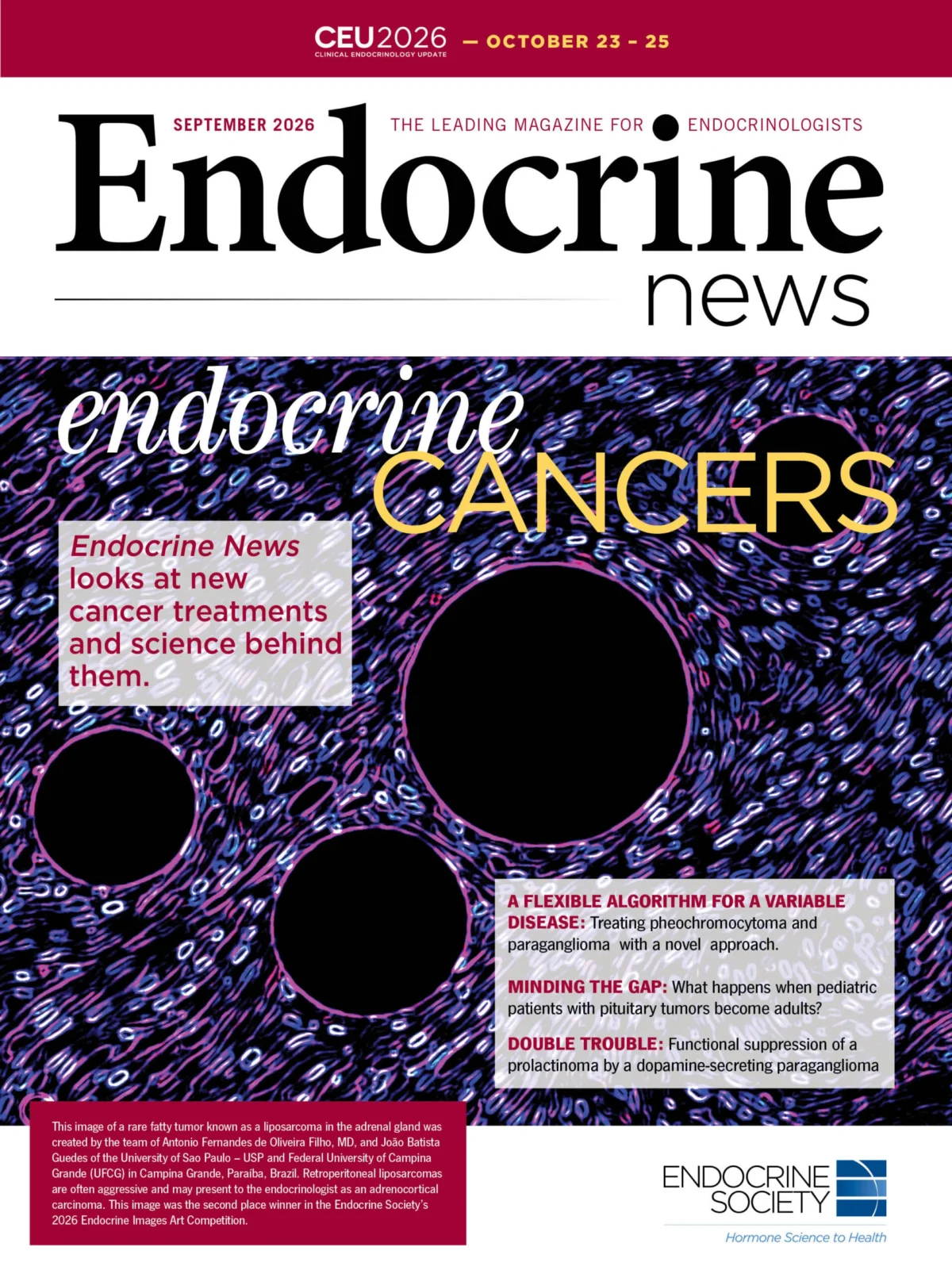
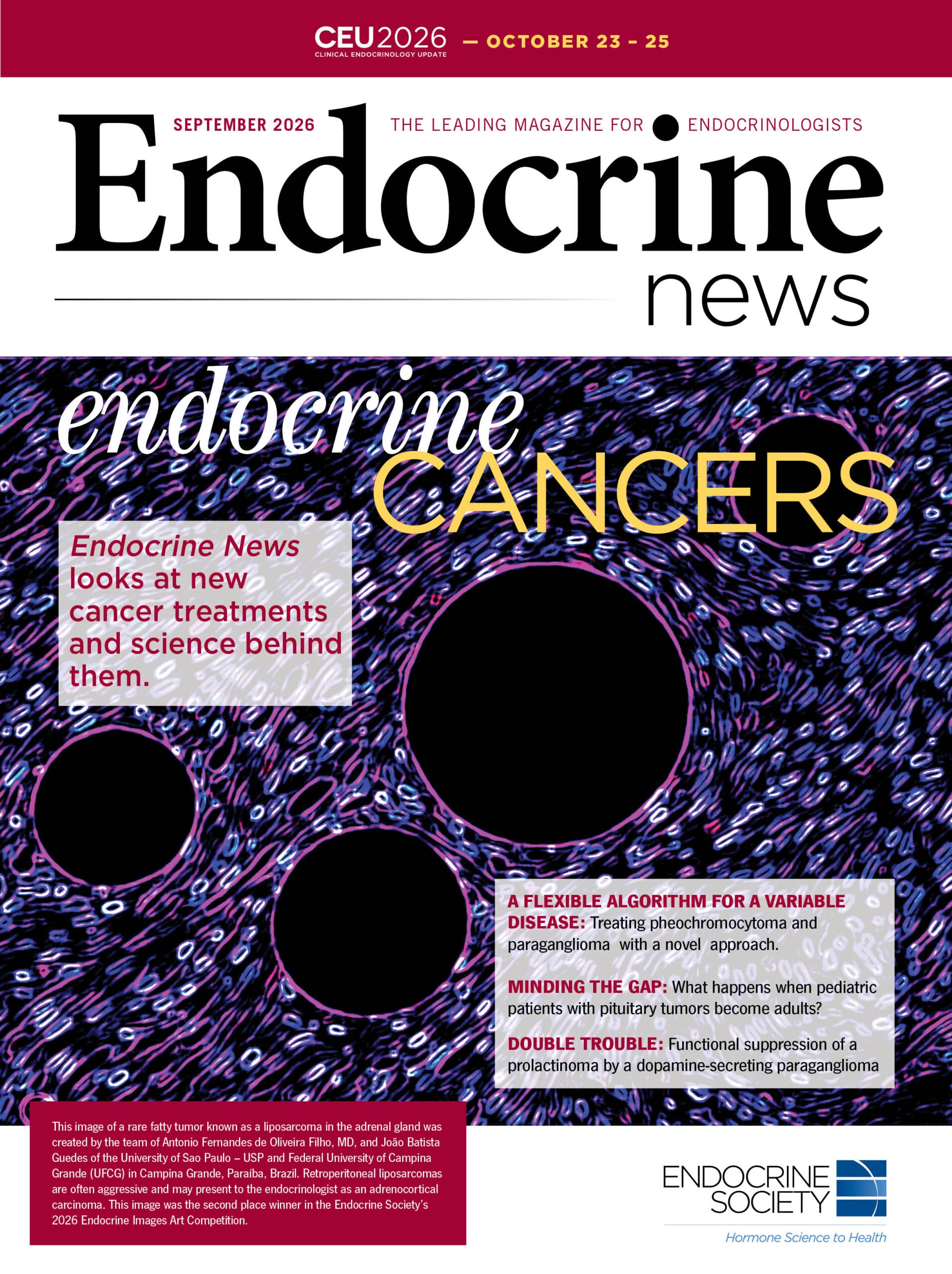
The field of endocrinology is often likened to medical detective work, where clinicians must synthesize disparate biochemical markers and imaging findings to uncover complex physiological interactions. A remarkable case presented at the ENDO 2026 conference in Chicago has provided a vivid illustration of this dynamic, involving a 52-year-old male patient whose body was inadvertently treating one rare endocrine tumor with the hormonal output of another. The case, titled “Functional Suppression of a Prolactinoma by a Dopamine-Secreting Paraganglioma,” was recently detailed in JCEM Case Reports and serves as a cornerstone for understanding biochemical crosstalk between coexisting neoplasms.
The clinical journey began when the patient presented with cerebrospinal fluid (CSF) rhinorrhea—a condition where the protective fluid surrounding the brain leaks through the nose, typically indicating a breach in the skull base. Initial diagnostic imaging revealed an invasive 4.2-cm pituitary mass. While such a large mass would typically be associated with significantly elevated prolactin levels, this patient’s levels were only modestly high. Further investigation into the patient’s overall health led to the discovery of a mediastinal mass, which clinical teams suspected to be a thoracic paraganglioma. Subsequent biochemical screenings confirmed this suspicion, demonstrating marked elevations in both plasma and urinary dopamine levels.
The Chronology of a Complex Diagnosis
The patient’s initial presentation of CSF rhinorrhea was the first clue to an aggressive underlying pathology. A 4.2-cm pituitary mass is classified as a giant macroadenoma, a size that usually correlates with prolactin levels in the thousands or tens of thousands of ng/mL. However, the patient’s initial prolactin levels did not match the sheer scale of the tumor. This discrepancy initially led the medical team to consider several possibilities: a non-functional pituitary adenoma, a poorly differentiated tumor, or a "hook effect" in the laboratory assay where excessively high hormone levels lead to falsely low readings.
The diagnostic landscape shifted significantly when a separate thoracic mass was identified. Paragangliomas are rare neuroendocrine tumors that arise from the extra-adrenal autonomic ganglia. While many paragangliomas secrete catecholamines like norepinephrine or epinephrine—leading to classic symptoms such as hypertension, palpitations, and diaphoresis—this patient’s tumor was primarily dopamine-secreting. Because dopamine does not typically produce the dramatic symptomatic profile of other catecholamines, the paraganglioma had remained clinically silent until the patient sought care for his neurological symptoms.
The surgical plan required a staged approach. The medical team prioritized the resection of the mediastinal paraganglioma. Following the successful removal of this tumor, the patient’s biochemical profile underwent a dramatic transformation. Within two weeks of the surgery, the patient’s prolactin levels surged six-fold. This post-operative spike provided the definitive "smoking gun" for the medical team: the dopamine produced by the thoracic tumor had been traveling through the systemic circulation to the pituitary gland, where it acted as an endogenous dopamine agonist, suppressing the prolactin secretion of the pituitary adenoma.
Understanding the Mechanism of Endogenous Pharmacotherapy
In a healthy physiological state, the hypothalamus regulates the secretion of prolactin from the pituitary gland by releasing dopamine into the hypophyseal portal system. Dopamine acts as the primary inhibitory factor; it binds to D2 receptors on lactotroph cells to keep prolactin levels in check. When a patient develops a prolactinoma, the standard of care is the administration of synthetic dopamine agonists, such as cabergoline or bromocriptine, to shrink the tumor and normalize hormone levels.
In this specific case, the patient was experiencing what William F. Young, MD, Msc, the Tyson Family Endocrinology Clinical Professor at the Mayo Clinic, described as “endogenous pharmacotherapy.” The rare dopamine-secreting paraganglioma in the chest was effectively acting as a continuous internal infusion of a dopamine agonist. This suppressed the symptoms and biochemical markers of the pituitary tumor, masking its true nature until the source of the dopamine was surgically removed.
“This case is so remarkable because it is the hormonal production from one endocrine neoplasm that is actually very effectively treating a separate and unrelated endocrine neoplasm,” said Dr. Young, who also serves as the editor-in-chief of JCEM Case Reports. “It was only once the dopamine-secreting tumor was resected that it became evident that this patient had a prolactin-producing pituitary adenoma.”
Pathological and Genetic Insights
The complexity of the case extended beyond the biochemical interaction. Following the surge in prolactin, the patient underwent resection of the pituitary mass to address the invasive tumor and the CSF leak. Immunohistochemical staining of the tumor tissue revealed a PIT-1 positive lineage. PIT-1 (pituitary-specific positive transcription factor 1) is a nuclear transcription factor essential for the differentiation of growth hormone, prolactin, and thyroid-stimulating hormone-producing cells.
Interestingly, while the clinical diagnosis pointed toward a prolactinoma, the tumor tissue stained negative for the prolactin hormone itself. Lead author Tamaryn Fox, MD, a clinical fellow at Cedars Sinai Medical Center, noted that this is consistent with an immature PIT-1-lineage pituitary adenoma. These tumors are known to be more aggressive, larger, and less differentiated than standard prolactinomas, often exhibiting variable hormone secretion that can complicate the clinical picture.
The coexistence of two rare endocrine tumors also prompted a deep dive into the patient’s genetic profile. Genetic testing identified a germline variant of uncertain significance (VUS) in the SDHC gene. The succinate dehydrogenase (SDH) complex plays a critical role in the mitochondrial respiratory chain, and mutations in the SDH subunits (A, B, C, and D) are well-documented drivers of hereditary paraganglioma-pheochromocytoma syndromes.
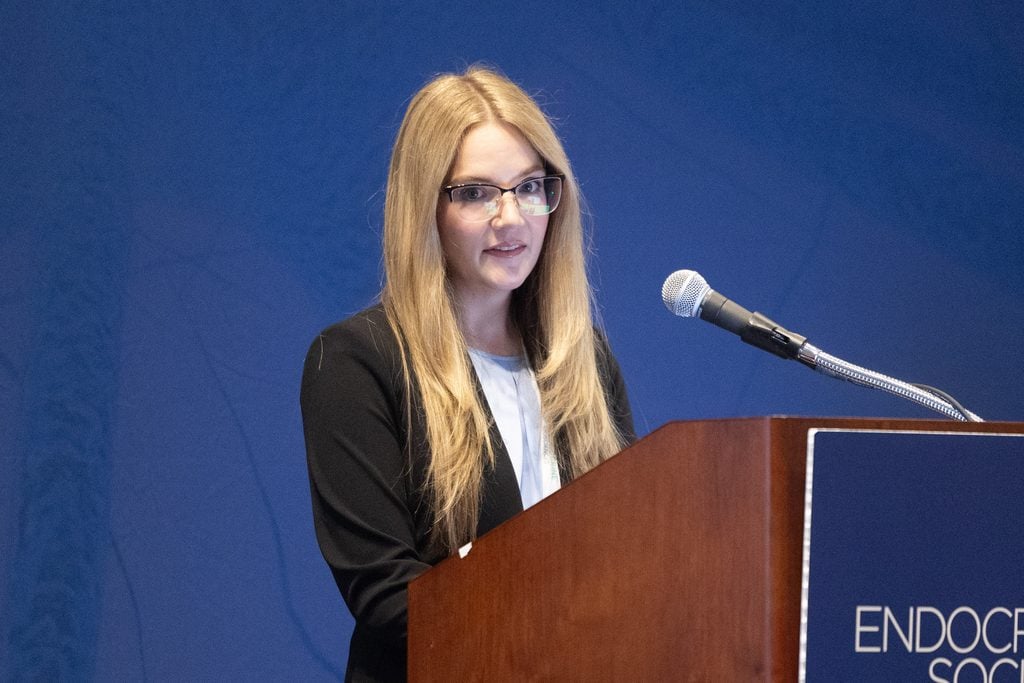
“Genetic testing is important for all patients with pheochromocytoma or paraganglioma, regardless of whether additional endocrine tumors are present,” Dr. Fox emphasized. While the SDHC variant in this patient did not provide a definitive hereditary diagnosis, it underscores the necessity of long-term surveillance. Patients with SDH mutations are at a higher risk for developing multiple tumors over their lifetime, and identifying these variants is crucial for the screening of at-risk family members.
Supporting Data and Rarity of the Condition
To put this case into perspective, the prevalence of pituitary adenomas is estimated at roughly 1 in 1,000 individuals, though giant macroadenomas (greater than 4 cm) are significantly rarer. Paragangliomas are even less common, with an annual incidence of approximately 0.8 per 100,000 person-years. The subset of paragangliomas that secrete only dopamine is a fraction of that figure, as most are either non-secretory or secrete norepinephrine.
The simultaneous occurrence of these two rare tumors is a statistical anomaly. According to clinical literature, while "3P" syndromes (paraganglioma, pheochromocytoma, and pituitary adenoma) have been linked to mutations in SDH genes and the MAX gene, the specific biochemical crosstalk where one tumor treats another has rarely been documented in clinical practice. This case highlights a "novel biologic signaling mechanism" that challenges standard diagnostic protocols.
Broader Implications for Clinical Practice
The presentation of this case at ENDO 2026 has sparked significant discussion regarding the management of patients with multiple endocrine neoplasms. The primary takeaway for the global endocrinology community is the importance of maintaining a high index of suspicion when biochemical markers do not align with imaging findings.
Dr. Fox noted that dopamine-secreting paragangliomas can be "clinically subtle." Unlike their norepinephrine-secreting counterparts, they do not always cause the "spells" of hypertension and tachycardia that lead to a diagnosis. In this patient, the primary clue was not the symptoms of the paraganglioma itself, but the unexpected suppression of the pituitary tumor’s activity.
The management of the patient continues, as he has elected to use cabergoline—a synthetic dopamine agonist—to replace the "natural" dopamine agonist he lost during the resection of the mediastinal mass. This treatment aims to maintain prolactin suppression and prevent further growth of the remaining pituitary tumor tissue. The patient has currently declined radiation therapy and remains asymptomatic under close monitoring.
Conclusion and Future Outlook
The collaborative effort between institutions like Cedars Sinai, Stanford University, and the Mayo Clinic in analyzing this case demonstrates the value of multi-disciplinary approaches in rare disease management. The case serves as a reminder that the human endocrine system is an interconnected web where a disturbance in one area can have profound, and sometimes masking, effects on another.
As genetic sequencing becomes more integrated into standard clinical care, researchers hope to better define the relationship between SDH variants and pituitary tumor development. For now, the case of the 52-year-old male stands as a premier example of why endocrinologists must remain "true detectives," looking beyond the immediate symptoms to the underlying hormonal dialogue occurring within the body.
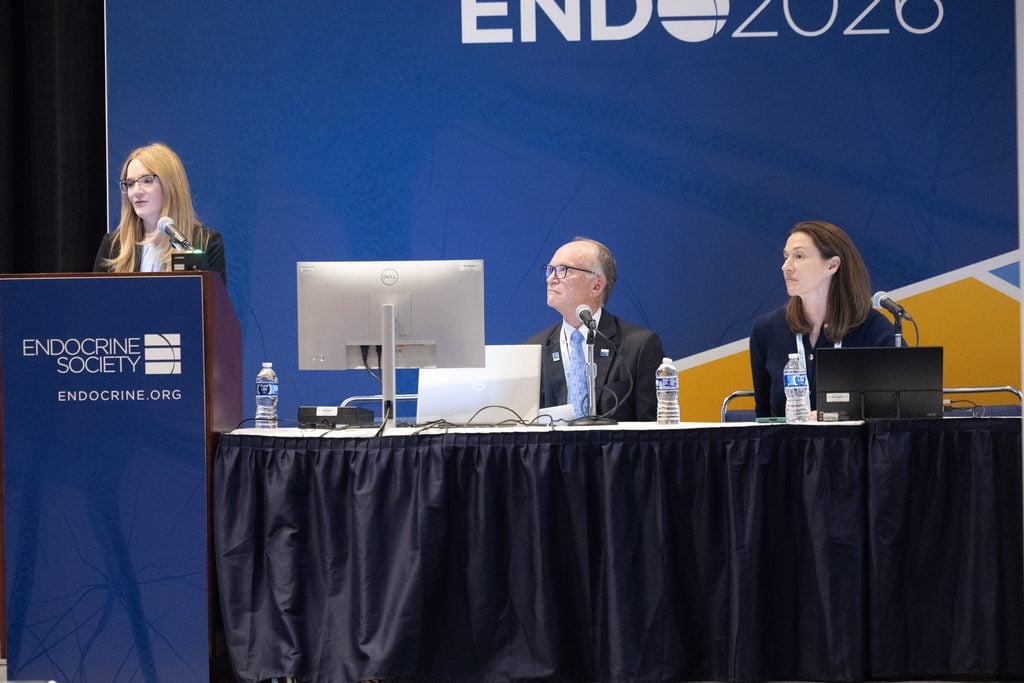
The ENDO 2026 symposium, where these findings were shared, continues to be a vital platform for such "clinical pearls." As Dr. Fox concluded in her presentation, the interaction provided a "fascinating window into the physiologic relationship between endogenous dopamine and prolactin," offering lessons that will likely influence the diagnostic workup of complex endocrine cases for years to come.
