

The ketogenic diet, a nutritional strategy characterized by very low carbohydrate intake, moderate protein, and high fat consumption, has gained significant traction for its potential benefits in weight management, blood sugar regulation, and enhanced mental clarity. This metabolic shift, where the body transitions from relying on glucose for energy to burning fat and producing ketones, inherently alters physiological demands and nutrient requirements. Consequently, a burgeoning market of dietary supplements has emerged, designed to bridge potential nutritional gaps, mitigate the initial challenges of adaptation, and support long-term adherence and well-being for individuals embracing a ketogenic lifestyle.
Understanding the Metabolic Paradigm Shift
At its core, the ketogenic diet prompts the body into a state of ketosis. When carbohydrate intake is severely restricted, typically below 50 grams per day, glucose stores (glycogen) are depleted. The liver then begins to convert fats into ketone bodies—beta-hydroxybutyrate (BHB), acetoacetate, and acetone—which serve as an alternative fuel source for the brain and muscles. This fundamental metabolic transformation, while offering numerous advantages, can also present a period of adjustment. The initial weeks are often marked by what is colloquially known as the "keto flu," a constellation of symptoms including fatigue, headaches, irritability, and muscle cramps, primarily attributable to electrolyte imbalances and the body’s struggle to adapt to its new fuel source.
Beyond the initial adaptation, sustained ketosis can place unique demands on the body. Micronutrient intake, particularly of vitamins and minerals commonly found in carb-rich foods (like fruits and starchy vegetables), may require careful monitoring. Furthermore, individuals with active lifestyles or specific health goals might seek additional support to optimize performance, recovery, and overall health while maintaining ketosis. This is where targeted supplementation becomes a strategic consideration, not as a replacement for a well-formulated diet but as an adjunct to enhance its efficacy and sustainability.
The Role of Supplements in the Keto Journey: A Phased Approach
The utility of keto supplements often correlates with different stages of an individual’s ketogenic journey, from initial transition to long-term maintenance and performance optimization.
Phase 1: Easing the Transition and Combating the "Keto Flu"
The most immediate and common challenge for new keto dieters is the "keto flu." This cluster of symptoms is largely a consequence of rapid fluid and electrolyte loss as insulin levels drop and the kidneys excrete more sodium and water.
-
Electrolytes: These essential minerals – sodium, potassium, and magnesium – are crucial for nerve function, muscle contraction, and maintaining fluid balance. On a ketogenic diet, the body’s reduced insulin levels lead to increased excretion of these minerals. Replenishing electrolytes is paramount to preventing symptoms like muscle cramps, fatigue, headaches, and brain fog. Recommended daily intakes vary, but often significantly exceed those typically consumed in a standard diet, with adult males requiring around 3,400 mg of potassium and adult females 2,600 mg, while sodium intake should generally remain below 2,300 mg (though active individuals on keto may require more). Avocados, leafy greens, and salmon are food sources, but supplementation is often necessary to meet elevated needs. It is crucial for individuals with pre-existing conditions like kidney disease or high blood pressure to consult a physician before significantly increasing electrolyte intake, as imbalances can be detrimental.
-
Exogenous Ketones: While the liver produces endogenous ketones during ketosis, exogenous ketones, typically in the form of beta-hydroxybutyrate (BHB) salts or esters, are dietary supplements that provide ketones directly to the bloodstream. These can temporarily elevate blood ketone levels, potentially offering a quick energy boost, especially pre-workout, and helping to alleviate "keto flu" symptoms during the initial adaptation phase. Some research suggests they may also help reduce appetite by influencing hunger hormones like ghrelin. However, it’s important to note that exogenous ketones do not directly accelerate fat loss but rather support the state of ketosis. Typical effective doses in controlled trials range from 6-12 grams for BHB salts and 20-25 grams for BHB esters. Consumers are advised to select products free from unnecessary fillers, binders, or hidden carbohydrates that could disrupt ketosis.
-
MCT Oil & Powder: Medium-chain triglycerides (MCTs) are a unique type of fat that are rapidly absorbed and metabolized by the liver, converting efficiently into ketones. Unlike long-chain triglycerides, MCTs bypass the lymphatic system, offering a quick and direct energy source for both brain and muscle function. Coconut oil is a natural source, but concentrated MCT oil or powder supplements provide a more potent and consistent dose. Adding MCTs to coffee or smoothies is a popular strategy to boost ketone levels, enhance energy, and promote satiety. MCT powder is often preferred for its ease of mixing and gentler digestive impact compared to MCT oil, though starting with a small dose (e.g., one teaspoon) and gradually increasing to avoid gastrointestinal discomfort is recommended.
Phase 2: Sustaining Ketosis, Enhancing Performance, and Promoting Long-Term Health
Once the initial adaptation period is over, certain supplements can contribute to optimizing the benefits of the ketogenic diet for sustained health, physical performance, and overall well-being.
-
Collagen: As the most abundant protein in the human body, collagen is fundamental for the structural integrity of skin, hair, nails, joints, and connective tissues. While a keto diet often includes collagen-rich foods like bone broth, many individuals may still benefit from supplementation. Grass-fed collagen peptides provide bioavailable amino acids that support joint comfort, muscle health, and the repair of stressed cells, potentially reducing inflammation. The combination of collagen with MCTs in some supplements further aligns with keto goals by supporting mental clarity and steady energy alongside structural health.
-
Protein Powders: Maintaining adequate protein intake on a ketogenic diet is crucial for preserving lean muscle mass, supporting post-exercise recovery, and promoting satiety. While meat, fish, and eggs are excellent protein sources, supplements like whey protein isolate, collagen peptides, and certain plant-based powders can help meet daily protein targets, especially for active individuals. Whey protein is fast-digesting and ideal for post-workout recovery, while collagen supports connective tissues and gut health. Aiming for 1.2-2.0 g/kg body weight daily, distributed across meals and with 20-40 grams consumed within one to two hours post-exercise, is a common recommendation. When selecting protein supplements, prioritize low-carb, unsweetened formulas without fillers.
-
Omega-3 Fatty Acids (Fish or Krill Oil): Essential for cardiovascular, brain, and metabolic health, omega-3 fatty acids, specifically eicosapentaenoic acid (EPA) and docosahexaenoic acid (DHA), are critical for balancing the higher intake of omega-6 fats often present in nuts, seeds, and certain oils within a keto diet. A healthy omega-3 to omega-6 ratio is vital for reducing inflammation and supporting cholesterol levels. For those who do not regularly consume fatty fish like salmon or mackerel, supplementation with fish oil or krill oil is beneficial. Krill oil offers the added advantage of astaxanthin, a powerful antioxidant that protects the fatty acids from oxidation and may enhance absorption. General recommendations range from 250-500 mg of combined EPA and DHA daily for overall health, with higher doses (1,000-3,000 mg) potentially offering additional benefits for cardiovascular and metabolic health.
Phase 3: Advanced Support and Niche Optimization
For individuals seeking to further optimize specific aspects of their health while on keto, or those with particular challenges, specialized supplements can offer targeted benefits.
-
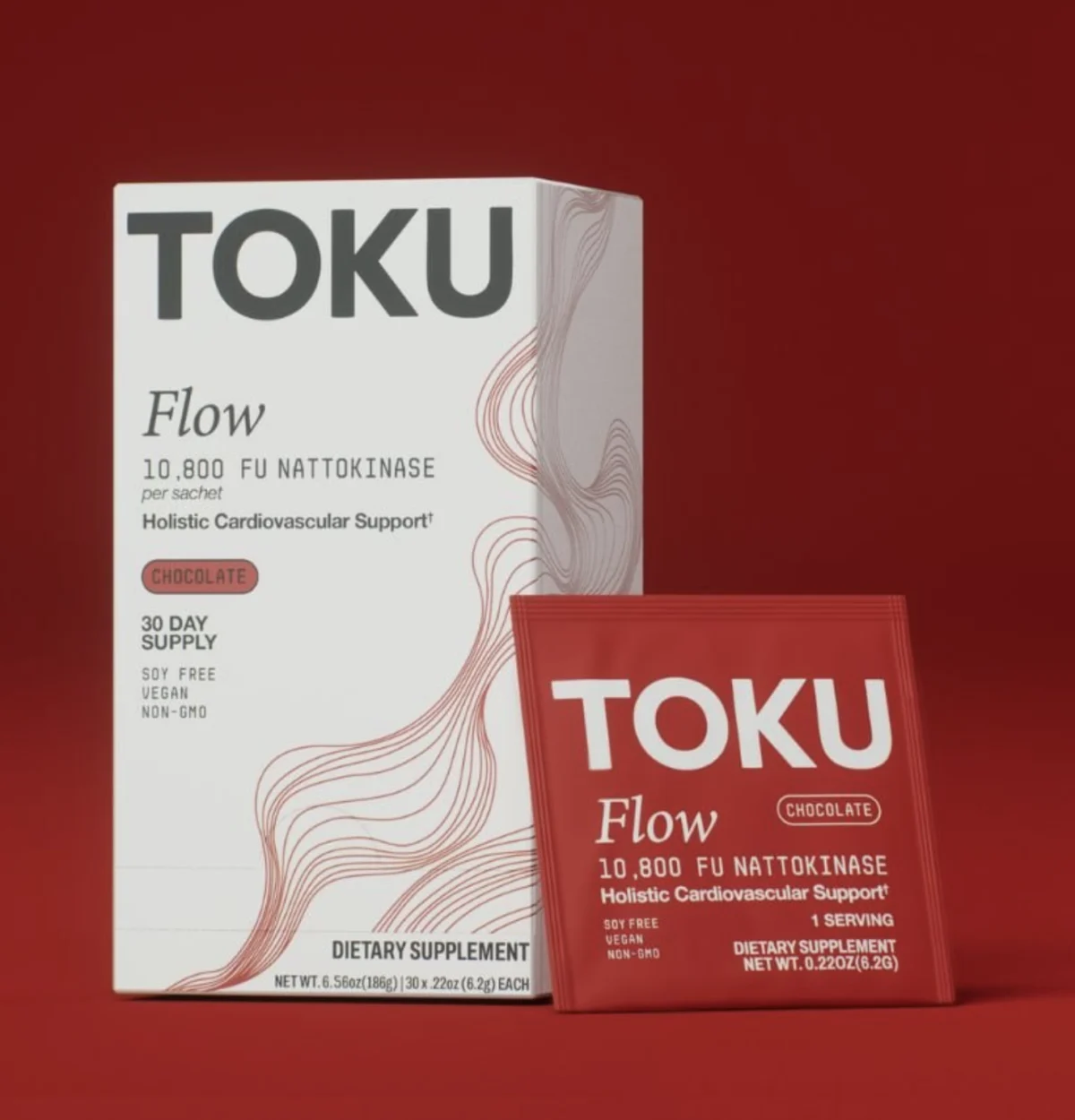
Toku Flow (Nattokinase): While not exclusive to keto, maintaining healthy circulation is universally important, and a keto lifestyle, with its emphasis on fat metabolism, underscores the need for efficient nutrient transport, inflammation management, and metabolic waste clearance. Toku Flow, a powdered supplement featuring nattokinase, an enzyme derived from fermented soybeans (natto), is designed to promote clear and efficient blood flow. Clinical studies, such as a 12-month trial involving over 1,000 participants, have demonstrated significant cardiovascular benefits from daily nattokinase (10,800 FU) combined with Vitamin K2, including improvements in coronary plaque health, increased carotid artery flexibility, and reductions in total cholesterol and triglycerides. This positions nattokinase as a valuable adjunct for supporting long-term cardiovascular wellness, especially for those prioritizing metabolic health through a ketogenic diet. It is noteworthy that many commercial nattokinase supplements offer a significantly lower dose (around 2,000 FU), highlighting the importance of clinical dosing.
-
Nootropic Blends: Many adherents of the ketogenic diet report enhanced mental clarity and focus, a phenomenon attributed to ketones providing a steady fuel source for the brain and potential anti-inflammatory effects. Nootropic blends, often referred to as "smart drugs," aim to further amplify these cognitive benefits. Common ingredients include L-theanine, ginkgo biloba, green tea extracts, DHA, and MCTs. Studies suggest that certain combinations of these ingredients can improve cerebral blood flow and cognitive function. While promising, the evidence base for nootropic blends remains evolving, and individual responses can vary. Formulations that combine nootropics with keto-friendly ingredients like exogenous ketones, MCTs, and collagen can offer synergistic benefits for cognitive performance within a ketogenic framework.
Expert Perspectives and Safety Considerations
Healthcare professionals and nutrition experts generally emphasize that while supplements can be beneficial, they should always complement a well-planned, nutrient-dense diet and regular exercise, rather than substitute them. "No supplement can compensate for a poor diet," states Dr. Anya Sharma, a metabolic health specialist. "The foundation of a successful ketogenic diet lies in whole, unprocessed foods. Supplements are tools to fine-tune the process, address specific deficiencies, or support unique goals."
When considering supplementation, several critical safety considerations must be observed:
- Consultation with Healthcare Providers: Before initiating any new supplement regimen, especially if managing existing health conditions (e.g., kidney disease, high blood pressure, diabetes) or taking medications, consultation with a physician or registered dietitian is paramount. Certain supplements can interact with medications or exacerbate underlying conditions. For instance, electrolyte supplements can be risky for individuals with kidney issues, and blood sugar-modulating supplements might cause hypoglycemia when combined with diabetes medications.
- Dosage Adherence: Stick strictly to recommended dosages. Exceeding guidelines can lead to adverse effects, such as digestive upset from excessive MCTs or electrolyte imbalances (nausea, fatigue, headaches) from over-supplementation.
- Quality and Transparency: The supplement industry is not regulated with the same rigor as pharmaceuticals by agencies like the Food and Drug Administration (FDA). Consumers should prioritize products from reputable manufacturers that provide third-party testing for purity, potency, and absence of contaminants. Look for certifications like NSF, USP, or GMP (Good Manufacturing Practices) that indicate adherence to quality standards. Transparent labeling, clearly listing all ingredients and their quantities, is also a hallmark of a trustworthy product. Avoid products with proprietary blends where individual ingredient amounts are hidden.
- Ingredient Scrutiny: Pay close attention to inactive ingredients. Many supplements, particularly flavored powders, can contain hidden sugars, artificial sweeteners, or fillers that contradict the principles of a ketogenic diet or cause digestive issues. Opt for natural sweeteners like stevia or monk fruit, and minimal additives.
- Individual Variability: The effectiveness and tolerability of supplements can vary significantly among individuals due to genetic factors, existing health status, and lifestyle. What works well for one person may not work for another.
Broader Implications and the Evolving Landscape
The rise of the ketogenic diet has fueled a significant expansion in the dietary supplement market. This trend reflects a growing consumer interest in personalized nutrition and proactive health management. The demand for keto-specific products has led to innovation in formulations, offering convenient and effective ways for individuals to support their dietary choices.
However, this growth also underscores the need for increased consumer education and responsible marketing within the supplement industry. The emphasis should always be on supplements as supportive rather than miraculous solutions. As scientific research continues to evolve, a deeper understanding of the interplay between diet, metabolism, and supplementation will emerge, further refining recommendations and product development.
The Bottom Line
For individuals committed to a ketogenic lifestyle, intelligently chosen supplements can be invaluable allies. They can facilitate a smoother transition into ketosis, mitigate common side effects like the "keto flu," address potential nutrient deficiencies, and optimize various aspects of health, from physical performance to cognitive function and cardiovascular wellness. However, their efficacy is maximized when integrated into a holistic approach that prioritizes a well-formulated, whole-food ketogenic diet, consistent exercise, and a clear understanding of individual health needs. By exercising caution, prioritizing quality, and seeking professional guidance, individuals can leverage the power of keto supplements to enhance their journey towards sustained metabolic health and overall vitality.
