







BOSTON — In an era defined by heightened tariff volatility and escalating geopolitical risk, the global medical technology industry is undergoing a fundamental transformation of its operational foundations. Speaking at AdvaMed’s The MedTech Conference on Monday, top executives from some of the world’s leading healthcare firms signaled a definitive end to the decades-long reliance on "just-in-time" logistics. Instead, they are championing a new era of "strategic resilience," prioritizing inventory depth and regionalized manufacturing to ensure that patients have uninterrupted access to critical, life-saving therapies.
The shift comes as the industry prepares for what experts describe as a "perfect storm" of supply chain pressures. While the global healthcare sector spent much of the last four years recovering from the disruptions caused by the COVID-19 pandemic, new challenges are emerging on the horizon. Chief among these is a projected semiconductor crisis in 2026, driven by the massive infrastructure buildout required for artificial intelligence. Medtech companies, which rely on high-precision chips for everything from automated external defibrillators (AEDs) to advanced imaging systems, now find themselves in direct competition with tech giants and data center developers for limited silicon capacity.
The 2026 Semiconductor Crisis: Healthcare vs. Artificial Intelligence
Jon Rennert, chairman of Zoll Medical—a prominent manufacturer of emergency and critical care devices—issued a stark warning to the conference audience. He noted that the industry has faced more supply chain disruption in the last five years than at any other point in his career. The looming 2026 crisis, he argued, is a byproduct of the global rush toward AI.
"The artificial intelligence infrastructure buildout has medical device makers competing with demand from data centers for semiconductor chips," Rennert explained. This competition is particularly lopsided; while medtech requires high-quality, reliable components, its total volume is often a fraction of that demanded by consumer electronics or enterprise computing. Historically, medtech firms did not hold direct relationships with semiconductor foundries, instead purchasing electronic boards through third-party contract manufacturers.
To mitigate this risk, Zoll Medical is aggressively shifting its procurement strategy. The company is now investing heavily in inventory—a move that is financially burdensome but necessary to buy lead time. Furthermore, Rennert emphasized the need for "visibility" with major chip suppliers. "I don’t think that the big players have visibility on how important our products are, how impactful they are to patients if they’re not available," Rennert said. He urged the semiconductor industry to prioritize a small "demand stream" for healthcare, noting that even a minor allocation of chips could be the difference between life and death for patients in cardiac arrest.
The Death of Just-in-Time Inventory
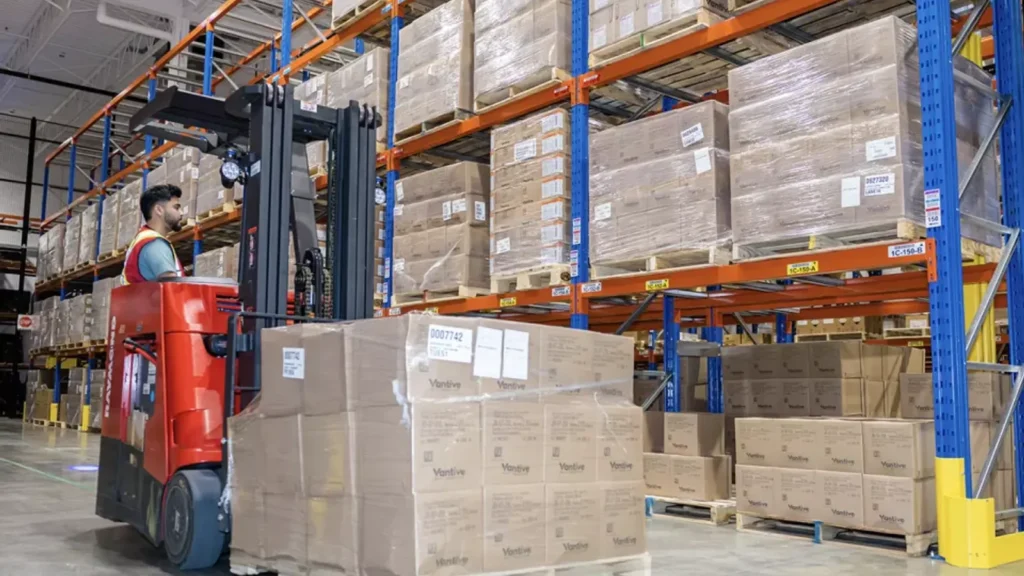
For decades, the "just-in-time" (JIT) inventory model was the gold standard across manufacturing sectors, designed to minimize waste and reduce storage costs by receiving goods only as they were needed in the production process. However, the fragility of this model was exposed during the 2020 pandemic and subsequent logistical bottlenecks.
"Just-in-time inventory was never really a big deal in healthcare. I would say to the degree that it ever was, it’s dead now," Rennert stated. The consensus among the Boston panel was that the cost of holding excess inventory—once seen as an inefficiency—is now viewed as a necessary insurance premium against global instability.
This sentiment was echoed by Heather Knight, Chief Commercial Officer at Solventum. Solventum, which recently spun off from 3M’s healthcare division, manages a massive portfolio including wound care, infection prevention, and dental products. Knight noted that while building redundancy across a portfolio of 30,000 Stock Keeping Units (SKUs) is impossible, companies must prioritize. She recommended a "resiliency backward" approach, where firms identify their most critical, life-saving products and build deep inventory and supply chain buffers around those specific items first.
Chronology of Disruption: A Five-Year Retrospective
The current urgency felt by medtech executives is the result of a cumulative series of global shocks that have rewritten the industry’s risk profile:
- 2020-2021: The Pandemic Shock. Initial lockdowns led to a collapse in global logistics, followed by a surge in demand for Personal Protective Equipment (PPE) and ventilators. The semiconductor shortage began as consumer electronics demand spiked.
- 2022: Geopolitical Realignment. The conflict in Ukraine disrupted the supply of specialized gases and raw materials used in medical manufacturing. Simultaneously, energy costs in Europe spiked, impacting manufacturing overhead.
- 2023: The AI Boom. The explosion of generative AI led to a massive reallocation of semiconductor manufacturing capacity toward high-end GPUs and data center components, squeezing out smaller industrial and medical buyers.
- 2024: Tariff Volatility and Trade Wars. Increasing trade tensions between the U.S. and China, along with new tariff structures, forced companies to reconsider their reliance on Chinese manufacturing hubs.
- 2025-2026 (Projected): The Second Chip Crisis. As AI infrastructure matures, the demand for "legacy" and "mid-range" chips—the kind often used in medical devices—is expected to outpace supply once again.
Regionalization: "Buy Where You Make, Make Where You Sell"
One of the most significant strategic pivots discussed at the conference was the move toward "regionalization" or "near-shoring." Christopher Toth, CEO of Vantive, highlighted the importance of a localized manufacturing footprint. Vantive, formed in 2025 following the Carlyle Group’s acquisition of Baxter’s kidney care segment, operates 20 global manufacturing facilities.
Toth argued that a vast manufacturing footprint should no longer be viewed strictly as a cost center, but rather as a "competitive advantage." In the field of home dialysis, where patients depend on regular shipments of life-clearing solutions, any disruption in the supply chain could be "catastrophic." By investing billions in regional infrastructure, Vantive creates a high barrier to entry for competitors while ensuring that local markets are served by local production.
Solventum’s Heather Knight supported this "buy where you make and make where you sell" philosophy. This strategy reduces the risks associated with transoceanic shipping, such as port strikes, weather events, and maritime security threats. Furthermore, Knight suggested that companies should proactively "cross-register" their products with various global regulatory bodies. This allows a company to quickly shift supply from one region to another if a local manufacturing plant is taken offline by a disaster or cybersecurity breach.
Data and Economic Implications
The financial stakes of these supply chain overhauls are immense. According to industry data, the global medtech market is valued at over $500 billion annually. Research from McKinsey & Company suggests that supply chain disruptions can cost a typical medtech company up to 38% of one year’s earnings over the course of a decade.
The shift away from JIT to "just-in-case" inventory also has significant implications for corporate balance sheets. Carrying more inventory increases "working capital" requirements, which can weigh on a company’s return on invested capital (ROIC). However, as Vantive’s Toth noted, this is a "calculated decision" where regional leaders are now held accountable for the inventory they hold. By giving regional managers "skin in the game," companies can balance the need for supply security with the financial reality of their profit and loss (P&L) statements.
The Human Element: Ethical Imperatives in Supply Chain Management
Beyond the logistics and the balance sheets, the executives in Boston emphasized the ethical weight of their decisions. Unlike the consumer electronics industry, where a delayed shipment of smartphones might result in lost revenue, a delay in medtech can result in lost lives.
"From a company perspective, our philosophy is we need to do our jobs as if each patient is our mother, father, brother, sister, child because it is someone’s mother, father, brother, sister, child," Toth said.
This patient-centric view is driving companies to work "two or three times as hard" as they did five years ago, according to Rennert. This includes developing relationships with "parallel suppliers"—secondary vendors who maintain excess capacity specifically to jump in if a primary supplier fails or closes a plant due to tariff pressures.
Future Outlook: Resiliency as the New Innovation
As the MedTech Conference continues, the message to stakeholders is clear: the era of prioritizing low-cost, high-efficiency global supply chains is over. The new priority is resilience. For investors, this may mean accepting higher inventory costs and more localized (and potentially more expensive) manufacturing. For regulators, it may mean a need for faster, more flexible cross-border registration processes to allow for the movement of goods during crises.
The projected 2026 semiconductor shortage serves as a looming deadline for these changes. Medtech companies are no longer just competing with each other; they are competing with a global technological shift that threatens to overlook the needs of the healthcare sector. By rewriting their supply chain playbooks today, these leaders hope to ensure that when the next disruption strikes, the flow of life-saving technology to the bedside remains uninterrupted.