
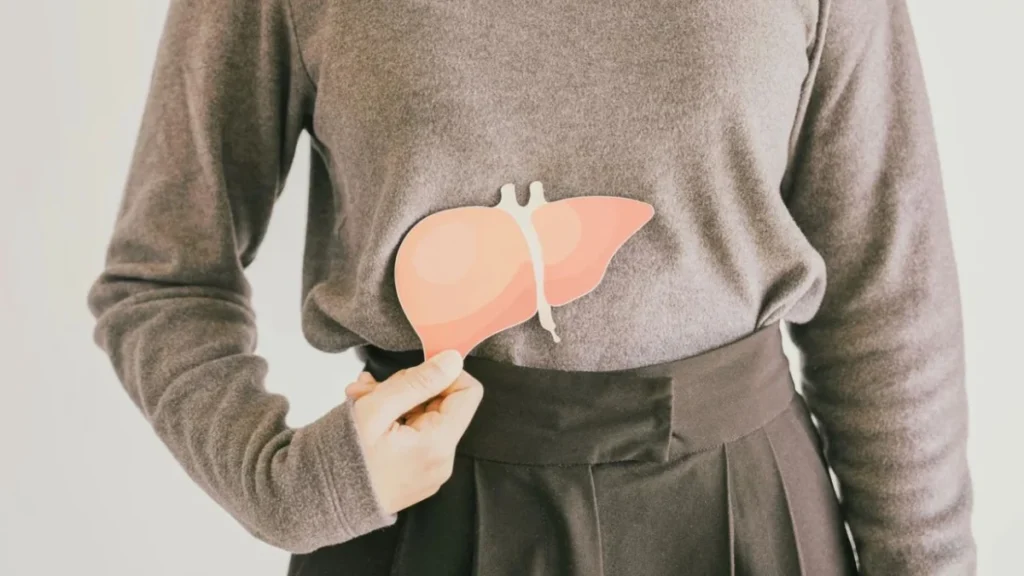
Liver health has emerged as a significant focal point for the global supplement industry, driven by escalating consumer awareness and a growing public health crisis related to liver disease. Search queries for terms such as "liver detox" and "liver health" have experienced a dramatic uptick over the past five years, signaling a burgeoning consumer interest that the industry is actively responding to. This heightened attention is reflected in substantial market growth, with global sales of liver supplements reportedly exceeding $14.67 billion in 2025 and projected to reach $15.36 billion in 2026, according to industry data.
The Vitamin Shoppe’s Health & Wellness Trend Report for 2026 further underscores this trend, identifying liver health as one of the top five key areas of interest for nutritional supplement consumers. This indicates a broad recognition among the public that a well-functioning liver is fundamental to overall well-being, prompting individuals to invest in products aimed at supporting its health.
The Escalating Crisis of Fatty Liver Disease
Underpinning this surge in consumer interest is the alarming global rise in obesity, which has directly contributed to a growing epidemic of liver disease. A significant body of research indicates that approximately 70% of individuals classified as obese suffer from metabolic dysfunction-associated steatotic liver disease (MASLD), formerly known as non-alcoholic fatty liver disease (NAFLD). Worldwide, an estimated 1.3 billion people, representing 16.1% of the global population, are living with MASLD, with a substantial majority remaining undiagnosed. This widespread prevalence presents a critical challenge for the supplement industry: to develop and offer products that can demonstrate tangible benefits for liver health and contribute to overall wellness.

MASLD is intrinsically linked to a cluster of metabolic conditions, including hyperinsulinemia (excessive insulin levels in the blood), insulin resistance, and hypertriglyceridemia (elevated triglyceride levels in the blood). In its nascent stages, MASLD is characterized by the accumulation of fat within the liver, which progressively impairs its function. The most effective window for intervention and reversal of MASLD occurs before significant liver scarring, or fibrosis, develops.
However, the insidious nature of early-stage MASLD, often presenting with minimal or no discernible symptoms, leads many individuals to overlook the critical importance of early intervention or preventative measures. As the disease advances, the liver becomes inflamed, a stage known as metabolic dysfunction-associated steatohepatitis (MASH). This inflammation can lead to the formation of scar tissue. At this juncture, patients may begin to experience debilitating symptoms such as abdominal pain and profound fatigue, significantly diminishing their quality of life. Further progression of MASLD can trigger inflammatory and hormonal imbalances, resulting in persistent fatigue, a decline in cognitive function, and an increased incidence of depression. In its most advanced forms, MASLD can progress to cirrhosis, a severe form of liver scarring, and liver cancer. Notably, cardiovascular disease remains the leading cause of mortality among individuals diagnosed with MASLD, highlighting the systemic impact of this condition.
Exploring Nutritional Avenues for Liver Support
In light of the pervasive and global impact of MASLD, there is a growing scientific and consumer interest in nutritional strategies and supplements that can complement standard lifestyle recommendations for liver health. Among the compounds garnering significant attention is phosphatidylcholine, a vital component of human cell membranes and a key player in cellular structure and function.
Phosphatidylcholine (PC) is the most abundant phospholipid found in cell membranes. Chemically, it is classified as a glycerophospholipid, characterized by two fatty acid chains attached to the sn1 and sn2 positions of a glycerol backbone, with a phosphate group linked to a choline head group at the sn3 position. When derived from deoiled soy lecithin powder, phosphatidylcholine typically constitutes approximately 20-22% of the powder’s composition. Through processes such as acetone de-oiling, ethanol fractionation, and chromatographic purification, the concentration of PC can be significantly elevated, ranging from roughly 20% to as high as 80%. Further refinement steps can yield phospholipids with a PC content of up to 98%.
Essential Phospholipids (EPL) and Their Unique Role
Within the spectrum of PC-enriched phospholipids, essential phospholipids (EPL) have attracted considerable research interest for their potential benefits in supporting liver health. EPL are defined as a highly purified fraction of soybean phospholipids, characterized by a PC content ranging from 72% to 96%. A distinctive feature of EPL is their high proportion of linoleic acid (18:2) within the fatty acid chains at the sn1 and sn2 positions. This specific molecular configuration results in a compound known as 1,2-dilinoleoylphosphatidylcholine (DLPC), which can comprise up to 52% of the PC present in EPL. The unique molecular structure and high concentration of PC in EPL differentiate them from phosphatidylcholine obtained through dietary intake or synthesized internally by the body.
The Crucial Role of Choline
Beyond its structural functions, PC serves as a significant dietary source of choline, an essential nutrient that a substantial portion of the adult population in the United States does not consume in adequate amounts. Choline is indispensable for maintaining optimal liver health. Landmark research, including a controlled feeding study conducted in 2007, demonstrated that participants who consumed a choline-deficient diet developed fatty liver or muscle damage. Crucially, normal liver function was restored upon the reintroduction of choline into their diets.
While the role of choline is well-established, the efficacy of choline salt supplements in patients with MASLD is still under investigation, with existing studies often evaluating them in conjunction with other ingredients. A 2024 study, for instance, examined patients diagnosed with NAFLD who received either a combination of 140 mg of silymarin and 450 mg of choline bitartrate three times daily or 300 mg of ursodeoxycholic acid twice daily. After a six-month period, both groups exhibited improvements in liver enzyme levels, liver stiffness, and liver inflammation, as assessed by the NAS score (a numerical score quantifying fat buildup and inflammation). However, the lack of isolated testing of choline bitartrate limits the definitive conclusions that can be drawn from this study regarding its independent impact.
The form in which choline is delivered also appears to be a critical factor. One study observed that choline bitartrate significantly increased levels of trimethylamine-N-oxide (TMAO) in blood and urine among healthy men compared to an equivalent amount of choline delivered as PC. TMAO is a metabolite that has been associated with increased cardiovascular risk in observational studies. This suggests that while choline salts provide choline, they do not offer the accompanying phospholipid benefits inherent in PC.
Scientific Evidence Supporting Phosphatidylcholine in Liver Health
Research has consistently indicated that individuals with MASLD exhibit lower levels of polyunsaturated phosphatidylcholine in their livers compared to those with healthy livers. Given that phospholipids are fundamental constituents of cell membranes, alterations in their composition can influence membrane fluidity and the functionality of membrane-bound enzymes and receptors.
Preclinical studies have provided compelling evidence that supplementation with EPL and high-purity PC may aid in the repair of damaged liver cell membranes. Furthermore, these studies suggest that EPL supplementation can help mitigate oxidative stress, reduce inflammation, and curb the accumulation of fat within injured liver cells. Human clinical trials investigating the effects of PC supplements in adults diagnosed with MASLD are ongoing and are beginning to provide valuable insights into their potential benefits.
Future Projections and the Role of Supplements
Global projections paint a stark picture, forecasting that by 2040, an estimated 55.7% of the world’s adult population could be affected by MASLD. While traditional lifestyle modifications, such as weight loss, increased physical activity, and alcohol avoidance, remain the cornerstone of MASLD management, their long-term adherence can be challenging for many individuals.
In this context, nutritional ingredients like phosphatidylcholine, whether used alone or in combination with other well-researched liver-supportive compounds such as milk thistle (silymarin) and vitamin E, present a promising complementary strategy. By offering science-backed solutions, these ingredients empower supplement brands to effectively address the escalating consumer demand within this rapidly expanding market segment. The integration of these nutritional components, alongside realistic and sustainable lifestyle changes, offers a multi-faceted approach to supporting liver health and improving overall well-being.
The evolving landscape of health and wellness underscores the critical importance of addressing liver health proactively. As research continues to illuminate the complex mechanisms of liver disease and the potential of nutritional interventions, the supplement industry is poised to play an increasingly vital role in providing consumers with accessible and science-supported options for maintaining a healthy liver. This growing focus signifies not just a market trend, but a crucial response to a significant public health imperative.