








The field of endocrinology is increasingly defined by the concept of "pivotal moments"—specific windows of time where medical intervention, environmental exposure, or professional guidance can permanently alter a patient’s physiological trajectory. As the Endocrine Society highlights in its latest clinical updates, these windows range from the earliest stages of fetal development to the rapid evolution of digital patient-provider relationships. This comprehensive overview examines the intersection of environmental science, digital communication, and rare disease management, illustrating how contemporary endocrinology is shifting toward a model of proactive, lifelong health stewardship.
The Developmental Toll of Endocrine-Disrupting Chemicals
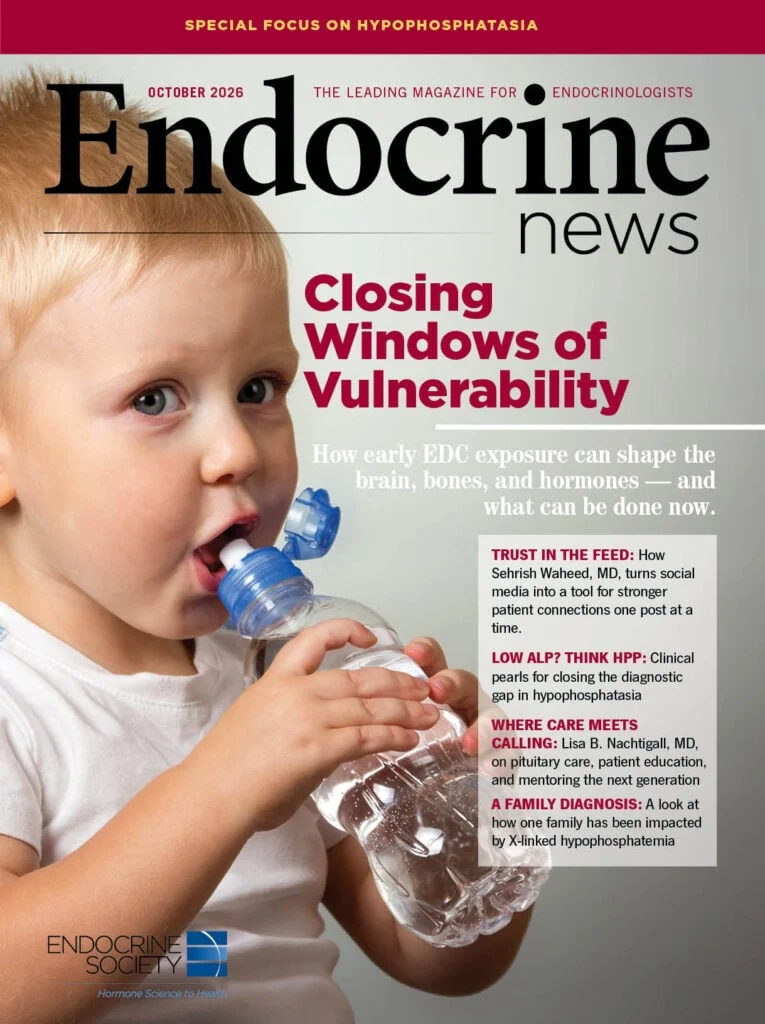
At the forefront of current endocrine research is the "Closing Windows of Vulnerability" initiative, which investigates the profound impact of endocrine-disrupting chemicals (EDCs) during critical stages of human growth. EDCs are exogenous substances or mixtures that alter the function of the endocrine system, consequently causing adverse health effects in an intact organism or its progeny. These substances, which include bisphenols, phthalates, per- and polyfluoroalkyl substances (PFAS), and certain pesticides, are ubiquitous in modern environments, found in everything from food packaging to household dust.
Clinical data suggests that the timing of exposure is often more significant than the dose itself. During prenatal development, infancy, and puberty, the human body undergoes rapid hormonal programming. Recent studies analyzed by the Endocrine Society indicate that even low-level exposure to EDCs during these windows can disrupt brain architecture, alter bone density, and predispose individuals to metabolic disorders later in life. For instance, exposure to phthalates during pregnancy has been linked to neurodevelopmental delays and changes in the anogenital distance in male infants, a marker of reproductive health.

The broader implications for public health are substantial. Regulators and product designers are increasingly under pressure to adopt a "precautionary principle," reducing the use of known EDCs in consumer products before irreparable harm occurs. For clinicians, the focus is shifting toward patient education—empowering individuals to reduce their personal "body burden" through informed consumer choices, such as avoiding certain plastics or choosing organic produce when possible to minimize pesticide intake.
Chronology of Endocrine Awareness and Regulatory Shifts
The understanding of hormonal vulnerability has evolved through several distinct phases over the last century:
- 1920s–1950s: The Discovery Era: Early identification of hormones and the realization that synthetic substances could mimic natural signaling.
- 1960s–1990s: Environmental Wake-up: The publication of Silent Spring and the subsequent identification of DES (diethylstilbestrol) as a major endocrine disruptor led to the first significant regulatory inquiries.
- 2000s–2015: The Epigenetic Revolution: Research began to show that EDC exposure could cause transgenerational effects, altering gene expression without changing the DNA sequence itself.
- 2016–Present: Integrated Clinical Action: Organizations like the Endocrine Society have moved toward integrating environmental health into standard clinical practice, advocating for global policy changes to limit chemical exposure.
Digital Diplomacy: The Role of Social Media in Patient Trust
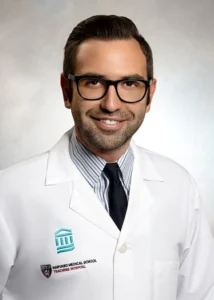
As the biological understanding of endocrinology deepens, the method of communicating that science is also undergoing a radical transformation. Dr. Sehrish Waheed, an early-career endocrinologist, has become a prominent voice in the movement to utilize social media as a tool for clinical efficacy. The traditional model of the "silent physician" is being replaced by the "engaged practitioner" who utilizes platforms like X (formerly Twitter), LinkedIn, and Instagram to combat medical misinformation.
The need for this shift is backed by significant data. According to recent surveys, approximately 70% of adults in the United States search for health information online before consulting a professional. In the realm of endocrinology, where conditions like obesity and diabetes are often subject to intense social stigma, the digital space can be a minefield of "miracle cures" and fat-shaming rhetoric.
Dr. Waheed’s approach emphasizes "building trust one post at a time." By sharing evidence-based insights on obesity management and hormonal health, clinicians can create a supportive digital ecosystem that encourages patients to seek professional care. This engagement also serves a dual purpose: it strengthens professional networks, allowing endocrinologists to share rare case studies and peer-reviewed research in real-time, effectively accelerating the global exchange of medical knowledge.
Rare Disease Management: The Case of Hypophosphatasia
A significant portion of the latest endocrine discourse is dedicated to the management of rare metabolic bone diseases, specifically Hypophosphatasia (HPP). HPP is a rare, genetic, and sometimes fatal metabolic disorder caused by a mutation in the ALPL gene, which leads to low levels of alkaline phosphatase (ALP). This enzyme is crucial for the mineralization of bones and teeth; without it, minerals such as calcium and phosphorus cannot be properly deposited, leading to skeletal deformities and systemic complications.

The clinical presentation of HPP varies wildly depending on the age of onset:
- Perinatal and Infantile HPP: Often characterized by profound skeletal demineralization, respiratory failure, and vitamin B6-responsive seizures.
- Childhood HPP: Presents with premature loss of deciduous teeth, "rickets-like" bone changes, and delayed walking.
- Adult HPP: Often misdiagnosed as osteoporosis or osteoarthritis, presenting with recurring stress fractures, chronic pain, and chondrocalcinosis.
The challenge for endocrinologists lies in the "diagnostic odyssey"—the years-long period many patients spend moving from specialist to specialist before receiving an accurate HPP diagnosis. Supporting data suggests that the prevalence of severe HPP is approximately 1 in 100,000, but milder adult forms may be significantly more common and frequently overlooked. The emergence of enzyme replacement therapies, such as asfotase alfa, has revolutionized the prognosis for these patients, underscoring the importance of early and accurate biochemical screening of ALP levels.
Leadership and the Legacy of Clinical Mentorship
The progression of endocrinology as a discipline relies heavily on the transfer of knowledge from veteran clinicians to the next generation. This theme is personified in the career of Dr. Lisa B. Nachtigall, the recipient of the 2026 Vigersky Outstanding Clinical Practitioner Award. Dr. Nachtigall’s work in complex pituitary care highlights a critical segment of endocrinology that requires a high degree of specialization and long-term patient rapport.
The pituitary gland, often called the "master gland," controls a vast array of bodily functions, from growth and blood pressure to reproduction. Conditions such as acromegaly or Cushing’s disease require not only surgical and pharmacological expertise but also a deep commitment to patient education. Dr. Nachtigall’s reflections on her career emphasize that "care meets calling" when clinicians prioritize the human element of medicine.
Official responses from the medical community suggest that mentorship is the primary factor in retaining talent within the endocrine specialty. With a looming shortage of endocrinologists globally, the "early career" focus of the Endocrine Society aims to bridge the gap between academic training and the nuances of clinical practice. Mentorship provides the "knowledge, tools, and determination" necessary to navigate the complexities of modern healthcare systems and insurance hurdles.
Analysis of Broader Impacts and Future Implications
The synthesis of these topics—environmental safety, digital communication, rare disease awareness, and clinical leadership—points toward a more holistic future for endocrinology. The implications are clear: the role of the endocrinologist is expanding beyond the walls of the clinic.
First, there is a growing intersection between endocrinology and environmental policy. As data on EDCs becomes more definitive, endocrinologists will likely play a larger role in legislative advocacy, testifying on the health impacts of industrial chemicals and helping to shape safety standards for the next generation of consumer products.
Second, the "digitalization" of the patient-doctor relationship will continue to evolve. The success of practitioners like Dr. Waheed suggests that the next generation of medical training may need to include modules on digital communication and health literacy to ensure that doctors remain the primary source of truth in an era of AI-generated content and social media influencers.
Finally, the focus on rare diseases like Hypophosphatasia highlights a shift toward personalized medicine. As genetic testing becomes more accessible, the ability to identify rare hormonal mutations early in life will allow for "precision endocrinology," where treatments are tailored to the patient’s specific genetic profile, potentially preventing the debilitating symptoms of metabolic bone diseases before they manifest.
In conclusion, the latest insights from the world of endocrinology reinforce the idea that the "windows of vulnerability" are also "windows of opportunity." By addressing environmental risks, embracing new communication platforms, improving the diagnosis of rare conditions, and fostering strong mentorship, the medical community can ensure that these pivotal moments lead to better health outcomes for patients worldwide. The work of the Endocrine Society and its members continues to prove that in the delicate balance of the human body, timing, knowledge, and trust are the most potent tools for progress.