


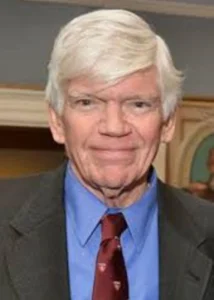





The medical technology landscape underwent a significant leadership transition this week as MiniMed, the recently independent diabetes care specialist, announced the appointment of Dr. David Segal as its new Chief Medical Officer. Dr. Segal, a seasoned veteran in pediatric endocrinology and digital health innovation, succeeds Dr. Robert Vigersky, who will transition into a Chief Medical Officer Emeritus role. This leadership change comes at a pivotal moment for MiniMed as it navigates its first chapters as a standalone entity following its high-profile separation from Medtronic. Dr. Vigersky’s transition is part of a structured succession plan, with his full retirement slated for the conclusion of the next calendar year, ensuring a period of clinical continuity during a time of rapid corporate evolution and product scaling.
The appointment of Dr. Segal is viewed by industry analysts as a strategic move to bridge the gap between traditional clinical practice and the burgeoning field of data-driven, remote patient monitoring. Dr. Segal joins MiniMed from Parkview Health’s Mirro Center for Research and Innovation, where he served as the Medical Director of Innovation and Remote Monitoring Care. His tenure at Parkview was marked by the successful establishment of comprehensive pediatric endocrinology services and a focus on how digital interfaces can improve patient adherence and physiological outcomes. By selecting a leader with deep roots in both the clinical realities of patient care and the technical complexities of health informatics, MiniMed signals its intent to prioritize the "user experience" of diabetes management as much as the underlying hardware.
A Legacy of Innovation and Global Clinical Leadership
Dr. Segal’s professional trajectory provides a blueprint for the modern medical executive in the medtech space. With over two decades of experience, his work has spanned multiple continents and various sectors of the healthcare ecosystem. Before his leadership role at Parkview Health, Dr. Segal was instrumental in shaping the endocrine care landscape in South Africa. He established the nation’s largest private diabetes and endocrinology practice, a feat that required navigating complex regulatory environments and diverse patient demographics. This international experience is expected to be an asset for MiniMed as it seeks to expand its global footprint and address the rising prevalence of diabetes in emerging markets.
Beyond clinical practice, Dr. Segal has demonstrated a keen entrepreneurial spirit through the co-founding of Guidepost, a digital health company focused on tech-enabled coaching and data analytics for chronic disease management. His work with Guidepost underscored a fundamental belief that the future of diabetes care lies in "proactive, personalized, and accessible" interventions. In his first official statement following the appointment, Dr. Segal emphasized that his career has been dedicated to leveraging technology to reduce the daily cognitive and physical burden placed on individuals living with diabetes. He noted that the opportunity at MiniMed allows him to integrate these philosophies into the very fabric of medical device development, moving beyond standalone apps toward integrated, "smart" insulin delivery ecosystems.

The Transition of Dr. Robert Vigersky and the Medtronic Legacy
The departure of Dr. Robert Vigersky from the active CMO role marks the end of a significant era for the diabetes business unit. Dr. Vigersky joined Medtronic’s diabetes division in 2015, a period when the industry was beginning to shift toward automated insulin delivery (AID) and continuous glucose monitoring (CGM) integration. Rising to the position of Chief Medical Officer in 2019, Dr. Vigersky was a primary architect of the company’s clinical strategy, overseeing the data generation required to secure regulatory approvals for several generations of the MiniMed pump series.
Under Dr. Vigersky’s clinical guidance, the business navigated the rigorous FDA and CE Mark pathways, emphasizing the importance of "Time in Range" as a critical metric for patient health. His transition to CMO Emeritus ensures that his institutional knowledge and deep understanding of the regulatory landscape remain available to the company through the end of 2025. This long-lead retirement plan is a common strategy in the medtech industry to maintain investor confidence and ensure that ongoing clinical trials and research projects do not lose momentum during a change in leadership.
Corporate Independence and Financial Performance
The leadership transition coincides with a period of robust financial performance for MiniMed. In its most recent fiscal quarter, the company reported a 17% increase in sales, reaching a total of $843 million. This growth exceeded internal projections and led the company to raise its organic revenue growth guidance for the 2027 fiscal year. The financial health of the company is particularly noteworthy given the recent completion of its separation from Medtronic. The spin-off was designed to allow the diabetes business to operate with greater agility, reinvesting its profits directly into R&D and specialized sales forces rather than competing for capital within a massive, multi-divisional conglomerate.
A primary driver of this recent financial success has been the successful market reception of the MiniMed 780G system and the launch of the Instinct sensor. The Instinct sensor represents a strategic partnership with Abbott, combining Abbott’s world-class sensing technology with MiniMed’s proprietary algorithms and delivery hardware. This "open ecosystem" approach—where hardware from different manufacturers is designed to communicate seamlessly—is a significant departure from the "walled garden" strategies of a decade ago and reflects a broader industry trend toward interoperability.
The Evolving Landscape of Diabetes Technology
MiniMed’s current trajectory must be understood within the context of an increasingly competitive and technologically advanced market. The global diabetes device market is currently characterized by a fierce race toward the "fully closed-loop" system, often referred to as an artificial pancreas. In this environment, the Chief Medical Officer plays a dual role: they must ensure the safety and efficacy of the devices while also advocating for the clinical benefits that justify premium pricing to insurers and national health systems.

As Dr. Segal takes the helm, he faces a landscape occupied by formidable competitors such as Dexcom, Tandem Diabetes Care, and Insulet. These companies have also made significant strides in automated insulin delivery and patch pump technology. MiniMed’s advantage lies in its massive installed base and its long history of clinical data, but it must continue to innovate to prevent market share erosion. The integration of artificial intelligence and machine learning into pump algorithms is the next frontier, and Dr. Segal’s background in digital health innovation makes him uniquely qualified to lead this charge.
Strategic Implications of the Leadership Change
The appointment of Dr. Segal is likely to influence MiniMed’s clinical trial designs and product development roadmap in several key ways. First, his background in pediatric endocrinology suggests a continued, perhaps heightened, focus on the pediatric and adolescent markets. Managing diabetes in children presents unique challenges, including high variability in activity levels and growth-related changes in insulin sensitivity. Providing tools that are intuitive for both children and their caregivers is a significant market opportunity.
Second, Dr. Segal’s experience with remote monitoring and telehealth suggests that MiniMed will continue to enhance its software platforms. The goal is to move beyond simple data logging toward "prescriptive analytics," where the system can suggest adjustments to basal rates or bolus ratios based on historical patterns. This aligns with Dr. Segal’s stated goal of making care more "proactive."
Finally, the move reinforces MiniMed’s identity as a "tech-first" medical company. By hiring a CMO who has co-founded a digital health startup, the company is signaling to the talent market and to investors that it views itself as a software-driven organization that happens to manufacture high-precision hardware. This shift is essential for attracting the type of engineering and data science talent necessary to compete with Silicon Valley-backed health ventures.
Chronology of Recent Events at MiniMed
The past 24 months have been a period of accelerated transformation for MiniMed. The timeline of these events illustrates the momentum behind the current leadership change:

- Mid-2023: Medtronic announces formal plans to spin off its diabetes business into a standalone entity, citing the need for the division to have its own dedicated capital structure and strategic focus.
- Early 2024: MiniMed enters into a landmark partnership with Abbott to integrate the latter’s continuous glucose monitoring technology into the MiniMed automated insulin delivery ecosystem.
- Mid-2024: The company completes the formal separation from Medtronic, beginning operations as an independent public entity.
- Q1 Fiscal 2027 (Reported late 2024): MiniMed reports $843 million in revenue, a 17% year-over-year increase, and raises its financial outlook for the remainder of the fiscal year.
- November 2024: Dr. David Segal is officially named Chief Medical Officer, with Dr. Robert Vigersky transitioning to an emeritus role.
Future Outlook and Market Expectations
As MiniMed moves forward under Dr. Segal’s clinical leadership, the market will be watching closely for the next generation of the MiniMed Flex system and further iterations of the Instinct sensor. The company’s ability to maintain its 17% growth rate will depend on its success in converting users of traditional "multiple daily injection" (MDI) therapy to automated systems. Currently, a significant portion of the Type 1 diabetes population still uses MDI, representing a massive untapped market for companies that can lower the barrier to entry for pump therapy.
Dr. Segal’s focus on accessibility and reducing the "daily burden" of the disease will be central to this effort. If MiniMed can produce devices that are smaller, more discreet, and require less manual input from the user, it can capture a larger share of the market that has previously been hesitant to adopt wearable technology.
In conclusion, the appointment of Dr. David Segal represents more than just a change in personnel; it is a declaration of intent. As MiniMed navigates its new-found independence, it is leaning into a future where the physician’s expertise and the programmer’s code are inextricably linked. With the steady hand of Dr. Vigersky providing a bridge to the past and Dr. Segal’s vision pointing toward a more automated and personalized future, MiniMed appears positioned to remain a dominant force in the global effort to manage and eventually mitigate the impact of diabetes. The coming years will reveal how this new leadership dynamic translates into clinical breakthroughs and sustained commercial success in a field where the stakes—human lives and health—could not be higher.