

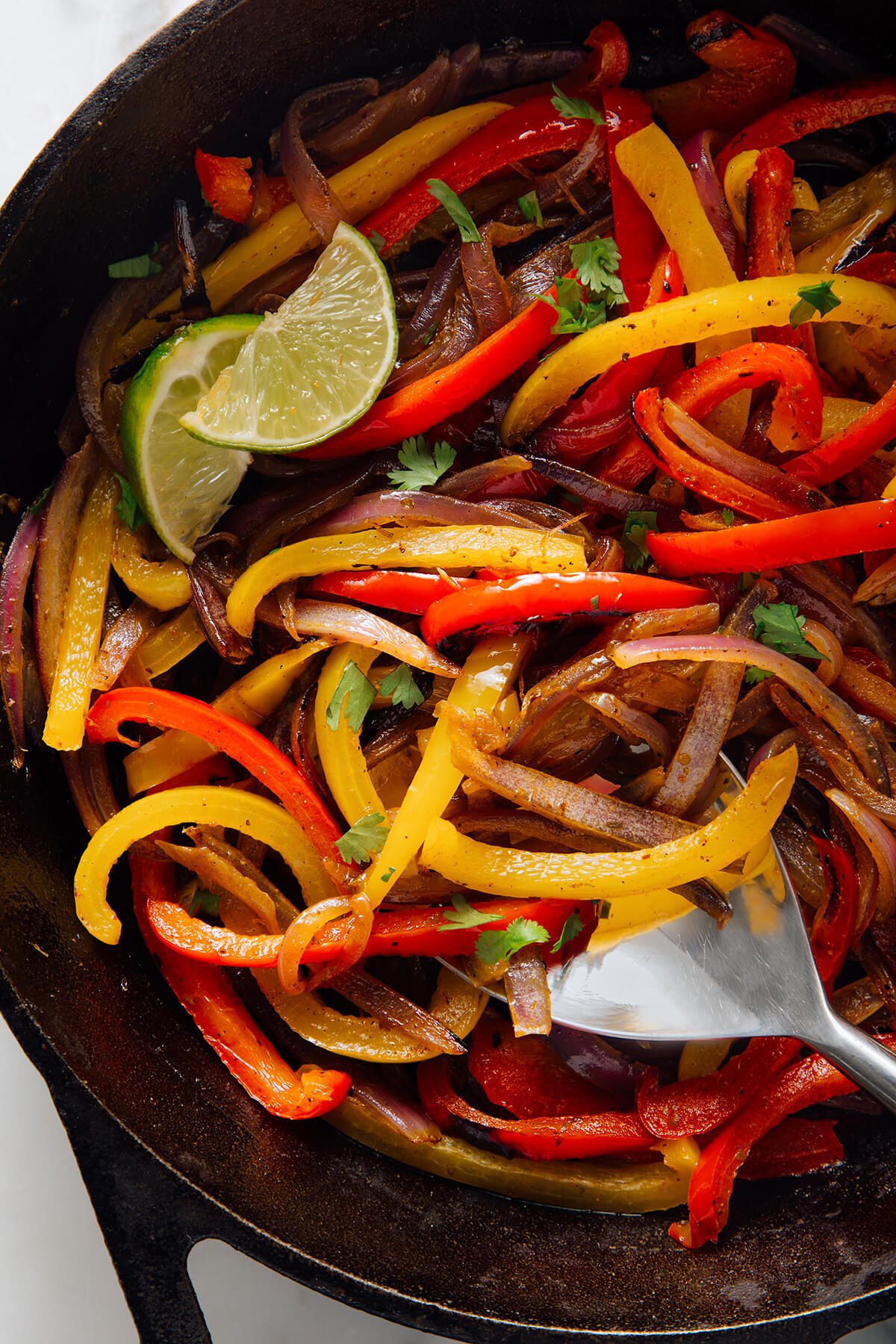
The modern culinary landscape continually seeks dishes that marry robust flavor with healthful ingredients and accessible preparation. Among these, the humble fajita vegetable has risen from a simple side to a celebrated component in diverse meals, largely driven by the popularity of Tex-Mex cuisine and fast-casual dining experiences. A recently developed recipe for sizzling fajita vegetables aims to elevate this staple, offering a method to achieve perfectly caramelized, tender-crisp bell peppers and red onions that rival, and perhaps surpass, commercial offerings like those found in Chipotle burrito bowls. This detailed exploration delves into the recipe’s inspiration, the meticulous development of its unique technique, its nutritional merits, and its broader implications for contemporary home cooking and dietary trends.

The concept for these vibrant fajita vegetables draws directly from the established appeal of Tex-Mex cuisine, a culinary tradition that merges Mexican flavors with American influences, particularly from Texas. Fajitas themselves, traditionally featuring strips of grilled meat served on a sizzling platter with tortillas and condiments, have long been a cornerstone of this genre. Over time, the scope of fajita preparations expanded to include poultry, seafood, and, significantly, vegetables. The inspiration for this specific recipe also acknowledges the immense popularity of fast-casual restaurants such as Chipotle, where customers frequently request the flavorful, seasoned vegetables as a core component of their customized bowls and burritos. The challenge, however, has been to replicate the desirable texture and flavor profile – characterized by edges that are slightly charred and caramelized, an interior that is mostly tender, yet emphatically not mushy – within a home kitchen setting, often with fewer specialized tools.
The development process for achieving this precise textural ideal was iterative and involved numerous trials. The objective was clear: to create a method that ensures the bell peppers and red onions achieve a golden, slightly crisped exterior while retaining a pleasant internal firmness. This balance is crucial; overly soft vegetables lack the satisfying bite expected from fajitas, while undercooked ones can taste raw and astringent. The breakthrough in technique involved a strategic application of heat and moisture, allowing for both caramelization and gentle steaming to occur simultaneously. This methodical approach underscores a growing trend in home cooking where precision and understanding of culinary science are increasingly valued, moving beyond mere ingredient lists to a deeper appreciation of technique.

At the heart of this recipe are carefully selected ingredients, each playing a vital role in the final flavor and aesthetic. The choice of bell peppers is particularly emphasized: red, orange, or yellow varieties are recommended over green. While green bell peppers are often used in commercial settings, their sweeter, fruitier counterparts (red, orange, yellow) contribute a more nuanced flavor profile and vibrant visual appeal, enhancing the overall sensory experience. These peppers are rich in Vitamin C, Vitamin A, and various antioxidants, contributing significantly to the dish’s nutritional value. Red onions are chosen for their milder sweetness compared to yellow onions when cooked, and their striking color provides a pleasing contrast to the bell peppers. The seasoning blend, which infuses the vegetables with their characteristic Tex-Mex aroma and taste, is critical, laying the foundation for the dish’s identity. Finally, a squeeze of fresh lime juice at the end is not merely an afterthought; it introduces a vital acidic counterpoint that brightens the rich, savory flavors and balances the inherent sweetness of the caramelized vegetables. This careful consideration of ingredients highlights a broader culinary principle: quality components, thoughtfully combined, are foundational to exceptional dishes.
The innovative cooking technique employed in this recipe is a significant factor in its success, demonstrating how simple adjustments can yield superior results. A medium-sized skillet, approximately 10 inches in diameter, is recommended. While a cast-iron skillet offers traditional presentation and excellent heat retention, a stainless steel pan is also noted as effective, emphasizing accessibility for most home cooks. The crucial element, however, is the strategic use of a lid. This method deviates from typical sautéing, which often relies on high heat and constant stirring in an open pan. Instead, by periodically covering the skillet, the vegetables are simultaneously steamed and sautéed. This dual action achieves several desirable outcomes:

- Optimal Texture: The trapped steam helps to tenderize the vegetables without overcooking them, ensuring they remain "mostly tender, yet far from mushy."
- Controlled Caramelization: The brief periods of lid-off cooking allow the vegetables to make direct contact with the hot pan surface, facilitating the Maillard reaction responsible for the desirable caramelization and slight charring on the edges.
- Preventing Burning: By using minimal oil and controlling moisture, the risk of oil burning at high temperatures is significantly reduced, a common concern for home cooks. This also helps prevent triggering smoke alarms, making the cooking process more user-friendly.
- Flavor Development: The controlled cooking environment allows the spices to meld more effectively with the vegetables, intensifying the overall flavor.
Furthermore, the instruction to "don’t stir too often" is a deliberate technique to maximize caramelization. Allowing the vegetables to sit undisturbed against the hot pan for a couple of minutes at a time creates those coveted golden-brown edges. This principle, often overlooked in rapid sautéing, is fundamental to developing deep flavor and texture in many vegetable preparations. The final adjustments of lime juice and an additional pinch of salt further refine the flavor profile, showcasing an understanding of how acidity and seasoning can elevate a dish from good to exceptional.
From a nutritional standpoint, these fajita vegetables are a powerhouse, aligning perfectly with contemporary dietary recommendations. Bell peppers, particularly the red, orange, and yellow varieties, are celebrated for their exceptionally high Vitamin C content, often exceeding that of citrus fruits. They also provide significant amounts of Vitamin A (beta-carotene), Vitamin B6, folate, and dietary fiber. Red onions contribute beneficial antioxidants, including quercetin, and prebiotics that support gut health. Cooked with minimal oil, this recipe presents a low-calorie, nutrient-dense option that supports a wide range of dietary needs. It is explicitly noted as dairy-free, egg-free, gluten-free, nut-free, soy-free, and vegan, making it an incredibly versatile component for individuals with allergies, sensitivities, or specific ethical dietary choices. This broad compatibility underscores the recipe’s relevance in a society increasingly conscious of inclusive eating. Incorporating such a vegetable-rich dish into one’s diet contributes significantly to meeting daily vegetable intake recommendations, which are often unmet by large segments of the population. Compared to traditional meat-heavy fajitas, this vegetable-centric version offers a lighter alternative without compromising on flavor or satisfaction, making it an excellent choice for those seeking to reduce meat consumption or adopt a more plant-forward lifestyle.
Beyond its preparation, the versatility of these fajita vegetables is a key factor in their appeal and utility in the modern kitchen. While they serve as an excellent, healthy side dish for any Mexican or Tex-Mex meal, their true potential lies in their adaptability as a core component for a multitude of dishes.

- Tacos, Burritos, and Burrito Bowls: They seamlessly integrate into these classic formats, providing a flavorful and textural foundation. Paired with elements such as black beans, pinto beans, rice (cilantro-lime or brown), various salsas (pico de gallo, corn salsa, avocado salsa), guacamole, avocado slices, sour cream, cheese, or even plant-based protein alternatives like seasoned tofu or tempeh, they contribute to a wholesome and satisfying meal.
- Salad Bowls: For a lighter, yet equally filling option, the warm fajita veggies can be combined with chopped romaine or other leafy greens, drizzled with a cilantro-lime dressing, and topped with cheese and crumbled tortilla chips for crunch. This showcases their ability to transform a simple salad into a hearty and flavorful main course.
- Breakfast Applications: The recipe also highlights the practicality of leftovers. Reheating well, these vegetables can be ingeniously repurposed for breakfast. Served alongside scrambled or fried eggs, with a sprinkle of cheese, a dollop of sour cream, and crumbled tortilla chips, they offer a savory and nutritious start to the day, demonstrating their utility across all meal times.
This inherent versatility caters directly to the demands of contemporary home cooks who prioritize convenience, health, and variety. The ability to prepare a batch of these vegetables and utilize them in different meals throughout the week simplifies meal planning and reduces food waste, aligning with sustainable kitchen practices.
The development and popularization of recipes like these fajita vegetables reflect broader shifts in the culinary landscape. The enduring appeal of Tex-Mex cuisine continues to evolve, incorporating healthier and more plant-based options to meet changing consumer preferences. The global movement towards plant-based eating, driven by health, environmental, and ethical considerations, has created a significant demand for delicious and accessible vegetarian and vegan recipes. This recipe fits perfectly into this trend, offering a flavorful entry point for those exploring flexitarian or fully plant-based diets. Moreover, the inspiration drawn from fast-casual dining, such as Chipotle, highlights how popular restaurant concepts often influence home cooking. Consumers, having experienced certain flavor profiles and meal formats in restaurants, increasingly seek to recreate or adapt these experiences in their own kitchens. This phenomenon has fueled a "home cooking renaissance," where individuals are more engaged with food preparation, seeking both culinary skills and healthy outcomes.

Culinary experts and nutritionists generally laud recipes that successfully combine flavor with significant health benefits and employ effective, straightforward cooking techniques. The method for these fajita vegetables, with its emphasis on nutrient-rich ingredients, minimal unhealthy fats, and a technique that preserves both texture and nutritional integrity, aligns with professional recommendations for healthy eating. The inferred positive reception from the home cooking community stems from the recipe’s ability to deliver on its promise: a vibrant, flavorful, and perfectly textured vegetable dish that is easy to prepare and highly adaptable. This empowers individuals to effortlessly incorporate more vegetables into their diet, enhancing overall well-being without sacrificing taste or satisfaction.
In conclusion, these perfected fajita vegetables represent more than just a recipe; they embody a confluence of contemporary culinary trends: the enduring popularity of Tex-Mex flavors, the growing embrace of plant-based eating, and the desire for convenient, healthful home-cooked meals. Through meticulous recipe development, an understanding of culinary science, and a focus on accessible ingredients, this dish offers a foolproof method for achieving a restaurant-quality experience in one’s own kitchen. Its versatility ensures it can serve as a dynamic component across various meals, from classic burrito bowls to innovative breakfast applications. As home cooks continue to seek ways to "liven up their dinner tables" with nutritious and flavorful options, this recipe for sizzling fajita vegetables stands poised to become a cherished staple, demonstrating that healthy eating can indeed be both simple and exquisitely delicious.