

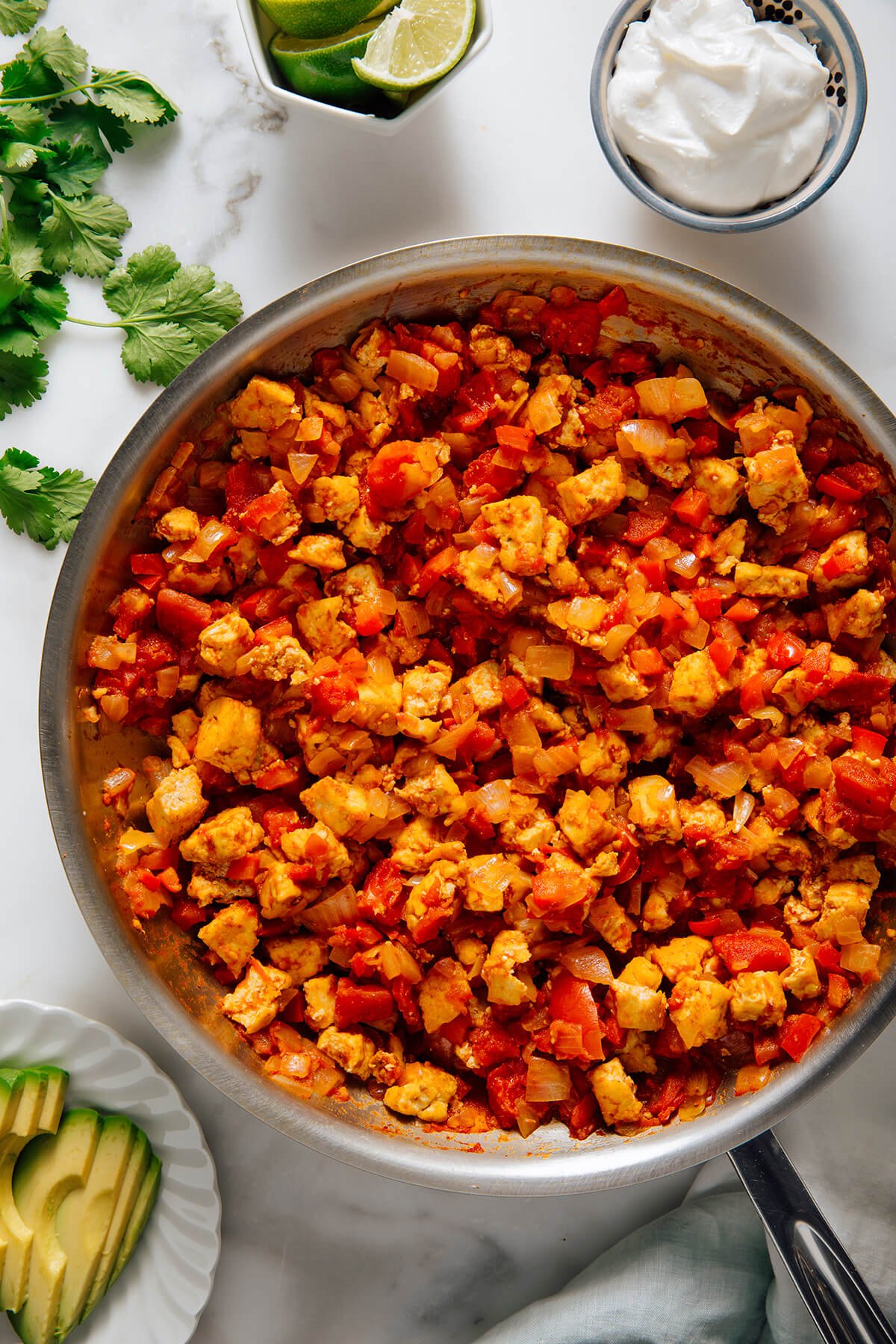
In a significant development for plant-based culinary enthusiasts and home cooks, a meticulously crafted recipe replicating Chipotle Mexican Grill’s popular Sofritas has emerged, offering a refined, accessible version of the spicy, saucy tofu protein. This rendition, developed by renowned food blogger Kathryne Taylor of Cookie and Kate, aims to capture the essence of the fast-casual chain’s beloved offering while allowing for personalized adjustments to flavor and heat. The initiative highlights a growing trend among consumers to recreate restaurant favorites at home, driven by a desire for fresh ingredients, dietary control, and the inherent satisfaction of culinary accomplishment.
Historical Context: The Sofrito Legacy

To fully appreciate the Sofritas phenomenon, one must delve into the rich history of its namesake: sofrito. This aromatic foundation, typically comprising finely diced or pureed garlic, onions, and peppers sautéed in olive oil, forms the flavor base for countless dishes across Spanish, Latin American, and Mediterranean cuisines. Its origins trace back centuries, with variations found from Spain’s paella to the Caribbean’s sancocho. The term "sofrito" itself derives from the Spanish verb "sofrier," meaning "to lightly fry," indicating the gentle cooking process designed to coax out the maximum flavor from its constituent vegetables. This foundational technique is critical for building layers of savory depth, a principle Chipotle ingeniously adapted for its plant-based protein. The adoption of this traditional base for a modern, plant-forward offering underscores the enduring versatility and cross-cultural appeal of classic culinary methods.
Chipotle’s Innovation: Bringing Sofritas to the Mainstream
Chipotle Mexican Grill first introduced Sofritas to its menu in 2014, marking a pivotal moment for plant-based options in the fast-casual dining sector. The move was a strategic response to increasing consumer demand for vegetarian and vegan alternatives, as well as an effort to diversify its protein offerings beyond traditional meats. Initially tested in select markets, Sofritas quickly gained traction, becoming a permanent fixture nationwide. Crafted from shredded tofu braised in a flavorful blend of roasted poblanos, chipotle peppers, and aromatic spices, Chipotle’s Sofritas offered a hearty, satisfying texture and a distinct smoky, spicy profile that appealed to a broad spectrum of diners, not just those adhering to plant-based diets. Its introduction solidified Chipotle’s reputation as an innovator in accessible, customizable dining, paving the way for other chains to explore and expand their vegan and vegetarian menus. Data from the Plant Based Foods Association indicates a consistent upward trend in plant-based food sales, with the market growing significantly year-over-year since Chipotle’s launch, demonstrating the foresight of their culinary decision. The convenience and flavor profile of restaurant Sofritas often made the additional charge for premium ingredients like guacamole feel entirely justified for many patrons, transforming a simple burrito bowl into a more substantial and satisfying meal.

The Art of Replication: Deconstructing Chipotle’s Sofritas
The development of a high-quality homemade Sofritas recipe, such as the one by Kathryne Taylor, involves a meticulous process of deconstruction and refinement. Inspired directly by Chipotle’s publicly available ingredient list, Taylor embarked on an iterative culinary journey to balance flavor, texture, and spice. Her objective was not merely to copy but to enhance, addressing common criticisms such as the occasional overwhelming heat of the restaurant version. The resulting recipe, lauded for its fresh, vibrant, and well-spiced character, offers a nuanced flavor profile that allows other components of a meal to shine through. This approach reflects a broader movement in home cooking, where culinary enthusiasts leverage information and experimentation to elevate beloved dishes beyond their commercial counterparts. The process involved careful experimentation with ingredient ratios and cooking techniques to achieve the desired "hearty, saucy, and spicy" characteristics, while also ensuring the plant-based protein retained its structural integrity and absorbed flavors effectively.
Key Ingredients and Their Culinary Contributions

The success of this homemade Sofritas recipe hinges on a thoughtful selection and preparation of core ingredients, each contributing distinct layers to the overall flavor and texture:
- Olive Oil: As with traditional sofrito, extra-virgin olive oil serves as the primary cooking fat. Its fruity, peppery notes not only facilitate the sautéing of aromatics but also contribute a subtle richness to the final dish, a healthier fat choice often preferred in home cooking compared to some commercial alternatives.
- Extra-Firm Tofu: The cornerstone of Sofritas, extra-firm tofu is crucial for achieving the desired hearty texture. When crumbled with a fork, it mimics the shredded appearance of Chipotle’s version. Pan-frying the crumbled tofu until golden develops a surprisingly deep, subtly smoky flavor and creates ample surface area for maximum seasoning absorption. Pressing the tofu thoroughly before cooking is essential to remove excess water, allowing it to crisp up effectively and soak in the braising liquid.
- Aromatics (Onion, Red Bell Pepper, Garlic): This classic trifecta forms the fundamental "sofrito" base. Sautéing these ingredients until softened and fragrant establishes a sweet and savory backbone for the dish. Red bell pepper is preferred for its natural sweetness, though yellow or orange varieties offer suitable substitutes, maintaining the vibrant color and flavor profile. The careful caramelization of these vegetables is key to unlocking their full flavor potential, a step that cannot be rushed.
- Tomato Paste and Canned Diced Tomatoes: These tomato components play dual roles. Diced tomatoes provide essential moisture and a tender consistency to the sauce, while umami-rich tomato paste intensely concentrates the tomato flavor, adding depth and a slightly sweet tang that balances the spices. The combination ensures a robust, saucy finish that clings beautifully to the tofu.
- Adobo Sauce or Chopped Chipotle Peppers: Central to the distinctive smoky heat of Sofritas are chipotle peppers in adobo sauce. These smoked, dried jalapeños deliver a complex heat that is both fiery and deeply savory. Using either the rich, spicy adobo sauce or finely chopped peppers (or a combination) allows for precise control over the dish’s intensity, a key refinement in the homemade version to prevent overpowering the palate. The smoky notes are indispensable for authenticity.
- Red Wine Vinegar: A splash of acidity is vital for brightening the overall flavor profile, cutting through the richness and heat. Red wine vinegar provides a sharp, fruity tang, but sherry vinegar offers an excellent alternative, contributing its own unique nutty and slightly sweet complexity. This acidic element acts as a crucial counterpoint, preventing the dish from tasting flat.
- Dried Spices (Ground Cumin, Smoked Paprika, Oregano): A carefully selected blend of spices completes the flavor symphony. Ground cumin imparts an earthy warmth, oregano adds a herbaceous, slightly bitter note, and smoked paprika reinforces the smoky character introduced by the chipotle peppers, creating a cohesive and authentically Mexican-inspired taste. The synergy of these spices is what truly elevates the dish.
A practical tip for home cooks, often shared by seasoned chefs and food bloggers alike, involves preserving leftover tomato paste and chipotle peppers in adobo sauce. By freezing small portions in individual freezer bags, flattened for easy storage and portioning, culinary waste is minimized, and these potent ingredients are readily available for future recipes, enhancing both efficiency and sustainability in the home kitchen.
Beyond the Bowl: Versatile Applications for Homemade Sofritas

Homemade Sofritas, rich in plant-based protein and vibrant flavors, offer immense versatility in meal preparation, extending far beyond the confines of a burrito bowl. Its hearty and spicy nature makes it an ideal complement to a wide array of Mexican and Tex-Mex inspired dishes. For optimal enjoyment, it is frequently recommended to pair Sofritas with cooling, creamy elements such as fresh guacamole, sour cream, or a plant-based crema to balance its inherent heat.
Creative culinary applications include:
- Burritos and Burrito Bowls: The most intuitive use, mirroring its popular restaurant application, providing a flavorful protein base alongside rice, beans, salsa, and fresh vegetables.
- Nachos: Sprinkling Sofritas over a bed of crispy tortilla chips, melted cheese (or vegan cheese sauce), jalapeños, and other toppings transforms a simple snack into a substantial meal.
- Quesadillas: Stirring Sofritas into cheese before griddling between tortillas adds a spicy, savory depth and a significant protein boost to this classic comfort food.
- Tacos: As a primary filling for soft or hard-shell tacos, Sofritas pairs excellently with shredded lettuce, diced onions, cilantro, and a squeeze of lime, offering a fresh take on a taco night staple.
- Egg Dishes: Sofritas can elevate breakfast or brunch, whether folded into scrambled eggs for a hearty morning meal or served alongside fried eggs, adding a zesty, savory component.
- Enchiladas or Chilaquiles: Incorporating Sofritas as a filling for enchiladas or layering it into chilaquiles provides a robust flavor and texture, enhancing traditional Mexican comfort foods.
- Stuffed Peppers or Sweet Potatoes: For a healthier, complete meal, Sofritas can be used as a flavorful stuffing for bell peppers or baked sweet potatoes, combining protein, vegetables, and complex carbohydrates.
These varied applications underscore the value of a well-executed Sofritas recipe as a versatile component in a diverse, plant-forward diet, appealing to both seasoned vegans and those simply looking to incorporate more plant-based meals into their routine.

The Broader Culinary Impact: Trends in Plant-Based Eating and DIY Culture
The emergence and popularity of recipes like homemade Sofritas reflect significant shifts in contemporary culinary culture. The global demand for plant-based foods continues to surge, driven by heightened awareness of health benefits, environmental sustainability, and ethical considerations. Market research consistently shows exponential growth in the plant-based sector, with consumers actively seeking out delicious and accessible alternatives to traditional meat products. Sofritas, by offering a satisfying and flavorful protein, directly addresses this demand, providing a versatile option that doesn’t compromise on taste or texture.
Simultaneously, there is a burgeoning "Do-It-Yourself" (DIY) food culture, fueled by the accessibility of online recipes, cooking tutorials, and the desire for greater control over ingredients. Home cooks are increasingly empowered to replicate complex restaurant dishes, personalize them to their taste, and ensure ingredient quality. This trend is further amplified by the ongoing influence of social media, where food bloggers and home chefs share their culinary creations, fostering a vibrant community of experimentation and learning. The act of recreating a dish like Sofritas becomes more than just cooking; it’s an engagement with culinary heritage, a conscious dietary choice, and a creative expression.

Expert Commentary and Public Reception
Culinary experts often point to the success of plant-based options like Sofritas as a testament to evolving palates and ingredient innovation. Dr. Elena Rodriguez, a food historian specializing in Latin American cuisine, remarked, "The transformation of the ancient sofrito into a modern, plant-based protein like Sofritas is a brilliant example of culinary evolution. It honors tradition while meeting contemporary dietary needs, making rich flavors accessible to a wider audience." Nutritionists commend the use of tofu as a complete plant-based protein source, offering essential amino acids and a low-calorie, nutrient-dense alternative to meat. The public reception, both to Chipotle’s original offering and to high-quality homemade versions, has been overwhelmingly positive, solidifying Sofritas’s place as a beloved component of modern Mexican-inspired cuisine. Consumers frequently express satisfaction with the texture and flavor, often noting that it exceeds their expectations for a tofu-based dish.
Looking Ahead: The Future of Food Replication and Sustainable Eating

As consumers become more discerning and environmentally conscious, the trend of home replication of popular restaurant dishes, particularly plant-based ones, is expected to continue its upward trajectory. This movement not only empowers individuals in their kitchens but also fosters a deeper appreciation for culinary techniques and ingredient sourcing. The success of dishes like homemade Sofritas serves as a beacon for the future of food—one that balances convenience with quality, tradition with innovation, and enjoyment with responsibility. The ability to craft restaurant-quality, plant-based meals at home is not merely a passing fad but a foundational shift in how people approach cooking and eating, promising a more sustainable, flavorful, and personalized culinary landscape for years to come.