

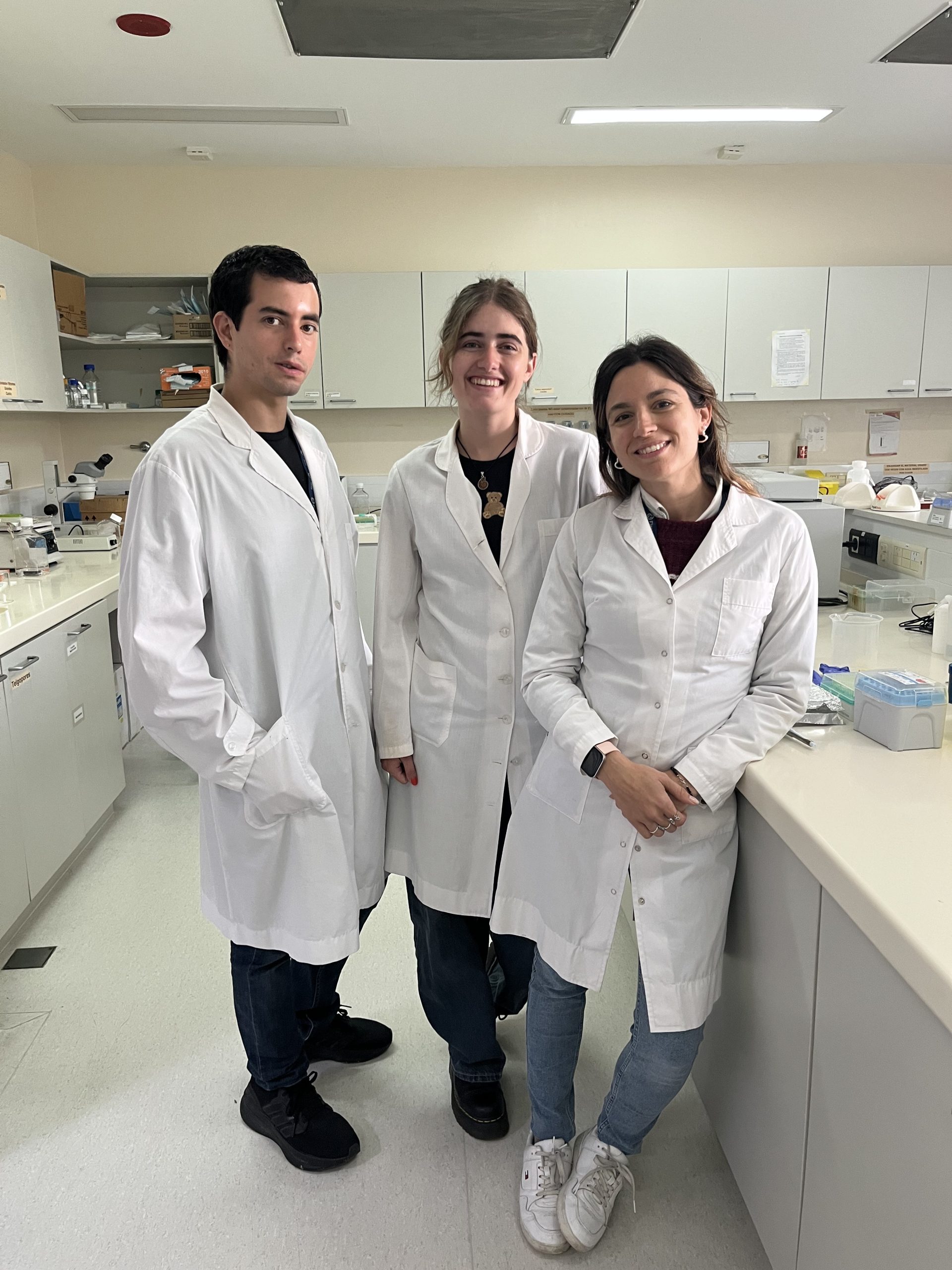
The field of neuroendocrinology is currently undergoing a transformative shift as researchers move beyond traditional observational studies toward sophisticated molecular modeling and personalized medicine. At the forefront of this evolution in South America is Maria Andrea Camilletti, PhD, an assistant researcher at the Laboratorio de Investigaciones Aplicadas en Neurociencias (LIAN), within the Instituto de Neurociencias (INEU-CONICET) at the Fundación para la Lucha contra las Enfermedades Neurológicas de la Infancia (FLENI) in Buenos Aires, Argentina. Dr. Camilletti’s work represents a critical intersection between clinical genomics and regenerative biology, specifically focusing on the pituitary gland—a master regulator of human physiology often referred to as the "conductor of the endocrine orchestra." Her research seeks to unravel the genetic complexities of congenital hypopituitarism (CH), a condition that can result in profound developmental and metabolic deficiencies. By leveraging induced pluripotent stem cell (iPSC) technology, Dr. Camilletti and her team are bridging the gap between identifying genetic variants of uncertain significance and understanding their functional impact on human health.
A Chronological Foundation: From Family Influence to Academic Rigor
The trajectory of Dr. Camilletti’s career illustrates a lifelong commitment to the life sciences, rooted in an environment that prioritized intellectual curiosity. Raised in a family of practitioners—her mother a biochemist and her grandfather and uncle working as agronomists and engineers—she was exposed to the rigors of the scientific method from an early age. This foundation led her to the University of Buenos Aires (UBA) in 2007, where she enrolled in the Faculty of Natural and Exact Sciences. UBA, a premier public institution in Argentina, provided a robust academic environment where the faculty members were not only educators but active participants in the global scientific community.
In 2011, Dr. Camilletti’s focus sharpened toward neuroendocrinology when she joined the laboratory of Graciela Díaz at the Institute of Biology and Experimental Medicine (IBYME). Under Díaz’s mentorship, Camilletti began investigating pituitary tumors. This period was pivotal, as it introduced her to the practical realities of high-level research within the context of Argentina’s fluctuating economic landscape. It was here that she developed a specialized interest in the pituitary gland, recognizing its central role in maintaining homeostasis, regulating growth, managing metabolism, and facilitating reproductive functions.
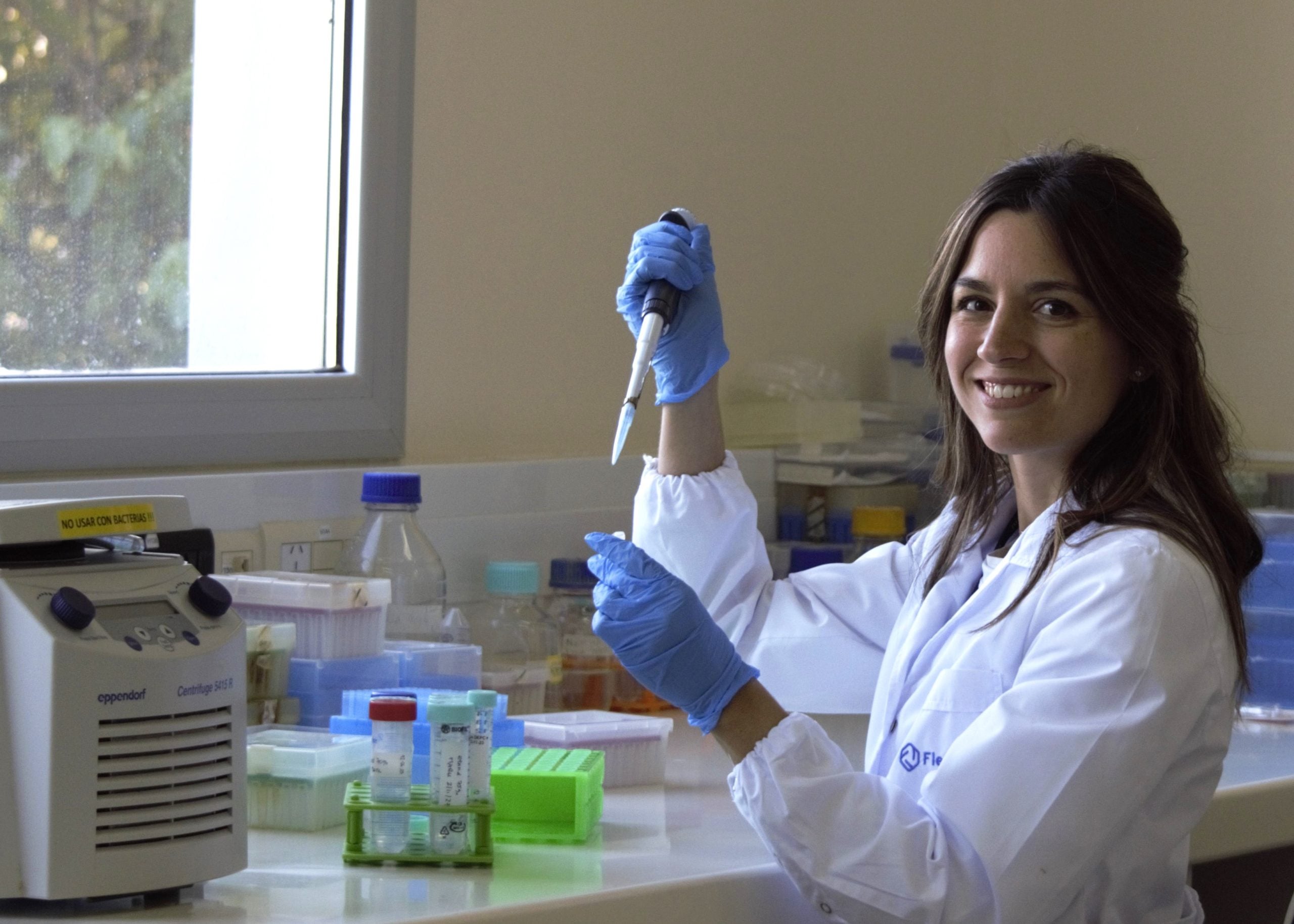
Following the completion of her doctoral studies, Dr. Camilletti pursued a postdoctoral position with María Inés Pérez Millán, a researcher who had recently returned to Argentina after a six-year tenure at the University of Michigan. This collaboration focused on an ambitious project: the development of a multigene panel designed to improve the molecular diagnosis of congenital hypopituitarism (CH). This genetic disease, characterized by the deficiency of one or more pituitary hormones, often presents a diagnostic challenge due to its heterogeneous genetic nature.
The Genomic Challenge: Addressing Variants of Uncertain Significance
Congenital hypopituitarism occurs in approximately 1 in 4,000 to 1 in 10,000 live births. While some cases are linked to known mutations in transcription factors such as POU1F1 or PROP1, a significant portion of the patient population remains without a clear molecular diagnosis. During her postdoctoral work, Dr. Camilletti immersed herself in bioinformatics and clinical genomics to address this gap.
The research team screened more than 170 pediatric patients across Argentina, utilizing a custom-based sequencing panel to detect gene-specific candidate variants. The study successfully identified the genetic cause in 15.3% of sporadic cases—a notable achievement in clinical diagnostics. However, the project also highlighted a recurring problem in modern genomics: the identification of "variants of uncertain significance" (VUS). In many instances, the team discovered genetic alterations that could not be definitively linked to the disease without further functional evidence. This realization necessitated a shift in methodology. To move from correlation to causation, the researchers required a reliable cellular model that could replicate the specific genetic environment of the patient.
The Technological Pivot: The Rise of iPSC Modeling
The limitations of traditional cell lines and animal models in capturing the nuances of human pituitary development led Dr. Camilletti to adopt induced pluripotent stem cell (iPSC) technology. First pioneered by Shinya Yamanaka and Kazutoshi Takahashi in 2006—a discovery that earned the Nobel Prize in 2012—iPSCs are generated by reprogramming adult somatic cells, such as skin or blood cells, back into a pluripotent state.
These cells possess two extraordinary capabilities: self-renewal and the potential to differentiate into any cell type in the human body, including the specialized hormone-producing cells of the pituitary gland. For researchers like Dr. Camilletti, iPSCs offer several distinct advantages:
- Patient-Specificity: They allow for the creation of "disease-in-a-dish" models that carry the exact genetic makeup of the patient being studied.
- Ethical Clarity: Because they are derived from adult tissue, they bypass the ethical complexities associated with embryonic stem cells.
- Functional Validation: They provide a platform to test whether a specific genetic variant actually disrupts hormone production or cellular differentiation.
With this new focus, Dr. Camilletti transitioned to her current role as an independent researcher at the Institute of Neuroscience at FLENI. This move placed her in one of Latin America’s leading neurological institutes, providing the infrastructure necessary to pursue high-stakes regenerative medicine research.
Case Study: Investigating the FOXA2 Variant
Dr. Camilletti’s current research is centered on a specific case involving a patient diagnosed with growth hormone (GH) deficiency and craniofacial malformations. Genomic sequencing revealed a novel, heterozygous nonsense variant in the FOXA2 gene (c.686C>A; p.S229*). While FOXA2 is known to play a role in early embryonic development, its specific contribution to human pituitary formation and hormonal regulation has historically been under-characterized.
In collaboration with specialists from Garrahan Hospital and UBA, Dr. Camilletti’s lab successfully generated an iPSC line from this patient. This represents a landmark step in neuroendocrine research in the region. The team is now working to differentiate these patient-derived iPSCs into pituitary progenitor cells. By comparing these cells to control lines, they can observe exactly how the FOXA2 variant affects the clinical phenotype.

Furthermore, the laboratory is utilizing CRISPR/Cas9 gene-editing tools to create a FOXA2 knockout iPSC line. This dual approach—using both patient-derived cells and engineered knockout cells—allows for a comprehensive analysis of the transcriptional regulatory landscape. Through genomics and proteomics, the team aims to reveal how this novel gene governs the complex process of pituitary differentiation.
Operational Realities and the "Ninja-Culture" of the Lab
While the scientific implications of this work are global, the day-to-day operations are influenced by the specific challenges of the laboratory environment. Dr. Camilletti notes that culturing iPSCs is a demanding process. These cells are highly sensitive to environmental stress and require meticulous care. Because the use of antibiotics is generally avoided in these cultures to prevent the masking of low-level contamination and to maintain cellular integrity, the technicians must maintain an ultra-sterile environment.
This level of precision has led to the internal moniker of the "ninja-culture technician." It reflects the discipline required to maintain these delicate lines over the weeks and months needed for differentiation protocols. For Dr. Camilletti, the success of a protocol without technical failure is a source of professional fulfillment, emphasizing the "fun" and "joy" found in the mastery of complex biological systems.
Mentorship and Broader Implications for Personalized Medicine
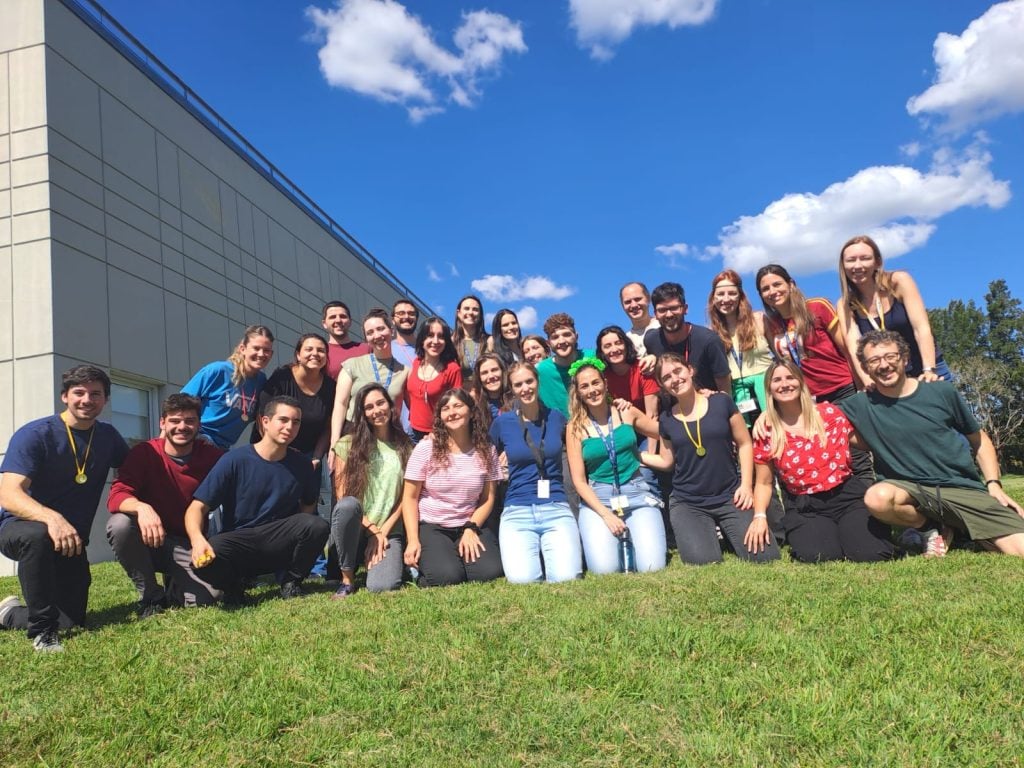
Beyond the bench, Dr. Camilletti is heavily invested in the mentorship of the next generation of scientists. Her team at LIAN includes undergraduate students, PhD fellows, and postdocs, such as Gonzalo Tomás Chirino Felker and Chiara Grosso. By integrating students into high-level research, she ensures that the technical expertise in iPSC technology and genomics continues to grow within the Argentine scientific community.
The broader implications of this research are significant for several reasons:
- Improved Diagnostics: By validating VUS, the research provides families with definitive answers, which is crucial for genetic counseling and family planning.
- Precision Therapeutics: Understanding the exact molecular mechanism of a hormone deficiency allows for more tailored treatment strategies.
- Regenerative Potential: In the long term, iPSC technology holds the promise of cell transplantation. The ability to generate functional pituitary cells from a patient’s own tissue could eventually lead to therapies that replace the need for lifelong hormone replacement injections.
Analysis of Impact
Dr. Maria Andrea Camilletti’s work at FLENI serves as a blueprint for how developing scientific hubs can contribute to global medical knowledge. Despite the economic hurdles often faced by researchers in Argentina, the utilization of cutting-edge tools like iPSCs and multigene panels ensures that local patients have access to world-class diagnostic capabilities.
The shift toward functional genomics—moving from simply reading a DNA sequence to understanding its biological output—is the next frontier in endocrinology. As Dr. Camilletti’s lab continues to decode the role of genes like FOXA2, they are not only solving individual medical mysteries but are also contributing to a foundational understanding of human development. The integration of clinical data, patient advocacy, and advanced biotechnology positions this research as a vital component in the global effort to treat and eventually cure congenital endocrine disorders.