

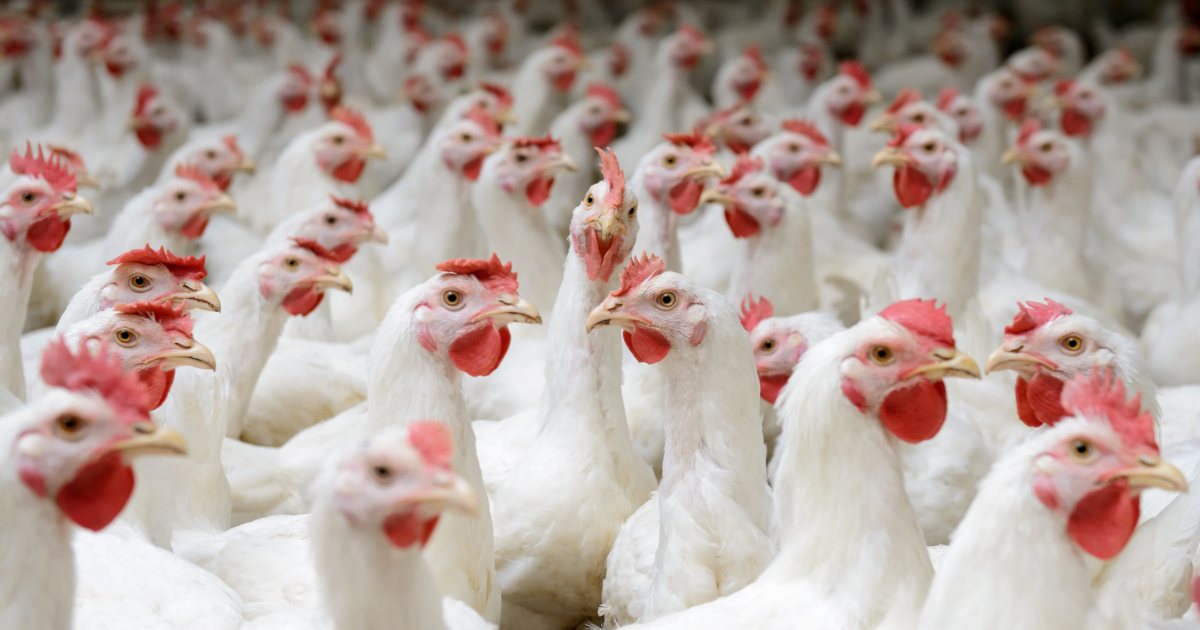
The Colorado General Assembly has formally introduced the Modernizing Depopulation Act, designated as Senate Bill 26-123, marking a significant shift in the intersection of agricultural policy and animal welfare standards. Introduced on February 24, 2026, the legislation aims to establish Colorado as the first state in the nation to phase out the use of ventilation shut down (VSD) and ventilation shut down plus heat (VSD+) as methods for the mass culling of poultry. The bill, which has received strong endorsement from the Animal Welfare Institute (AWI) and various animal advocacy groups, seeks to overhaul the protocols used by the agricultural industry to manage disease outbreaks, particularly during the persistent threat of Highly Pathogenic Avian Influenza (HPAI).
The proposed legislation addresses a controversial practice used to depopulate large-scale flocks of chickens, turkeys, and ducks. Under the current regulatory framework, VSD and VSD+ involve the sealing of commercial barns to eliminate airflow, followed by the introduction of heaters, humidity, or steam to raise internal temperatures to as high as 130 degrees Fahrenheit. The process is intended to induce death via hyperthermia or heatstroke. However, the Modernizing Depopulation Act argues that these methods are fundamentally inhumane and fall short of modern ethical expectations for veterinary and agricultural practices.
Understanding the Mechanics of Ventilation Shut Down
To understand the impetus behind SB26-123, it is necessary to examine the technical and physiological implications of ventilation shut down. VSD is a method of mass depopulation where the ventilation system of a poultry house is turned off, and the natural body heat of the thousands of birds inside causes the temperature to rise. In the "plus" version (VSD+), supplemental heat or steam is pumped into the facility to accelerate the process.
Physiologically, the birds undergo a slow and agonizing decline. As the temperature rises, the animals attempt to thermoregulate through panting, which eventually fails as humidity levels increase and the surrounding air can no longer absorb moisture. This leads to systemic organ failure, seizures, and eventually death from heatstroke. Critics of the method, including many veterinary professionals, compare the experience to leaving a domestic animal inside a locked vehicle on a sweltering day, multiplied by the thousands.
Beyond the ethical concerns, SB26-123 highlights the operational failures of VSD+. Data from previous depopulation events suggests that the method is often ineffective at achieving a 100% mortality rate within the expected timeframe. In many instances, "survivors" are discovered hours or even days after the procedure has concluded, requiring workers to manually kill the remaining birds through other means. This inefficiency not only prolongs animal suffering but also increases the risk of disease spread if the depopulation is not completed swiftly and cleanly.
The Chronology of Depopulation Standards
The reliance on VSD and VSD+ is a relatively recent development in American industrial agriculture, born out of the exigencies of large-scale disease outbreaks. Historically, poultry depopulation was primarily achieved through the use of carbon dioxide (CO2) gas or water-based foam. These methods, while still lethal, are generally considered to be faster and less prone to the prolonged suffering associated with heat-based methods.
The shift toward VSD began in earnest during the 2014-2015 avian influenza outbreak, which at the time was the largest animal health emergency in U.S. history. Faced with the need to kill millions of birds within a 24-hour window to prevent the virus from spreading, the United States Department of Agriculture (USDA) and the American Veterinary Medical Association (AVMA) began to permit VSD as a method of "last resort" in "constrained circumstances."
However, as the 2022-2025 H5N1 outbreak intensified, what was once a "last resort" became a standard operating procedure for many large-scale producers. The sheer scale of the outbreaks—affecting over 100 million birds across 48 states—taxed the available resources for CO2 and foam depopulation. Consequently, VSD+ became the go-to method due to its low labor requirements and the fact that it does not require specialized equipment that may be in short supply during a national crisis.
The introduction of the Modernizing Depopulation Act in Colorado represents a legislative effort to reverse this trend. If passed, the bill would set a timeline for producers to transition back to more humane methods, effectively removing VSD and VSD+ from the list of approved protocols in the state.
Supporting Data and the Impact of Avian Influenza
The urgency of SB26-123 is underscored by the devastating impact of HPAI on the Colorado poultry industry. Since the current outbreak began in early 2022, Colorado has seen millions of birds culled to prevent the spread of the virus. In Weld County alone, which serves as a major hub for egg and poultry production, hundreds of thousands of laying hens have been depopulated in single events.
According to USDA Animal and Plant Health Inspection Service (APHIS) data, the efficiency of depopulation is critical to "stamping out" the virus. The USDA’s "24-hour rule" mandates that a flock must be depopulated within 24 hours of a positive HPAI diagnosis. Proponents of VSD+ argue that it is the only method capable of meeting this deadline for massive facilities housing upwards of 500,000 birds. However, animal welfare advocates point to data showing that the preparation for VSD+ often takes longer than the setup for CO2 or foam, and the actual time to death is significantly longer.
A study conducted by researchers involved in poultry welfare indicated that while CO2 can induce unconsciousness in seconds and death within minutes, VSD can take several hours to achieve the same result. Furthermore, the failure rate of VSD—defined as the presence of surviving birds—has been documented in several high-profile depopulation events, leading to what the AWI describes as "languishing survivors" who suffer for days in the aftermath of a failed cull.
Reactions from Stakeholders and the Scientific Community
The introduction of the bill has sparked a complex dialogue between animal welfare organizations, the agricultural industry, and the veterinary community. The Animal Welfare Institute has been a vocal proponent, stating that the move is a necessary step toward aligning agricultural practices with modern ethical standards. "The use of ventilation shut down is a stain on the American food system," an AWI representative noted. "Colorado’s leadership in phasing out this practice will hopefully serve as a catalyst for national change."
Conversely, some industry groups have expressed concerns regarding the logistical and financial implications of the bill. The cost of maintaining specialized CO2 delivery systems or foam-generating equipment is significantly higher than the cost of VSD+. There are also concerns regarding the availability of carbon dioxide, which has faced supply chain shortages in recent years. Industry representatives argue that without VSD+, producers may find it impossible to comply with federal 24-hour depopulation mandates, potentially leading to a wider spread of avian influenza and greater economic loss.
The veterinary community remains somewhat divided. While the AVMA currently lists VSD+ as "permitted in constrained circumstances," there has been an internal push by many veterinarians to reclassify the method as "not recommended." Many practitioners argue that the "constrained circumstances" clause has been interpreted too broadly by large-scale producers to justify VSD+ as a matter of convenience rather than absolute necessity.
Broader Implications and Future Analysis
The passage of the Modernizing Depopulation Act would have implications far beyond the borders of Colorado. As the first state to take a hard line against heat-based culling, Colorado would set a precedent that other states—particularly those with large poultry industries like Iowa, Nebraska, and Pennsylvania—might eventually follow. This could force a nationwide shift in how the USDA and APHIS manage disease outbreaks.
From an economic perspective, the bill may drive innovation in depopulation technology. If VSD+ is off the table, there will be a heightened market demand for more efficient and humane gas or foam systems that can be rapidly deployed. This could lead to the development of mobile depopulation units or regional equipment hubs that can assist producers during an outbreak.
Furthermore, the bill reflects a growing consumer trend toward transparency and higher welfare standards in the food supply chain. Modern consumers are increasingly concerned not just with how animals are raised, but also with how they are treated during the final stages of their lives, including in disease-response scenarios. By phasing out VSD+, Colorado is positioning its poultry industry to meet these evolving consumer expectations.
However, the bill also highlights a fundamental tension in modern agriculture: the conflict between the massive scale of production and the ability to treat individual animals humanely. As barns grow larger and house more birds, the logistics of humane treatment become exponentially more difficult. SB26-123 forces a confrontation with this reality, asking whether the current model of poultry production is compatible with basic animal welfare when a crisis occurs.
In the coming months, the Colorado General Assembly will deliberate on the specifics of the phase-out timeline and any potential exemptions for small-scale producers. The outcome of this legislative process will be closely watched by animal welfare advocates, agricultural lobbyists, and veterinary professionals across the country, as it represents a pivotal moment in the history of American farm animal protection. Regardless of the final vote, the introduction of the Modernizing Depopulation Act has already succeeded in bringing one of the industry’s most controversial practices into the light of public and legislative scrutiny.