

In an era increasingly defined by a global focus on health and wellness, major retailers like Costco are playing a pivotal role in shaping consumer dietary choices, particularly for those aiming for weight loss. The warehouse giant has strategically curated its inventory to feature an abundance of high-protein, high-fiber foods, alongside a commitment to offering minimally processed options. This approach directly addresses the growing demand for convenient yet nutritious groceries that support sustained satiety and overall metabolic health, making Costco a go-to destination for individuals committed to achieving their weight management goals. This deliberate stocking strategy reflects a deeper understanding of nutritional science and evolving consumer preferences, positioning the retailer at the forefront of accessible healthy eating.
The Scientific Foundation: Protein, Fiber, and the Avoidance of Processed Sugars

The journey towards effective weight loss and improved health is fundamentally underpinned by dietary choices that prioritize specific macronutrients and avoid detrimental elements. According to Tara Collingwood, MS, RDN, CSSD, LD/N, ACSM-CPT, a Board Certified Sports Dietitian and co-author of the Flat Belly Cookbook for Dummies, three primary considerations guide smart grocery selections: high protein content, ample fiber, and a low presence of added sugars and highly processed ingredients. These principles are not merely dietary fads but are rooted in extensive scientific research demonstrating their profound impact on human metabolism and appetite regulation.
Protein’s Multifaceted Role in Weight Management
Protein stands as a cornerstone of any successful weight loss regimen, primarily due to its unparalleled ability to induce satiety. When consumed, protein stimulates the release of gut hormones like cholecystokinin (CCK) and peptide YY (PYY), which signal fullness to the brain, thereby reducing overall food intake and mitigating the urge to overeat later in the day. This effect is significantly more pronounced than that of carbohydrates or fats. Furthermore, protein has a higher thermic effect of food (TEF), meaning the body expends more energy to digest, absorb, and metabolize protein compared to other macronutrients. This effectively boosts daily calorie expenditure, albeit modestly, contributing to a caloric deficit necessary for weight loss. Crucially, adequate protein intake is vital for preserving lean muscle mass during periods of caloric restriction. Muscle tissue is metabolically active, burning more calories at rest than fat tissue. Losing muscle can thus hinder long-term weight management by lowering basal metabolic rate, making it harder to maintain weight loss. Collingwood emphasizes that "Protein keeps you full longer, reduces overeating later in the day, and preserves lean muscle during weight loss." This dual benefit of sustained fullness and muscle preservation makes protein an indispensable component of a weight-loss-friendly diet.
Fiber: The Unsung Hero of Digestion and Appetite Control
Fiber, particularly soluble fiber, is another critical nutrient for weight management, often overlooked despite its powerful effects. Found abundantly in plant-based foods such as fruits, vegetables, oats, and legumes, fiber adds bulk to the diet without contributing significant calories. It slows down the digestive process, leading to a more gradual release of glucose into the bloodstream, which helps stabilize blood sugar levels. This regulation is key to preventing sharp insulin spikes and subsequent crashes that can trigger intense hunger and cravings. Moreover, fiber acts as a prebiotic, nourishing beneficial gut bacteria, which in turn produce short-chain fatty acids that may influence appetite and metabolic health. Collingwood highlights fiber’s role: "Helps regulate blood sugar and appetite." Beyond satiety, sufficient fiber intake promotes regular bowel movements, supports a healthy gut microbiome, and has been linked to a reduced risk of chronic diseases like heart disease and type 2 diabetes. The recommendation is generally 25-38 grams of fiber per day, a target often unmet in typical Western diets.
The Perils of Added Sugars and Ultra-Processed Foods
The final, yet equally critical, dietary principle for weight loss is to minimize added sugars and highly processed foods. These items are typically calorie-dense, nutrient-poor, and designed for hyper-palatability, meaning they are engineered to be intensely pleasurable and difficult to stop eating. Added sugars, in particular, provide "empty calories" that offer little to no nutritional value and fail to satisfy hunger. Their rapid absorption can lead to significant blood sugar fluctuations, perpetuating a cycle of cravings and overconsumption. Ultra-processed foods often contain unhealthy fats, artificial ingredients, and high levels of sodium, all of which can contribute to inflammation, metabolic dysfunction, and weight gain. As Collingwood succinctly puts it, these items contain "fewer empty calories that doesn’t satisfy hunger." Opting for whole, minimally processed foods naturally reduces intake of these problematic ingredients, paving the way for a more nutrient-dense and satisfying diet.
Costco’s Strategic Advantage: Bulk Buying for Healthy Living
Costco’s business model, centered on bulk purchasing and competitive pricing, offers a unique advantage for individuals pursuing a healthy lifestyle. The ability to buy larger quantities of staples like lean proteins, frozen produce, and whole grains at a lower unit cost makes healthy eating more affordable and sustainable in the long run. This is particularly relevant for families or individuals who find the cost of fresh, high-quality ingredients prohibitive elsewhere. By stocking a wide array of items that align with expert nutritional advice, Costco empowers its members to make informed choices that support their health objectives without breaking the bank. This accessibility is crucial for maintaining dietary adherence, as convenience and cost are frequently cited barriers to healthy eating. The retailer’s commitment to quality, often seen in its Kirkland Signature brand, further reassures consumers about the value they receive.
Top Picks for a Healthier Cart: An In-Depth Look
Drawing upon the expertise of Tara Collingwood, here are nine exemplary Costco food items that excel in their protein and fiber content, minimal processing, and overall contribution to weight loss and well-being:
1. Kirkland Signature Organic Greek Nonfat Yogurt
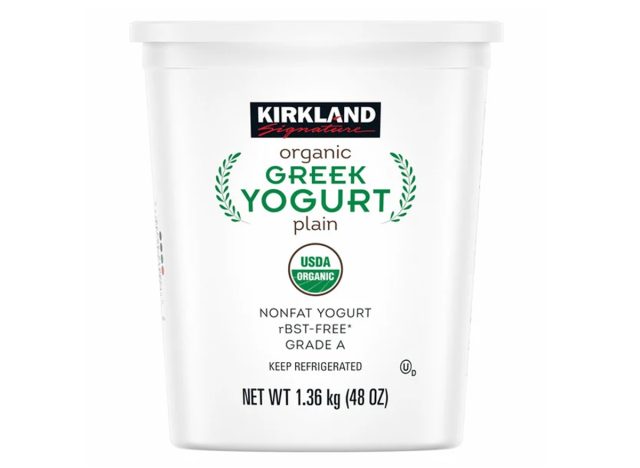
Greek yogurt has surged in popularity as a health food, and Costco’s Kirkland Signature Organic Greek Nonfat Yogurt is a prime example of why. As Collingwood notes, it is a "protein-rich dairy option that keeps you full and supports muscle maintenance." A typical serving can provide upwards of 15-20 grams of protein, significantly more than traditional yogurt, making it an excellent choice for breakfast, a post-workout snack, or even a savory dip base. Its nonfat nature minimizes calorie intake from saturated fats, while the live active cultures contribute beneficial probiotics for gut health. This aligns with a broader consumer trend towards dairy products that offer functional benefits beyond basic nutrition. For those seeking even higher protein, Collingwood also recommends the Chobani 20-gram protein individual cups, offering a convenient, pre-portioned option.
2. Safe Catch Ahi Tuna
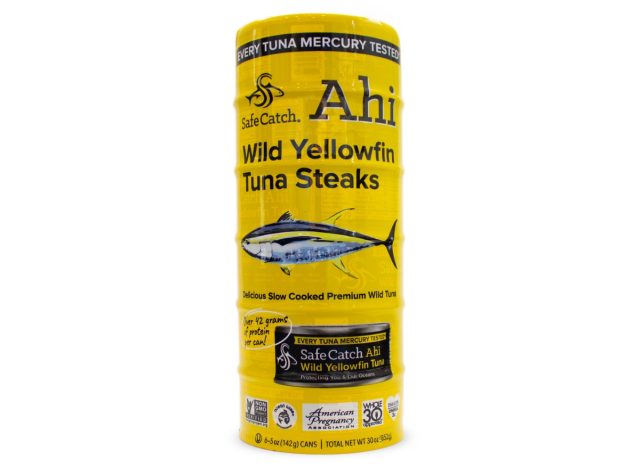
Canned fish often gets a bad rap, but Safe Catch Ahi Tuna is a standout for its quality and nutritional profile. Collingwood praises it as "High-protein, low-mercury tuna." Safe Catch distinguishes itself by testing every single tuna to a mercury limit 10 times stricter than the FDA’s, addressing a common consumer concern regarding mercury accumulation in larger fish. Tuna is an excellent source of lean protein, essential for satiety and muscle repair, and also provides beneficial omega-3 fatty acids, albeit in smaller amounts than fattier fish like salmon. Its versatility makes it ideal for quick salads, sandwiches, or tuna melts, and its pantry-stable nature ensures a reliable protein source is always on hand.
3. Wild Planet Wild Pacific Sardines
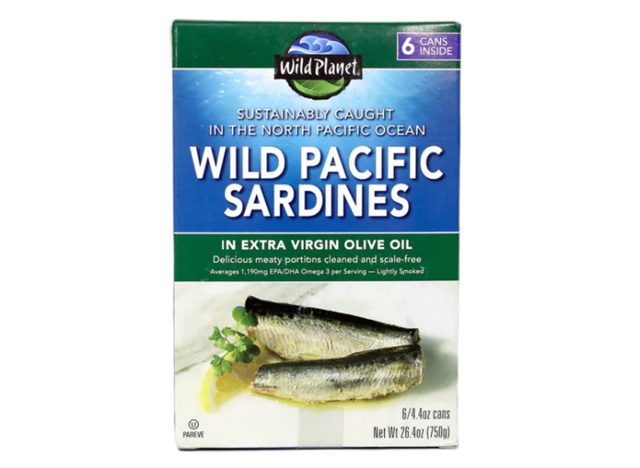
Often overlooked, sardines are a nutritional powerhouse that deserve a place in a weight-loss-friendly diet. Wild Planet Wild Pacific Sardines are recommended by Collingwood for being "protein- and omega-3-rich, great for satiety and heart health." These small fish are among the most sustainable seafood options and are packed with EPA and DHA omega-3 fatty acids, which are crucial for cardiovascular health, brain function, and reducing inflammation. They are also an excellent source of Vitamin D and calcium (especially if consumed with bones), nutrients often lacking in many diets. The high protein and healthy fats contribute significantly to satiety, helping to prevent overeating. Their convenient canned format makes them an easy addition to salads, toast, or eaten straight from the can.
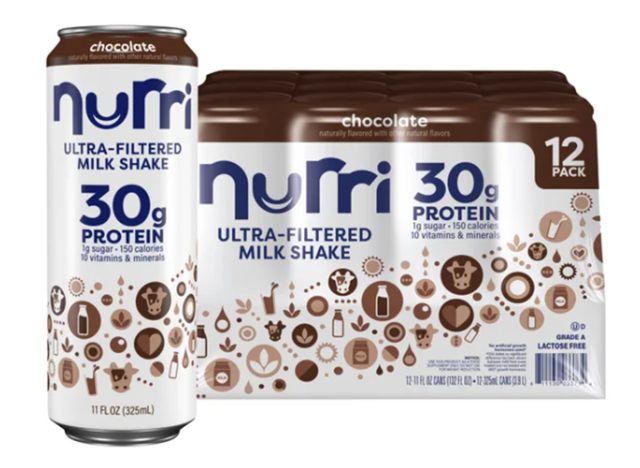
4. Nurri Protein Milkshakes
In the bustling world of protein supplements, Nurri Protein Milkshakes emerge as a convenient and effective option available at Costco. Collingwood identifies them as a "convenient high-protein shake to curb cravings between meals." These ready-to-drink shakes offer a substantial protein boost, typically around 20-30 grams per serving, which can be invaluable for post-workout recovery, as a quick meal replacement on busy days, or simply to bridge the gap between meals and prevent unhealthy snacking. While convenience is key, consumers should remain vigilant about scrutinizing the ingredient list of any protein shake for excessive added sugars or artificial additives, though Nurri is positioned as a healthier alternative. The rising demand for convenient nutritional solutions has fueled the growth of the ready-to-drink protein market, making these shakes a staple for many.
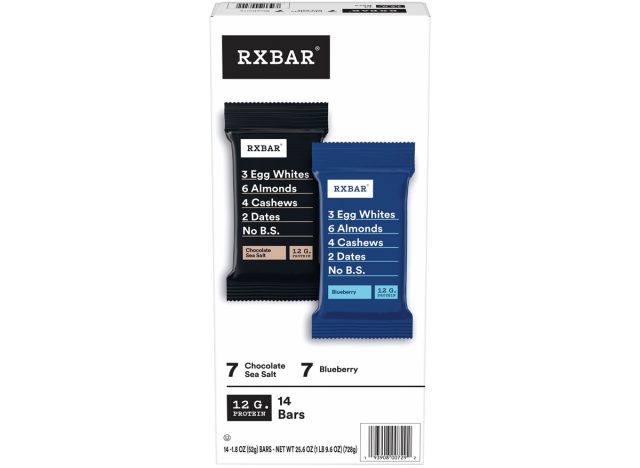
5. RX Bars
Many protein bars on the market are little more than glorified candy bars, laden with sugar and processed ingredients. RX Bars, however, stand apart as a "Real-food ingredient protein bars with fiber to help keep you full," according to Collingwood. Their transparent ingredient list, famously displayed on the packaging (e.g., "3 egg whites, 6 almonds, 4 cashews, 2 dates"), reassures consumers that they are opting for a minimally processed snack. The combination of protein from egg whites and fiber from dates and nuts contributes to sustained energy and satiety, making them an excellent on-the-go option for curbing hunger without derailing weight loss efforts. They exemplify the shift towards clean-label products in the snack bar category.
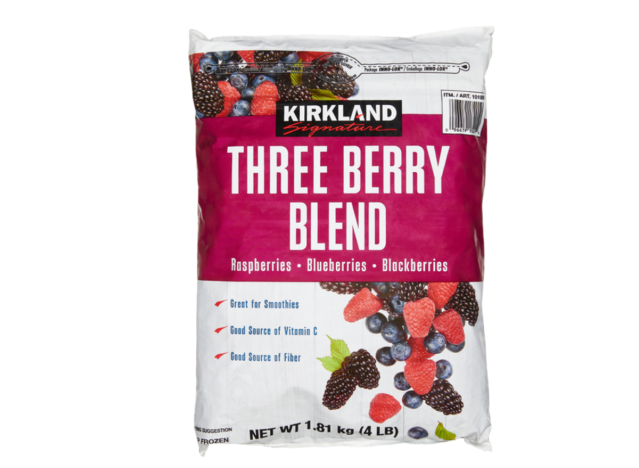
6. Frozen Organic Berries
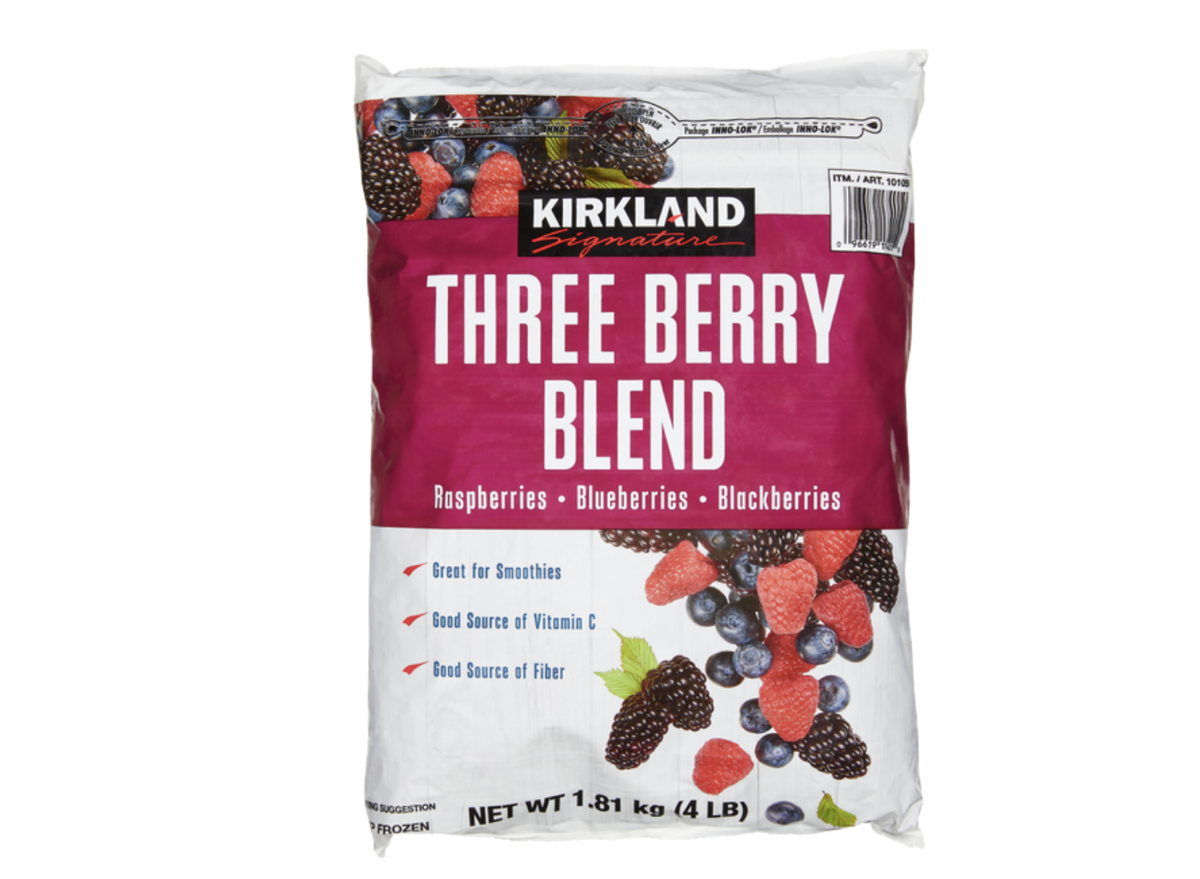
Costco’s selection of frozen organic berries, including Kirkland Signature, Nature’s Path, and other organic options, is a must-buy for health-conscious shoppers. Collingwood describes them as "Fiber-rich and no added sugar, great for smoothies and oatmeal." Berries are renowned for their high antioxidant content, which combats oxidative stress and inflammation, and their abundance of vitamins, particularly Vitamin C. Freezing preserves their nutritional integrity and makes them available year-round, eliminating concerns about seasonality or spoilage. Furthermore, buying organic berries in bulk from Costco often provides a significant cost saving compared to fresh organic varieties, making healthy eating more economically viable. They are incredibly versatile, perfect for smoothies, topping oatmeal or yogurt, or even as a simple, refreshing snack.
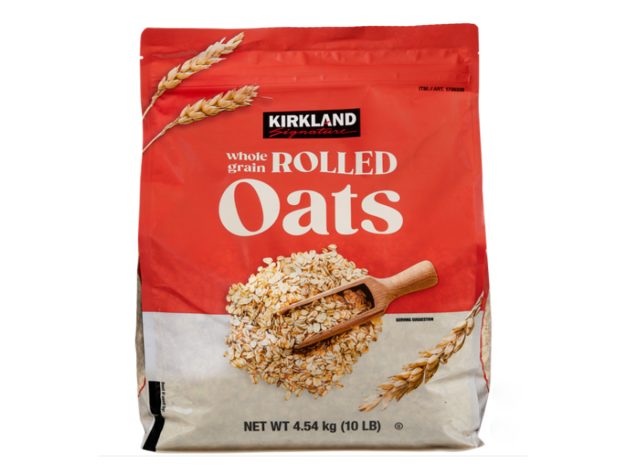
7. Rolled Oats
Rolled oats are a quintessential whole grain that Collingwood highly recommends for bulk purchase. She states they are a "High-fiber whole grain for breakfast bowls that keep hunger down." Oats are celebrated for their soluble fiber, particularly beta-glucans, which have been shown to lower cholesterol levels and contribute to a feeling of fullness. The slow digestion of oats provides a sustained release of energy, preventing the energy crashes often associated with refined carbohydrates. Their versatility extends beyond breakfast bowls; they can be used in baking, as a binder in meatloaves, or prepared as overnight oats for a quick, nutritious meal. The economic advantage of buying a large container of rolled oats from Costco is substantial, providing a cost-effective base for numerous healthy meals.
8. Frozen Salmon or Chicken Breasts
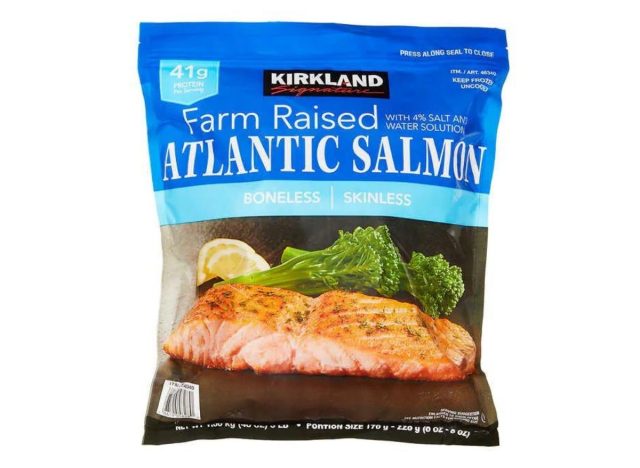
For convenient and lean protein sources, Costco’s frozen salmon or chicken breasts are indispensable. "Easy lean protein for balanced meals," Collingwood notes, recommending Kirkland Signature or reputable name brands like Trident Seafoods. These items are perfect for meal prepping and ensure a high-quality protein source is readily available for quick weeknight dinners. Salmon provides the added benefit of omega-3 fatty acids and Vitamin D, making it a powerful anti-inflammatory food, while chicken breast is a classic, low-fat protein staple that can be incorporated into countless recipes. The ability to thaw and cook individual portions from a bulk bag reduces food waste and makes healthy meal preparation more manageable for busy individuals.
9. Kirkland Signature Chunk Chicken Breast
Another excellent pantry staple from Costco is the Kirkland Signature Chunk Chicken Breast. This canned item offers "Lean protein with minimal fat," as Collingwood points out, making it "ideal for quick meals." It’s a lifesaver for those times when fresh protein isn’t readily available or when meal prep time is minimal. Canned chicken can be effortlessly incorporated into salads, wraps, quesadillas, or used as a base for chicken salad. While convenient, consumers might consider rinsing canned chicken to reduce sodium content, depending on their dietary needs. Its long shelf life and ease of use make it a practical and efficient option for maintaining consistent protein intake throughout the week.
Expert Perspectives and Consumer Trends
The recommendations from Tara Collingwood underscore a critical shift in dietary advice towards whole, unprocessed foods rich in protein and fiber. This aligns with broader public health campaigns encouraging healthier eating habits to combat rising rates of obesity and associated chronic diseases such as type 2 diabetes and cardiovascular conditions. The emphasis on satiety is particularly important, as sustainable weight loss is often hindered by persistent hunger and cravings. By offering these specific items, Costco not only responds to current nutritional science but also caters to a consumer base increasingly educated and proactive about their health. This trend reflects a move away from restrictive, calorie-counting diets towards a more holistic approach focused on nutrient density and sustained well-being. Consumers are now actively seeking retailers that provide solutions to these complex dietary challenges.
Broader Implications for Health and Retail
Costco’s focused strategy on stocking protein- and fiber-rich, minimally processed foods carries significant implications for both public health and the retail landscape. Economically, by making these healthier options available in bulk at competitive prices, Costco effectively lowers the financial barrier to healthy eating, which can be a major factor for many households. This democratizes access to nutritious food, potentially contributing to better health outcomes across diverse socioeconomic groups. From a public health standpoint, facilitating easier access to foods that promote satiety and nutrient intake can play a role in mitigating the obesity epidemic and reducing the prevalence of diet-related illnesses. For the retail sector, Costco’s success in this niche demonstrates the power of aligning inventory with scientific dietary recommendations and evolving consumer demands. It signals that large-format retailers can be instrumental partners in public health initiatives, moving beyond mere commodity provision to become facilitators of wellness. This model may influence other major retailers to similarly refine their product offerings, fostering a more health-conscious competitive environment in the grocery industry.
In conclusion, Costco’s carefully selected range of high-protein, high-fiber foods provides an invaluable resource for individuals pursuing weight management and improved health. By offering items like Greek yogurt, canned fish, protein shakes, whole grain oats, and lean meats, all curated with expert nutritional advice in mind, the warehouse club reinforces its position as a key ally in the ongoing quest for healthier living. The combination of scientific backing, practical accessibility, and economic advantage makes Costco’s approach a model for how major retailers can effectively support the health and wellness aspirations of their vast membership base.