

Navigating the complexities of healthy eating and weight management often presents a significant challenge, particularly when confronted with rising food costs. As consumers look towards 2026 goals, the dual pursuit of wellness and financial prudence has become paramount. In this landscape, warehouse retailers like Costco have emerged as unexpected allies, offering bulk savings on dietitian-approved staples that make achieving health objectives more accessible. The strategic utilization of such stores allows individuals to stock up on nutritious items without breaking the bank, fostering sustainable dietary habits.
Costco’s expansive aisles are not merely a haven for bulk purchases but a meticulously curated marketplace that can significantly support weight loss and overall well-being on a budget. The warehouse club model inherently provides an advantage, offering competitive pricing on a wide array of fresh meats, fish, poultry, and produce, alongside a robust selection of pre-made and packaged foods and beverages designed to fuel active lifestyles and support weight management efforts. This approach contrasts sharply with the often higher per-unit costs found in traditional grocery stores, making it a compelling option for those committed to their health goals in the coming year.

To demystify the vast selection and pinpoint the most impactful choices for health-conscious shoppers, we consulted Tara Collingwood, MS, RDN, CSSD, LD/N, ACSM-CPT, a Board Certified Sports Dietitian and co-author of the Flat Belly Cookbook for Dummies. Collingwood’s expertise provides a professional lens through which to identify top-tier products that combine nutritional excellence with economic value, addressing the practical needs of consumers aiming for weight loss in 2026. Her recommendations highlight items that are not only beneficial for health but also cost-effective when purchased in Costco’s bulk format.
Optimizing Your Cart: Top 11 Dietitian-Approved Costco Picks for 2026
Collingwood’s selections are strategically chosen to maximize protein intake, fiber consumption, and nutrient density while minimizing unnecessary calories and expenses. These items form the bedrock of a balanced diet, offering versatility for meal preparation and snacking.
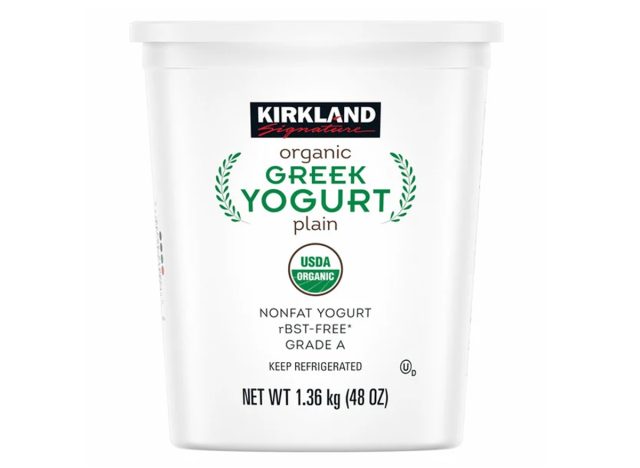
1. Kirkland Signature Organic Greek Nonfat Yogurt: A Protein Powerhouse
One of Collingwood’s foremost recommendations is the Kirkland Signature Organic Greek Nonfat Yogurt. She emphasizes its role as "a high-protein, low-fat choice ideal for breakfast, snacks, and smoothies. Keeps you full longer and supports muscle maintenance during weight loss." This yogurt, often sold in large tubs at Costco, provides an excellent source of lean protein, typically offering 15-20 grams per serving. Beyond its satiating properties, Greek yogurt is rich in probiotics, which contribute to gut health, and calcium, essential for bone density. The organic certification adds another layer of appeal for consumers prioritizing clean eating, and the bulk size significantly reduces the per-serving cost compared to smaller containers from other retailers. Its thick texture makes it a versatile ingredient, perfect as a base for parfaits, a creamy addition to sauces, or a post-workout recovery snack.
2. Frozen Organic Berries: Antioxidant-Rich and Convenient
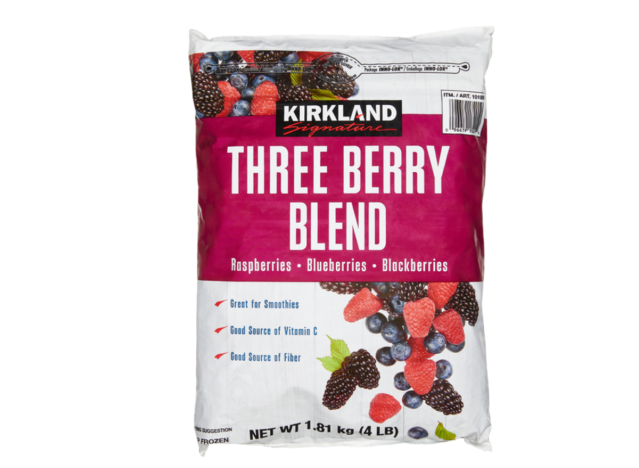
Frozen Organic Berries are another non-negotiable item, with the Kirkland Signature brand offering exceptional value. Collingwood notes their benefits as "fiber-rich and no added sugar for smoothies, oatmeal, or snacking without excess calories." Berries, whether a mix of strawberries, blueberries, and raspberries or single varieties, are packed with antioxidants, vitamins (especially C and K), and dietary fiber. Freezing not only preserves these nutrients at their peak but also extends shelf life significantly, minimizing food waste. This is particularly advantageous for organic produce, which can be more expensive fresh. Their convenience for quick smoothies, topping oatmeal, or even making healthy desserts makes them a pantry staple for any weight-loss journey, providing natural sweetness without the need for added sugars.
3. Oatmeal: The Foundation of a Fiber-Filled Diet
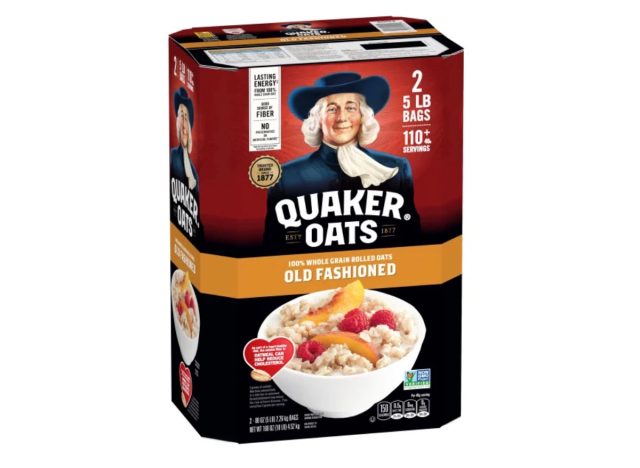
Purchasing oatmeal in bulk from Costco represents an outstanding value proposition for breakfast and beyond. Collingwood highlights its benefits as "a high fiber whole grain that supports satiety and steady energy and perfect for meal prep and balanced breakfasts." Rolled oats are a complex carbohydrate, meaning they provide sustained energy release, preventing the blood sugar spikes and crashes associated with refined grains. Their high soluble fiber content, particularly beta-glucan, is known to help lower cholesterol levels and improve digestive health. Oatmeal’s versatility allows for endless customization with berries, nuts, seeds, or a dollop of Greek yogurt, making it a cornerstone for affordable, nutrient-dense meals. A large container of plain oats from Costco can last for months, offering significant cost savings per serving.
4. Frozen Salmon or Chicken Breasts: Essential Lean Proteins
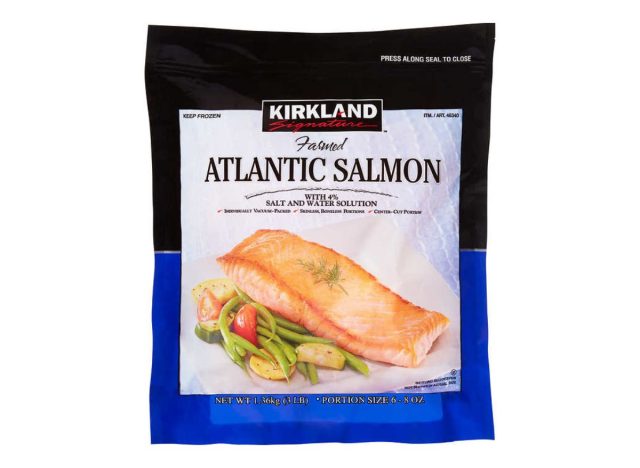
Stocking up on Frozen Salmon or Chicken Breasts is a strategic move for efficient meal planning. Costco consistently offers these lean protein sources at prices significantly lower than conventional grocery stores. "Lean proteins that help build and maintain muscle while assisting with appetite control," Collingwood advises. Chicken breasts are a versatile, low-fat protein source, foundational for countless healthy recipes from salads to stir-fries. Salmon, in addition to being a lean protein, is rich in omega-3 fatty acids (EPA and DHA), crucial for heart health, brain function, and reducing inflammation. Buying these proteins frozen in bulk ensures a steady supply for quick lunches and dinners, reducing the temptation for less healthy takeout options and facilitating consistent protein intake vital for muscle preservation during weight loss.
5. Safe Catch Ahi Tuna & Wild Planet Sardines: Shelf-Stable Seafood for Convenience
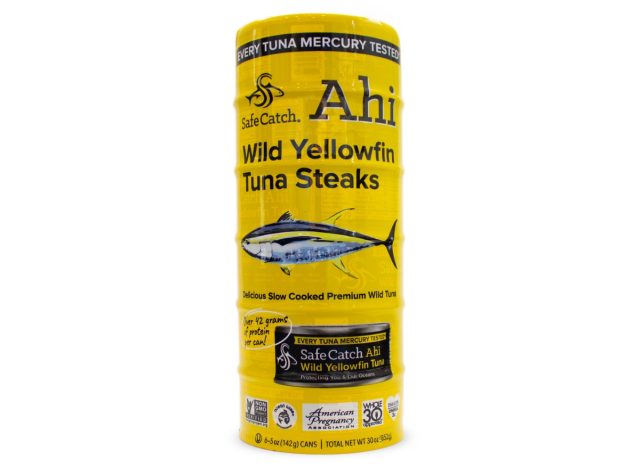
Collingwood also singles out Safe Catch Ahi Tuna and Wild Planet Sardines as top Costco picks. She describes them as "shelf-stable, high-protein seafood packed with omega-3s is an easy addition to salads, bowls, or wraps." These canned seafood options offer unparalleled convenience and a dense nutritional profile. Tuna provides a lean protein source, while sardines are a powerhouse of omega-3s, vitamin D, and calcium. Their extended shelf life makes them ideal for emergency meals, quick lunches, or when fresh protein sources are unavailable. The ability to buy them in multi-packs at Costco makes them an economical choice for ensuring regular intake of beneficial fatty acids and protein without extensive preparation.
6. Protein Shakes: Ready-to-Drink Nutritional Support
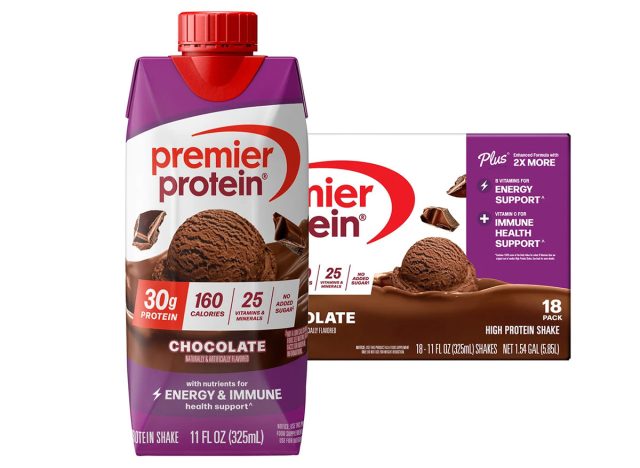
Costco’s pricing on protein shakes, such as Premier Protein, is notably competitive compared to other retailers. Collingwood recommends them as "ready to drink, high-protein beverages help curb cravings and support daily protein goals (various brands)." These convenient shakes are invaluable for individuals with busy schedules, offering a quick and easy way to meet protein requirements, especially post-workout or as a meal replacement. They can help manage hunger, prevent overeating, and support muscle recovery. The variety of flavors and protein sources (whey, plant-based) available in bulk at Costco caters to different dietary preferences and needs, making them a practical tool for consistent protein intake without the hassle of preparation.
7. Kirkland Signature Organic Hummus & High-Fiber Snacks: Smart Snacking Solutions
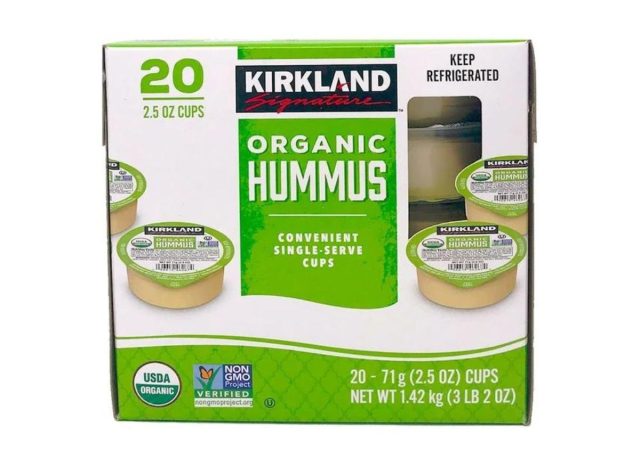
Costco excels in providing healthier, pre-portioned snack options. Collingwood specifically recommends Kirkland Signature Organic Hummus, emphasizing "hummus to pair with veggies and whole grains." Hummus, made from chickpeas, is a good source of plant-based protein, dietary fiber, and healthy fats from tahini and olive oil. It promotes satiety and provides sustained energy, making it an excellent dip for raw vegetables like carrots, bell peppers, or cucumber slices, or a spread for whole-grain crackers. Pairing hummus with high-fiber snacks from Costco’s selection ensures that snack times contribute positively to daily nutritional goals, keeping hunger at bay between meals and preventing unhealthy snacking.
8. Low-Sugar Sparkling Tonic Drinks: A Healthier Hydration Choice
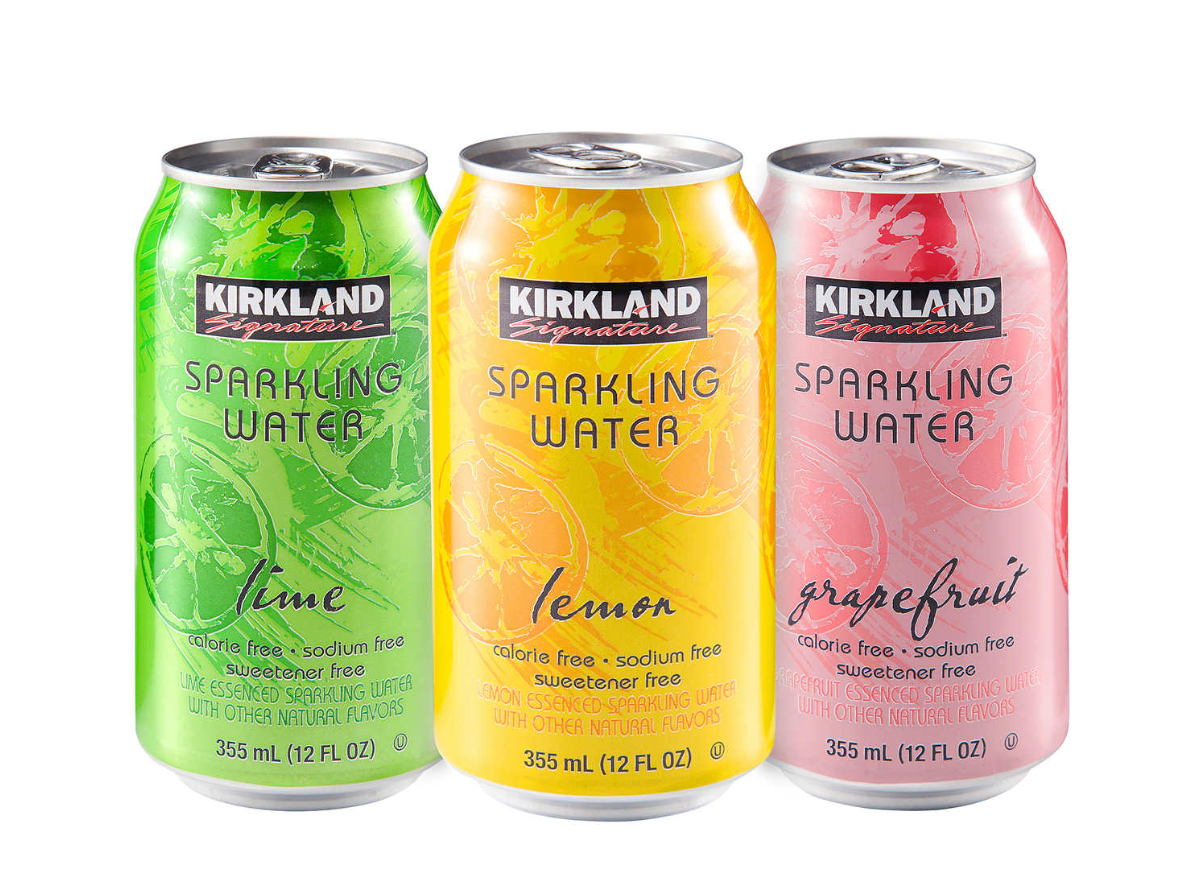
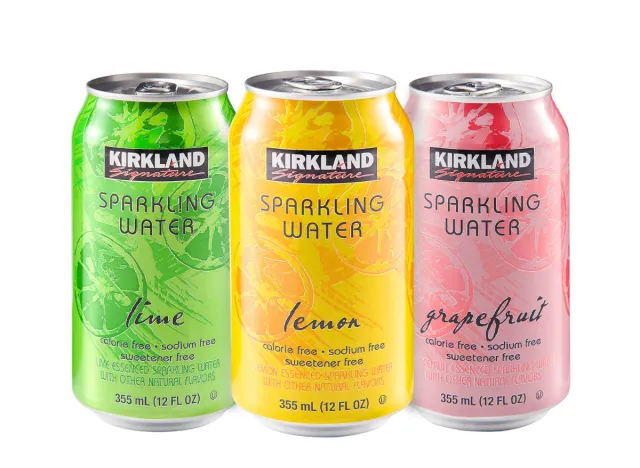
For those seeking alternatives to sugary beverages, Low-Sugar Sparkling Tonic Drinks are a wise choice from Costco, according to Collingwood. She suggests they "can make low sugar mocktails or just use as flavored water and are a healthier alternative to sugary beverages." Many popular sparkling water brands and low-sugar tonics are available in bulk at Costco, offering significant savings. These drinks provide hydration and flavor without the empty calories and adverse health effects associated with sodas and fruit juices. They can be a refreshing way to increase fluid intake, satisfy cravings for something bubbly, and contribute to overall wellness goals by reducing added sugar consumption.
9. Kirkland Signature Almond Flour & Hemp Hearts: Baking and Nutrient Boosters
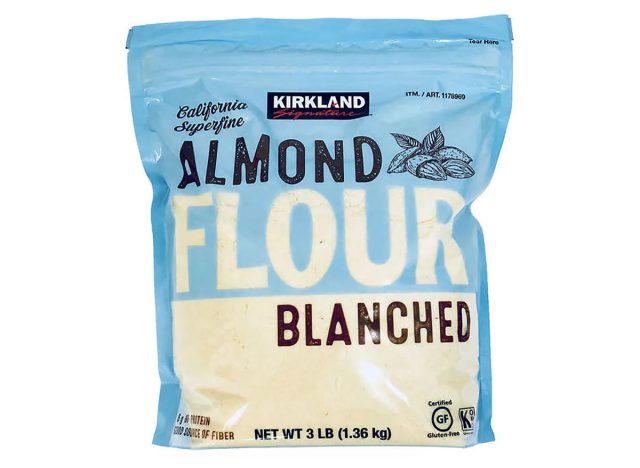
For home bakers and those looking to enhance the nutritional profile of their meals, Collingwood includes Kirkland Signature Almond Flour and Hemp Hearts in her cart. "These are great for home baking and boosting protein and healthy fats," she notes. Almond flour, a gluten-free alternative, is lower in carbohydrates and higher in protein and fiber than traditional wheat flour, making it suitable for various dietary approaches. Hemp hearts are tiny powerhouses, rich in omega-3 and omega-6 fatty acids, plant-based protein, and dietary fiber. They can be sprinkled on salads, yogurt, oatmeal, or blended into smoothies, offering a convenient way to add essential nutrients. Buying these specialty ingredients in bulk at Costco makes them more affordable for regular use.
10. Greens & Produce: The Core of Nutrient-Dense Eating
No healthy shopping trip is complete without stocking up on fresh produce, and Costco’s bulk options are unparalleled in value. "Pre-washed leafy greens and bulk produce make it easy to fill half your plate with nutrient-dense, low-calorie foods," Collingwood advises. Items like large bags of organic spinach, mixed greens, broccoli florets, and bell peppers are priced considerably lower than at other retail outlets. These vibrant foods are packed with vitamins, minerals, and fiber, essential for overall health and weight management. The convenience of pre-washed greens encourages frequent consumption, simplifying meal preparation and ensuring a consistent intake of vital micronutrients. Proper storage upon returning home can extend their freshness, maximizing value and minimizing waste.
11. Healthy Pantry Staples: Quinoa, Beans, and Other Grains
Finally, Collingwood emphasizes the importance of healthy pantry staples, including quinoa, beans, and other whole grains. She states, "Fiber-rich whole grains and legumes help keep hunger down and support plant-forward eating patterns." Costco offers large bags of organic quinoa, dried or canned beans (black beans, chickpeas, kidney beans), and other ancient grains at competitive prices. Quinoa is a complete protein, containing all nine essential amino acids, and is rich in fiber. Legumes are excellent sources of plant-based protein, fiber, and various minerals, contributing to satiety and digestive health. These staples are incredibly versatile, forming the base of countless meals, from salads and stews to side dishes, supporting both weight management and a more sustainable, plant-forward diet. Their long shelf life and affordability make them indispensable for efficient, healthy meal planning.
The Broader Implications: Health, Economy, and Consumer Empowerment
The advice from Tara Collingwood underscores a significant shift in consumer behavior and retail strategy. In an era marked by persistent inflation, where food prices have seen substantial increases, the ability to source high-quality, nutritious food affordably is more critical than ever. The average American household spends a considerable portion of its budget on groceries, and these expenses directly impact the feasibility of maintaining a healthy diet. Costco’s model, with its emphasis on bulk purchasing and competitive pricing, directly addresses this economic pressure, making healthy eating less of a luxury and more of an attainable goal for a broader demographic.
Furthermore, the integration of expert dietary advice into shopping strategies highlights a growing consumer demand for guidance. As information overload from social media and various health trends can be overwhelming, the authoritative voice of a Board Certified Sports Dietitian like Collingwood provides clarity and actionable steps. This expert validation not only helps consumers make informed choices but also builds trust in retailers that offer such beneficial products.
The "2026 goals" mentioned in the original context signify a forward-looking perspective, emphasizing long-term health and wellness rather than quick fixes. By investing in these foundational, dietitian-approved items, individuals are not just making a single purchase; they are building a sustainable dietary framework that supports consistent weight management, enhanced energy levels, and improved overall health for years to come. This strategic approach to grocery shopping transforms the mundane task of food acquisition into an empowering act of self-care and financial management.
In conclusion, Costco, under the guidance of experts like Tara Collingwood, stands as a vital resource for anyone committed to eating well and managing their weight efficiently and economically. By prioritizing protein, fiber, and nutrient density through bulk purchases of items like Greek yogurt, frozen berries, lean proteins, and healthy pantry staples, consumers can effectively navigate the challenges of modern food economics while steadfastly progressing towards their wellness aspirations in 2026 and beyond. This synergy between value and nutrition not only supports individual health journeys but also reflects a broader trend towards smarter, more conscious consumption.