

In an era defined by fast-paced lifestyles and demanding schedules, the pursuit of health and wellness, particularly weight management, often collides with the practical challenge of consistent meal preparation. As the new year frequently heralds a renewed commitment to personal health goals, many individuals seek pragmatic solutions to navigate their dietary aspirations without sacrificing convenience. Recognizing this pervasive need, Tara Collingwood, MS, RDN, CSSD, LD/N, ACSM-CPT, a Board Certified Sports Dietitian and co-author of the Flat Belly Cookbook for Dummies, offers expert guidance on leveraging the frozen food aisle as a valuable ally in weight loss journeys. Far from being uniformly detrimental, a carefully curated selection of frozen foods can significantly contribute to achieving and maintaining weight loss objectives, provided consumers understand the critical nutritional parameters for selection.
Collingwood emphasizes that the cornerstone of successful weight-loss-oriented frozen food choices lies in identifying "items that are lower in calories, balanced with protein/fiber, and convenient." She clarifies, "Frozen foods can support weight-loss goals when chosen wisely (look for lean protein, veggies, fiber, moderate sodium) rather than heavily processed, high-fat or sugar-loaded options." The scientific rationale behind this advice is well-established: protein and fiber are macronutrients renowned for their satiating properties, helping individuals feel fuller for longer and thus reducing overall caloric intake. "Pick meals with at least 20g protein and some fiber to stay more satisfied," she advises. Beyond macronutrients, sodium content warrants careful scrutiny. Many frozen meals, particularly older formulations or highly processed varieties, can be excessively high in sodium, contributing to fluid retention and potentially posing long-term health risks. Collingwood recommends aiming for under approximately 600mg of sodium per serving. Furthermore, she advocates for a proactive approach to enhancing nutritional completeness: "You can add a yogurt or piece of fruit or extra veggies to many frozen meals to round them out." This integrative strategy transforms convenient frozen options into comprehensive, satisfying meals.

The landscape of frozen foods has undergone a significant transformation in recent years. What was once predominantly associated with high-sodium, low-nutrient TV dinners has evolved into a diverse market featuring an increasing array of health-conscious options. This shift is driven by growing consumer demand for both convenience and nutritional quality, pushing manufacturers to innovate. According to market research, the global frozen food market is projected to continue its growth trajectory, with a notable segment dedicated to healthier, organic, and plant-based alternatives. This evolution means that the freezer aisle is no longer a dietary no-go zone for those focused on weight loss but rather a potential treasure trove for quick, portion-controlled meals.
Navigating the Frozen Aisle: Key Principles for Selection
To effectively utilize frozen foods for weight management, consumers should adopt a systematic approach to label reading and product evaluation. The primary objective is to select items that align with a caloric deficit while providing adequate nutrients to prevent hunger and support metabolic function.
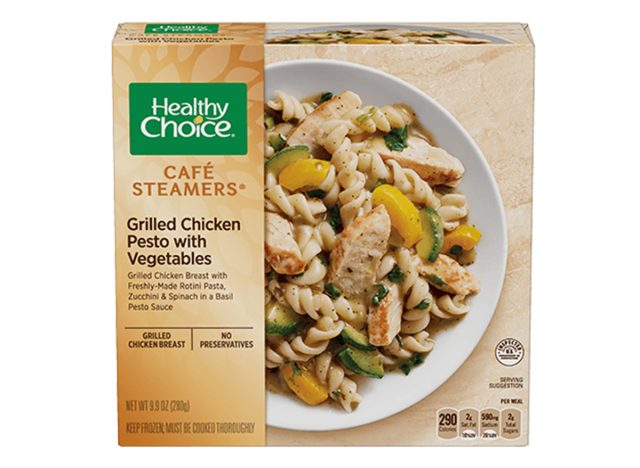
- Caloric Density: Prioritize meals that offer a reasonable calorie count, typically between 200-400 calories for a main entrée, depending on individual dietary needs and meal frequency. This allows for flexibility to add supplementary items like fresh fruit or additional vegetables without exceeding daily caloric targets.
- Protein Content: As highlighted by Collingwood, protein is paramount for satiety. Look for meals containing at least 20 grams of protein per serving. Protein helps preserve muscle mass during weight loss and has a higher thermic effect than carbohydrates or fats, meaning the body expends more energy to digest it.
- Fiber Enrichment: Fiber, primarily found in vegetables, fruits, and whole grains, is another critical component for satiety and digestive health. Aim for meals with a significant fiber content, ideally 5 grams or more. Fiber also helps regulate blood sugar levels, preventing energy crashes that can lead to cravings.
- Sodium Management: The recommendation of under 600mg of sodium per serving is a crucial guideline. Excessive sodium can contribute to bloating and increase the risk of hypertension over time. Many brands now offer "low sodium" or "reduced sodium" versions, making this easier to achieve.
- Minimizing Saturated Fat and Added Sugars: While fats are essential, excessive saturated fat can contribute to higher caloric density without proportionate satiety. Similarly, added sugars provide empty calories and can lead to blood sugar spikes and subsequent crashes. Opt for meals with lower saturated fat content and minimal or no added sugars.
- Ingredient Transparency: A shorter, more recognizable ingredient list often correlates with less processed food. While not always feasible for complex frozen meals, understanding the main components can help gauge the overall quality.
Recommended Frozen Food Categories and Brands
Applying these principles, Collingwood identifies several brands and categories that stand out as excellent choices for weight loss:
1. Comprehensive, Portion-Controlled Meal Solutions
Brands specifically designed for controlled portions and balanced nutrition are invaluable. These often feature lean proteins, ample vegetables, and moderate carbohydrate servings.
- Healthy Choice Frozen Meals: This brand has long been a staple in the health-conscious frozen food segment. Collingwood specifically points to options like "Grilled Chicken & Veggie Bowls" or "Cauliflower Curry Power Bowls." These meals are recognized for their commitment to portion control, lower calorie counts, and higher vegetable content. For example, a typical Healthy Choice Power Bowl might offer around 250-350 calories, 15-25 grams of protein, and a good serving of fiber from whole grains and vegetables. The evolution of their product line to include "Power Bowls" reflects a broader industry trend towards nutrient-dense, plant-forward options, moving beyond traditional, less balanced frozen dinners.
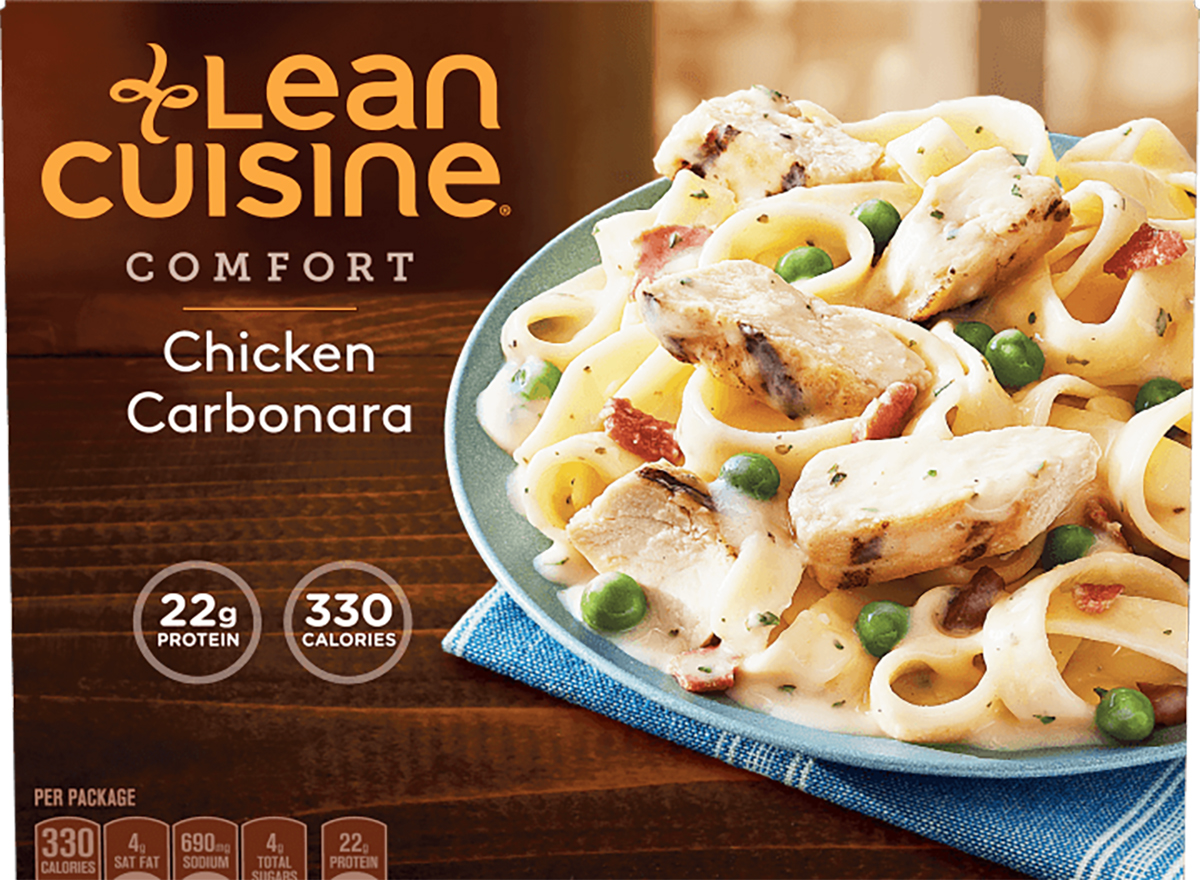
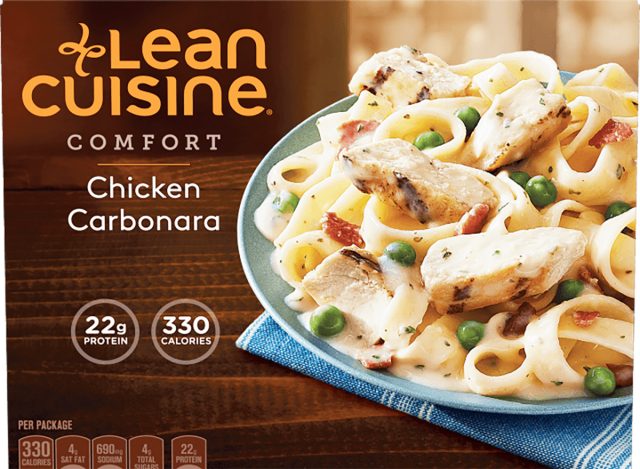
- Lean Cuisine: Another classic in the category, Lean Cuisine has consistently focused on providing lower-calorie entrées. Collingwood highlights their "Lemon Garlic Shrimp Stir Fry Balance Bowl" as an example of a meal that effectively controls calories (typically 200-300 calories) while delivering essential protein. Lean Cuisine’s extensive range, often featuring lighter sauces and greater emphasis on vegetables, makes it a versatile choice for various dietary preferences. The brand’s longevity in the market underscores its effectiveness in meeting the demand for convenient, weight-friendly options.
2. Flexible, Calorie-Conscious Entrées
Beyond strictly "healthy" brands, some offer a broad selection with many items suitable for weight management, particularly for those who prefer variety.

- Smart Ones: Associated with Weight Watchers (now WW), Smart Ones offers a wide array of frozen meals and entrées specifically geared toward calorie-conscious eating. Collingwood notes their diverse selection, from breakfasts to dinners, all designed with portion control in mind. This brand’s strength lies in its ability to provide familiar comfort food flavors in a modified, healthier format, making adherence to a diet less restrictive and more enjoyable. The integration with a structured weight management program like WW further solidifies its reputation for supporting weight loss.
3. Essential Frozen Vegetables
While not a complete meal, frozen vegetables are a fundamental component of a weight-loss diet and an indispensable freezer staple.
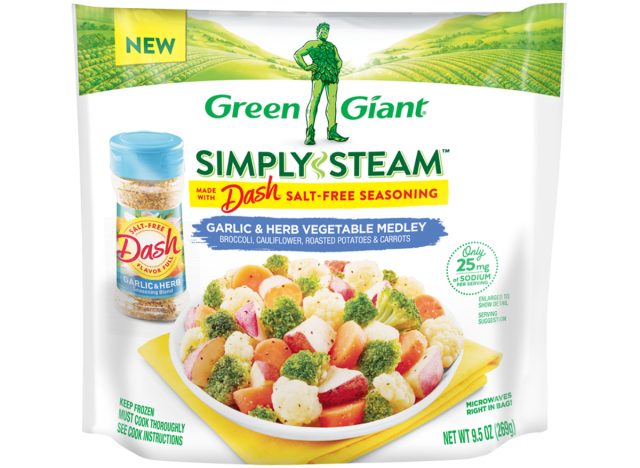
- Green Giant Frozen Veggies: Collingwood emphasizes that brands like Green Giant, while not offering full meals, provide "excellent for adding volume and nutrients without many calories to meals." Frozen vegetables retain their nutritional value remarkably well, often comparable to or even exceeding fresh produce, as they are typically flash-frozen at peak ripeness. Varieties like steamed broccoli, mixed vegetables, or cauliflower rice can be easily added to any frozen meal, homemade dish, or used as a base for stir-fries, boosting fiber, vitamins, and minerals without significantly increasing caloric load. This simple addition is a powerful strategy for increasing satiety and nutrient intake.
4. Plant-Forward and Natural Options
The growing interest in plant-based diets and cleaner eating has led to a rise in frozen food brands focusing on natural ingredients and vegetable-centric products.
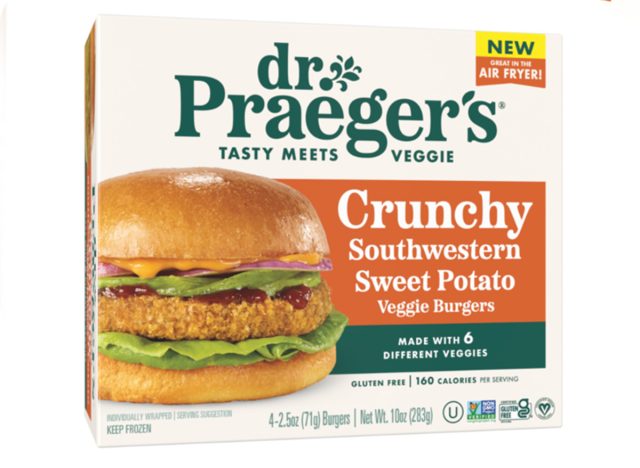
- Dr. Praeger’s Sensible Foods: This brand aligns with a health-conscious consumer base, offering "all-natural frozen items like veggie burgers, littles (veggie bites), and fish sticks that are generally lower in saturated fat and calories with no artificial additives." Dr. Praeger’s commitment to recognizable ingredients and avoidance of artificial preservatives or flavors makes it an attractive option for those seeking minimally processed alternatives. Their veggie burgers, for instance, can serve as a lean protein source when paired with a whole-grain bun or salad, contributing to a balanced, fiber-rich meal that aids weight loss.
5. Specialty Store Finds
Beyond national brands, specialty grocery stores often curate their own lines of frozen foods that can be surprisingly nutritious and diverse.
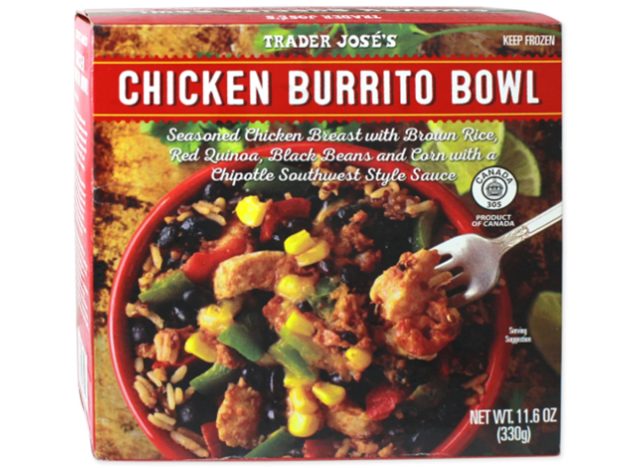
- Trader Joe’s Frozen Options (Store Brand): Trader Joe’s is celebrated for its unique and often health-oriented private label products. Collingwood highlights their "Chicken Burrito Bowls" and "Veggie-packed Stir-Fry Mixes" as examples of balanced nutrition, rich in protein and fiber. She also praises their Indian options, which often provide flavorful, vegetable-heavy meals. The appeal of Trader Joe’s lies in its ability to offer gourmet-inspired, ethnically diverse frozen meals that often feature whole ingredients and mindful preparation, making healthy eating both convenient and exciting.
6. Satisfying Sweet Cravings Strategically
Weight loss journeys often falter due to unchecked cravings for sweets. Strategic inclusion of healthy dessert options can be a game-changer.
- Yasso Frozen Greek Yogurt Bars: For those with a sweet tooth, Yasso offers a "sweet but weight-friendly treat." These portion-controlled frozen yogurt bars are "relatively low in calories (often 80–100 cals)" and provide a decent amount of protein from Greek yogurt, helping satisfy cravings without derailing dietary goals. The psychological benefit of enjoying a treat while staying within caloric boundaries is significant for long-term adherence to a weight management plan. Collingwood notes their broad appeal, even with children, attesting to their palatable nature.
Broader Implications and Strategic Integration
The strategic use of frozen foods extends beyond mere convenience; it represents a powerful tool for consistency in a weight loss regimen. One of the biggest challenges in dieting is adherence, which is often undermined by a lack of time for meal preparation. By providing readily available, nutritionally sound options, frozen foods remove a significant barrier, making it easier for individuals to stick to their dietary plans.
Furthermore, the environmental impact and sustainability of frozen foods are increasingly being considered. Freezing helps reduce food waste by extending shelf life, and the energy footprint of frozen food production and storage continues to be optimized by manufacturers. From a public health perspective, the wider availability and improved nutritional profile of frozen foods can contribute to addressing dietary inequalities, offering accessible healthy options to a broader population, including those in food deserts or with limited cooking facilities.
In conclusion, the modern frozen food aisle is no longer the dietary minefield it once was. With judicious selection guided by expert advice from dietitians like Tara Collingwood, frozen meals and components can be indispensable assets in a successful weight loss strategy. By prioritizing products that are low in calories, high in protein and fiber, and moderate in sodium, consumers can leverage convenience to their advantage, making their weight management journey more sustainable and enjoyable. The key lies in informed choices, supplementing where necessary, and viewing the freezer as a valuable resource for maintaining a balanced and satisfying diet.