

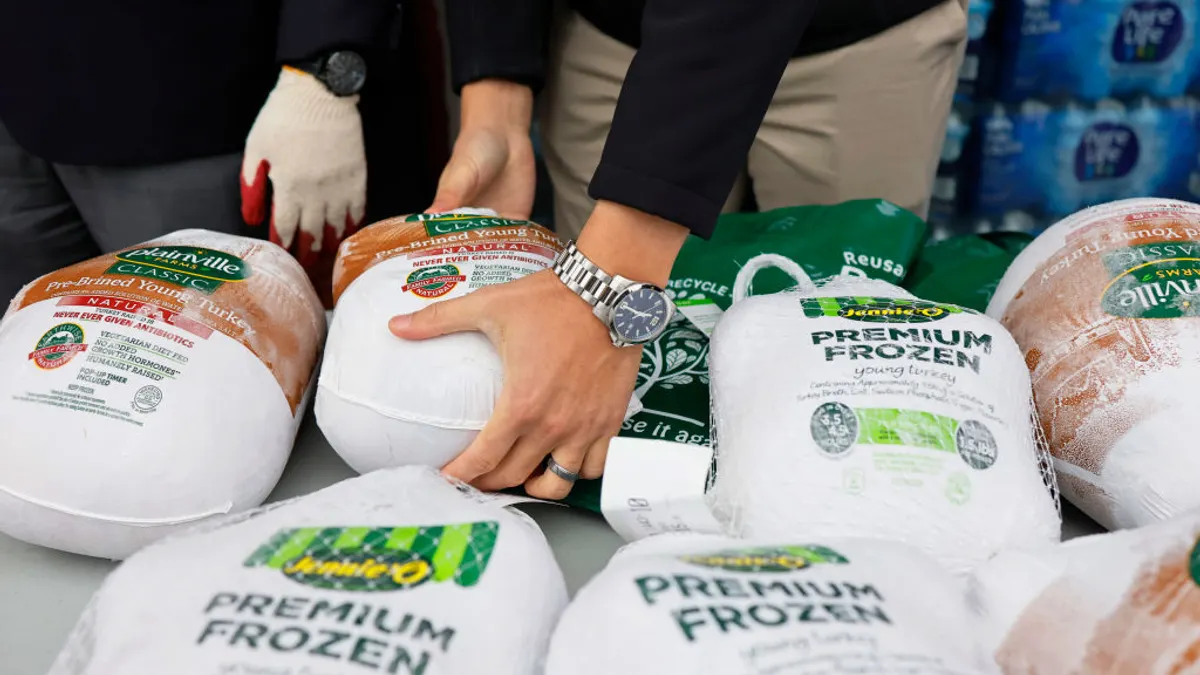
Hormel Foods, the parent company of the well-known Jennie-O turkey brand, has announced a significant strategic shift, divesting its entire whole bird turkey business to Life-Science Innovations. This move signals a decisive pivot for the food giant, prioritizing growth in its more profitable and consumer-centric deli meat and value-added product segments. The transaction, finalized in early 2026, comes after a period of considerable market volatility and challenges within the traditional turkey industry, including persistent avian influenza outbreaks and shifting consumer preferences.
Strategic Realignment Amidst Industry Headwinds
The decision by Hormel Foods to exit the whole bird turkey market is a calculated response to a complex set of industry pressures that have impacted profitability and operational stability. For years, the whole turkey sector has contended with fluctuating demand, particularly around seasonal holidays, and significant cost increases driven by external factors.
One of the most disruptive forces has been the recurrence of highly pathogenic avian influenza (HPAI), commonly known as bird flu. Since 2022, outbreaks have decimated poultry populations across the globe, leading to substantial losses for producers and driving up the cost of live birds. While the immediate impact on consumers was somewhat buffered by discounting, particularly around Thanksgiving in 2025, the underlying production costs for meat producers have remained elevated. Hormel Foods, like many in the industry, has felt the strain of these cost pressures, compounded by a noted decline in consumer appetite for whole turkeys as a primary protein source, with many consumers opting for alternatives such as chicken or other meat options for their main meals.
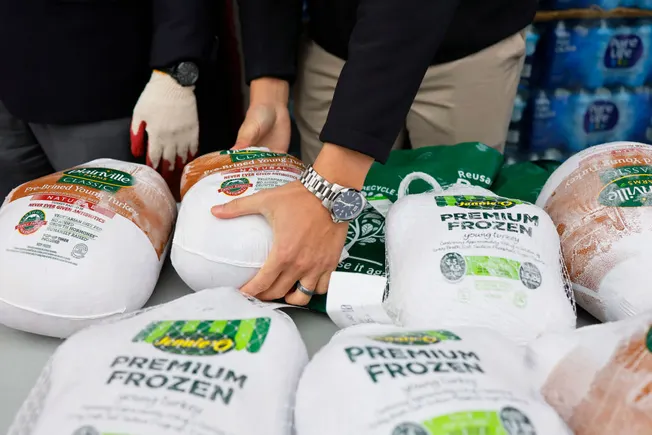
This divestiture allows Hormel to streamline its operations and concentrate its resources on segments of the turkey market that offer greater stability and higher margins. The company’s focus will now be squarely on expanding its presence in the deli meat category, where Jennie-O holds a dominant position, and in developing innovative value-added products that cater to evolving consumer demands for convenience and specialized protein offerings.
Timeline of a Strategic Shift
The move to divest the whole bird business is not an isolated event but rather the culmination of a strategic evolution within Hormel Foods. While the official announcement of the sale to Life-Science Innovations was made in early 2026, discussions and preparations likely began much earlier, driven by the observable trends in the market.
- 2022-2023: Intensified HPAI outbreaks significantly impact poultry supply chains globally, leading to increased production costs for turkey farmers and processors. Consumer demand for whole turkeys begins to show signs of softening, with a growing preference for alternative proteins and pre-portioned meat products.
- 2024: Hormel Foods, observing these trends, likely begins to reassess the long-term viability and profitability of its whole bird operations. Internal analyses would highlight the volatility and commodity-driven nature of this segment.
- Late 2024 – Early 2025: Strategic discussions intensify within Hormel Foods regarding a potential divestiture. The company begins exploring potential buyers for its whole bird assets and simultaneously ramps up investment and innovation in its deli and value-added product lines.
- Mid-2025: Hormel Foods and Life-Science Innovations likely enter into advanced negotiations. Simultaneously, the company publicly acknowledges a strategic focus on higher-margin segments, potentially hinting at a shift away from less profitable operations. The decline in Thanksgiving turkey prices for consumers in 2025, despite rising production costs, underscores the market’s dynamics and the company’s strategic challenges.
- February 19, 2026: Food Dive reports on the confirmed sale of Hormel’s Jennie-O whole bird business to Life-Science Innovations. The article highlights Hormel’s intent to focus on deli and value-added products.
- Post-Divestiture: Hormel Foods is expected to reinvest capital and operational focus into expanding its Jennie-O deli offerings, developing new turkey-based convenience foods, and potentially exploring new protein sources beyond turkey to diversify its portfolio.
Supporting Data and Market Dynamics
The market landscape for turkey has been a challenging one, characterized by significant price fluctuations and evolving consumer behavior. Data from industry reports and market analyses paints a clear picture of the pressures Hormel Foods has been navigating.
- Avian Influenza Impact: The U.S. Department of Agriculture (USDA) has consistently reported significant losses of domestic poultry due to HPAI. For example, between late 2021 and early 2023, millions of birds, including a substantial number of turkeys, were culled to prevent the spread of the virus. This directly impacts supply, leading to higher live bird costs.
- Consumer Preferences: Surveys and retail data indicate a sustained shift in protein consumption. While turkey remains a popular protein, its consumption is increasingly concentrated in processed forms. The National Turkey Federation has noted a steady increase in the consumption of turkey deli meat and ground turkey, while the demand for whole birds has plateaued or declined, especially outside of traditional holiday periods.
- Thanksgiving Turkey Prices: The 2025 Thanksgiving season saw an unusual trend of decreasing consumer prices for whole turkeys, even as production costs rose. This phenomenon was attributed to aggressive discounting by retailers and producers keen to move inventory, a direct consequence of lower consumer demand and increased competition from other proteins. For instance, the average retail price for a whole turkey in November 2025 was reported to be approximately 1.40 USD per pound, down from previous years, despite increases in feed and labor costs.
- Growth in Deli and Value-Added: Conversely, the deli meat and value-added protein sectors have demonstrated consistent growth. The global processed meat market, which includes deli meats, is projected to continue its upward trajectory, driven by convenience, changing lifestyles, and product innovation. Jennie-O’s leadership in the retail ground turkey market, a key component of this growth, underscores the strategic advantage of focusing on these areas.
Official Statements and Industry Reactions
While specific direct quotes from Life-Science Innovations regarding this particular transaction were not immediately available in the initial report, the strategic rationale behind such a move is well-understood within the industry. Hormel Foods has been vocal about its strategic direction.

"We are exiting the part of the business that is more commodity-oriented, that is more volatile, that is less connected to consumer demand and trends," stated a Hormel Foods representative, identified as Ginkgo, during the Consumer Analyst Group of New York Conference in early 2026. This statement clearly articulates the company’s rationale for shedding its whole bird operations. The representative emphasized that by divesting these more volatile assets, Hormel can concentrate on growing profitable areas within the segment, particularly in foodservice and value-added products.
The company has reaffirmed its commitment to the Jennie-O brand’s strength in the retail ground turkey market, noting it as the number one brand in that category. This indicates that Hormel is not abandoning turkey altogether but rather strategically repositioning its portfolio to capitalize on areas with stronger growth prospects and greater resilience to market shocks.
This strategic realignment echoes trends seen across the broader meat industry. Other major players, such as Smithfield Foods, have also undertaken similar portfolio adjustments. Smithfield, for instance, has divested hog operations and renegotiated farmer contracts to sharpen its focus on lunch meats and value-added products, demonstrating a common industry imperative to reduce exposure to volatile commodity markets and enhance profitability through specialized, consumer-facing offerings.
Broader Impact and Implications
The divestiture of Hormel’s whole bird turkey business by Jennie-O carries significant implications for various stakeholders, from consumers to competitors and the broader agricultural landscape.

For Consumers: The immediate impact on consumers regarding the availability of Jennie-O branded whole turkeys is uncertain, as Life-Science Innovations will now manage this segment. However, consumers are likely to see a continued emphasis on Jennie-O’s deli meats and value-added products. This could translate to more diverse product offerings, innovative packaging, and potentially enhanced availability of convenient turkey-based meal solutions. For those who traditionally purchase whole Jennie-O turkeys, the shift may necessitate seeking alternatives from other brands or processors.
For Competitors: The move by a major player like Hormel to exit the whole bird market could create opportunities for other companies. Life-Science Innovations, as the new owner of these assets, will aim to maintain and potentially grow market share in this segment. Other poultry producers may see increased demand for their whole turkeys as consumers seek to replace the product previously supplied by Jennie-O. Simultaneously, competitors in the deli and value-added turkey product space will face continued competition from a strategically focused Jennie-O, which is now poised to dedicate more resources to innovation and market penetration in these lucrative areas.
For the Agricultural Sector: The sale impacts the broader turkey farming community. Farmers who supplied whole birds to Jennie-O will now need to align with Life-Science Innovations or find new buyers for their products. This transition may require adjustments in production practices and contract negotiations. The continued focus on value-added products by Hormel also signals a potential shift in demand for specific types of turkey production, perhaps favoring leaner birds or those with specific attributes suitable for processing.
For Hormel Foods: This divestiture represents a significant step in Hormel’s long-term strategy to enhance its profitability and reduce its exposure to commodity market volatility. By shedding a less predictable business segment, the company can allocate capital and management attention more effectively to its higher-growth, higher-margin segments. This strategic clarity is often viewed favorably by investors, as it signals a commitment to shareholder value and a proactive approach to navigating evolving market dynamics. The focus on deli and value-added products aligns with broader consumer trends towards convenience and specialized protein consumption, positioning Hormel for sustained growth in these areas. The company’s ability to maintain and grow its leadership in ground turkey, a key value-added product, suggests a robust future for the Jennie-O brand within a more focused operational framework.