


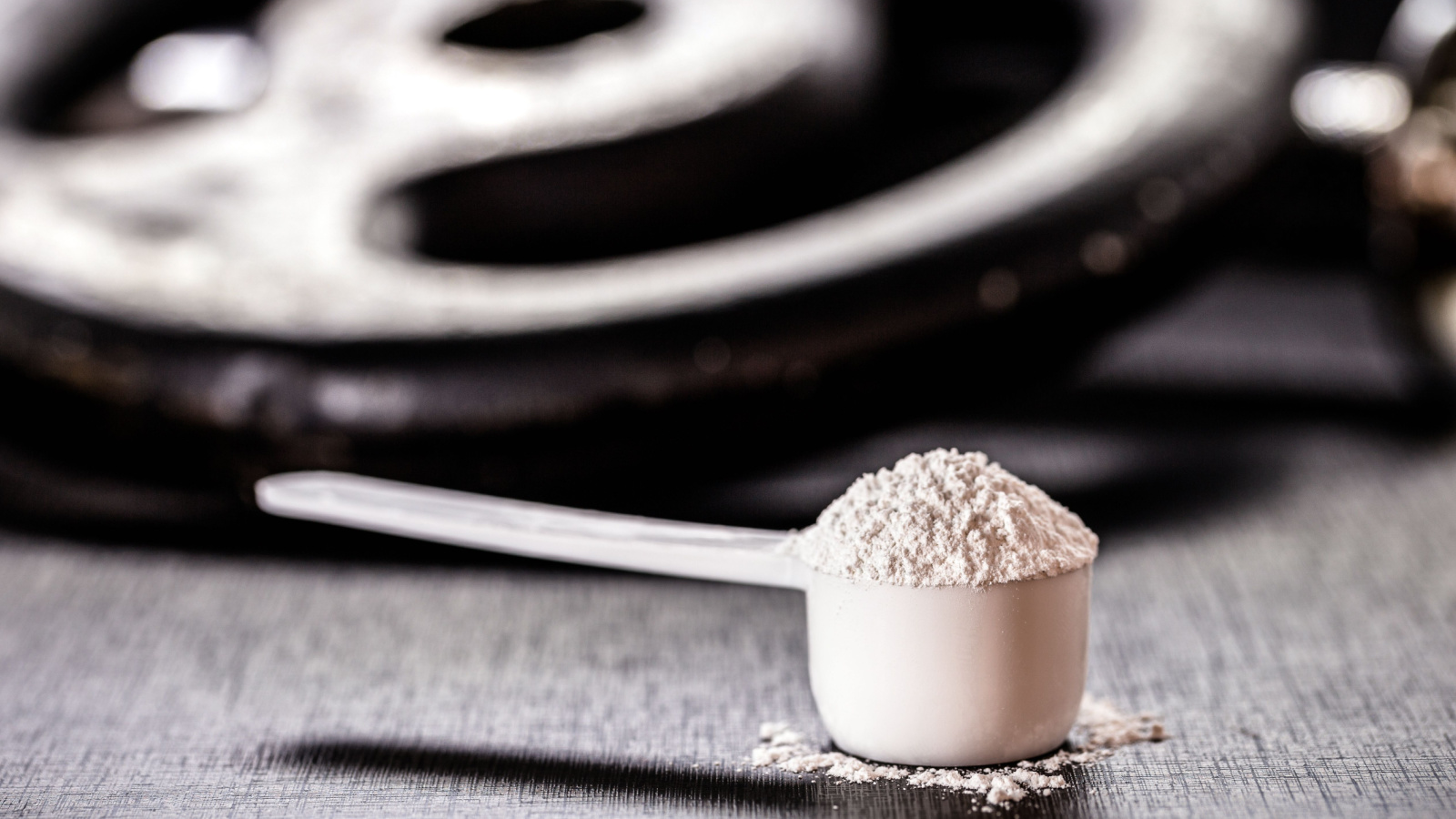
Creatine monohydrate stands as one of the most rigorously scrutinized and validated ergogenic aids in the history of sports nutrition. Despite its occasional mischaracterization in popular media as a performance-enhancing drug or a synthetic steroid, creatine is a naturally occurring nitrogenous organic acid found in vertebrates. In the fitness community, it is often heralded as a "holy grail" supplement due to its dual profile of high efficacy and an extensive safety record. While airport security and concerned observers may occasionally mistake the white powder for something illicit, the scientific community has reached a firm consensus: for the vast majority of healthy individuals, creatine is a safe, effective tool for enhancing physical and cognitive performance.
The Biochemical Foundation of Creatine
To understand why creatine is effective, one must first understand its role in cellular energy metabolism. Creatine is synthesized endogenously from the amino acids glycine and arginine, primarily within the liver, pancreas, and kidneys. From these organs, it is transported via the blood to the skeletal muscles, where approximately 95 percent of the body’s creatine stores are located. These stores exist in the form of phosphocreatine (PCr).
The primary function of phosphocreatine is to facilitate the rapid regeneration of adenosine triphosphate (ATP). ATP is the universal energy currency of the cell, utilized during explosive, high-intensity activities such as sprinting or heavy resistance training. During these bouts of exertion, ATP is hydrolyzed into adenosine diphosphate (ADP) and a free phosphate molecule, releasing energy in the process. However, cellular ATP stores are remarkably small, typically providing only enough energy for a few seconds of maximal effort.
Creatine acts as a high-energy reservoir by "donating" its phosphate group to ADP, thereby re-synthesizing ATP through a process known as phosphorylation. By increasing the pool of available phosphocreatine through supplementation, athletes can extend the duration of peak performance and reduce the time required for recovery between high-intensity intervals.
A Chronology of Creatine Research and Public Perception
The history of creatine spans nearly two centuries, evolving from a laboratory curiosity to a multi-million dollar industry staple.
- 1832 – Discovery: French philosopher and scientist Michel Eugène Chevreul first identified creatine as a constituent of skeletal muscle.
- Early 20th Century: Researchers discovered that consuming creatine could increase the intramuscular concentration of the compound.
- 1992 – The Barcelona Olympics: Public awareness spiked following reports that gold medalists, including sprinter Linford Christie, utilized creatine to enhance their training.
- The 1990s Boom: Creatine monohydrate became commercially available, quickly becoming the go-to supplement for bodybuilders and powerlifters.
- 2000s – Clinical Expansion: Research began to shift from purely athletic performance to therapeutic applications, including the study of neurodegenerative diseases and muscle wasting in the elderly.
- 2017 – ISSN Position Stand: The International Society of Sports Nutrition (ISSN) published an extensive review, concluding that creatine monohydrate is the most effective ergogenic nutritional supplement currently available to athletes in terms of increasing high-intensity exercise capacity and lean body mass during training.
Mechanisms of Muscle Growth and Hypertrophy
Beyond its role in energy production, creatine serves as a potent driver of muscle hypertrophy through several distinct mechanisms. The most immediate effect observed by users is cellular swelling, or "osmotic loading." Because creatine is osmotically active, it draws water into the muscle cells as it is stored. This increased intracellular hydration not only makes the muscles appear larger and fuller but also acts as a signal for protein synthesis.
Furthermore, creatine supplementation has been shown to influence the expression of myogenic regulatory factors. It can stimulate the activity of satellite cells, which are essential for muscle repair and new growth. Research also indicates that creatine may lower levels of myostatin, a protein that inhibits muscle cell growth, thereby creating a more permissive environment for hypertrophy.
Quantitative data from meta-analyses suggest that athletes taking creatine alongside a resistance training program can expect to gain significantly more muscle mass and strength compared to those taking a placebo. In many studies, participants using creatine saw a 5% to 15% increase in maximal strength and power.
Optimal Administration: Loading vs. Maintenance
The methodology of creatine consumption is a subject of frequent debate among fitness professionals. However, the scientific literature identifies two primary protocols for achieving muscle saturation.

The Loading Protocol
The most rapid way to saturate muscle creatine stores is through a "loading phase." This typically involves consuming approximately 20 grams of creatine monohydrate per day, divided into four 5-gram doses, for five to seven days. This approach can increase muscle creatine stores by 10% to 40% within a week.
The Maintenance Protocol
Following the loading phase, a daily maintenance dose of 3 to 5 grams is sufficient to keep the muscles saturated. Alternatively, individuals may opt to skip the loading phase and simply take the maintenance dose from the outset. While this method will eventually result in the same level of saturation, it generally takes three to four weeks of consistent use to achieve the same results as the loading protocol.
Timing and Co-ingestion
While creatine can be taken at any time, some evidence suggests that post-workout ingestion may be slightly superior. This is likely due to the increased blood flow to the muscles and the heightened insulin sensitivity following exercise. Co-ingesting creatine with carbohydrates or a protein-carbohydrate blend can further enhance uptake, as the resulting insulin spike helps drive creatine into the muscle cells via specialized transporters.
Beyond the Gym: Neuroprotective and Cognitive Benefits
While historically viewed as a "meathead" supplement, recent data highlights creatine’s profound impact on brain health. The brain is an energetically demanding organ, accounting for approximately 20% of the body’s total energy consumption. Much like skeletal muscle, the brain utilizes the phosphocreatine system to maintain ATP levels during cognitive tasks.
Studies have demonstrated that creatine supplementation can improve short-term memory and reasoning skills, particularly in individuals who are stressed or sleep-deprived. Furthermore, there is a growing body of evidence suggesting that creatine may have neuroprotective properties. Research into neurodegenerative conditions such as Parkinson’s, Alzheimer’s, and Huntington’s disease has explored creatine’s ability to mitigate mitochondrial dysfunction and oxidative stress.

For vegetarian and vegan populations, the cognitive benefits may be even more pronounced. Since creatine is found primarily in animal products, those who abstain from meat often have lower baseline levels of the compound. Supplementation in these groups has been shown to yield significant improvements in cognitive performance tests.
Safety Profile and the De-bunking of Common Myths
The safety of creatine is well-documented in long-term studies lasting up to five years. Despite this, several persistent myths continue to circulate.
Kidney Function and Creatinine
A common concern among medical professionals unfamiliar with sports nutrition is the rise in serum creatinine levels. Creatinine is a byproduct of creatine metabolism and is commonly used as a marker for kidney function. While supplemental creatine will naturally raise creatinine levels, numerous studies have confirmed that this does not indicate kidney damage or dysfunction in healthy individuals.
Hair Loss and DHT
The myth that creatine causes hair loss stems from a single 2009 study of rugby players, which showed an increase in dihydrotestosterone (DHT) levels—an androgen linked to male pattern baldness. However, this study did not measure hair loss directly, and its results have never been replicated in subsequent research. Most experts consider the link between creatine and alopecia to be speculative and unsupported by the weight of evidence.
Gastrointestinal Distress
Some users report bloating or stomach upset. This is often a result of taking too much at once or using a poorly soluble form of the supplement. Utilizing "micronized" creatine monohydrate, which has smaller particle sizes for better dissolution, and avoiding excessive doses during the loading phase can mitigate these issues.

Broader Impact and Implications for Aging Populations
The implications of creatine research extend far beyond the realm of elite athletics. One of the most promising areas of study involves sarcopenia—the age-related loss of muscle mass and strength. As individuals age, the loss of muscle tissue leads to increased frailty and a higher risk of falls. Clinical trials have shown that when combined with resistance training, creatine supplementation helps older adults preserve lean tissue and maintain functional independence.
Furthermore, the medical community is investigating creatine’s role in recovering from mild traumatic brain injuries (mTBI), such as concussions. By providing an energy buffer to the brain during the "metabolic crisis" that follows a head injury, creatine may help reduce the severity of symptoms and shorten recovery times.
Conclusion
Creatine monohydrate remains the gold standard of dietary supplements. Its ability to bolster the body’s primary energy systems makes it an invaluable asset for anyone looking to improve physical power, increase muscle volume, or support cognitive longevity. While the market is flooded with "advanced" forms of creatine—such as HCL, nitrate, or ethyl ester—none have been proven to be more effective than the original, cost-efficient monohydrate. As research continues to uncover the compound’s systemic benefits, creatine is likely to transition from a niche sports supplement to a staple of general health and longevity protocols. For those seeking a science-backed edge in both the gym and daily life, the consensus is clear: creatine is a foundational tool for human performance.