


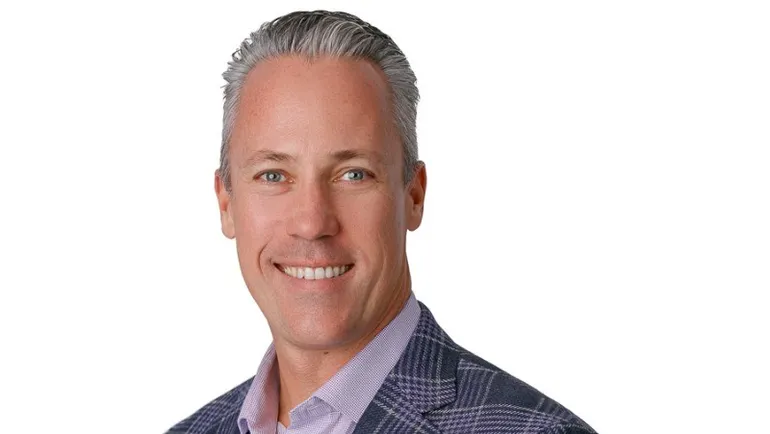
The Advanced Medical Technology Association, widely known as AdvaMed, has officially announced that Jake Leach, the Chief Executive Officer of Dexcom, will take the helm of the organization’s diabetes sector. This leadership transition marks a pivotal moment for the medical device industry as it seeks to navigate a complex regulatory landscape and expanding global demand for continuous glucose monitoring (CGM) and automated insulin delivery (AID) systems. Leach succeeds Chris Scoggins, the Executive Vice President of Diabetes Care at Abbott, continuing a tradition of leadership drawn from the world’s most influential diabetes technology manufacturers.
As the newly appointed chair, Leach is tasked with leading the sector’s advocacy efforts, which focus on securing policies that support the development and adoption of real-time data, predictive alerts, and digital health insights. These technologies have become the backbone of modern diabetes management, shifting the standard of care from intermittent fingersticks to seamless, automated monitoring. The appointment comes at a time when the prevalence of diabetes is reaching historic highs, necessitating a robust and unified voice in Washington D.C. and international regulatory hubs to ensure patient access to life-altering innovations.
A Career Defined by Technological Evolution
Jake Leach’s ascent to the chair of AdvaMed’s diabetes sector is the culmination of more than two decades of dedicated service to the medtech industry. His career at Dexcom began nearly 22 years ago, a period during which the company transformed from a fledgling startup with only 30 employees into a multi-billion-dollar global leader in the CGM space. Leach’s trajectory within Dexcom—moving from engineering roles to Chief Technology Officer, then Chief Operating Officer, and finally CEO—mirrors the technological evolution of the CGM industry itself.
During his tenure, Leach was instrumental in the development of the Dexcom G-series sensors, which pioneered the concept of "factory-calibrated" systems that eliminated the need for daily blood-draw calibrations. His leadership saw the successful launch of the Dexcom G7, a device that significantly reduced the warm-up time and physical footprint of sensors, and more recently, the Stelo glucose biosensor, the first CGM cleared by the FDA for over-the-counter use for adults with Type 2 diabetes who do not use insulin. This deep technical background provides Leach with a unique perspective on the hurdles involved in bringing high-tech medical hardware and software to a global market.
The Advocacy Mandate: Policy, Access, and Equity
AdvaMed’s diabetes sector serves as the primary lobbying body for companies that manufacture the tools used to treat and monitor metabolic health. The group’s mission is increasingly critical given the scale of the health crisis in the United States. According to the most recent data from the Centers for Disease Control and Prevention (CDC), approximately 40 million Americans are living with diabetes, while an additional 115 million are classified as prediabetic. This represents a staggering portion of the population that requires either active management or preventative monitoring to avoid long-term complications such as kidney failure, cardiovascular disease, and vision loss.
Under Leach’s leadership, the sector is expected to focus on several key pillars:
- Expanding Reimbursement and Coverage: A primary goal for AdvaMed is ensuring that both private insurers and public programs like Medicare and Medicaid provide broad access to CGM technology. While coverage has expanded significantly in recent years—most notably with the 2023 CMS decision to cover CGMs for all insulin-using patients and certain non-insulin-using patients with a history of hypoglycemia—significant gaps remain.
- Digital Health and Interoperability: As diabetes care becomes more data-driven, AdvaMed is advocating for standards that allow different devices (CGMs, insulin pumps, and smartphone apps) to communicate seamlessly. This interoperability is essential for the success of "artificial pancreas" systems, which rely on real-time sensor data to automatically adjust insulin dosages.
- Health Equity: Scott Whitaker, the CEO of AdvaMed, emphasized that Leach’s role will be central to supporting equitable care. Statistics show that minority populations and lower-income individuals often have lower rates of technology adoption despite higher rates of diabetes-related complications. AdvaMed aims to influence policies that reduce these disparities through community outreach and more inclusive insurance policies.
- Global Regulatory Alignment: As diabetes tech companies expand into European and Asian markets, Leach will oversee efforts to harmonize regulatory requirements, making it faster and more cost-effective for companies to launch products internationally.
The Economic Burden and the Role of Innovation
The economic implications of Leach’s new role cannot be overstated. The American Diabetes Association (ADA) recently reported that the total annual cost of diagnosed diabetes in the U.S. has reached $412.9 billion, including $306.6 billion in direct medical costs and $106.3 billion in reduced productivity. For the medtech industry, the challenge lies in proving that the high upfront cost of advanced sensors and pumps is offset by long-term savings from reduced hospitalizations and emergency room visits.
Leach has long been a proponent of using real-world evidence to demonstrate the value of CGM. By leading AdvaMed’s diabetes sector, he will have a platform to present this data to policymakers who are increasingly concerned with the rising costs of the healthcare system. The industry argues that by providing patients with real-time feedback on how diet, exercise, and medication affect their glucose levels, they can achieve better glycemic control, thereby preventing the expensive-to-treat complications that drive the majority of diabetes-related spending.
Chronology of Leadership and Sector Growth
The transition from Abbott’s Chris Scoggins to Dexcom’s Jake Leach signifies the collaborative yet competitive nature of the diabetes tech industry. Over the last five years, the sector has seen a rapid succession of milestones:

- 2020-2021: The COVID-19 pandemic accelerated the adoption of telehealth and remote patient monitoring, making CGMs an essential tool for doctors to manage patients from a distance. AdvaMed played a key role in securing temporary regulatory flexibilities during this period.
- 2022: The FDA cleared several next-generation devices, including the Dexcom G7 and Abbott’s FreeStyle Libre 3, which set new standards for sensor size and accuracy.
- 2023: A landmark year for reimbursement, as Medicare expanded coverage to include non-intensively managed Type 2 diabetes patients. This opened the market to millions of additional users.
- 2024-2025: The industry shifted toward the "prediabetes" and "health-conscious" markets with the launch of over-the-counter sensors. This move signaled a transition from purely medical devices to consumer-facing wellness tools.
- February 2026: Jake Leach is appointed Chair of the AdvaMed diabetes sector, tasked with consolidating these gains and addressing the next generation of challenges, such as the integration of GLP-1 medications with monitoring technology.
Industry Reactions and Strategic Implications
The appointment has been met with positive reactions from across the healthcare spectrum. Industry analysts suggest that Leach’s deep technical expertise makes him an ideal candidate to represent the sector during a time of rapid digital transformation. "Jake Leach has been at the forefront of every major technological shift in the CGM space over the last two decades," noted one senior medtech analyst. "His ability to bridge the gap between engineering possibilities and policy requirements will be an asset for AdvaMed."
AdvaMed CEO Scott Whitaker underscored the importance of this leadership transition in a formal statement, noting that the diabetes sector is one of the most dynamic within the association. Whitaker highlighted that the sector’s work is not just about the devices themselves, but about the "alerts and insights" that empower patients to take control of their health.
For Dexcom, having their CEO lead this influential group provides a significant opportunity to shape the industry’s narrative. While AdvaMed represents the collective interests of its members—which include rivals like Abbott, Medtronic, and Tandem Diabetes Care—the chair has a significant influence on the group’s priorities. Under Leach, it is expected that there will be a strong emphasis on "continuous" monitoring as the gold standard for all forms of diabetes, as well as a push for more robust data privacy protections as health information becomes increasingly digitized.
Looking Ahead: The Intersection of Tech and Pharmaceuticals
One of the most significant challenges Leach will face in his new role is the rise of GLP-1 receptor agonists, such as Ozempic and Mounjaro. These medications have revolutionized the treatment of Type 2 diabetes and obesity, leading some to question whether the demand for monitoring technology might wane. However, the prevailing view within AdvaMed and among clinical experts is that GLP-1s and CGMs are complementary.
Early data suggests that patients on GLP-1 medications use CGMs to track the effectiveness of the drug and to ensure they are maintaining healthy habits. Leach is expected to lead advocacy efforts that position CGM as a "companion tool" for pharmaceutical interventions, arguing that the combination of medication and real-time data leads to the best possible patient outcomes.

Furthermore, the expansion into the over-the-counter market will likely be a major focus of Leach’s chairmanship. As companies like Dexcom and Abbott move into the wellness space, AdvaMed will need to navigate new regulatory pathways that differ from traditional prescription-based models. This involves working closely with the FDA to ensure that consumer-grade sensors meet rigorous safety and accuracy standards while remaining accessible to the general public.
In conclusion, Jake Leach’s appointment as Chair of AdvaMed’s diabetes sector arrives at a critical juncture for global health. With his extensive history at Dexcom and his deep understanding of the metabolic health landscape, Leach is well-positioned to advocate for the policies that will define the next decade of diabetes care. His leadership will be measured by the sector’s ability to turn technological potential into widespread clinical reality, ensuring that the millions of people living with or at risk of diabetes have the tools they need to live longer, healthier lives.