

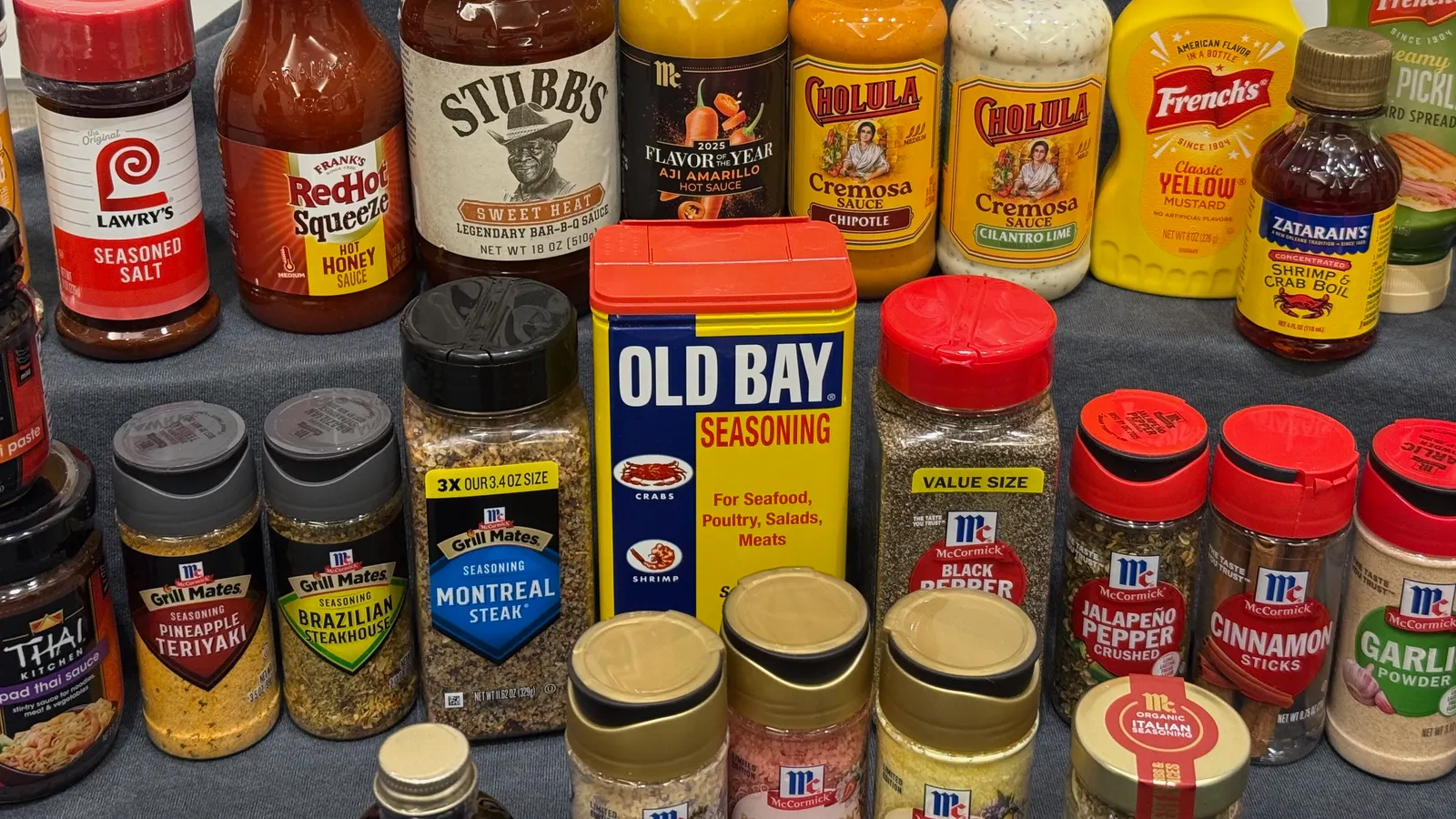
McCormick & Co., a global leader in flavor and spices, is experiencing an unprecedented surge in demand from food companies seeking to rapidly reformulate and innovate their product lines. This acceleration is directly driven by evolving consumer preferences, a heightened focus on health and wellness, and the persistent pressure of inflation impacting consumer spending. The company’s leadership indicates that businesses are increasingly seeking assistance in removing artificial ingredients, reducing sodium and sugar content, and incorporating trendy, sought-after ingredients into their offerings, all while demanding faster turnaround times.
Brendan Foley, CEO of McCormick & Co., highlighted this trend during a recent interview on the sidelines of the Consumer Analyst Group of New York (CAGNY) conference. "We have seen acceleration in 2025 in terms of the number of projects that we get," Foley stated. "I think that will continue for some time." This sentiment underscores a significant shift in the food industry’s product development lifecycle, where agility and responsiveness to consumer sentiment are paramount.
The impetus behind this industry-wide reformulation effort is multifaceted. Food manufacturers are grappling with declining sales volumes and shrinking profit margins, compelling them to bring new and improved products to market with greater speed. Consumers, feeling the pinch of inflation, are becoming more discerning about their purchases, prioritizing value and perceived health benefits. This has translated into a stronger demand for products that align with a healthier lifestyle, often meaning a move away from artificial additives and an increased emphasis on nutritional enhancement.
Regulatory pressures and public health initiatives are also playing a crucial role. A growing awareness surrounding the potential impact of artificial dyes and preservatives on consumer health has led to increased scrutiny from both consumers and governmental bodies. The "Make America Healthy Again" movement, for instance, has specifically targeted the processed foods sector, urging manufacturers to adopt cleaner ingredient lists and more nutritious formulations.
This broader industry movement is exemplified by the actions of major players like PepsiCo. Last year, PepsiCo CEO Ramon Laguarta announced the company’s commitment to "accelerating" its transition to natural ingredients. This decision was directly attributed to escalating consumer demand for healthier options and pressure from the White House to phase out artificial coloring. PepsiCo’s strategic roadmap includes transitioning its entire portfolio to natural colors or offering natural color alternatives to consumers within the next few years. This commitment has already materialized with the launch of dye-free versions of popular snacks like Cheetos and Doritos under the "Simply NKD" line in December.
McCormick’s strategic response to this evolving landscape involves proactively addressing challenges earlier in the food development pipeline. Instead of solely reacting to specific client requests, the company is focusing on developing reformulation solutions based on identified consumer demands. Their current efforts are concentrated on reducing sodium, fat, and sugar content, and facilitating the transition away from artificial ingredients, colors, and preservatives.
Foley emphasized that the food industry has been engaged in product reformulation for years, constantly seeking avenues for innovation. However, he noted that the current emphasis on these changes has become more pronounced due to increased consumer awareness regarding ingredients and the growing influence of health-focused consumer movements. "What’s getting lost here is the food industry has been focused on this stuff for a long time," Foley remarked, suggesting that while the underlying principles are not new, the pace and intensity of the current changes are notable.
The Evolving Landscape of Flavor Innovation
Beyond nutritional content and ingredient profiles, the demand for innovative flavor experiences is also experiencing a significant uptick. With more consumers opting to dine at home, there’s a growing appetite for unusual and premium spices and flavors that allow for culinary experimentation and the replication of restaurant-quality dining experiences. This trend presents both a challenge and an opportunity for flavor giants like McCormick.
McCormick, with its extensive global sourcing network of approximately 17,000 ingredients from over 80 countries, acknowledges the continued importance of its "core" offerings such as black pepper, cinnamon, and oregano. However, the company is perpetually on the lookout for the next groundbreaking flavor to captivate evolving consumer palates.
"The company is in a constant trend identification and evolution on top of what is a very core set of products that we all need," Foley explained. He further elaborated on the delicate balance between maintaining a strong foundation of essential flavors and embracing nascent trends. "You’re always going to see the core dominate," he stated, "But people also want excitement. They want new ideas. They want to explore it."
To stay ahead of the curve, McCormick employs a rigorous process of trend monitoring. The company actively scans social media platforms, analyzes restaurant menus, and scrutinizes search data from Google and Amazon to identify emerging flavor trends that have matured sufficiently to warrant product development. This data-driven approach allows McCormick to anticipate consumer desires and introduce relevant flavor innovations to the market.
A prime example of this methodology is McCormick’s approach to the dill pickle flavor. The company reportedly monitored the trend for four years before launching its French’s dill pickle mustard in early 2024, demonstrating a patient yet persistent strategy to capitalize on consumer interest.
Foley also clarified that not every flavor or trend needs to achieve massive widespread adoption to be considered a success. The key, he emphasized, is whether the innovation resonates with a significant portion of the consumer base and effectively meets their evolving needs. This perspective allows for a more nuanced approach to product development, catering to both broad market demands and niche, yet impactful, consumer preferences.
McCormick’s selection of black currant as its 2026 Flavor of the Year further illustrates this strategy of balancing established favorites with novel experiences. This choice reflects the growing consumer desire for variety in their home cooking. One evening might call for a comforting, familiar meal, while the next could inspire an exploration of global culinary trends, such as the increasing popularity of heat and spicy profiles.
Flavors like black currant offer consumers an accessible entry point into trying new ingredients, especially as globally inspired flavors gain prominence. This is particularly evident among younger demographics, who are poised to become the dominant consumer force in the coming years.
Generational Shifts Driving Flavor Exploration
Research indicates a strong inclination towards flavor experimentation among younger generations. A study by Chicory revealed that over 90% of Gen Z and Millennials actively seek out new food and beverage flavors, with many expressing a preference for the more "wilder" and unconventional options. This data highlights the critical importance of understanding and catering to the preferences of these demographics.
"We’ve spent a lot of time watching Gen Z and millennials and where they’re going, because that really defines the future," Foley stated. This strategic focus on younger consumers ensures that McCormick remains relevant and innovative in a rapidly changing market. The company’s ability to anticipate and adapt to these generational shifts in taste and preference will be crucial for its continued success in the dynamic global food industry. The confluence of health consciousness, economic pressures, and a desire for novel culinary experiences is creating a fertile ground for flavor innovation, and McCormick is positioning itself to lead this exciting transformation.