

Snacking, often perceived as a dietary minefield, can be a powerful ally or a significant detriment in the pursuit of weight management. When chosen judiciously, snacks packed with essential nutrients like protein and fiber can bolster satiety, regulate blood sugar, and provide sustained energy, thereby supporting weight loss goals. Conversely, indiscriminate snacking on calorie-dense, nutrient-poor options can inadvertently sabotage even the most well-intentioned dietary plans by introducing "empty calories" that do little to quell hunger. Recognizing this critical distinction, a leading expert in sports nutrition has curated a list of readily available, store-bought snacks designed to aid individuals in achieving their weight loss objectives. Tara Collingwood, MS, RDN, CSSD, LD/N, ACSM-CPT, a Board Certified Sports Dietitian and co-author of the Flat Belly Cookbook for Dummies, offers her professional insights into selecting optimal convenience foods for the new year and beyond. Her recommendations prioritize ingredients known for their satiating properties and overall nutritional value, aiming to transform snacking from a potential pitfall into a strategic component of a healthy lifestyle.
The Evolving Role of Snacking in Modern Nutrition
For decades, snacking often carried a negative connotation within dietary discourse, frequently associated with indulgence and overconsumption, particularly in the context of weight management. However, contemporary nutritional science has increasingly embraced a more nuanced view, recognizing that strategic snacking can play a vital role in maintaining energy levels, preventing excessive hunger between meals, and ensuring adequate nutrient intake throughout the day. The rise of busy lifestyles and demanding schedules has also fueled a significant demand for convenient food options, making store-bought snacks an indispensable part of many people’s daily routines. The challenge lies in discerning genuinely beneficial snacks from the multitude of highly processed, sugar-laden, and fat-heavy products that dominate supermarket shelves. This is where expert guidance becomes invaluable, helping consumers navigate complex nutritional labels and marketing claims to make informed choices that align with their health and weight goals. The global market for healthy snacks has seen substantial growth, driven by increasing consumer awareness of health and wellness, a greater demand for functional foods, and the desire for convenient, on-the-go options that don’t compromise nutritional integrity. Reports from market research firms indicate that the healthy snacks market is projected to reach over $32 billion by 2027, highlighting a fundamental shift in consumer behavior towards healthier alternatives, even within the convenience food category. This trend is further supported by a growing understanding of portion control and the benefits of regular, small meals or snacks to manage metabolism and appetite.

The Science of Satiety: Protein and Fiber as Cornerstones
At the heart of effective weight management through strategic snacking lies the physiological impact of protein and fiber. Protein is widely recognized for its high satiety index, meaning it keeps individuals feeling fuller for longer periods compared to carbohydrates or fats. This is attributed to its effects on appetite-regulating hormones like ghrelin (the hunger hormone) and GLP-1 (which promotes fullness), as well as its higher thermic effect of food (TEF), where the body expends more energy to digest and metabolize protein. Including protein in snacks can therefore reduce overall caloric intake by preventing overeating at subsequent meals. A study published in the American Journal of Clinical Nutrition highlighted that increasing protein intake to 25-30% of total daily calories can significantly boost metabolism and reduce hunger.
Similarly, dietary fiber, particularly soluble fiber, contributes significantly to satiety by slowing down digestion and nutrient absorption, which helps to stabilize blood sugar levels and prolong feelings of fullness. Fiber also adds bulk to the diet without adding significant calories, further aiding in weight control. Beyond satiety, fiber is crucial for gut health, promoting regular bowel movements and supporting a healthy gut microbiome, which emerging research suggests may also play a role in weight regulation and metabolic health. The average adult often falls short of the recommended daily fiber intake (25-38 grams), making fiber-rich snacks an important dietary tool. Collingwood’s recommendations consistently feature snacks that are excellent sources of both these macronutrients, aligning with established scientific principles for effective weight management and overall nutritional well-being.
Expert Recommendations for Mindful Snacking
Tara Collingwood’s selection of seven store-bought snacks offers a pragmatic approach to healthy eating, balancing nutritional efficacy with convenience. Her choices reflect a deep understanding of both dietary science and the practicalities of a busy consumer’s life, emphasizing options that are not only beneficial but also accessible.
1. KIND Bars (e.g., KIND Protein or KIND Healthy Grains)
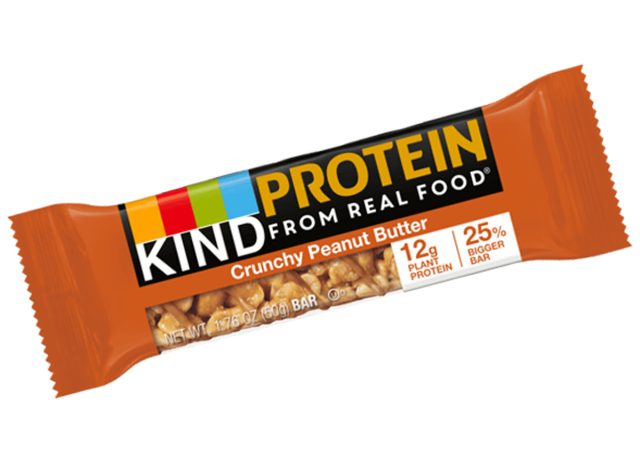
Collingwood’s top pick for an easy grab-and-go snack, KIND Bars, stand out due to their composition of nuts, seeds, and whole grains. These ingredients are naturally rich in both protein and fiber, crucial elements for sustained satiety. Nuts and seeds provide healthy monounsaturated and polyunsaturated fats, which, in moderation, contribute to heart health and further enhance the feeling of fullness. Whole grains offer complex carbohydrates that release energy slowly, preventing sudden spikes and crashes in blood sugar. "Bars made from nuts, seeds, and whole grains. With protein and fiber help keep you full. Often recommended by dietitians as better than sugary bars," Collingwood states, underscoring their superiority over many highly processed, sugar-laden snack bars that offer minimal nutritional value and can contribute to energy slumps and increased cravings. The brand’s commitment to visible, whole ingredients also resonates with consumer demand for transparency and less processed foods. Data from the snack bar market shows a clear trend towards bars with higher protein and fiber content, reflecting consumer education and preference for functional benefits. While specific nutritional profiles vary by flavor, KIND Protein bars typically offer 12-15 grams of protein and 5-6 grams of fiber, making them a substantial and satisfying choice.
2. Lesser Evil Himalayan Pink Salt Popcorn
For individuals seeking a satisfyingly crunchy snack, Collingwood suggests Lesser Evil Himalayan Pink Salt Popcorn. This recommendation leverages popcorn’s inherent nature as a whole grain, offering a lighter, air-popped alternative to heavier, oil-fried options. Popcorn, when prepared simply, is an excellent source of dietary fiber and can be a surprisingly low-calorie snack, especially when compared to potato chips or other processed savory items. "A lighter, whole grain, air popped snack with fewer calories. Popcorn is a whole grain!" she explains. A 1-ounce serving of air-popped popcorn typically contains about 100 calories and 4 grams of fiber, making it a voluminous and filling option for relatively few calories. The use of Himalayan pink salt, while a minor detail nutritionally, often appeals to consumers looking for "cleaner" or more natural ingredient lists. This snack addresses the common craving for savory, crunchy textures without derailing dietary goals, provided portion sizes are managed. The increasing popularity of gourmet and health-conscious popcorn brands illustrates a market shift towards healthier versions of traditional comfort foods, with Lesser Evil leading in the organic and minimal-ingredient space.
3. FlavaNaturals FlavaBars
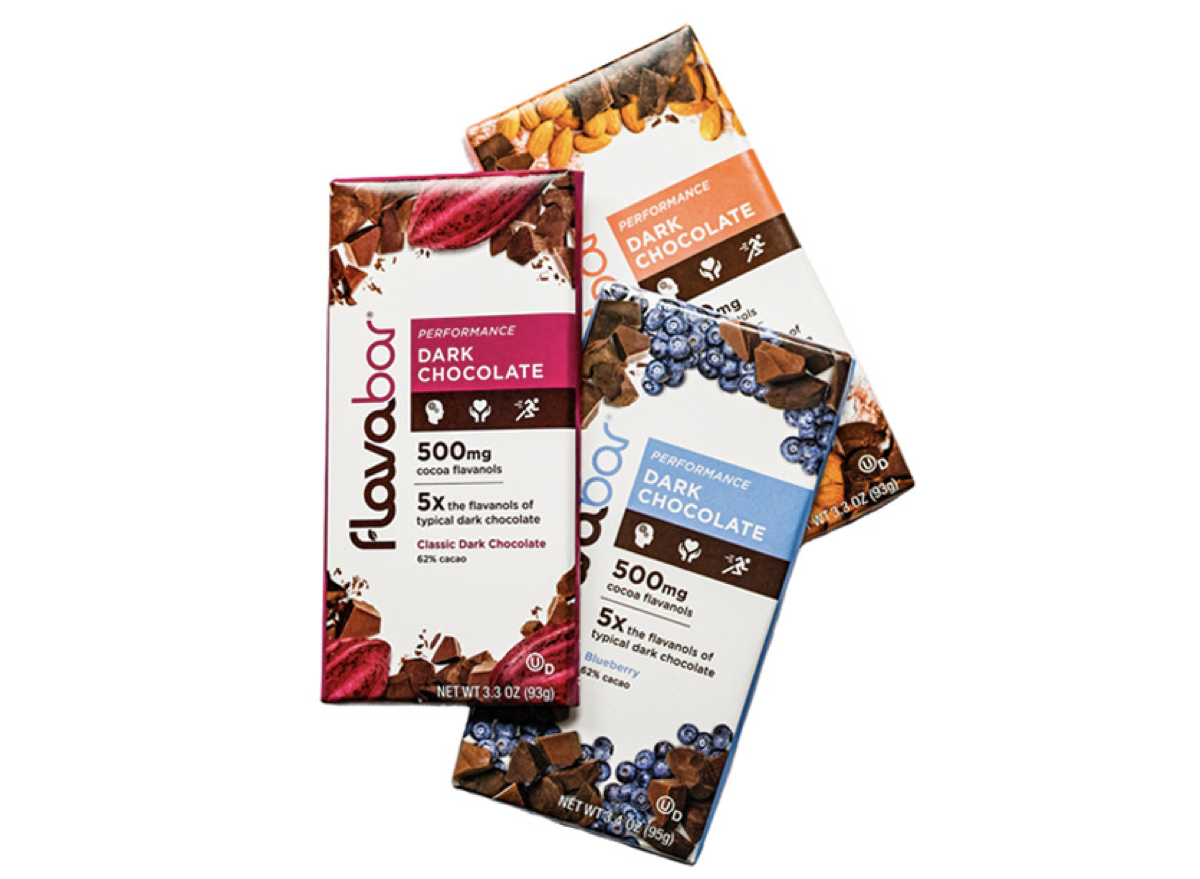
Addressing the persistent challenge of a sweet tooth while adhering to weight loss principles, FlavaNaturals FlavaBars emerge as a distinguished option. These premium dark chocolate bars are notable for their high concentration of cocoa flavanols—approximately 500 mg per serving—significantly exceeding the flavanol content typically found in standard dark chocolate. Cocoa flavanols are potent antioxidants that have been linked to various health benefits, including improved cardiovascular health, enhanced cognitive function, and reduced inflammation. Research published in The Journal of Nutrition has explored the benefits of flavanol-rich cocoa in improving blood flow and reducing blood pressure. "Premium dark chocolate bars with about 500 mg of cocoa flavanols per serving which is much higher than typical dark chocolate. Available in flavors like classic dark, blueberry dark, and roasted almond + Himalayan salt," Collingwood elaborates. This allows for a guilt-free indulgence, transforming a craving into an opportunity for a beneficial nutrient intake. The availability in diverse flavors further enhances their appeal, making healthy indulgence more accessible and enjoyable. This recommendation taps into the growing consumer interest in functional foods that offer specific health benefits beyond basic nutrition, marrying pleasure with purpose.

4. Bada Bean Bada Boom Crunchy Roasted Broad Bean Snack
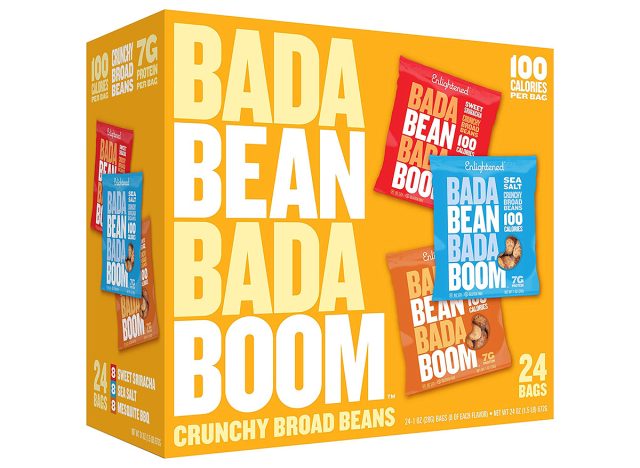
Offering a unique blend of crunch, protein, and fiber, the Bada Bean Bada Boom Crunchy Roasted Broad Bean Snack is presented as a highly effective choice. Broad beans, also known as fava beans, are nutrient-dense legumes that serve as an excellent plant-based source of protein. Each serving typically provides 6 to 7 grams of protein and 4 to 5 grams of fiber, a powerful combination designed to curb hunger and promote prolonged fullness. This dual action is vital for appetite regulation and preventing premature snacking. Furthermore, these snacks are notably low in calories, with just 100 to 110 calories per 1-ounce serving, making them an ideal choice for calorie-controlled diets. "Comes in portion control bags," Collingwood adds, highlighting an additional practical benefit that aids in mindful eating and prevents accidental overconsumption. The convenience of pre-portioned bags aligns with behavioral strategies for weight loss, emphasizing controlled intake and ease of integration into daily routines. The rising trend of plant-based diets and protein-rich snacks underscores the market relevance of products like Bada Bean Bada Boom, which offer a satisfying alternative to nuts or processed chips, appealing to both vegans and those seeking nutritious, savory crunch.
5. B-Sides Ranch Crunch Puffs
For those who frequently crave savory snacks with a satisfying crunch, B-Sides Ranch Crunch Puffs provide an innovative and healthier plant-based alternative. Crafted from oats and pea protein, these puffs offer a significant protein boost alongside their flavorful profile. "Plant-protein puffs made with oats & pea protein – savory and filling with some protein boost," Collingwood notes. Pea protein is a complete protein, meaning it contains all nine essential amino acids necessary for bodily functions, and oats contribute valuable soluble fiber. This combination ensures that the snack is not only delicious but also contributes to satiety, making it an effective choice for managing cravings without resorting to less nutritious options. A typical serving might offer around 10-12 grams of protein, a substantial amount for a snack. The "ranch" flavor profile caters to popular taste preferences, demonstrating how healthy snacks can still deliver on taste. The burgeoning market for plant-based protein snacks indicates a strong consumer shift towards alternatives that support both health and ethical dietary choices, with brands like B-Sides innovating to provide familiar flavors in healthier formats.
6. That’s It. Fruit bars
When a natural sweet treat is desired, That’s It. Fruit bars are recommended for their simplicity and purity. These bars distinguish themselves by containing only two fruits, such as apple and mango or apple and strawberry, with no added sugars, preservatives, or fillers. This minimalist ingredient list makes them one of the healthiest "fruit rollup" type snacks available on the market. "Very simple and clean with usually just two fruits (e.g., apple + mango or apple + strawberry). No added sugar, preservatives, or fillers," Collingwood states. The natural fiber from the whole fruit helps to moderate the absorption of natural sugars, preventing the rapid blood sugar spikes often associated with fruit juices or highly processed fruit snacks. For individuals seeking a convenient way to increase their fruit intake while satisfying a sweet craving, these bars offer an excellent solution that aligns with clean eating principles. Each bar typically contains around 3-5 grams of fiber, contributing to daily requirements. The transparency of ingredients appeals to health-conscious consumers wary of hidden additives, making these bars a trustworthy option for a wholesome, naturally sweet snack.
7. simplyFUEL Protein Balls
Rounding out the list are simplyFUEL Protein Balls (Oat Balls), celebrated for their clean, balanced nutritional profile and whole-food ingredients. These protein balls are typically made with a blend of gluten-free oats, natural peanut butter, honey, organic coconut, and almonds. This combination provides a substantial nutritional punch: approximately 8 grams of protein, a good dose of fiber, and healthy fats. "Made with gluten-free oats, honey, natural peanut butter, organic coconut, and almonds, 8 g protein, fiber, and healthy fats. Some versions also have probiotics," Collingwood highlights. The inclusion of healthy fats from peanut butter, coconut, and almonds further contributes to satiety and provides essential fatty acids, such as omega-3s, depending on the specific nut blend. The option of versions containing probiotics adds an additional layer of functional benefit, supporting gut health, which is increasingly recognized for its influence on overall well-being and metabolism. Their convenient, bite-sized format makes them perfect for a quick energy boost or a post-workout recovery snack. The growing demand for functional foods and snacks that support gut health indicates a sophisticated consumer base looking for multi-benefit products, making simplyFUEL Protein Balls a comprehensive choice for health-conscious individuals.
Broader Implications and the Future of Healthy Snacking
The insights provided by Tara Collingwood extend beyond mere product recommendations; they underscore a significant shift in public health discourse and consumer behavior regarding food choices. In an era grappling with rising rates of obesity and diet-related chronic diseases, the strategic integration of nutrient-dense snacks becomes a crucial component of preventive healthcare and sustainable weight management. The global health community, including organizations like the World Health Organization and national dietary guidelines such as those from the U.S. Department of Agriculture, consistently advocates for diets rich in whole grains, lean proteins, fruits, vegetables, and healthy fats—principles clearly reflected in Collingwood’s selections.
The market response to this growing health consciousness has been robust. Food manufacturers are increasingly investing in research and development to create products that meet consumer demand for "better-for-you" options. This includes innovations in plant-based proteins, gluten-free alternatives, low-sugar formulations, and products fortified with functional ingredients like probiotics and high-fiber compounds. The success of brands like KIND, Lesser Evil, and That’s It. demonstrates that consumers are willing to pay a premium for convenience foods that deliver on health promises and ingredient transparency. This trend is not merely a fad but a reflection of a deeper societal commitment to well-being, influencing supply chains, product development cycles, and marketing strategies across the food industry.
Furthermore, the emphasis on portion control, as seen with snacks like Bada Bean Bada Boom, highlights the importance of behavioral strategies in weight loss. It’s not just what we eat, but how much and when. Dietitians and nutritionists are increasingly advocating for mindful eating practices, and pre-portioned snacks can serve as a valuable tool in this regard, helping individuals develop healthier eating habits without feeling deprived. This approach aligns with broader psychological research indicating that structured eating patterns can reduce impulsive food choices and foster greater self-regulation.
The implications for public health are profound. By making informed choices in the snack aisle, individuals can significantly impact their daily caloric intake and nutrient density, contributing to better weight outcomes, improved energy levels, and reduced risk of chronic diseases such as type 2 diabetes and cardiovascular disease. The role of qualified professionals like Tara Collingwood in demystifying nutrition and providing practical, actionable advice remains paramount in guiding the public through the complex landscape of modern food choices. As consumer awareness continues to grow and scientific understanding evolves, the healthy snack segment is poised for continued innovation, ultimately benefiting public health by making nutritious eating more accessible and convenient for everyone. This movement signifies a broader societal shift towards valuing food not just for pleasure or sustenance, but as a fundamental pillar of health and well-being, fostering a more informed and empowered consumer base.
In conclusion, the seemingly simple act of choosing a snack holds considerable power in a weight loss journey. By prioritizing options rich in protein and fiber, and opting for products with clean, whole-food ingredients, individuals can transform snacking from a potential hurdle into an effective strategy for achieving and maintaining a healthy weight. Tara Collingwood’s expert recommendations provide a clear roadmap for navigating the supermarket with confidence, empowering consumers to make choices that truly fuel their bodies and support their health goals.