

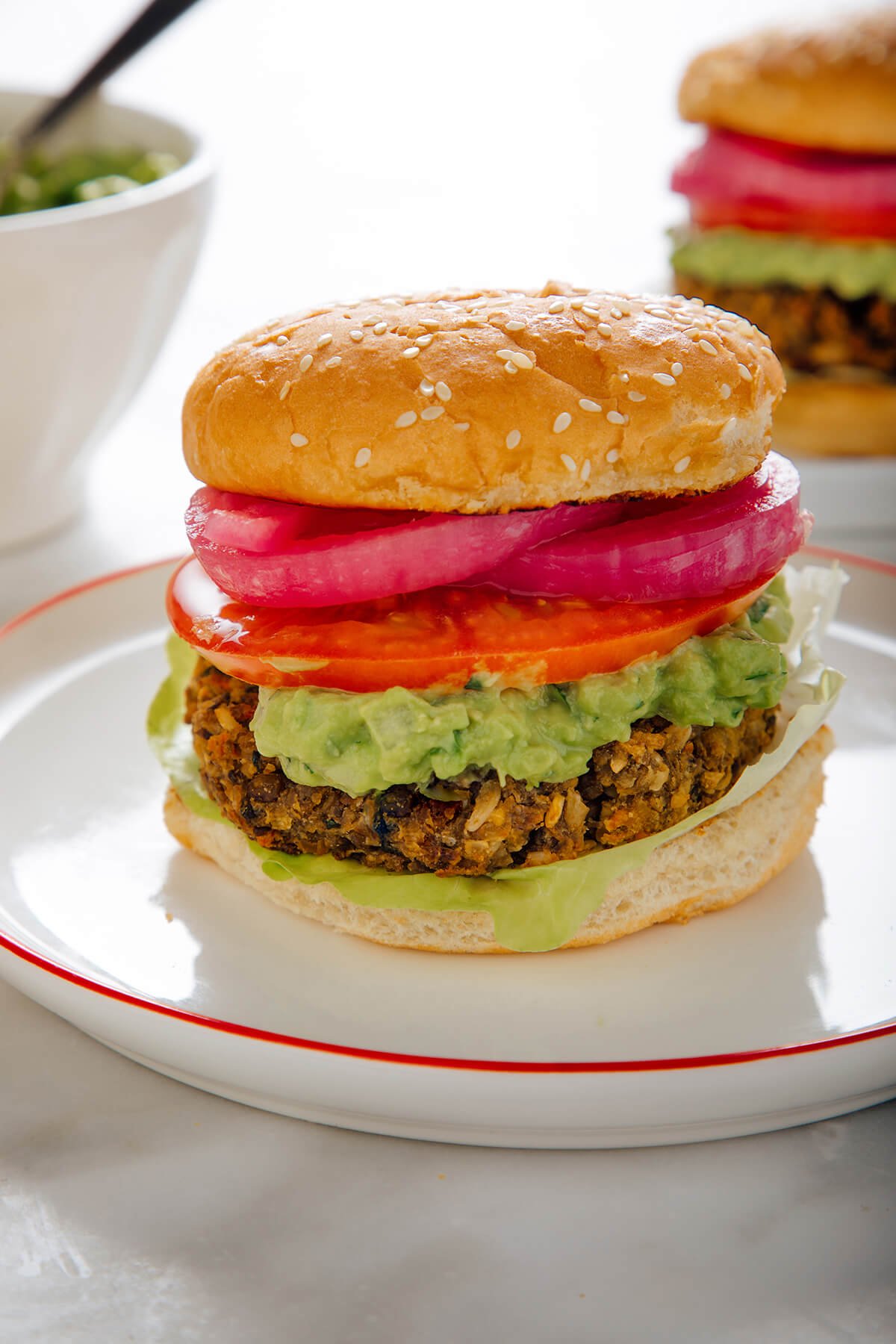
In a significant development for the burgeoning plant-based culinary landscape, Kathryne Taylor, the acclaimed food blogger behind Cookie and Kate, has unveiled a new lentil burger recipe poised to become a staple for home cooks seeking wholesome and flavorful meatless alternatives. Released in early September 2025, this latest offering emphasizes accessible ingredients and streamlined preparation, distinguishing itself from many commercially available options and reinforcing the growing trend towards homemade, health-conscious meals. The announcement has already generated considerable buzz within the online culinary community, highlighting the ongoing demand for innovative and reliable plant-forward recipes.
The Evolving Landscape of Plant-Based Cuisine and Homemade Alternatives

The introduction of Taylor’s lentil burger comes at a pivotal moment for plant-based eating. Over the past decade, the market for meat alternatives has surged, driven by increasing consumer awareness of health, environmental sustainability, and ethical considerations. Reports from market research firms like Grand View Research indicate that the global plant-based meat market size was valued at USD 7.9 billion in 2023 and is projected to expand at a compound annual growth rate (CAGR) of 19.3% from 2024 to 2030. This growth is not merely confined to highly processed, store-bought substitutes; there’s a parallel, equally robust demand for recipes that empower individuals to create plant-based meals from scratch, using whole, recognizable ingredients.
Kathryne Taylor, through her influential platform Cookie and Kate, has been a vanguard in this movement since 2010. Known for her focus on vegetarian and whole-food recipes, Taylor has cultivated a loyal following by consistently delivering dishes that are not only delicious but also approachable for cooks of all skill levels. Her "Favorite Veggie Burgers" recipe has long been a benchmark for homemade plant-based patties, and the new lentil burger is positioned as a strong second contender, a testament to its quality and appeal. This new recipe aligns perfectly with the current consumer desire for transparency in ingredients and a return to foundational cooking methods, eschewing complex additives often found in industrial food production.
Crafting the Perfect Plant-Based Patty: A Deep Dive into the Recipe

The essence of Taylor’s new lentil burger lies in its thoughtful combination of familiar ingredients and an efficient preparation process. Unlike many commercial veggie burgers that rely on isolated proteins and binders, this recipe champions a blend of grated carrot, fresh cilantro or parsley, onion, garlic, and a robust spice mix featuring chili powder, cumin, salt, and pepper. These components not only infuse the burgers with a rich, earthy flavor but also contribute to their desirable texture and nutritional profile.
-
Ingredients and Flavor Profile: The core ingredient, greenish-brown lentils, provides a hearty base rich in protein and fiber. The grated carrot adds a subtle sweetness and moisture, while the fresh herbs brighten the overall taste. The onion and garlic form an aromatic foundation, and the chili powder and cumin introduce a warm, inviting spice blend that complements the lentils without overpowering them. Importantly, the recipe notes the optional inclusion of two eggs, which contribute to extra moisture and a lighter, more tender texture. For those adhering to a vegan diet, the eggs can be omitted, though achieving the ideal hummus-like texture for the patty mixture may require slightly more attention. This adaptability underscores the recipe’s broad appeal across various dietary preferences.
-
Streamlined Preparation and Culinary Efficiency: A hallmark of Taylor’s recipes is their practicality, and the lentil burgers are no exception. The entire mixture comes together "beautifully in the food processor," significantly reducing preparation time and effort. This method ensures a consistent texture, making it easier to form uniform patties. Furthermore, Taylor advocates for baking the burgers in the oven, a method she describes as "more efficient and less fussy than cooking them in a skillet." Baking yields patties that are "nicely golden and firm enough to hold their shape between a bun," addressing a common challenge with homemade veggie burgers—their tendency to crumble. This innovative approach to cooking not only simplifies the process but also delivers a superior end product, minimizing the need for excess oil and promoting a healthier cooking method.

The Nutritional Powerhouse: Why Lentils Matter
Lentils are increasingly recognized as a superfood, a cost-effective and nutrient-dense staple that plays a crucial role in plant-based diets. The inclusion of lentils as the primary component of these burgers highlights their exceptional nutritional value.
-
Health Benefits and Sustainability: Lentils are an excellent source of plant-based protein, dietary fiber, iron, folate, and manganese. A single cup of cooked lentils provides approximately 18 grams of protein and 15 grams of fiber, contributing significantly to satiety and digestive health. Their high fiber content also helps regulate blood sugar levels and supports cardiovascular health. From an environmental perspective, lentils are a highly sustainable crop. They require significantly less water than animal proteins and even other plant proteins, and they contribute to soil health by fixing nitrogen, reducing the need for synthetic fertilizers. This makes them an environmentally friendly choice for conscientious consumers. The recipe specifically calls for 2 1/2 cups of cooked greenish-brown lentils, emphasizing a substantial, nutrient-rich serving. The flexibility to use home-cooked, canned, or pre-steamed lentils (like those from Trader Joe’s) further enhances the recipe’s accessibility, catering to varying levels of culinary commitment.

-
Beyond the Bun: Versatile Serving Suggestions: While perfectly suited for a traditional burger bun, Taylor’s recipe extends beyond conventional serving. She suggests pairing these burgers with "boldly flavored toppings, like an herbed avocado sauce and pickles," to elevate the culinary experience. Beyond the bun, the burgers can be served atop a fresh green salad or alongside nutrient-rich grains such as cooked brown rice, farro, or quinoa. This versatility positions the lentil burger not just as a standalone meal but as a flexible protein component for various dishes, making it an ideal candidate for meal prepping. Furthermore, the ability to freeze leftover burgers provides a convenient, protein- and fiber-rich addition to future meals, underscoring the recipe’s practicality for busy households.
Addressing the Market for Meat Alternatives
The plant-based food sector is characterized by a dynamic interplay between commercial products and homemade culinary solutions. Taylor’s new lentil burger recipe directly engages with this dynamic, offering a compelling argument for the homemade approach.

-
Homemade vs. Store-Bought: A Conscientious Choice: Many consumers turn to store-bought veggie burgers for convenience. However, these often come with a trade-off: longer ingredient lists featuring processed components, added sugars, and higher sodium levels. Taylor explicitly highlights this distinction, noting that her lentil burgers are "made with familiar and wholesome ingredients, unlike many store-bought options these days." This emphasis resonates with a growing segment of the population that prioritizes "clean eating" and seeks to minimize consumption of ultra-processed foods. By providing a delicious and easy-to-make alternative, the recipe empowers consumers to take control of their diet, ensuring they understand exactly what they are eating while often incurring significant cost savings compared to specialty plant-based products. This DIY approach not only fosters healthier eating habits but also promotes culinary literacy and self-sufficiency in the kitchen.
-
The Role of Food Bloggers in Shaping Dietary Habits: Food bloggers like Kathryne Taylor wield considerable influence in contemporary dietary trends. Their platforms serve as virtual recipe books, culinary schools, and community forums. The introduction of a new, highly anticipated recipe from a reputable source like Cookie and Kate can significantly impact the dietary choices of thousands, if not millions, of followers. By consistently offering high-quality, reliable, and inspiring plant-based recipes, Taylor contributes to the mainstreaming of vegetarian and vegan diets, making them more appealing and attainable for a wider audience. This indirect educational role is invaluable in shifting public perception and encouraging healthier, more sustainable eating practices.
The Future of Plant-Forward Meals

The release of this lentil burger recipe is more than just a new addition to a popular blog; it is indicative of broader trends and implications for the food industry and home cooking.
-
Broader Implications for Home Cooks and the Food Industry: For home cooks, this recipe offers a fresh, exciting option for weekly meal planning, encouraging experimentation with legumes and plant-based proteins. Its ease of preparation and delicious outcome could inspire individuals who were previously hesitant to try making their own veggie burgers. For the food industry, recipes like Taylor’s highlight consumer preferences for less processed, more natural-tasting plant-based options. This could influence product development, pushing manufacturers towards cleaner labels and ingredients that mimic homemade quality. The emphasis on whole foods and simple preparation techniques signals a potential shift away from overly engineered meat analogues towards more grounded, ingredient-focused plant-based offerings.
-
Expert Perspectives on the Trend: "The continued innovation from influential food bloggers like Kathryne Taylor is crucial for the sustained growth of the plant-based movement," states Dr. Eleanor Vance, a food trend analyst at the Global Culinary Institute. "Recipes that are both delicious and easy to prepare from scratch address a key barrier for many consumers transitioning to more plant-forward diets. This particular lentil burger, with its emphasis on whole ingredients and efficient cooking methods, is a perfect example of how culinary content creators are actively shaping the future of our plates." Similarly, nutritionists frequently advocate for homemade plant-based meals due to their inherent nutritional advantages and the ability to control ingredients. "Incorporating more lentils into one’s diet offers immense health benefits," comments registered dietitian Sarah Jenkins. "A well-crafted lentil burger recipe that holds its shape and tastes great is an excellent way to boost fiber and protein intake without relying on processed foods."

Practical Tips for Success and Longevity
To ensure optimal results, Taylor provides crucial tips for working with lentils, emphasizing preparation and storage.
- Mastering Lentil Preparation and Storage: The recipe specifically calls for 2 1/2 cups of cooked lentils and underscores the importance of properly preparing them. Whether cooked from scratch, sourced from a can, or purchased pre-steamed, the critical step is to "spread them across a paper towel to absorb excess moisture before using them." This simple yet vital technique prevents the burger mixture from becoming too wet, which can lead to a crumbly patty. Taylor’s advice for cooking lentils from scratch involves boiling 1 cup of rinsed lentils with 1/2 teaspoon of salt for approximately 13 minutes until tender, then immediately straining. This attention to detail ensures the lentils are perfectly cooked and ready for the food processor. Additionally, the recipe offers alternative cooking instructions for the stove, providing flexibility for those who prefer skillet preparation, though the oven method is recommended for consistency. The suggestion to freeze leftover burgers is a practical tip for maximizing meal prep efficiency and ensuring a ready supply of nutritious protein.
In conclusion, Kathryne Taylor’s new lentil burger recipe represents a significant contribution to the evolving landscape of plant-based home cooking. By marrying wholesome, familiar ingredients with efficient preparation techniques and robust flavor profiles, Taylor has once again delivered a recipe that resonates deeply with modern dietary trends. Its release in September 2025 solidifies Cookie and Kate’s position as a leading authority in vegetarian cuisine, inspiring countless home cooks to embrace delicious, healthy, and sustainable meal options. As consumers continue to seek alternatives to processed foods and embrace more plant-forward lifestyles, recipes like these lentil burgers will undoubtedly play an increasingly vital role in shaping culinary habits and promoting well-being.