

The ketogenic diet, a nutritional approach characterized by very low carbohydrate intake, moderate protein, and high fat consumption, has gained significant traction for its potential benefits in weight management, metabolic health, and cognitive function. This dietary shift fundamentally alters the body’s primary fuel source from glucose (derived from carbohydrates) to ketones (produced from fat). This metabolic adaptation, known as ketosis, while beneficial, can also introduce specific nutritional challenges and physiological adjustments. Understanding these shifts and strategically incorporating certain dietary supplements can play a crucial role in easing the transition, bridging potential nutrient gaps, and supporting overall energy levels and well-being, thereby enhancing the sustainability and efficacy of a ketogenic lifestyle.
The Ketogenic Transition: Understanding the Metabolic Shift
When an individual initiates a ketogenic diet, their body undergoes a profound metabolic transformation. With carbohydrate intake drastically reduced (typically below 20-50 grams per day), glycogen stores in the liver and muscles are depleted. This prompts the liver to begin converting fats into ketone bodies—primarily beta-hydroxybutyrate (BHB), acetoacetate, and acetone—which then serve as an alternative, efficient fuel source for the brain and other tissues. This process of entering and maintaining ketosis can be divided into several phases:
- Initiation Phase (Days 1-7): This is often the most challenging period, as the body adapts to glucose withdrawal. Symptoms commonly referred to as "keto flu" can manifest, including fatigue, headaches, irritability, muscle cramps, and brain fog. These symptoms are largely attributed to electrolyte imbalances, particularly the increased excretion of sodium and water as insulin levels drop.
- Adaptation Phase (Weeks 2-8): As the body becomes more efficient at producing and utilizing ketones, these initial symptoms typically subside. Energy levels stabilize, and many individuals report improved mental clarity and sustained satiety. During this phase, the body is fine-tuning its fat-burning machinery.
- Long-Term Maintenance: Once fully keto-adapted, individuals can often maintain ketosis with greater ease. However, ongoing attention to nutrient intake, hydration, and potential dietary gaps remains essential for sustained health and performance.
Supplements are not a prerequisite for achieving ketosis, but they can significantly mitigate discomfort during the initiation phase, optimize performance during adaptation, and safeguard long-term health by ensuring adequate nutrient status. They serve as valuable tools, particularly for those new to keto, highly active individuals, or anyone struggling to meet nutrient targets solely through food.
Bridging Nutritional Gaps: The Role of Targeted Supplementation
The restrictive nature of the ketogenic diet, which often limits fruits, starchy vegetables, and grains, can inadvertently reduce the intake of certain vitamins, minerals, and other beneficial compounds. While a well-formulated ketogenic diet rich in diverse whole foods can minimize these risks, targeted supplementation can provide an important safety net. Beyond addressing potential deficiencies, specific supplements can also actively support the metabolic processes central to ketosis, enhance energy production, and improve various physiological functions.
Key Supplements for a Sustainable Ketogenic Lifestyle
Several categories of supplements have emerged as particularly beneficial for individuals following a ketogenic diet. Each offers distinct advantages, addressing different aspects of metabolic health, energy production, and overall well-being.
1. Exogenous Ketones: Catalyzing Ketosis and Energy
Exogenous ketones are ketone bodies consumed as supplements, typically in the form of beta-hydroxybutyrate (BHB) salts or esters. Unlike endogenous ketones, which are naturally produced by the liver, exogenous ketones directly elevate blood ketone levels, offering a rapid pathway to a state of ketosis without strict dietary adherence for several days.
- Mechanism of Action: Upon ingestion, exogenous BHB is quickly absorbed into the bloodstream, bypassing the liver’s natural production pathway. This immediate surge in ketones can be utilized by the brain and muscles for energy.
- Benefits:
- Faster Ketosis Entry: Can help individuals reach ketosis more quickly, potentially reducing the duration and severity of keto flu symptoms.
- Energy Boost: Provides an immediate source of clean energy, particularly useful before workouts or during periods of mental fatigue. Studies have shown that BHB can cross the blood-brain barrier efficiently, offering cognitive enhancement.
- Appetite Regulation: Some research suggests exogenous ketones may influence hunger hormones like ghrelin, potentially leading to reduced appetite and improved satiety, which can aid in calorie control.
- Dosage and Considerations: Typical effective doses range from 6-12 grams for BHB salts and 20-25 grams for BHB esters in controlled trials. It is crucial to select products free from unnecessary fillers, artificial sweeteners, or hidden carbohydrates, which could disrupt ketosis. Exogenous ketones are primarily an energy source and not a direct shortcut to fat loss; sustained weight management still requires a caloric deficit.
2. Medium-Chain Triglycerides (MCTs): Rapid Fuel for Brain and Body
Medium-chain triglycerides (MCTs) are a unique type of saturated fat rapidly absorbed and metabolized by the body. Unlike long-chain triglycerides (LCTs), which require bile salts for digestion and transport via the lymphatic system, MCTs travel directly to the liver, where they are quickly converted into ketones.
- Mechanism of Action: The shorter chain length of MCTs (typically 6-12 carbon atoms) allows for more efficient digestion and absorption. In the liver, they readily undergo beta-oxidation to produce ketones, providing a quick and sustained energy source. Caprylic acid (C8) and Capric acid (C10) are considered the most ketogenic MCTs.
- Benefits:
- Increased Ketone Production: Directly boosts ketone levels, aiding in achieving and maintaining ketosis. A 2017 review in the Journal of Nutritional Science and Vitaminology highlighted MCTs’ efficacy in enhancing ketogenesis.
- Rapid Energy: Provides readily available energy for both the brain and muscles, contributing to mental clarity and physical endurance.
- Appetite Control: Can promote satiety, potentially reducing overall calorie intake.
- Forms and Dosage: MCTs are available as oils and powders. MCT oil powder is often preferred by those with sensitive digestive systems and mixes more easily into beverages. Starting with one teaspoon per day and gradually increasing to one tablespoon helps prevent digestive upset, which can occur with excessive initial intake. Common dietary sources include coconut oil, palm kernel oil, and some dairy products, though supplements offer concentrated doses.
3. Collagen Peptides: Supporting Structural Integrity and Gut Health
Collagen is the most abundant protein in the human body, serving as a vital structural component for skin, hair, nails, joints, bones, and connective tissues. While a ketogenic diet often includes protein-rich foods, specific collagen intake might still be suboptimal without a focus on bone broth or organ meats.
- Mechanism of Action: Collagen peptides are highly bioavailable, meaning they are easily absorbed and utilized by the body. They provide essential amino acids, particularly glycine, proline, and hydroxyproline, which are crucial for collagen synthesis and repair.
- Benefits:
- Joint and Bone Health: Supports cartilage repair and bone density, contributing to joint comfort and reducing the risk of age-related degeneration.
- Skin, Hair, and Nail Health: Improves elasticity and hydration of the skin, strengthens hair, and promotes healthier nails.
- Gut Health: The amino acids in collagen, particularly glycine and glutamine, are known to support the integrity of the gut lining, potentially reducing intestinal permeability (leaky gut).
- Muscle Maintenance: While not a complete protein source, collagen contributes to overall amino acid intake, supporting muscle tissue. A 2019 study in Nutrients highlighted collagen’s role in muscle protein synthesis, particularly when combined with resistance training.
- Considerations: Grass-fed collagen peptides are recommended for quality. Combining collagen with MCTs, as some products do, offers synergistic benefits for both structural support and sustained energy within a keto framework.
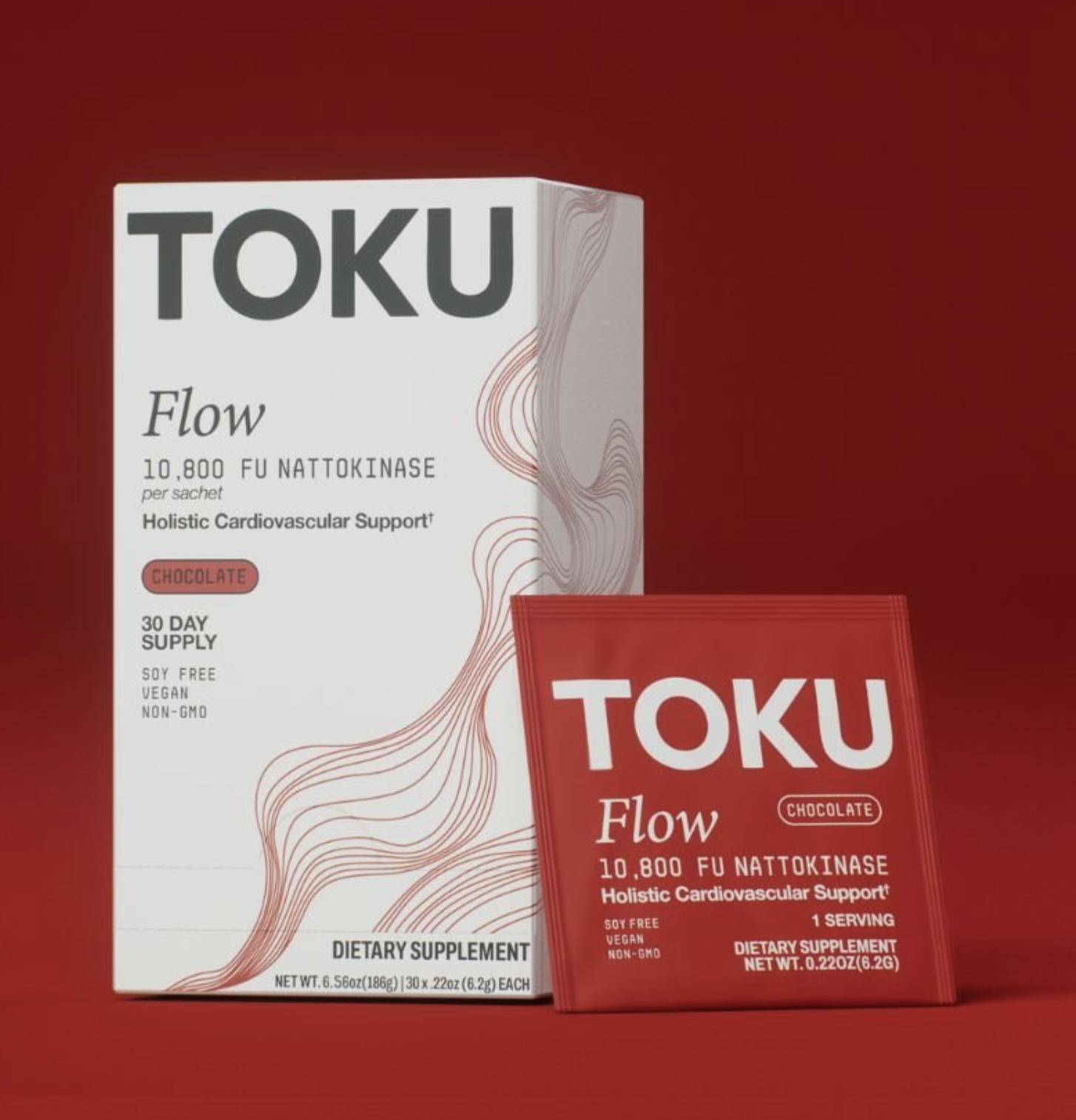
4. Nattokinase and Vitamin K2 (Toku Flow): Advanced Cardiovascular Support
For individuals on a ketogenic diet, maintaining optimal cardiovascular health and efficient circulation is paramount. Nattokinase, an enzyme derived from natto (a traditional Japanese fermented soybean dish), combined with Vitamin K2, offers targeted support for this crucial system.
- Mechanism of Action: Nattokinase is renowned for its fibrinolytic properties, meaning it helps break down fibrin, a protein involved in blood clot formation. This action promotes smoother blood flow and reduces the risk of excessive clotting. Vitamin K2, particularly the MK-7 form, plays a critical role in calcium metabolism, directing calcium away from arteries (where it can contribute to plaque formation) and into bones.
- Benefits:
- Improved Blood Flow: Nattokinase directly supports clear and efficient blood circulation, ensuring vital nutrients reach tissues and metabolic waste is effectively removed.
- Arterial Health: A significant 12-month clinical study involving over 1,000 participants demonstrated that a daily dose of 10,800 FU of nattokinase combined with 180 mcg of Vitamin K2 led to remarkable improvements, including a 39.1% improvement in coronary plaque health, a 25% increase in carotid artery flexibility, and reductions in total cholesterol and triglycerides. These findings underscore its potential for long-term cardiovascular protection.
- Metabolic Synergy: For keto dieters, enhanced circulation ensures efficient transport of ketones and fats, supporting the overall metabolic shift and long-term vitality.
- Dosage and Considerations: The clinically studied dose of nattokinase (10,800 FU) and Vitamin K2 (180 mcg) provides a clear benchmark. Due to nattokinase’s anticoagulant properties, individuals on blood-thinning medications should consult their physician before supplementation.
5. Electrolytes: Counteracting Keto Flu and Maintaining Homeostasis
Electrolytes are essential minerals—primarily sodium, potassium, magnesium, and calcium—that carry an electric charge and are vital for numerous bodily functions, including nerve impulses, muscle contraction, hydration, and pH balance. On a ketogenic diet, the body’s electrolyte balance is particularly vulnerable.
- Mechanism of Loss: As insulin levels decrease on a low-carb diet, the kidneys excrete more sodium and, consequently, more water. This increased fluid excretion can lead to a rapid depletion of other essential electrolytes.
- Symptoms of Imbalance: Electrolyte deficiencies are the primary cause of "keto flu" symptoms, including muscle cramps, fatigue, headaches, dizziness, and digestive issues like constipation.
- Benefits:
- Keto Flu Mitigation: Replenishing lost electrolytes directly addresses the root cause of many keto flu symptoms, easing the transition into ketosis.
- Hydration and Fluid Balance: Proper electrolyte levels are critical for maintaining optimal hydration and preventing dehydration.
- Nerve and Muscle Function: Ensures proper nerve signal transmission and efficient muscle contraction, preventing cramps and weakness.
- Recommended Intake and Sources:
- Sodium: The upper recommended limit is typically 2,300 mg per day, though active individuals on keto may require more. High-quality salt (e.g., Himalayan pink salt) is a good source.
- Potassium: Recommended daily intake is 3,400 mg for adult males and 2,600 mg for adult females. Food sources include avocados, leafy greens, and salmon.
- Magnesium: Critical for over 300 enzymatic reactions. Aim for 300-400 mg daily. Food sources include nuts, seeds, and leafy greens.
- Calcium: Important for bone health.
- Considerations: Individuals with kidney disease or high blood pressure should consult a doctor before increasing electrolyte intake, as excessive levels can pose health risks. Alcohol consumption can exacerbate electrolyte loss, necessitating extra vigilance.
6. Omega-3 Fatty Acids (Fish or Krill Oil): Essential for Metabolic Balance
Omega-3 fatty acids, particularly eicosapentaenoic acid (EPA) and docosahexaenoic acid (DHA), are polyunsaturated fats crucial for cardiovascular health, brain function, and systemic inflammation control. While the ketogenic diet is high in fats, it’s important to ensure a healthy balance of omega-3 to omega-6 fatty acids.
- Mechanism of Action: Omega-3s are precursors to potent anti-inflammatory molecules (resolvins, protectins). They also play a role in cell membrane structure and function, influencing cellular signaling and gene expression.
- Benefits:
- Anti-inflammatory Effects: Helps balance the inflammatory response, which is crucial for overall health and can be particularly relevant on diets that might inadvertently increase omega-6 intake (from nuts, seeds, and some oils). A balanced omega-3 to omega-6 ratio (ideally 1:1 to 1:4) is vital for minimizing chronic inflammation.
- Cardiovascular Health: Supports healthy cholesterol levels, reduces triglyceride levels, and promotes arterial flexibility.
- Brain Health: DHA is a major structural component of the brain and retina, essential for cognitive function and neurological development.
- Metabolic Health: Contributes to insulin sensitivity and overall metabolic efficiency.
- Sources and Dosage: Fatty fish like salmon, mackerel, and sardines are excellent dietary sources. Supplements like fish oil or krill oil provide concentrated EPA and DHA. Krill oil often contains astaxanthin, a powerful antioxidant that protects the omega-3s from oxidation and may enhance their bioavailability. For general health, 250-500 mg of combined EPA and DHA daily is recommended, with 1,000-3,000 mg offering additional benefits for specific health goals.
7. Protein Powders: Muscle Preservation and Satiety
Maintaining adequate protein intake is critical on a ketogenic diet for preserving lean muscle mass, supporting post-exercise recovery, and promoting satiety. While the keto diet emphasizes fat, insufficient protein can lead to muscle loss and hinder metabolic adaptation.
- Mechanism of Action: Protein provides essential amino acids, the building blocks for muscle repair, enzyme synthesis, and numerous other physiological processes. Adequate protein intake helps prevent gluconeogenesis (the conversion of amino acids to glucose) from breaking down muscle tissue, especially during the initial phases of ketosis.
- Benefits:
- Muscle Maintenance and Growth: Essential for repairing muscle tissue after exercise and supporting muscle protein synthesis.
- Satiety: Protein is highly satiating, helping to control appetite and prevent overeating, which is beneficial for weight management.
- Metabolic Support: Contributes to a healthy metabolism and helps regulate blood sugar.
- Types and Dosage:
- Whey Protein Isolate: Digests quickly, making it ideal for post-workout recovery. Look for low-carb, unsweetened varieties.
- Collagen Peptides: As discussed, offer benefits for connective tissue and gut health.
- Plant-Based Proteins: Options like pea, hemp, or rice protein can be suitable for those avoiding dairy or animal products.
- Dosage: Experts generally recommend 1.2-2.0 grams of protein per kilogram of body weight daily, depending on activity level and goals. Aim for 20-40 grams within one to two hours after exercise.
- Selection Criteria: Choose low-carb, unsweetened formulas without artificial fillers or added sugars to maintain ketosis.
8. Nootropic Blends: Enhancing Cognitive Function
Many individuals report enhanced mental clarity and focus after becoming keto-adapted, potentially due to the brain’s efficient utilization of ketones and reduced inflammation. Nootropic blends, often termed "smart drugs," can further amplify these cognitive benefits.
- Mechanism of Action: Nootropics typically contain compounds designed to improve various aspects of cognitive function, such as memory, focus, and mental energy. Common ingredients include L-theanine (promotes calm focus), ginkgo biloba (improves blood flow to the brain), green tea extract (contains caffeine and L-theanine), DHA (brain structural component), and MCTs (brain fuel).
- Benefits:
- Improved Focus and Concentration: Can help sustain attention and reduce mental fatigue.
- Enhanced Memory: Certain nootropics may support neuroplasticity and memory recall.
- Increased Mental Energy: Provides a sustained cognitive boost without the jitters associated with excessive caffeine.
- Considerations: While anecdotal evidence and some preliminary studies are promising, the scientific evidence for many nootropic blends is still evolving, and individual responses can vary significantly. Look for blends that combine well-researched ingredients, ideally those that complement the ketogenic state, such as exogenous ketones and MCTs.
Navigating the Supplement Landscape: Safety and Quality
The supplement industry operates under a different regulatory framework than pharmaceuticals. In the United States, the Food and Drug Administration (FDA) does not approve dietary supplements before they are marketed. This places a significant responsibility on consumers to choose products wisely.
-
Quality Indicators:
- Third-Party Testing: Look for certifications from independent organizations like NSF International, USP (U.S. Pharmacopeia), or ConsumerLab. These certifications verify product purity, potency, and absence of contaminants.
- Certificates of Analysis (COA): Reputable brands often provide COAs, which are laboratory reports detailing the ingredients and their quantities, confirming the product matches its label claims.
- Transparent Ingredient Lists: Avoid proprietary blends that do not disclose the amounts of individual ingredients.
- Absence of Fillers and Artificial Ingredients: Opt for products free from artificial colors, flavors, sweeteners (unless keto-friendly like stevia or monk fruit), and unnecessary binders or fillers.
- Reputable Brands: Choose established brands with a history of quality and positive customer reviews.
-
Safety Considerations:
- Consult a Healthcare Professional: Always consult your physician or a registered dietitian before starting any new supplement, especially if you have pre-existing health conditions (e.g., kidney disease, heart conditions, diabetes) or are taking medications.
- Dosage Adherence: Stick to recommended dosages. More is not always better and can lead to adverse effects.
- Potential Side Effects: While generally mild, some supplements can cause digestive upset (e.g., high doses of MCTs or exogenous ketones), especially during initial use. Electrolyte imbalances can occur if intake is too high or too low.
- Drug Interactions: Electrolyte supplements can interact with medications for blood pressure or kidney function. Nattokinase, due to its fibrinolytic activity, should not be taken with anticoagulant drugs (blood thinners) without medical supervision. Blood sugar-lowering supplements can interact with diabetes medications.
- Prioritize Whole Foods: Supplements are intended to supplement a healthy diet, not replace nutrient-dense whole foods. A well-formulated ketogenic diet should be the foundation.
The Bottom Line
While not strictly necessary for everyone on a ketogenic diet, strategic supplementation can be a powerful tool to enhance the experience, support adaptation, and ensure long-term well-being. By addressing potential nutrient deficiencies, mitigating uncomfortable transition symptoms, and optimizing metabolic processes, the right supplements can simplify the ketogenic lifestyle, support physical performance, and contribute to sustained energy and mental clarity. However, their efficacy is maximized when integrated into a holistic approach that prioritizes a nutrient-dense diet, regular physical activity, and consistent healthy habits. Informed selection, based on quality, transparency, and professional guidance, remains paramount to harnessing the full potential of these valuable adjuncts.