

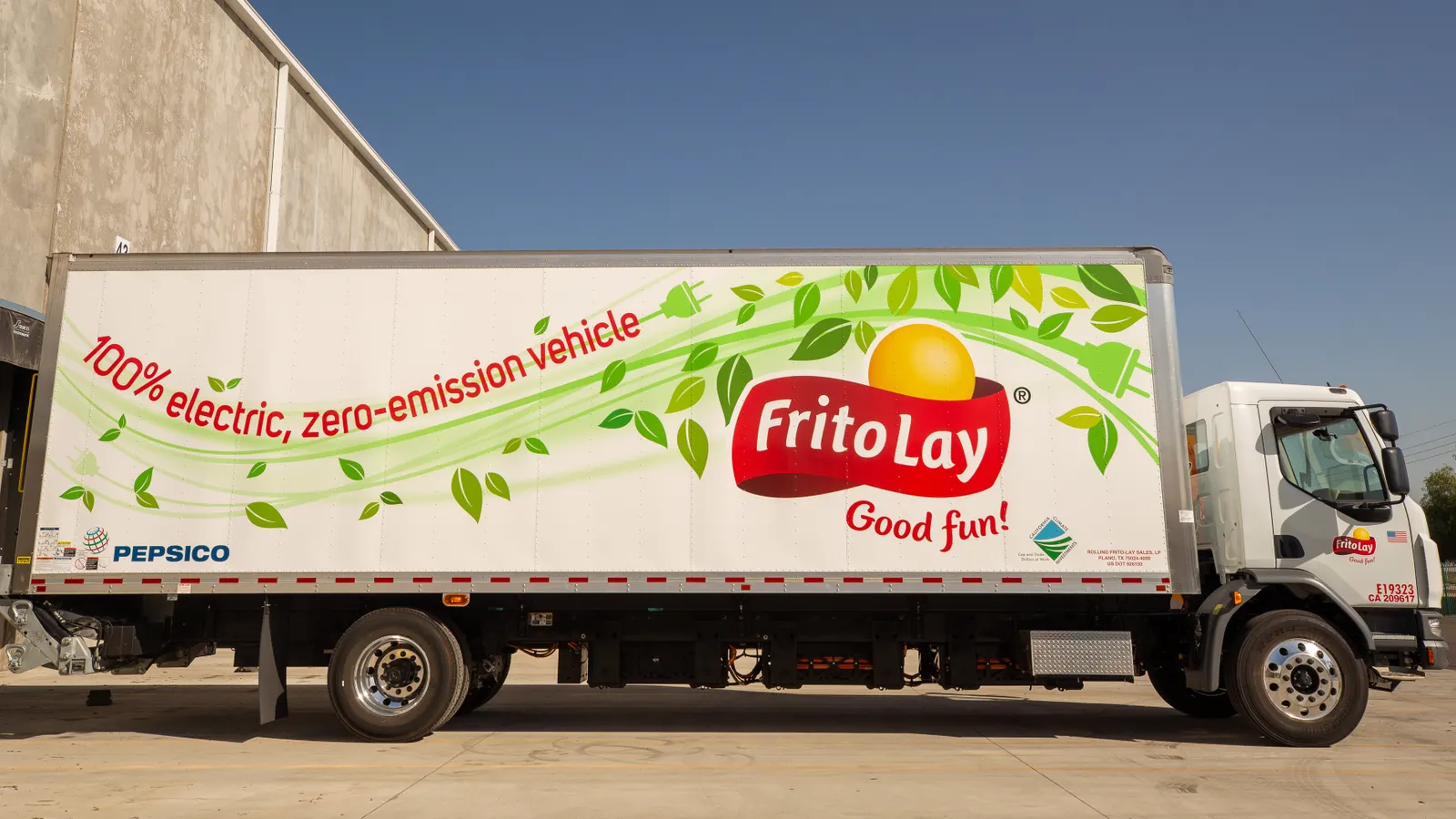
PepsiCo is set to shutter its Frito-Lay distribution facility in Rancho Cucamonga, California, on June 6, a move that will result in the layoff of 248 employees. This closure marks the latest instance of the global food and beverage giant streamlining its operations to align production and distribution with evolving consumer purchasing habits and economic pressures. The decision underscores a broader trend within the snack industry as companies adapt to a marketplace influenced by inflation, a growing preference for healthier options, and strategic portfolio adjustments.
Rancho Cucamonga Facility Closure and Workforce Impact
The Rancho Cucamonga distribution plant, a key node in Frito-Lay’s extensive network, was initially slated to cease manufacturing operations in 2025, with distribution and warehousing activities continuing at the site. However, PepsiCo has accelerated its plans, announcing the complete cessation of all operations at the facility by June 6. In a mandatory Worker Adjustment and Retraining Notification (WARN) filing with the state of California, PepsiCo cited the closure, which will directly impact 248 workers.
A spokesperson for PepsiCo stated to Food Dive that the company intends to consolidate these operations into a "new distribution center in the local community." This strategic relocation aims to optimize service for customers and consumers while acknowledging the workforce disruption caused by the closure. The exact location and timeline for the new distribution center have not been publicly disclosed.
A Pattern of Consolidation: Previous Plant Closures
The Rancho Cucamonga closure is not an isolated event for PepsiCo. Over the past year, the company has undertaken a series of facility consolidations and closures across its network. Notable examples include the shutdown of snacking facilities in Florida and New York. These actions are indicative of a larger strategic imperative for PepsiCo to rationalize its operational footprint, enhance efficiency, and better position itself for future growth in a dynamic market.
The closures are reportedly a response to a confluence of factors, including softening demand for certain product lines and a broader effort to optimize the company’s supply chain and manufacturing capabilities. By consolidating operations, PepsiCo aims to reduce overhead, improve logistical efficiency, and adapt its production capacity to meet current market realities.
Shifting Consumer Preferences and Economic Headwinds
The demand for Frito-Lay’s iconic snack portfolio has faced headwinds as consumers grapple with persistent inflation. Rising costs for essential goods have led many households to re-evaluate discretionary spending, including snack purchases. This economic pressure has prompted consumers to become more price-conscious and, in some cases, to reduce the quantity of non-essential items they buy.
Beyond economic factors, Frito-Lay’s product categories are also contending with a significant consumer shift towards healthier eating habits. A growing segment of the population is actively seeking out snacks made with recognizable, natural ingredients, often prioritizing options that are perceived as more nutritious. This trend presents a challenge for traditional snack brands, many of which are rooted in processed ingredients and may not align with these evolving dietary preferences.
Financial Performance and Strategic Realignments
PepsiCo’s recent financial reports reflect these market dynamics. During its most recent earnings call for fiscal year 2025, the company disclosed a 2% decline in both volume and organic revenue within its North American food division. This slowdown in consumer purchasing and revenue growth has prompted PepsiCo to implement a series of strategic measures aimed at stimulating growth and enhancing the appeal of its product offerings.
In response to the deceleration in consumer spending and pressure from activist investors, PepsiCo announced in December a multi-pronged strategy. This included price reductions on certain products and a deliberate effort to streamline its extensive product catalog. By reducing the number of SKUs, the company aims to simplify its operations, improve inventory management, and focus resources on its most popular and profitable items. This approach also seeks to offer consumers greater value and clarity in a challenging economic environment.
Embracing Health and Wellness: Product Innovation
In parallel with its cost-saving and operational efficiency initiatives, PepsiCo is actively investing in product innovation to cater to the growing demand for healthier snack options. The company has made a conscious effort to develop and promote snacks with improved nutritional profiles.
Last year, PepsiCo highlighted its commitment to this trend by announcing the rollout of Cheetos and Doritos varieties formulated without artificial dyes. This move directly addresses consumer concerns about artificial ingredients and signals a broader commitment to reformulating existing products and introducing new ones that meet higher health standards. Furthermore, the company has committed to expanding its snack offerings with a focus on incorporating additional protein, fiber, and whole grains. These initiatives are designed to appeal to a health-conscious consumer base and to diversify Frito-Lay’s appeal beyond its traditional product lines.
The Broader Implications for the Snack Industry
The actions taken by PepsiCo, including the Rancho Cucamonga plant closure, are symptomatic of a broader transformation occurring within the packaged food and snack industry. Companies are navigating a complex landscape where economic pressures intersect with fundamental shifts in consumer values and health consciousness.
For distribution and manufacturing facilities, this era of change necessitates agility and strategic foresight. Plant closures, while often a difficult but necessary step for operational efficiency, have tangible impacts on local economies and workforces. The trend towards consolidation suggests a future where supply chains are more optimized, with fewer, more strategically located hubs handling larger volumes.
The emphasis on healthier alternatives and transparent ingredient lists indicates a permanent shift in consumer expectations. Companies that fail to adapt to these demands risk losing market share to both established competitors and emerging brands that are more closely aligned with contemporary wellness trends. PepsiCo’s dual strategy of operational streamlining and product innovation—focusing on both efficiency and evolving consumer preferences—reflects a comprehensive approach to maintaining its market leadership in a rapidly changing environment. The success of these initiatives will be closely watched as the company works to secure its long-term growth trajectory.