

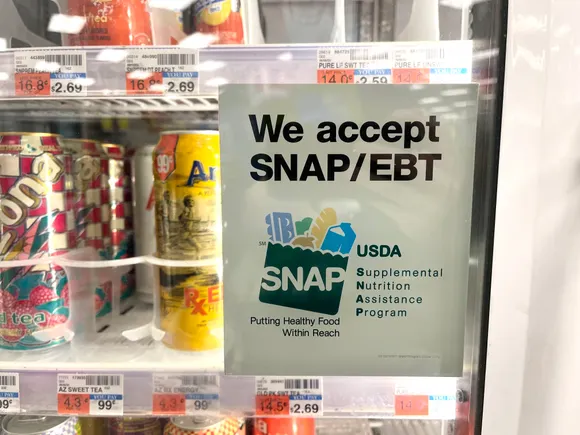
As an increasing number of states move to restrict the purchase of certain items, including candy and soda, using food assistance benefits, the food and beverage industry is proactively preparing for potential shifts in consumer spending and sales figures. The implementation of these new regulations under the Supplemental Nutrition Assistance Program (SNAP) marks a significant policy change with direct implications for manufacturers and retailers alike, prompting a period of watchful observation and strategic recalidation.
Evolving Landscape of SNAP Benefit Utilization
The core of this developing situation lies in the evolving rules governing how SNAP benefits can be utilized. Historically, SNAP has provided a vital safety net for millions of Americans, offering financial assistance for purchasing a wide range of groceries. However, a growing movement, now gaining traction at the state level and supported by federal waivers, aims to direct these benefits towards more nutritionally dense foods, thereby limiting their use for what are often categorized as discretionary or less healthy options.
As of recent reports, 18 states have successfully obtained approval from the Trump administration to implement these purchasing restrictions. The primary focus of these bans is on soft drinks and other beverages with added sugars, commonly referred to as "sweetened beverages." Beyond drinks, some states have also extended these limitations to encompass candy and pre-prepared desserts, aiming to further steer beneficiaries towards more nutritious food choices. This policy shift represents a significant departure from previous SNAP guidelines, which generally afforded beneficiaries more latitude in their purchasing decisions within the broad category of eligible food items.
Economic Ramifications for the Grocery Sector
The economic significance of SNAP in the broader grocery market cannot be understated. According to data compiled by the National Grocers Association, SNAP benefits constitute approximately 12% of total grocery spending. This substantial share means that any alteration in purchasing patterns, whether through benefit restrictions or other policy changes, is poised to have a considerable impact on sales volumes and revenue streams for a wide array of food and beverage producers and retailers.
Furthermore, consumer behavior studies highlight the sensitivity of SNAP recipients to changes in benefit utilization. A survey conducted by NielsenIQ last year revealed that nearly one-third of consumers indicated they would reduce their overall food purchases in response to perceived limitations or reductions in SNAP benefits. This suggests that beyond the direct restriction on specific product categories, broader anxieties or adjustments related to benefit accessibility could lead to a more generalized decrease in food spending among this demographic.
Industry Response: Monitoring and Adaptation
In light of these impending changes, major players in the candy and soda manufacturing sectors are closely monitoring the unfolding situation. Their strategies are currently focused on understanding the granular details of how these bans are being implemented by various retailers and across different states. The inherent variability in how "candy" and "soda" are defined by each state introduces an additional layer of complexity, creating a dynamic and sometimes confusing rollout process that requires careful navigation.
Leading companies such as Hershey and Keurig Dr Pepper have publicly acknowledged that it is still premature to quantify the precise financial impact of these SNAP restrictions on their quarterly earnings. While eight states have already put these measures into effect, the remaining states are slated to implement their respective bans later in the current year, indicating an ongoing and phased transition.
Hershey, for instance, is actively engaged in dialogue with retailers to gain a comprehensive understanding of how these new regulations are manifesting on store shelves and influencing shopper choices. Steven Voskuil, the Chief Financial Officer of Hershey, articulated the company’s proactive approach, stating, "We’re trying to predict different ways it could play out. And then how our portfolio can play offense against some of those challenges." This sentiment underscores a commitment to not only understanding the potential downsides but also identifying opportunities for product adaptation and marketing strategies that can mitigate negative impacts.
Navigating "Mixed Signals" and Shifting Consumer Habits
Keurig Dr Pepper, a significant entity in the beverage market, has reported experiencing "mixed signals" from the states that have already enacted these SNAP restrictions, according to CEO Timothy Cofer. While acknowledging the policy changes, Cofer expressed a degree of optimism regarding soda consumption, predicting that overall demand may remain relatively stable. His reasoning is rooted in the observation that SNAP recipients often supplement their benefits with personal funds to cover their grocery expenses.
"SNAP recipients fund their grocery bills through a combination of SNAP benefits and their own money," Cofer explained. "And so we’ve seen that there is often a reallocation, kind of left-pocket, right-pocket as it relates to that." This suggests a potential scenario where consumers might shift their personal funds to cover the cost of restricted items, thereby maintaining their purchasing habits for these products, albeit with a different allocation of financial resources.
However, Keurig Dr Pepper’s concerns extend beyond the direct restrictions on specific product categories. The company is reportedly more apprehensive about other potential changes to SNAP that could lead to a broader reduction in overall benefit levels. Policy discussions surrounding new work requirements or citizenship stipulations for SNAP eligibility could potentially result in millions of individuals losing access to the program. Such a scenario, Cofer indicated, would likely have a more profound and widespread impact on overall grocery spending.
"If there are meaningful changes in the magnitude of SNAP benefits in aggregate, that can be more impactful on certain grocery purchasing power for consumers and can merit some trade-off decisions," Cofer elaborated, highlighting the broader systemic risks associated with significant alterations to the SNAP program’s scope and funding.
Historical Precedents and Strategic Adjustments
The sensitivity of companies to changes in SNAP benefits is not a new phenomenon. J&J Snack Foods, the producer of popular brands like Icee and Superpretzel, reported a tangible impact on its sales during a temporary pause in SNAP benefits that occurred during a government shutdown in November. The company characterized this period as leading to a "dip in dollar sales," illustrating the immediate and discernible effect that even short-term disruptions in benefit disbursement can have on consumer purchasing power and corporate revenue.
As more states prepare to implement these targeted restrictions throughout the year, companies are actively strategizing to adapt. A key focus of these preparations is on reinforcing affordability. Keurig, for example, is reportedly exploring options such as introducing new packaging sizes, including value packs, and implementing targeted promotions to make their products more accessible and appealing to a broader range of consumers, including those who may be affected by the SNAP restrictions.
"I think the overall impact on the business is going to be manageable, and you should expect us to respond as we learn more," Cofer concluded, signaling a confident yet cautious approach to navigating the evolving regulatory environment. This period of adjustment highlights the intricate interplay between public policy, consumer behavior, and corporate strategy within the vital sector of food and beverage provision. The long-term implications will likely depend on the sustained implementation of these policies, the adaptive capacity of consumers, and the strategic responses of the industry.