

As individuals navigate the complexities of aging, particularly after the age of 55, maintaining a healthy metabolism, preserving muscle mass, and effectively managing weight become increasingly pertinent health goals. Far from being a source of guilt, a strategically chosen bedtime snack can serve as a powerful tool in achieving these objectives, transforming the late-night munchies into an opportunity for nutritional support. According to Tara Collingwood, MS, RDN, CSSD, LD/N, ACSM-CPT, a Board Certified Sports Dietitian and co-author of the Flat Belly Cookbook for Dummies, "After 55, muscle loss and blood sugar fluctuations can make weight management harder. A protein and fiber-rich bedtime snack supports muscle maintenance, better sleep, and appetite control, all of which contribute to fat loss over time." While it is crucial to understand that no food possesses an inherent ability to "burn fat overnight," the right selection of pre-sleep nourishment can profoundly influence critical physiological processes such as muscle repair, metabolic rate, blood sugar stabilization, and sleep quality, all of which are inextricably linked to sustainable fat loss and overall well-being. This expert-backed approach underscores a paradigm shift from restrictive eating to intelligent nutritional choices that support the body’s natural rhythms and age-related needs.
The physiological landscape of the human body undergoes significant transformations past the fifth decade of life. A primary concern for those over 55 is sarcopenia, the progressive and generalized loss of skeletal muscle mass and strength. This natural process typically begins around age 30, with adults losing an estimated 3-8% of their muscle mass per decade, accelerating after age 50. Muscle tissue is metabolically active, meaning it burns more calories at rest than fat tissue. Consequently, a decline in muscle mass directly contributes to a reduction in basal metabolic rate (BMR), making weight management more challenging. Furthermore, aging can impact insulin sensitivity, leading to greater fluctuations in blood sugar levels. Unstable blood sugar not only contributes to energy dips and increased cravings but can also promote fat storage. Sleep quality, often disrupted in older adults, plays a pivotal role in hormonal regulation, influencing appetite-controlling hormones like ghrelin and leptin, and the stress hormone cortisol, all of which can impact metabolism and weight. Prioritizing protein intake becomes paramount for older adults to counteract muscle loss, as protein provides the essential amino acids necessary for muscle protein synthesis (MPS). Fiber, another crucial macronutrient, aids in satiety, promotes digestive health, and helps stabilize blood sugar by slowing down glucose absorption. By strategically combining these elements in a bedtime snack, individuals can leverage their sleep hours for recovery and metabolic support.
Greek Yogurt with Chia or Flax Seeds: A Synergistic Powerhouse
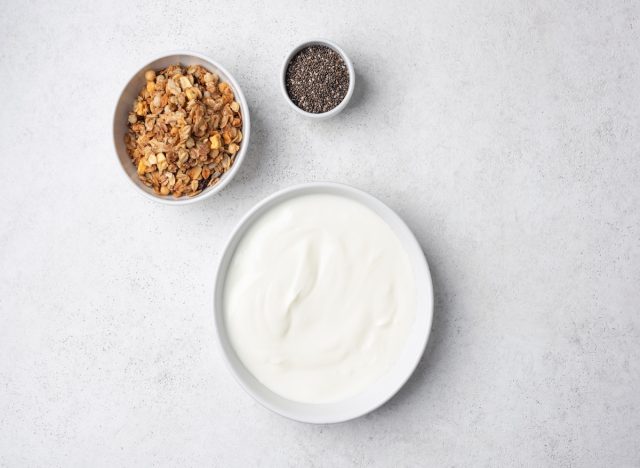
The first recommendation from Ms. Collingwood is Greek yogurt paired with chia or flax seeds, a combination that exemplifies a potent synergy of nutrients tailored for the aging body. Greek yogurt stands out for its exceptional protein content, often double that of regular yogurt. This protein is primarily composed of casein, a slow-digesting protein that provides a sustained release of amino acids into the bloodstream over several hours. This prolonged delivery is particularly beneficial during the overnight fasting period, supporting continuous muscle protein synthesis and repair, thereby helping to mitigate age-related muscle loss. Beyond its muscle-preserving qualities, Greek yogurt also offers a significant dose of probiotics, beneficial bacteria that contribute to a healthy gut microbiome. A balanced gut microbiota is increasingly recognized for its role in metabolic health, influencing nutrient absorption, energy expenditure, and even mood. Furthermore, Greek yogurt is an excellent source of calcium, crucial for maintaining bone density, a critical consideration for older adults susceptible to osteoporosis.

Incorporating chia or flax seeds elevates this snack’s nutritional profile significantly. Both seeds are renowned for their rich fiber content, which is vital for stabilizing blood sugar levels throughout the night. Fiber slows down digestion and the absorption of glucose, preventing sharp spikes and subsequent crashes that can disrupt sleep and lead to morning hunger. Chia seeds are particularly high in soluble fiber, which forms a gel-like substance in the digestive tract, contributing to feelings of fullness and aiding in appetite control. Flax seeds, on the other hand, are an excellent source of lignans, plant compounds with antioxidant properties, and alpha-linolenic acid (ALA), a plant-based omega-3 fatty acid. Omega-3s are known for their anti-inflammatory effects, which can benefit overall health and potentially support metabolic function. The combination of protein from Greek yogurt and the diverse fiber and healthy fats from the seeds creates a robust snack that promotes satiety, supports overnight muscle maintenance, and ensures steady blood sugar, all contributing to a favorable metabolic environment.
Cottage Cheese with Berries: Slow-Release Protein and Antioxidant Boost
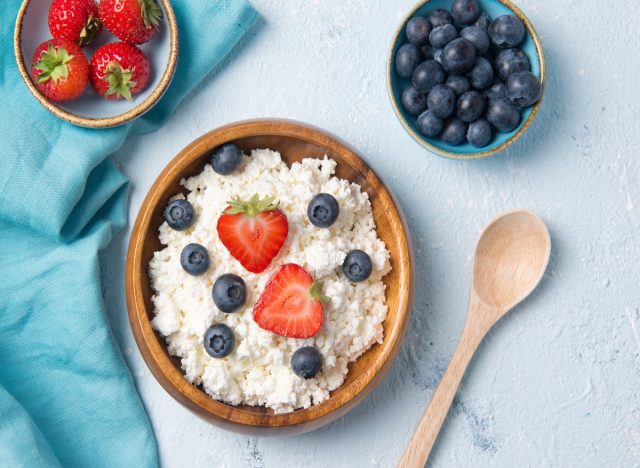
Ms. Collingwood’s second pick, cottage cheese with berries, offers a similar yet distinct set of advantages, particularly emphasizing slow-digesting protein and a powerful antioxidant punch. Cottage cheese is another dairy champion, lauded for its high casein protein content. Like Greek yogurt, the slow-digesting nature of casein makes it an ideal choice for a bedtime snack, as it provides a steady supply of amino acids to muscles throughout the night, aiding in repair and growth. This sustained protein delivery is especially significant for older individuals, where preserving lean muscle mass is a cornerstone of maintaining a healthy metabolism and facilitating fat loss over time. Beyond protein, cottage cheese also provides essential micronutrients such as selenium, important for thyroid function and antioxidant defense, and vitamin B12, crucial for nerve function and red blood cell formation, both vital for overall vitality in later life.
Pairing cottage cheese with berries introduces a wealth of benefits without adding excessive sugars that could counteract the blood sugar stabilizing effects. Berries—such as blueberries, raspberries, and strawberries—are celebrated for their high antioxidant content, particularly anthocyanins, which give them their vibrant colors. These antioxidants combat oxidative stress and inflammation, processes that contribute to cellular aging and various chronic diseases. Furthermore, berries are low in calories and sugar relative to their high fiber content. The fiber in berries complements the protein in cottage cheese, further enhancing satiety and contributing to stable blood glucose levels. For example, raspberries are particularly high in fiber, while blueberries are often highlighted for their potential cognitive benefits. This snack provides a nutrient-dense option that supports muscle repair, offers protective antioxidants, and promotes stable energy levels, making it an excellent choice for evening consumption.
A Small Protein Smoothie: Digestibility and Nutrient Customization
For those who prefer a lighter, more easily digestible option before bed, a small protein smoothie emerges as an excellent recommendation. As Ms. Collingwood notes, "A light smoothie with protein powder, milk or soy milk, and fiber-rich ingredients can support muscle recovery overnight without feeling heavy before bed. This works well for people who don’t want to chew late at night." The liquid form allows for quick absorption and minimizes potential digestive discomfort, which can be a concern for some individuals closer to bedtime. The key to an effective bedtime smoothie lies in its composition.
The choice of protein powder is crucial. Whey protein, derived from milk, is rapidly absorbed and rich in branched-chain amino acids (BCAAs), making it excellent for immediate muscle repair post-workout. However, for a bedtime snack, a blend containing casein or a plant-based protein like soy or pea protein might be more advantageous due to their slower digestion rates, providing a sustained amino acid release. Soy protein offers a complete amino acid profile and isoflavones with potential health benefits, while pea protein is a popular hypoallergenic alternative. The liquid base, whether cow’s milk or a plant-based alternative like soy milk, almond milk, or oat milk, contributes additional protein, calcium, and often vitamin D, which is essential for bone health and immune function, especially for older adults. To further enhance the smoothie’s benefits, incorporating fiber-rich ingredients is key. A handful of spinach or kale can add vitamins, minerals, and fiber without significantly altering the taste. A small amount of avocado can provide healthy monounsaturated fats and additional fiber, contributing to satiety. A few berries can add natural sweetness, fiber, and antioxidants. The beauty of a smoothie lies in its customizability, allowing individuals to tailor it to their taste preferences and nutritional needs while ensuring it remains "small" and "light" to support rather than hinder sleep.
Apple Slices with Nut Butter: Balancing Fiber, Protein, and Healthy Fats
Apple slices with nut butter represent another excellent choice for a pre-bedtime snack, offering a harmonious blend of fiber, protein, and healthy fats. Ms. Collingwood highlights its efficacy: "Fiber from fruit paired with protein and healthy fats helps prevent nighttime blood sugar dips that can disrupt sleep and lead to next-day cravings. Sleep quality and blood sugar stability are key to weight management." This snack leverages the distinct nutritional advantages of both components to create a balanced and satisfying option.
Apples are a rich source of dietary fiber, particularly pectin, a soluble fiber known for its ability to promote satiety, regulate digestion, and help stabilize blood sugar by slowing down the absorption of glucose. They also provide antioxidants like quercetin, which has anti-inflammatory properties, and various vitamins, including vitamin C. The crunch of an apple can also be psychologically satisfying. When paired with nut butter, the nutritional profile is significantly enhanced. Nut butters, such as almond, peanut, or cashew butter, are powerhouses of healthy fats, primarily monounsaturated and polyunsaturated fats, which are beneficial for heart health and can contribute to feelings of fullness. They also contain a good amount of protein and fiber, further aiding in satiety and blood sugar control. Additionally, nut butters are sources of essential vitamins and minerals, including vitamin E (an antioxidant), B vitamins, magnesium (important for muscle and nerve function, and sleep), and zinc. For instance, almond butter is particularly rich in magnesium, which can support relaxation and sleep quality. The combination of the apple’s natural sugars and fiber with the protein and fats from nut butter ensures a gradual release of energy, preventing the sharp blood sugar fluctuations that can disturb sleep and trigger undesirable cravings the following day. This makes it an ideal snack for maintaining metabolic balance throughout the night.
Handful of Nuts with a Protein Source: Nutrient Density and Satiety
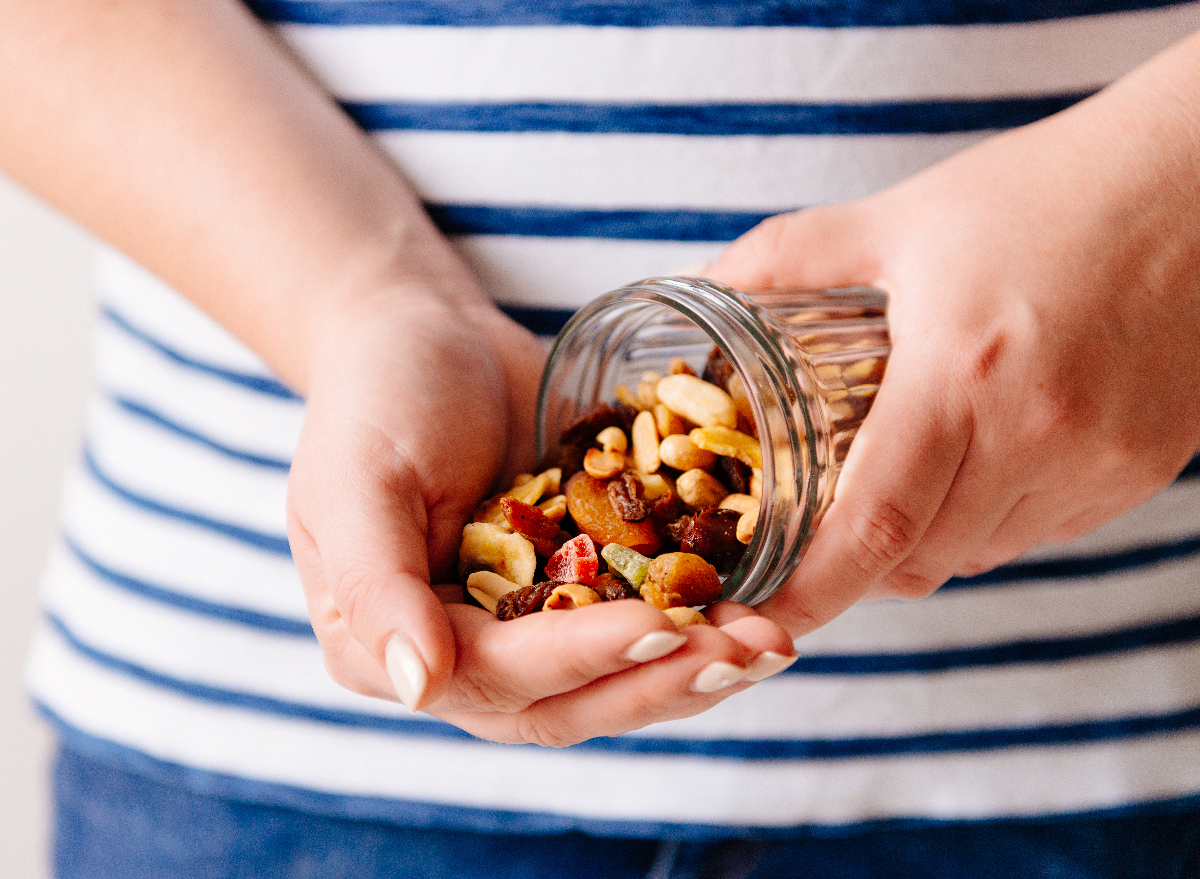
Finally, a handful of nuts paired with an additional protein source provides a nutrient-dense and highly satisfying option for a pre-bedtime snack. Ms. Collingwood advises, "Nuts provide healthy fats and some fiber, but pairing them with a protein source like yogurt or milk helps keep the snack balanced and more filling. Portion control matters here, small but satisfying." This recommendation emphasizes the importance of a balanced macronutrient profile to maximize benefits while managing calorie intake.
Nuts are celebrated for their impressive nutritional density. They are packed with healthy fats, including monounsaturated and polyunsaturated varieties, which contribute to heart health and satiety. Different nuts offer unique benefits: walnuts are an excellent source of omega-3 fatty acids (ALA); almonds are rich in magnesium, which can promote relaxation and better sleep; and pistachios contain a notable amount of melatonin, a hormone that regulates sleep-wake cycles. Beyond fats, nuts also provide fiber, plant-based protein, and a spectrum of vitamins and minerals, including vitamin E, B vitamins, and trace elements like selenium and zinc. However, due to their high calorie density, portion control is paramount—a small handful (approximately 1/4 cup) is usually sufficient.
To create a more complete and satisfying bedtime snack, pairing this handful of nuts with an additional protein source is key. This could be a small serving of cottage cheese, Greek yogurt, or a glass of milk (dairy or fortified plant-based). Alternatively, a small piece of lean protein like a few slices of turkey breast or a hard-boiled egg can also serve as an excellent complement, providing a more substantial protein boost. This combination ensures a balanced intake of healthy fats, fiber, and protein, working synergistically to promote sustained satiety, support muscle repair, and maintain stable blood sugar levels throughout the night. The careful balance of these macronutrients helps prevent hunger pangs that might disrupt sleep and contributes to a favorable metabolic state for fat loss and overall health in individuals over 55.
Broader Impact and Implications for Healthy Aging

The strategic incorporation of these expert-recommended bedtime snacks into the daily routine of individuals over 55 extends far beyond mere weight management. These dietary choices represent a proactive approach to mitigating some of the most common challenges associated with aging, leading to significant long-term health benefits and an enhanced quality of life.
By consistently supporting muscle maintenance through adequate protein intake, individuals can effectively combat sarcopenia, which is not just about aesthetics but profoundly impacts functional independence. Preserving lean muscle mass helps maintain strength, mobility, and balance, reducing the risk of falls and allowing older adults to engage more fully in daily activities and maintain an active lifestyle. This, in turn, can contribute to improved cardiovascular health and reduced risk of chronic diseases.
Furthermore, the emphasis on blood sugar stabilization through fiber and balanced macronutrients has crucial implications for preventing or managing conditions like Type 2 diabetes, which becomes more prevalent with age. Stable blood sugar levels reduce inflammation, support pancreatic health, and prevent the energy crashes that can lead to unhealthy food choices. The improved sleep quality fostered by these snacks is equally vital. Adequate and restful sleep is not just about feeling refreshed; it is fundamental for hormonal balance, immune function, cognitive health, and emotional well-being. Chronic sleep deprivation can exacerbate insulin resistance, increase cortisol levels (promoting belly fat storage), and disrupt ghrelin and leptin, leading to increased appetite and cravings. Thus, a bedtime snack that supports better sleep indirectly contributes to a healthier metabolic profile and easier weight management.
Ultimately, these nutritional strategies form part of a holistic approach to healthy aging. While diet is a cornerstone, it is most effective when integrated with other healthy lifestyle practices, including regular physical activity—especially resistance training to stimulate muscle growth—and adequate hydration. Consulting with a healthcare professional or a registered dietitian is always recommended, particularly for individuals with pre-existing health conditions or specific dietary restrictions. Personalized advice can ensure that these general recommendations are tailored to individual needs, maximizing their benefits.
In conclusion, for those over 55, the evening snack need not be an indulgence to be regretted but rather a purposeful opportunity to nourish the body for overnight repair and metabolic support. By choosing protein-rich and fiber-packed options like Greek yogurt with seeds, cottage cheese with berries, a small protein smoothie, apple slices with nut butter, or a handful of nuts with an additional protein source, individuals can empower themselves to support muscle maintenance, stabilize blood sugar, improve sleep quality, and ultimately, foster sustainable weight control and enhanced vitality as they age gracefully. This informed approach to nighttime nutrition is a testament to the power of mindful eating in promoting lifelong health and well-being.