


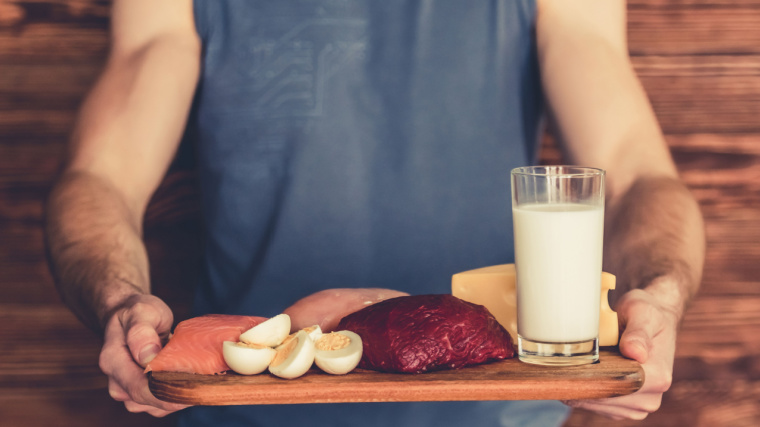
In the contemporary landscape of nutritional science, the prioritization of protein has transitioned from a niche focus of elite athletes to a cornerstone of general public health and metabolic optimization. Registered dietitians and clinical nutritionists increasingly advocate for high-protein, low-carbohydrate dietary frameworks to address a spectrum of physiological goals, ranging from the synthesis of lean muscle tissue to the management of glycemic variability. While protein is fundamentally recognized for its role in the repair and construction of muscle fibers, its biological utility extends to the production of essential hormones, enzymes, and structural components of the human cellular architecture.
The efficacy of a high-protein, low-carbohydrate approach is rooted in the thermic effect of food (TEF). Clinical research indicates that protein possesses a significantly higher TEF compared to fats and carbohydrates, meaning the body expends more energy to process and utilize protein. Furthermore, protein’s role in promoting satiety through the regulation of hunger hormones like ghrelin and peptide YY makes it a critical tool for weight management and dietary adherence. To provide a comprehensive resource for those navigating these nutritional requirements, this report details 20 essential high-protein, low-carbohydrate foods, their nutritional profiles, and their broader implications for health.
The Evolution of Dietary Standards: A Chronological Context
The shift toward high-protein, low-carb diets represents a significant departure from the late-20th-century nutritional guidelines. In the early 1990s, the USDA’s Food Guide Pyramid emphasized a heavy intake of grains and carbohydrates, often at the expense of protein and fats. However, by the early 2000s, longitudinal studies began to reveal the limitations of high-carbohydrate diets, particularly concerning the rising rates of insulin resistance and obesity.
The mid-2010s saw the emergence of more nuanced dietary recommendations from organizations such as the International Society of Sports Nutrition (ISSN), which argued that for active individuals, the standard Recommended Dietary Allowance (RDA) of 0.8 grams of protein per kilogram of body weight was insufficient. Current clinical consensus now suggests that for those engaged in resistance training or metabolic conditioning, protein intake should range between 1.6 and 2.2 grams per kilogram to optimize recovery and body composition.
Comprehensive Nutritional Breakdown: The 20 Essential Foods
1. Whole Eggs
Often cited as the "gold standard" for protein quality, whole eggs provide a complete amino acid profile alongside essential fats. They are rich in choline, a nutrient vital for brain health and lipid metabolism. The bioavailability of egg protein is among the highest of any food source, making it an efficient choice for muscle protein synthesis.
2. Egg Whites
For individuals seeking to isolate protein intake while minimizing caloric density, egg whites serve as a pure protein source. Devoid of the fats found in the yolk, egg whites allow for high-volume consumption, which can assist in satiety during calorie-restricted phases.

3. Salmon
Salmon is a dual-purpose powerhouse, providing high-quality protein and significant concentrations of omega-3 fatty acids, specifically EPA and DHA. These fats are clinically recognized for their anti-inflammatory properties and their role in cardiovascular health.
4. Sardines
Small but nutrient-dense, sardines offer a sustainable source of protein. Because they are lower on the food chain, they typically contain fewer heavy metals like mercury compared to larger predatory fish. They are also an excellent source of calcium when consumed with bones.
5. Tuna
Tuna remains a staple for its lean profile. Whether fresh or canned in water, it provides a high protein-to-calorie ratio. Recent industry trends have seen a rise in "pouch" packaging, which offers a portable, no-drain solution for athletes and professionals.
6. Shrimp
Shrimp is one of the leanest animal proteins available. It contains high levels of selenium and iodine, minerals essential for thyroid function and antioxidant defense. Its low caloric footprint makes it ideal for weight management.
7. Pork Chops
Modern agricultural practices have resulted in leaner pork cuts than those available in previous decades. Pork chops provide high levels of thiamine (Vitamin B1) and zinc, which are necessary for energy metabolism and immune function.
8. Pork Shoulder
While higher in fat than chops, pork shoulder is a versatile protein that, when slow-cooked, provides significant collagen and gelatin, which support joint and skin health.
9. Cured Ham
Lean ham offers a convenient, pre-cooked protein source. However, registered dietitians often advise monitoring sodium levels in cured meats, particularly for individuals with hypertension or sodium sensitivity.

10. Sirloin Steak
Sirloin is a premier lean red meat. It is a potent source of heme iron, which is more easily absorbed by the body than non-heme iron found in plants, making it essential for preventing anemia and supporting oxygen transport in the blood.
11. Strip Steak
Similar to sirloin, strip steak offers a high protein density with a moderate fat profile. It is particularly rich in Vitamin B12, a nutrient critical for nerve function and the formation of red blood cells.
12. Ribeye Steak
For those on ketogenic or higher-fat low-carb diets, ribeye provides necessary lipids alongside protein. The intramuscular fat (marbling) increases the caloric density, which can be beneficial for those with high energy expenditures.
13. Beef Liver
Often categorized as a "superfood," beef liver is perhaps the most nutrient-dense item on this list. It contains massive amounts of Vitamin A, copper, and B vitamins. Due to its high Vitamin A content, it is generally recommended for consumption in moderation (once or twice weekly).
14. Cottage Cheese
Cottage cheese is a unique dairy source that contains high levels of casein protein. Casein is a slow-digesting protein that provides a sustained release of amino acids into the bloodstream, making it an ideal pre-sleep snack for muscle recovery.
15. Greek Yogurt
The straining process used to create Greek yogurt removes much of the liquid whey and lactose (sugar), resulting in a product that is higher in protein and lower in carbohydrates than traditional yogurt. It also serves as a source of probiotics for gut health.
16. Chicken Breast
The quintessential "bodybuilding" staple, chicken breast is nearly pure protein. Its neutral flavor profile allows it to be integrated into a vast array of culinary styles without significantly altering the macronutrient balance of a meal.

17. Chicken Thighs
Chicken thighs offer a slightly higher fat content than breasts, which many find more palatable. They contain higher levels of taurine and zinc, contributing to better cardiovascular and immune outcomes.
18. Whey Protein Powder
As a byproduct of cheesemaking, whey protein is a fast-digesting supplement that is particularly effective when consumed post-workout. It has a high concentration of leucine, the primary branched-chain amino acid (BCAA) responsible for triggering muscle growth.
19. Casein Protein Powder
Unlike whey, casein powder forms a gel-like substance in the stomach, slowing digestion. This property makes it highly satiating and effective for preventing muscle protein breakdown during long periods without food.
20. Lean Ground Beef (95/5)
Ground beef with a 95% lean to 5% fat ratio provides the benefits of red meat—such as creatine and carnosine—while keeping total fat intake within manageable limits for those prioritizing a caloric deficit.
Scientific Mechanisms: Satiety and the Thermic Effect
The physiological impact of these foods is largely dictated by their macronutrient composition. Data from the American Journal of Clinical Nutrition suggests that high-protein diets increase the secretion of satiety hormones while simultaneously reducing the level of ghrelin, the hormone responsible for stimulating hunger.
Furthermore, the "Thermic Effect of Food" (TEF) plays a vital role in metabolic rate. While carbohydrates and fats have a TEF of approximately 5-15%, protein’s TEF is estimated at 20-30%. This means that for every 100 calories of protein consumed, the body uses 20 to 30 of those calories just to digest and process the nutrient. This metabolic advantage is a key reason why high-protein diets are frequently prescribed for fat loss.
Institutional Guidelines and Official Responses
Public health institutions have begun to acknowledge the necessity of higher protein intakes for specific populations. The World Health Organization (WHO) and the Food and Agriculture Organization (FAO) utilize the Digestible Indispensable Amino Acid Score (DIAAS) to evaluate protein quality, with many of the animal-based foods on this list scoring exceptionally high.
In response to the growing body of evidence supporting protein-centric diets, the Academy of Nutrition and Dietetics has emphasized that while high protein intake is generally safe for healthy individuals, those with pre-existing kidney conditions should consult medical professionals to tailor their intake. The consensus among sports nutritionists remains that a "protein-first" approach to meal planning is the most effective strategy for preserving lean mass during aging and weight loss.
Market and Health Implications: A Broader Analysis
The rise in demand for high-protein, low-carb foods has fundamentally altered the global food market. The "protein-fortified" snack industry is projected to grow significantly over the next decade. However, analysts warn that "high-protein" labeling can sometimes be used to mask highly processed ingredients. The shift toward whole-food sources—such as the 20 items listed above—is a movement toward "clean label" nutrition that prioritizes micronutrient density alongside macronutrient targets.
From a public health perspective, increasing protein intake across the population could have profound implications for the management of sarcopenia (age-related muscle loss) and Type 2 Diabetes. By stabilizing blood sugar through reduced carbohydrate intake and increasing metabolic demand through protein, society may see a reduction in the long-term costs associated with metabolic syndrome.
Practical Application: A Targeted Dietary Case Study
To illustrate the integration of these foods, consider a 200-pound athlete requiring approximately 250 grams of protein daily. A structured menu might include:
- Breakfast: A four-egg omelet with spinach and two ounces of lean ham.
- Mid-Morning Snack: One cup of Greek yogurt with a scoop of whey protein.
- Lunch: Six ounces of grilled chicken breast with a side of green vegetables.
- Afternoon Snack: A tin of sardines or a serving of cottage cheese.
- Dinner: Eight ounces of sirloin steak or salmon with fibrous carbohydrates like asparagus.
This distribution ensures a steady influx of amino acids throughout the day, maximizing the muscle-building potential while keeping insulin levels stable.
In conclusion, the selection of high-protein, low-carbohydrate foods is not merely a matter of caloric counting but a strategic approach to biological optimization. By choosing nutrient-dense, whole-food sources, individuals can leverage the thermic and satiating properties of protein to achieve superior health outcomes, whether their goal is athletic performance, weight management, or long-term metabolic health.