

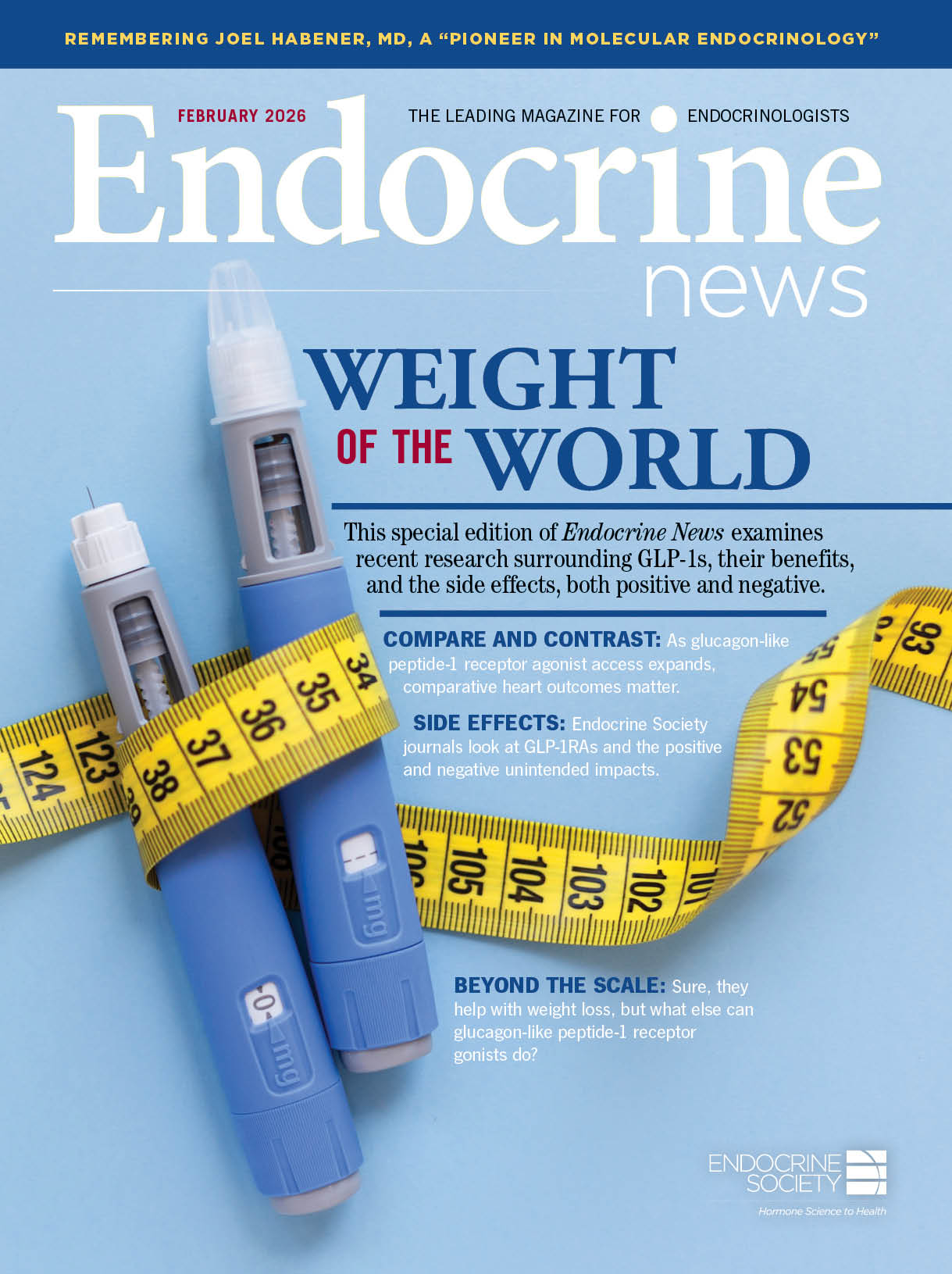
As the pharmaceutical landscape undergoes a seismic shift driven by the proliferation of anti-obesity and glucose-lowering medications, the medical community is pivoting from a focus on weight loss to a rigorous examination of long-term systemic benefits. In late 2025, two landmark studies provided critical clarity on the cardiovascular implications of glucagon-like peptide-1 receptor agonists (GLP-1RAs) and dual agonists. These investigations, published in the New England Journal of Medicine (NEJM) and Diabetes Research and Clinical Practice, offer a data-driven perspective on how these agents—often colloquially termed "miracle drugs"—perform when scrutinized through the lens of major adverse cardiovascular events (MACE).
The emergence of this research coincides with a pivotal moment in global health policy. With the prevalence of type 2 diabetes (T2D) and obesity reaching record highs, federal health agencies and international payers are increasingly focused on the affordability and accessibility of these treatments. The 2025 findings suggest that while the class as a whole offers significant metabolic advantages, there are distinct differences in clinical outcomes that could redefine the standard of care for patients at varying levels of cardiovascular risk.
A Chronology of the Incretin Revolution
The path to the 2025 findings began years earlier, as the first generation of GLP-1RAs proved their worth in glycemic control. However, the true transformation occurred when researchers observed that these drugs did more than lower blood sugar; they appeared to protect the heart.
In 2020, the SURPASS-CVOT trial was initiated to evaluate tirzepatide, a dual glucose-dependent insulinotropic polypeptide (GIP) and GLP-1 receptor agonist. This study aimed to determine if the dual-agonist approach could surpass the established benefits of selective GLP-1RAs. Simultaneously, between 2019 and 2021, real-world data was being compiled on thousands of patients using dulaglutide, exenatide, liraglutide, and semaglutide. This data set formed the basis for the "target trial emulation" study published in September 2025, which sought to fill the gaps left by traditional randomized controlled trials (RCTs).
By late 2025, these two distinct research paths converged, providing a comprehensive view of both head-to-head clinical trial results and broad-scale real-world effectiveness. This timeline underscores a shift in endocrinology toward "cardiovascular-kidney-metabolic" (CKM) syndrome management, where the goal is to treat the patient’s entire metabolic profile rather than isolated biomarkers.
Head-to-Head Comparison: Tirzepatide versus Dulaglutide
The SURPASS-CVOT trial, led by Stephen J. Nicholls, MB, BS, PhD, of Monash University, represents one of the most significant head-to-head comparisons in recent years. The double-blind, noninferiority trial randomized 13,165 patients with type 2 diabetes—6,586 to tirzepatide and 6,579 to dulaglutide—following them for a four-year period.
The primary objective was to measure the time to the first occurrence of MACE, defined as a composite of cardiovascular death, non-fatal myocardial infarction (MI), or stroke. The results confirmed that tirzepatide was noninferior to dulaglutide in preventing these major events. While it did not clearly demonstrate superiority in the primary MACE composite, tirzepatide showed significant advantages in secondary outcomes.
Specifically, the study found that tirzepatide led to a lower incidence of an "extended MACE" composite, which included coronary revascularization procedures. Furthermore, all-cause mortality was lower in the tirzepatide group. Dr. Nicholls noted that the reduction in mortality appeared to be driven by a decrease in non-cardiovascular deaths, potentially involving a reduced risk of death from infections—a finding that warrants further investigation into the drug’s immunomodulatory effects.
From a metabolic standpoint, tirzepatide outperformed dulaglutide in weight loss and the reduction of A1c levels. However, these benefits came with a trade-off: a higher incidence of gastrointestinal (GI) side effects. Despite this, the rates of drug discontinuation were similar between the two groups, suggesting that the tolerability of tirzepatide is manageable for most patients when titrated correctly.
Real-World Comparative Effectiveness of Four Key Agents
While the SURPASS-CVOT trial focused on a dual agonist, a second major study published in Diabetes Research and Clinical Practice utilized a "target trial emulation" framework to compare four established GLP-1RAs: dulaglutide, exenatide, liraglutide, and semaglutide. Led by Stacey M. Sklepinski, MD, and Rozalina G. McCoy, MD, MS, the study analyzed data from over 80,000 adults with type 2 diabetes and moderate cardiovascular risk.
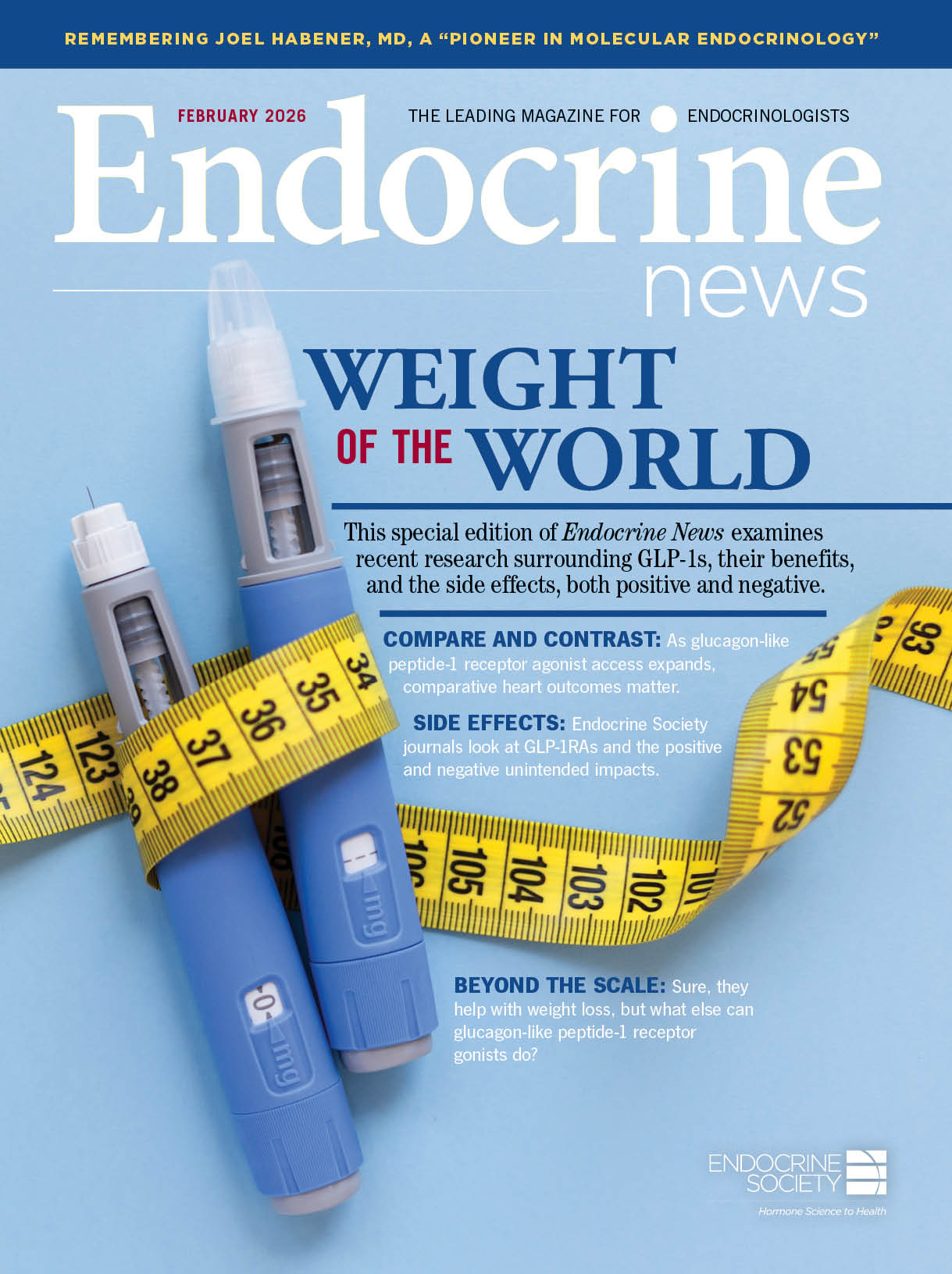
The findings highlighted semaglutide and liraglutide as the top performers. Semaglutide was associated with a lower risk of MACE, expanded MACE, all-cause mortality, and acute stroke compared to dulaglutide. Liraglutide also showed a lower risk of MACE and all-cause mortality relative to dulaglutide.
One of the most surprising outcomes involved exenatide. Despite failing to show significant cardiovascular benefits in the earlier EXSCEL trial, the 2025 real-world analysis found exenatide to be noninferior to the other three agents. Researchers suggested that the original EXSCEL results might have been diluted by "treatment contamination," where patients in the placebo arm were actually using other beneficial medications. This revelation emphasizes the importance of real-world evidence in identifying the true therapeutic potential of drugs that may have been undervalued in strictly controlled trial settings.
Pharmacological Mechanisms and Direct Cardiac Effects
The consistent cardiovascular benefits across these studies have led researchers to look beyond weight loss as the sole driver of heart health. While reducing adiposity certainly lowers the strain on the cardiovascular system, GLP-1RAs and dual agonists appear to exert direct effects on the heart and blood vessels.
According to the analysis by Sklepinski and McCoy, the structural differences between these agents—such as semaglutide’s 94% homology to native GLP-1 and its fatty acid side chain—allow for longer half-lives and more sustained receptor signaling. These mechanisms are believed to contribute to:
- Endothelial Function Improvement: Enhancing the health of the lining of blood vessels.
- Anti-inflammatory Effects: Reducing the levels of inflammatory cytokines that contribute to atherosclerosis.
- Plaque Stabilization: Potentially making arterial plaques less likely to rupture and cause heart attacks or strokes.
- Direct Myocardial Protection: Interacting with receptors directly on the heart muscle to improve efficiency and reduce damage during ischemic events.
The 2025 data suggests that the magnitude of these effects varies by agent, influenced by tissue penetration and receptor pharmacology. This indicates that the "class effect" of GLP-1RAs is nuanced, and specific agents may be better suited for specific cardiovascular pathologies.
Policy, Access, and the Future of Metabolic Medicine
The clinical success of these drugs has created a unique challenge for healthcare systems. As federal policies shift toward making GLP-1RAs more affordable, the demand is expected to surge, potentially exacerbating existing shortages. The recent availability of generic liraglutide offers some relief, but the high cost of newer agents like semaglutide and tirzepatide remains a barrier for many.
Dr. McCoy emphasized that the future of treatment lies in multi-level strategies to reduce barriers. "Most patients with type 2 diabetes would benefit from a GLP-1RA for cardiovascular risk reduction," she stated, noting that administrative hurdles and insurance coverage gaps often prevent high-risk patients from accessing life-saving therapy.
Furthermore, the medical community is looking toward "combination therapy" as the next frontier. There is significant interest in the concomitant use of GLP-1RAs and SGLT2 inhibitors (SGLT2is). While both classes are effective independently, their combined impact on cardiovascular and kidney health could be additive. However, as of late 2025, direct evidence from large-scale trials on this combination is still pending.
Broader Implications for Patient Care
The research released in 2025 serves as a roadmap for individualized therapy. For a patient with a high risk of stroke and moderate cardiovascular risk, semaglutide or liraglutide may be the preferred choice based on real-world effectiveness data. For a patient requiring aggressive weight loss and glycemic control with a history of coronary revascularization, tirzepatide presents a compelling case.
Beyond heart health, researchers are already looking at the impact of these drugs on other conditions associated with metabolic syndrome, including Metabolic Dysfunction-Associated Steatotic Liver Disease (MASLD), sleep apnea, and chronic kidney disease.
The findings from 2025 confirm that the "miracle" of these drugs is not merely a marketing label but a reflection of their complex, multi-organ benefits. As the medical community continues to dissect the data, the focus remains on ensuring that these therapeutic advances translate into longer, healthier lives for the millions of people living with the interconnected challenges of diabetes, obesity, and cardiovascular disease.