

The burgeoning use of glucagon-like peptide-1 (GLP-1) receptor agonists, widely recognized for their efficacy in weight management and treatment of chronic conditions like type 2 diabetes, is prompting a significant recalibration within the food industry. Executives from major food conglomerates are publicly acknowledging the profound and likely enduring impact these medications will have on consumer purchasing patterns and, consequently, on their sales figures. This strategic shift is marked by a proactive repositioning of product portfolios to cater to a demographic that not only eats less but also increasingly favors nutrient-dense foods over processed options.
The Rise of GLP-1s and Their Market Implications
Recent data underscores the expanding reach of GLP-1 medications. A poll conducted by the Kaiser Family Foundation (KFF) revealed that approximately one in eight adults in the United States are currently utilizing these drugs for weight loss, diabetes, or other health concerns. Projections indicate a substantial increase in this number as the medications become more accessible and cost-effective. Over 137 million American adults, representing more than half of the adult population, are considered eligible for these treatments, suggesting a vast untapped market. The anticipated growth is further fueled by advancements such as the development of oral formulations, which enhance convenience and potentially broaden patient adoption.
The implications for the food sector are substantial, bordering on what some analysts describe as an "existential threat." The fundamental impact of GLP-1 drugs is a reduction in appetite, leading to decreased overall food consumption. More critically, research suggests a distinct shift in dietary preferences among users of these medications. A study by Cornell University indicated that households with individuals taking GLP-1 drugs for weight loss experienced a notable 6% decrease in grocery spending. This decline is attributed, in part, to a conscious avoidance of processed foods and snack items, which are often less nutrient-dense and may not align with the health goals of individuals undergoing weight management.
Jeff Harmening, the CEO of General Mills, articulated this evolving market dynamic at the Consumer Analyst Group of New York Conference in Orlando. He stated, "Anti-obesity drugs will have a lasting influence on the food market." This sentiment is not isolated; it reflects a growing consensus among industry leaders that the landscape of food consumption is undergoing a fundamental transformation driven by pharmaceutical innovation.
Strategic Repositioning: Reformulation and New Product Development
In response to this evolving consumer behavior, food manufacturers are undertaking significant strategic initiatives. Companies like General Mills are actively engaged in reformulating existing products and developing new ones specifically designed to meet the needs of consumers using GLP-1 medications. The core of this strategy revolves around creating offerings that align with the physiological effects of the drugs, such as appetite suppression and the increased importance of nutrient intake.
Key product modifications include offering smaller portion sizes, a direct acknowledgment of reduced consumption needs. Furthermore, there is a heightened focus on incorporating ingredients that are crucial for individuals managing their weight and seeking to maintain muscle mass and overall health. This includes a deliberate increase in protein and fiber content, essential for satiety and metabolic support.
Harmening elaborated on this approach, noting that GLP-1 medications are "nudging some consumers toward smaller portions and more nutrient-dense protein and fiber-forward foods." General Mills’ response is exemplified by product innovations such as Honey Nut Cheerios Protein, Ghost performance nutrition bars, and new lines of granola, all designed to appeal to this health-conscious and portion-aware consumer segment.
Emerging Market Segmentation: The GLP-1 Consumer
The emergence of the GLP-1 consumer as a distinct market segment is further highlighted by market analysis reports. A November report by Circana projected that households incorporating GLP-1 medication users will account for over a third of all food and beverage sales in the next five years. This projection emphasizes the substantial economic power of this demographic and their potential to reshape broader consumer preferences and purchasing habits.
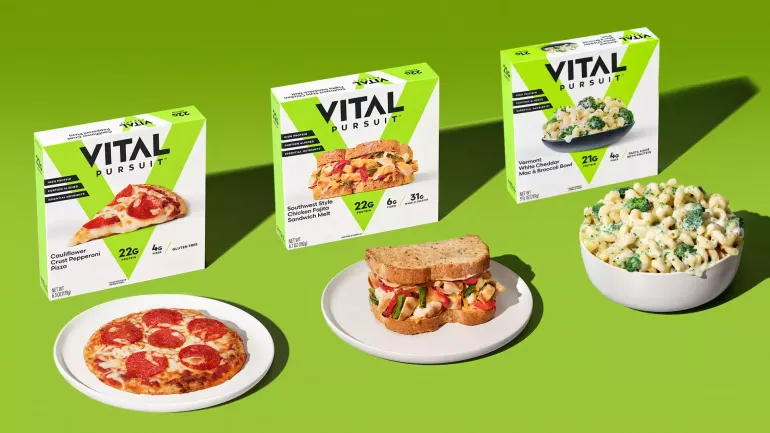
Several major food companies have already made significant strides in positioning their brands to capture this growing market. Nestlé, for instance, launched its first major new U.S. brand in nearly three decades in 2024: Vital Pursuit. This brand is specifically targeted at consumers utilizing GLP-1 medications and those focused on weight management, offering a range of meals designed for health and convenience. Similarly, Danone introduced an Oikos yogurt drink in 2025, explicitly formulated to support muscle building and retention for users of GLP-1 drugs, addressing a key nutritional concern for this demographic.
Navigating Uncertainty: The Longevity of the GLP-1 Trend
Despite the proactive adaptations by food companies, a degree of uncertainty persists regarding the long-term trajectory of GLP-1 medications as a dominant diet trend. Erin Lash, a senior director of consumer equity research at Morningstar, points out that the industry is still grappling with whether these drugs will represent a sustained shift or a fleeting trend, akin to previous popular diets like Atkins or the South Beach Diet.
Furthermore, the duration of GLP-1 usage among patients remains a significant unknown. A notable study indicated that a substantial proportion of individuals, ranging from 50% to 75%, discontinue their use of these medications within a year of starting treatment. This raises questions about the permanence of the dietary changes observed in GLP-1 users and the potential for a return to previous consumption patterns once medication is stopped.
Lash observed that, "Most [food companies] don’t seem overly concerned to this point" about the potential for GLP-1s to fundamentally alter their business models. She added, "Consumers are still indulging." This suggests a prevailing sentiment that while adjustments are being made, the core desire for indulgence and variety in food consumption may persist.
However, Lash also advocates for a prudent approach, suggesting that preparing for a future where GLP-1s are an established part of the health and wellness landscape is advisable. She cautions, though, that such preparations should be mindful not to alienate the broader consumer base that does not utilize these medications.
Conagra Brands: An Opportunity in the GLP-1 Market
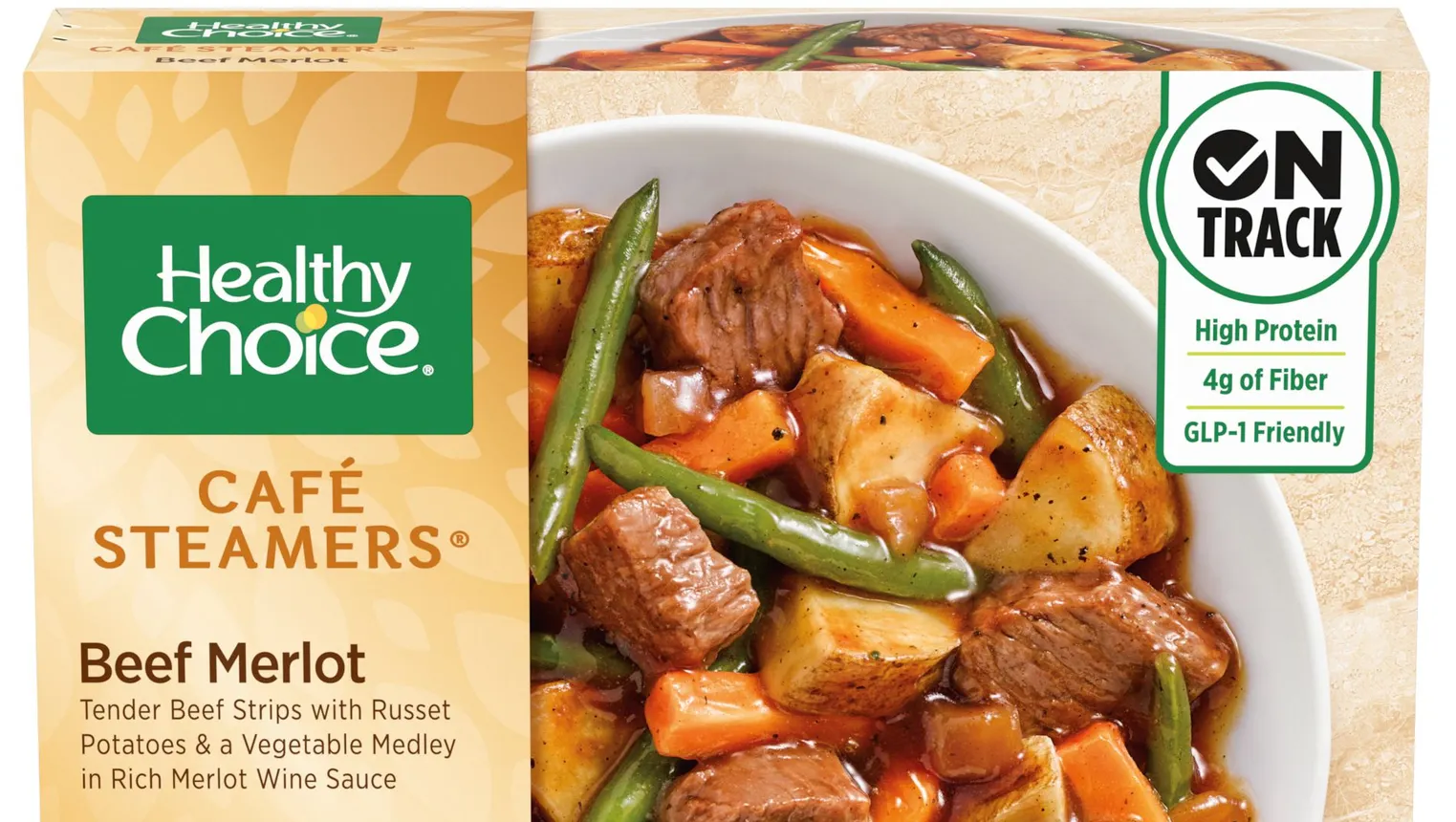
Frozen and snack food company Conagra Brands has taken a direct approach by introducing a "GLP-1 friendly" label on select Healthy Choice frozen meals. This initiative is viewed not just as a response to current trends but as a strategic opportunity. Bob Nolan, Conagra’s senior vice president of demand science, articulated the company’s philosophy: attracting consumers while they are on GLP-1 medications can foster long-term loyalty, even if they eventually discontinue the drugs.
Conagra’s product strategy for this demographic includes portion-controlled frozen meals, a focus on vegetable offerings, and high-protein meat sticks under brands like Slim Jim. Additionally, they have introduced products such as Birds Eye veggie sides and a Banquet Mega XL Buffalo-Style Chicken Mac & Cheese with an added protein boost. Nolan emphasized the goal of providing products that support consumers throughout their weight management journey, from initial adoption of GLP-1s to maintaining their target weight. "We want to have products that are there for them when they’re getting on to GLP-1s," Nolan stated. "And then… once you’ve achieved your target weight, what’s your new goal? Your new goal is to maintain."
Skepticism Amidst the Shift: A Minimal Impact?
Despite the widespread anticipation of a significant expansion in GLP-1 drug usage, particularly with the advent of more accessible oral formulations, some industry leaders remain skeptical about the magnitude of the impact on their businesses. Dirk Van de Put, CEO of Mondelēz International, the maker of Oreo, suggested that GLP-1s are likely to have a "minimal" effect on his company’s sales volumes. He indicated that the anticipated shift to oral medications is unlikely to substantially alter consumption patterns.
Van de Put pointed out that consumers have already been increasingly gravitating towards protein and fiber-rich foods as part of a broader health prioritization trend. He noted that this existing demand for protein, for instance, is already benefiting some Mondelēz products, such as Clif and Builders protein bars. "There will be a shift and effect on our business, but it’s not because of GLP-1," Van de Put asserted, attributing the changes more to an overarching health consciousness than specifically to the influence of GLP-1 medications. This perspective suggests that while dietary habits may be evolving, the primary drivers might be more multifaceted than solely the proliferation of weight-loss drugs.
Broader Economic and Health Implications
The ongoing adaptation of the food industry to the rise of GLP-1 medications carries significant broader implications. From an economic standpoint, it signals a potential realignment of market share and a re-evaluation of investment priorities for food manufacturers. Companies that successfully navigate this shift may gain a competitive advantage, while those that are slow to adapt could face declining revenues. The increased focus on nutrient-dense foods could also have positive public health consequences, potentially leading to improved dietary quality across a wider segment of the population.
However, challenges remain. The cost and accessibility of GLP-1 medications continue to be barriers for many, and the long-term health effects of widespread, sustained use are still being studied. Furthermore, the ethical considerations surrounding the marketing of food products specifically for individuals on weight-loss drugs will likely become a more prominent topic of discussion.
As the market continues to evolve, the food industry’s response to the GLP-1 phenomenon will serve as a compelling case study in how pharmaceutical innovation can rapidly reshape established consumer markets. The coming years will reveal the extent to which these medications represent a permanent shift in dietary behavior or a temporary trend, and how effectively the food industry can balance the needs of this new demographic with its established consumer base.