

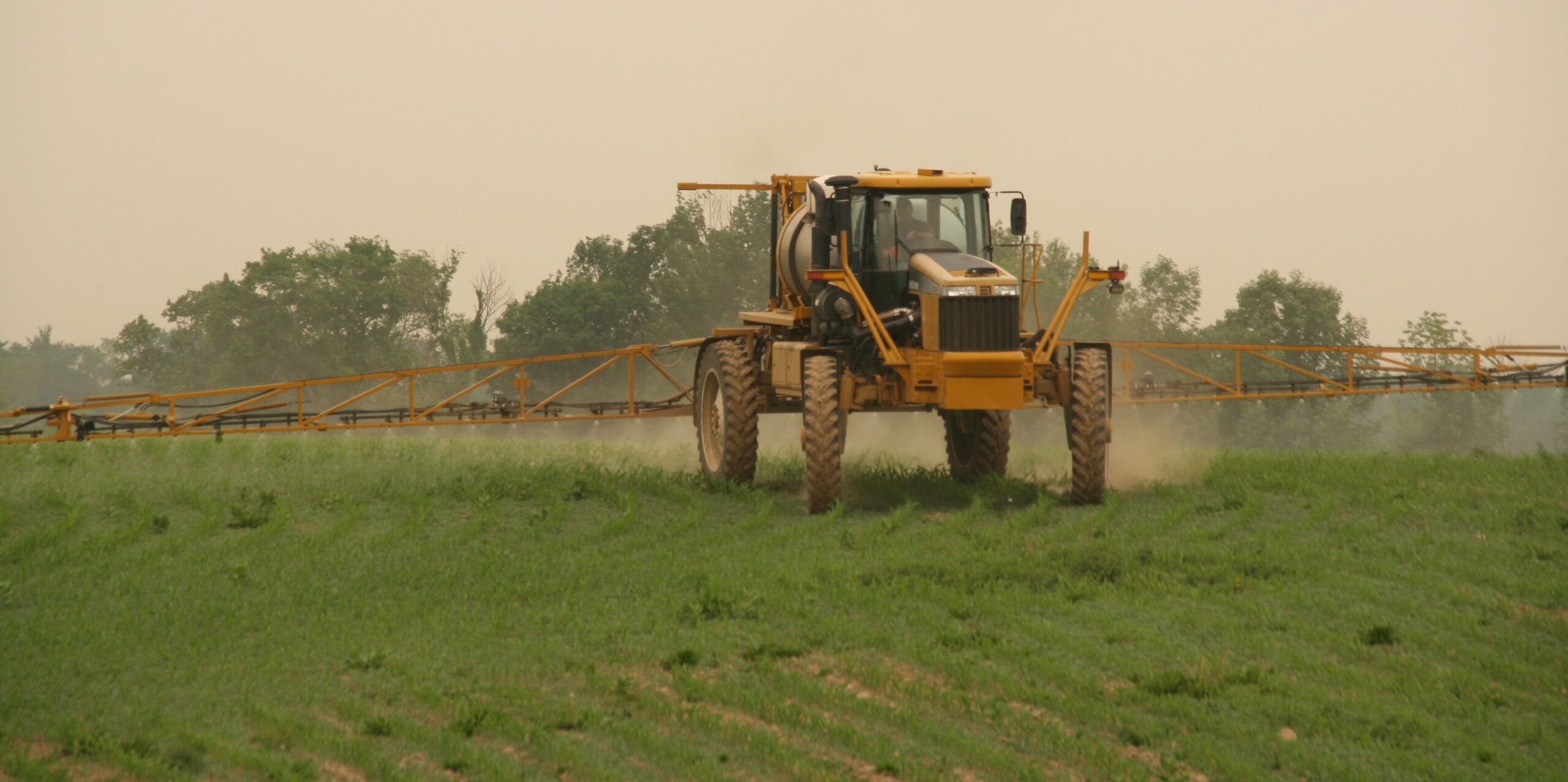
The United States government has recently enacted a series of executive and regulatory maneuvers that signal a significant shift in the intersection of national security, agricultural policy, and corporate liability, primarily benefiting the German multinational conglomerate Bayer AG. In a move that has drawn both praise from the agricultural sector and sharp criticism from environmental and legal watchdogs, the White House has invoked the Defense Production Act (DPA) to prioritize the production of elemental phosphorus and glyphosate-based herbicides. This executive action is part of a broader trend of favorable outcomes for Bayer under the current administration, including the reapproval of controversial herbicides and a pivotal intervention by the U.S. Department of Justice (DOJ) in the Supreme Court that could shield the company from billions of dollars in legal liabilities.
The Invocation of the Defense Production Act for Agricultural Chemicals
In February 2026, the White House issued a presidential action titled "Promoting the National Defense by Ensuring an Adequate Supply of Elemental Phosphorus and Glyphosate-Based Herbicides." By invoking the Defense Production Act of 1950—a Cold War-era statute typically reserved for wartime mobilization or national emergencies—the administration has effectively designated the manufacturing of weed killers as a matter of national security.
The administration’s rationale hinges on the concept of food sovereignty and the stability of the domestic food supply chain. Glyphosate, the active ingredient in Bayer’s Roundup, is the most widely used herbicide in the world and is essential for the "no-till" farming practices adopted by a vast majority of American corn and soybean farmers. Elemental phosphorus is a critical precursor for the production of glyphosate. By using the DPA, the federal government can prioritize contracts for these materials, provide financial incentives for domestic mining and processing, and bypass certain regulatory hurdles that might otherwise slow production.
Critics argue that the use of the DPA in this context is an unprecedented expansion of executive power intended to subsidize a single corporation’s supply chain. However, proponents within the Department of Agriculture (USDA) maintain that global supply chain disruptions and the rising influence of foreign competitors in the chemical market necessitate such drastic measures to protect American farmers.
Regulatory Reapprovals: Dicamba and the PFAS Frontier
Simultaneous with the DPA invocation, the Environmental Protection Agency (EPA) has moved to reapprove dicamba, a potent herbicide used on genetically modified crops. Dicamba has been the subject of intense litigation and was twice blocked by federal courts due to its tendency to "drift" or volatilize, causing unintended damage to neighboring non-resistant crops, orchards, and native vegetation.
The EPA’s decision to clear dicamba for use by Syngenta, BASF, and Bayer marks a significant reversal of previous judicial cautions. The agency stated that new application protocols would mitigate the risk of drift, though many agricultural experts remain skeptical, noting that previous "label restrictions" failed to prevent millions of dollars in crop damage in the Midwest and South.
Furthermore, the EPA has come under fire for approving new pesticides containing per- and polyfluoroalkyl substances (PFAS), often referred to as "forever chemicals." These substances are known for their persistence in the environment and their tendency to bioaccumulate in human tissue, with links to various health issues including cancer and hormonal disruption. The approval of a second PFAS-based pesticide within a two-week window in late 2025 and early 2026 underscores a regulatory environment focused on rapid market entry for chemical products, often at the expense of long-term environmental health assessments.
The Supreme Court and the Battle Over Preemption
Perhaps the most consequential development for Bayer’s financial future is the U.S. Justice Department’s recent intervention in the case of Monsanto v. Durnell. The DOJ filed an amicus brief urging the U.S. Supreme Court to take up the case and ultimately rule that federal law preempts state-level "failure to warn" claims.
Since Bayer acquired Monsanto in 2018, it has been embroiled in thousands of lawsuits filed by individuals who claim that exposure to glyphosate caused their non-Hodgkin lymphoma. While Bayer has settled thousands of cases for billions of dollars, a significant number remain in litigation. The company’s primary legal defense is the theory of "federal preemption": because the EPA has consistently found that glyphosate is not a carcinogen and does not require a cancer warning on its label, Bayer argues that states cannot legally require such a warning.
If the Supreme Court rules in favor of Bayer, it would effectively erase billions of dollars in potential liability and set a precedent that federal agency findings override state consumer protection laws. The DOJ’s support for this position represents a powerful alliance between the executive branch and a foreign-owned corporation against thousands of American plaintiffs.
A Chronology of the Bayer-Monsanto Integration and Federal Support
To understand the current landscape, one must trace the timeline of Bayer’s acquisition of Monsanto and its subsequent relationship with U.S. regulatory bodies:
- June 2018: Bayer AG completes its $63 billion acquisition of Monsanto, creating a global behemoth in seeds and pesticides. The deal is approved by the DOJ under the first Trump administration with certain divestiture requirements.
- 2019–2020: Bayer faces a string of high-profile trial losses in California, with juries awarding hundreds of millions of dollars to plaintiffs. The EPA continues to maintain that glyphosate is safe when used as directed.
- June 2020: A federal appeals court vacates the EPA’s registration of dicamba, citing the agency’s failure to acknowledge the risks of drift damage.
- 2021–2024: Litigation continues to mount. Bayer announces a five-point plan to manage Roundup litigation, including a $10 billion settlement for existing claims while seeking a definitive ruling from the Supreme Court to end future "failure to warn" lawsuits.
- November 2025: Following the reelection of Donald Trump, the EPA begins a series of rapid-fire approvals for new pesticide formulations, including those containing PFAS.
- December 2025: The DOJ submits its brief in Monsanto v. Durnell, signaling a shift in the federal government’s stance on corporate liability.
- February 2026: The White House invokes the Defense Production Act for phosphorus and glyphosate, and the EPA reapproves dicamba.
Supporting Data: The Economic and Industrial Impact
The scale of Bayer’s influence is reflected in the sheer volume of its operations and the economic stakes involved. Bayer currently controls approximately 25% of the global market for seeds and pesticides. In the United States, glyphosate remains the cornerstone of weed management for over 90% of soybean and corn acres.
According to market analysis data from 2025:
- The glyphosate market in North America is valued at approximately $5.2 billion annually.
- Bayer’s legal reserves for Roundup litigation have exceeded $16 billion, a figure that has significantly depressed the company’s stock price and led to calls from investors for a corporate breakup.
- The production of elemental phosphorus is highly concentrated, with only a few viable mines in the United States, primarily in Idaho and Florida. The DPA invocation is expected to unlock federal grants and loans to expand these mining operations, potentially increasing domestic output by 15% over the next three years.
Statements and Reactions from Stakeholders
The administration’s actions have elicited polarized responses across the political and economic spectrum.
The Agricultural Sector: Organizations such as the American Farm Bureau Federation have praised the move to secure the glyphosate supply. "American farmers need certainty," a spokesperson for the Bureau stated. "By ensuring that the tools of our trade—seeds and herbicides—are protected from global instability, the administration is putting American food security first."
Environmental and Public Health Groups: Conversely, groups like the Center for Biological Diversity and U.S. Right to Know have condemned the actions as "corporate cronyism." Stacy Malkan of U.S. Right to Know noted, "The administration is using the weight of the federal government to shield a foreign chemical giant from the consequences of its own toxic products. This isn’t about national defense; it’s about corporate defense."
Legal Experts: Legal analysts are focusing on the Supreme Court’s potential ruling. "The DOJ’s intervention is a game-changer," says Professor David Uhlmann, a specialist in environmental law. "If the Court adopts the preemption argument, it will fundamentally alter the landscape of tort law in the United States, making it nearly impossible for consumers to sue companies for health impacts if a federal agency has signed off on the product."
Broader Impact and Implications for the Future
The alignment between the U.S. executive branch and Bayer AG carries profound implications for the future of federalism, public health, and international corporate relations.
First, the use of the Defense Production Act for commercial chemicals sets a precedent for other industries to seek "national security" designations to bypass environmental regulations or secure federal funding. If pesticides are a matter of national defense, then a wide array of industrial sectors—from plastics to rare earth mining—may soon follow suit.
Second, the erosion of state-level "failure to warn" claims threatens the traditional role of states in protecting their citizens. For decades, the legal system has relied on a "dual-track" system where federal agencies set baseline safety standards while state courts allow citizens to seek redress for specific harms. Removing the state-level track leaves consumers entirely dependent on the rigor of federal agencies, which can be subject to political shifts and industry lobbying.
Finally, the focus on glyphosate and dicamba may stifle innovation in the agricultural sector. By doubling down on 20th-century chemical solutions through government intervention, the U.S. may be delaying the transition to more sustainable, integrated pest management systems that are increasingly demanded by global markets, particularly in Europe and Asia.
As the 2026 growing season approaches, the impact of these policies will become visible in the fields of the American heartland and the courtrooms of Washington D.C. Whether these maneuvers will provide the intended stability to the American farmer or merely serve to insulate a corporate giant from accountability remains a central question for the nation’s regulatory and legal systems.