








In the multi-billion dollar sports supplement industry, where products often rely on marketing hyperbole rather than clinical evidence, creatine monohydrate stands as a rare exception. While many supplements are categorized by researchers as "potentially effective," creatine is supported by a volume of peer-reviewed literature so substantial that major health and athletic organizations have issued formal position stands on its efficacy. The International Society of Sports Nutrition (ISSN) has categorized creatine as the most effective ergogenic nutritional supplement currently available to athletes for increasing high-intensity exercise capacity and lean body mass. This stance is echoed by the American College of Sports Medicine (ACSM) and the U.S. Food and Drug Administration (FDA), the latter of which has designated creatine monohydrate as "Generally Recognized as Safe" (GRAS).
Despite this institutional backing, public perception of creatine remains clouded by decades of misinformation. Often incorrectly conflated with anabolic steroids or accused of causing organ damage, creatine is, in reality, a naturally occurring nitrogenous organic acid found in red meat and seafood. It is also synthesized endogenously by the human body, primarily in the liver and kidneys, from the amino acids arginine, glycine, and methionine. The scientific community’s interest in creatine has transitioned from a narrow focus on elite athletic performance to a broader exploration of its therapeutic potential for aging populations, neurological health, and injury rehabilitation.

A Chronological History of Creatine Research and Adoption
The scientific journey of creatine began in 1832 when French scientist Michel Eugène Chevreul identified it as a constituent of skeletal muscle. However, it was not until the early 20th century that researchers at Harvard University discovered that oral creatine supplementation could significantly increase the creatine content within the muscle.

The transition from laboratory curiosity to athletic staple occurred during the 1992 Barcelona Olympics. Following the games, reports surfaced that gold medalists, including sprinters Linford Christie and Sally Gunnell, had utilized creatine to enhance their training. This sparked a surge in commercial interest and scientific inquiry. By the late 1990s, creatine had become one of the most popular supplements in the world. In 2017, the ISSN published an exhaustive review of the literature, consolidating over 500 studies to provide a definitive guide on the supplement’s safety and efficacy. Today, research has moved beyond the gym, with clinical trials investigating creatine’s role in treating muscular dystrophy, Parkinson’s disease, and age-related sarcopenia.
The Mechanism of Performance Enhancement
To understand the benefits of creatine, one must understand the phosphagen system. The human body relies on adenosine triphosphate (ATP) for energy. During high-intensity, short-duration activities—such as sprinting or heavy lifting—the body exhausts its ATP stores within seconds. Creatine is stored in the muscles as phosphocreatine. When ATP is used, it loses a phosphate molecule and becomes adenosine diphosphate (ADP). Phosphocreatine "donates" its phosphate group to ADP, rapidly regenerating ATP and allowing the athlete to maintain peak power output for longer durations.

While the body produces about one to two grams of creatine daily and consumes a similar amount through diet, these levels only saturate muscle stores to approximately 60% to 80%. Supplementation is the only reliable method to achieve 100% saturation, which provides the physiological "overhead" necessary for the benefits observed in clinical trials.
Comprehensive Analysis of the Seven Core Benefits
1. Significant Gains in Absolute Strength
Clinical data consistently demonstrates that creatine supplementation, when paired with resistance training, leads to superior strength gains compared to training alone. In a meta-analysis of training studies, individuals taking creatine showed a 20% increase in strength (measured by 1-rep max) compared to a 12% increase in the placebo group. Specifically, six-week trials have documented marked improvements in bench press and leg press performance across various age groups, from collegiate athletes to the elderly.
2. Enhanced Recovery During Repeated Efforts
The ability to recover between high-intensity intervals is critical for sports like basketball, soccer, and hockey. By increasing the availability of phosphocreatine, supplementation accelerates the rate at which ATP is resynthesized during rest periods. This allows athletes to maintain a higher work rate throughout a training session or a competitive match, reducing the "drop-off" in performance typically seen in the later stages of exertion.

3. Increased Muscle Mass and Hypertrophy
Creatine supports muscle growth through several pathways. Initially, it draws water into the muscle cells (osmosis), increasing cell volume, which is a known trigger for protein synthesis. Long-term, the ability to lift heavier weights for more repetitions provides the mechanical tension necessary for myofibrillar hypertrophy. Research indicates that creatine users can gain twice as much lean muscle mass over a 12-week period compared to those on a placebo.
4. Improved Training Tolerance and Volume
Recent studies suggest that creatine may reduce markers of inflammation and muscle damage following intense exercise. By mitigating the severity of Delayed Onset Muscle Soreness (DOMS) and protecting against exercise-induced oxidative stress, creatine allows for a higher frequency of training. This increased "training tolerance" is particularly beneficial for endurance athletes who incorporate strength training, as it helps maintain performance even during periods of high aerobic volume.
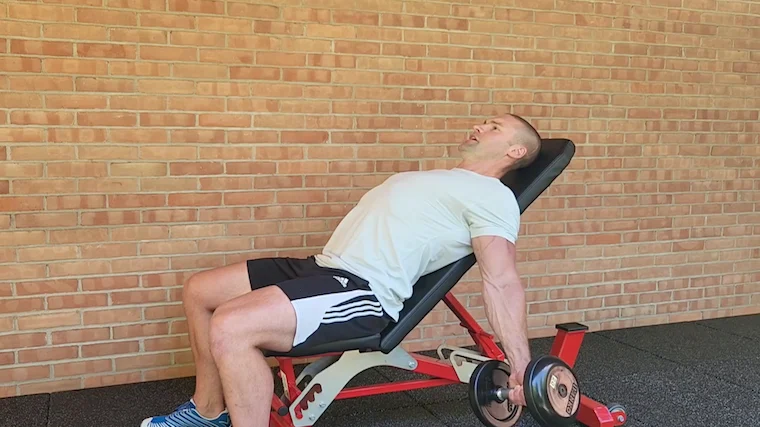
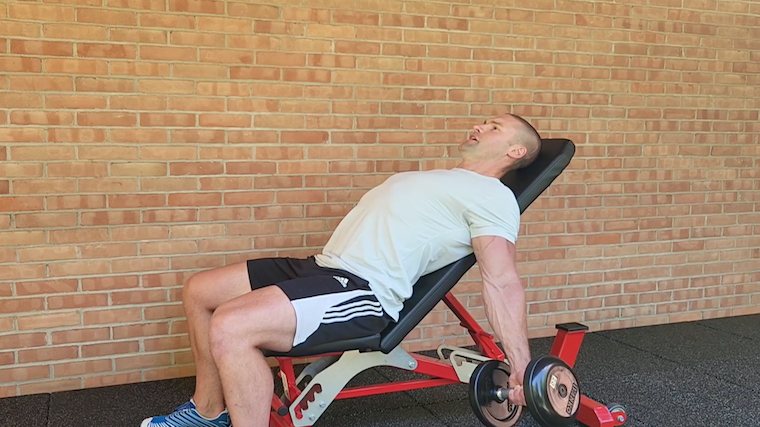
5. Accelerated Rehabilitation Following Injury
One of the most promising areas of modern creatine research is its role in injury recovery. When a limb is immobilized due to injury or surgery, muscle atrophy (wasting) occurs rapidly. Studies have shown that individuals who supplement with creatine during immobilization experience less muscle loss and a faster return of strength during the subsequent rehabilitation phase. This is attributed to creatine’s ability to influence myogenic regulatory factors and glucose transporter activity.
6. Systemic Antioxidant and Cellular Benefits
Creatine acts as an antioxidant, scavenging reactive oxygen species (ROS) that can damage cell membranes and DNA. While more research is required to determine the full extent of its systemic health benefits, this "scavenging" effect suggests that creatine may play a role in slowing cellular aging and protecting against various metabolic diseases.
7. Cognitive Enhancement and Neuroprotection
The brain is a metabolically active organ that requires significant amounts of ATP. Research indicates that creatine supplementation increases brain creatine levels by up to 10%. In clinical trials, this has translated to improved working memory and intelligence scores, particularly in individuals who are sleep-deprived or those who do not consume meat (vegetarians and vegans). Furthermore, there is emerging evidence that creatine may offer neuroprotective benefits following a concussion or traumatic brain injury (TBI).
Safety Profile and the De-bunking of Common Myths
The most persistent myth regarding creatine is its supposed link to kidney damage. This misconception arises from the fact that creatine is broken down into creatinine, a waste product used by doctors to measure kidney function. While supplemental creatine increases creatinine levels in the blood, multiple long-term studies (some lasting up to five years) have shown no adverse effects on renal filtration rates in healthy individuals.

Similarly, the claim that creatine causes hair loss is based on a single 2009 study of rugby players that showed an increase in dihydrotestosterone (DHT). This study has never been replicated, and no direct link to baldness was ever established. The only clinically significant side effect is initial water retention, which typically subsides after the first few weeks of use as intracellular fluid levels normalize.
Recommended Protocols for Implementation
To achieve muscle saturation, researchers generally recommend one of two protocols:
- The Loading Phase: Consuming 20 grams of creatine daily (divided into four 5-gram doses) for five to seven days, followed by a maintenance dose of 3 to 5 grams daily. This method saturates the muscles within a week.
- The Gradual Approach: Consuming 3 to 5 grams daily from the outset. This achieves full saturation within 28 days and avoids the minor gastrointestinal discomfort some experience during a loading phase.
Research also suggests that taking creatine with carbohydrates or a carbohydrate-protein mix can enhance retention by utilizing the insulin response to drive the nutrient into the muscle cells.

Broader Impact and Implications for Public Health
The implications of creatine research extend far beyond the "weight room" demographic. As the global population ages, sarcopenia (age-related muscle loss) is becoming a major public health challenge, contributing to falls, fractures, and loss of independence. Creatine, combined with light resistance training, offers a cost-effective, safe, and highly accessible intervention to preserve muscle mass in the elderly.
Furthermore, its potential as a nootropic and neuroprotective agent suggests that creatine may eventually be viewed with the same "essential" status as Vitamin D or Omega-3 fatty acids. With over 500 studies and decades of safe use, the scientific consensus is clear: creatine is not just for bodybuilders; it is a fundamental tool for human performance and longevity.
The medical community continues to monitor ongoing trials, but the current "mountain of research" suggests that for the vast majority of people, the benefits of creatine supplementation far outweigh any potential risks. As with any supplement, individuals with pre-existing kidney disease or those taking medication that affects renal function should consult with a healthcare professional before beginning a protocol.