


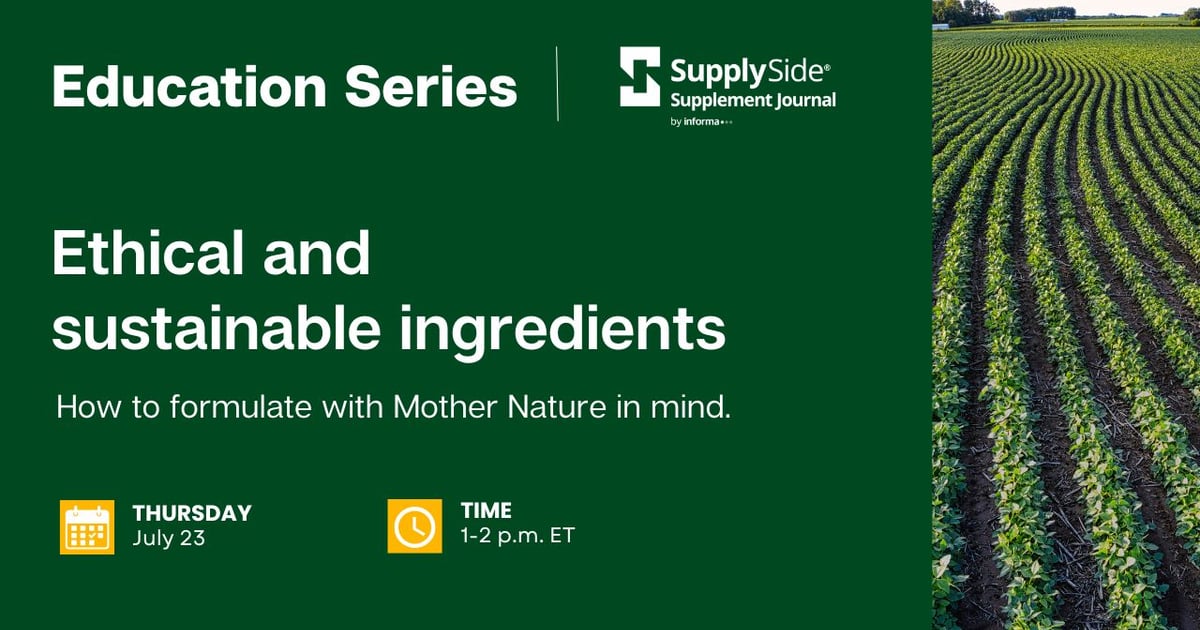
The global supplement industry is currently grappling with a confluence of unprecedented challenges, primarily stemming from intricate supply chain disruptions and increasingly limited natural resources. These dual pressures are not merely logistical hurdles but represent fundamental concerns that are reshaping product development, manufacturing, and consumer trust. In response to this critical juncture, SupplySide Supplement Journal has organized a significant educational webinar series, bringing together leading industry experts to dissect the complexities and offer actionable strategies for navigating this evolving landscape. The initiative aims to equip supplement manufacturers and formulators with the knowledge and practical insights necessary to integrate ethical sourcing and robust environmental stewardship into their innovation pipelines, fostering both resilience and long-term sustainability.
The webinar series, scheduled to commence in the coming weeks, will delve deeply into the multifaceted aspects of qualifying and formulating with sustainable ingredients. This is a timely intervention, as the demand for supplements continues its upward trajectory, driven by growing consumer awareness of health and wellness. However, this demand is increasingly being met with a stark reality: the planet’s capacity to provide raw materials is finite, and the intricate web of global logistics is proving susceptible to a range of shocks, from geopolitical instability and climate-related events to labor shortages and trade policy shifts.
H2: The Current State of the Supplement Supply Chain
The supplement industry, by its very nature, relies heavily on a diverse array of natural ingredients, many of which are derived from agricultural products, marine sources, and botanical extracts. This inherent reliance on the natural world places the sector at the forefront of environmental challenges. For years, the industry has benefited from a relatively stable global supply chain, enabling consistent production and market growth. However, recent years have witnessed a dramatic shift.
Key Disruptions and Their Impact:
- Climate Change: Extreme weather events, such as droughts, floods, and unseasonable temperatures, are directly impacting the cultivation and harvesting of key botanical ingredients. For instance, the availability of certain medicinal herbs traditionally grown in specific regions can be severely affected by prolonged dry spells or excessive rainfall, leading to reduced yields and increased price volatility. Reports from the Intergovernmental Panel on Climate Change (IPCC) consistently highlight the increasing frequency and intensity of such events, directly threatening agricultural output worldwide.
- Geopolitical Instability and Trade Wars: Conflicts in key sourcing regions, trade disputes between major economies, and sudden policy changes can create immediate and significant disruptions. Tariffs on imported raw materials can escalate production costs, while political unrest can halt the extraction or cultivation of essential components. The COVID-19 pandemic further exposed the fragility of global supply chains, revealing dependencies on single-source suppliers and highlighting the need for diversification and localized sourcing strategies.
- Resource Depletion and Overharvesting: The increasing demand for certain popular ingredients, such as omega-3 fatty acids from fish oil or specific plant-based proteins, has led to concerns about overharvesting and the depletion of natural stocks. Sustainable harvesting practices and the development of alternative, more sustainable sources are becoming paramount. For example, the reliance on wild-caught fish for omega-3s has spurred research into algal oil as a more environmentally friendly and scalable alternative.
- Labor Shortages: Agricultural and manufacturing sectors globally are experiencing labor shortages, impacting the ability to cultivate, harvest, process, and transport ingredients. This is exacerbated by aging workforces in some regions and challenges in attracting new talent.
- Logistical Bottlenecks: Port congestion, shipping container shortages, and rising freight costs have become endemic issues, adding significant delays and expenses to the movement of raw materials and finished products. These logistical challenges can tie up inventory and create unpredictable lead times for manufacturers.
H2: SupplySide Supplement Journal’s Proactive Approach
Recognizing the urgency and complexity of these issues, SupplySide Supplement Journal, a leading publication dedicated to the dietary supplement and functional food industries, has taken a proactive stance. The upcoming webinar series is a testament to their commitment to fostering knowledge sharing and driving positive change within the sector. This initiative is not an isolated event but builds upon a history of the publication’s dedication to providing valuable industry insights and facilitating dialogue among key stakeholders.
The decision to focus on sustainable ingredient sourcing is particularly strategic. Sustainability in this context encompasses a broad spectrum of considerations, including:
- Environmental Impact: Minimizing the ecological footprint of ingredient production, including water usage, energy consumption, greenhouse gas emissions, and land degradation.
- Ethical Sourcing: Ensuring fair labor practices, equitable treatment of workers, and respecting indigenous rights in communities where ingredients are sourced. This includes addressing issues like child labor, fair wages, and safe working conditions.
- Biodiversity Preservation: Promoting practices that protect and enhance biodiversity, avoiding ingredients that contribute to habitat destruction or species endangerment.
- Traceability and Transparency: Establishing clear lines of provenance for all ingredients, allowing for verification of their origin and the sustainability claims associated with them.
H3: Webinar Objectives and Expected Outcomes
The learning objectives of the webinar are designed to be highly practical and directly applicable to the day-to-day operations of supplement companies. Attendees can expect to gain insights into:
- Identifying and Vetting Sustainable Suppliers: Understanding the criteria for evaluating suppliers based on their environmental and social responsibility practices. This includes learning about relevant certifications and auditing processes.
- Formulating with Sustainable Alternatives: Exploring innovative ways to incorporate sustainably sourced or alternative ingredients into existing and new product formulations without compromising efficacy or consumer appeal.
- Navigating Regulatory Landscapes: Understanding the evolving regulatory environment surrounding sustainability claims and how to ensure compliance.
- Communicating Sustainability Efforts Effectively: Learning how to transparently and authentically communicate sustainability initiatives to consumers, building trust and brand loyalty.
- Cost-Benefit Analysis of Sustainable Sourcing: Evaluating the long-term economic advantages of investing in sustainable supply chains, including reduced risk, improved brand reputation, and potential for premium pricing.
The panel of experts, drawn from various facets of the supplement industry—including ingredient manufacturers, formulators, regulatory specialists, and sustainability consultants—will offer a diverse range of perspectives. Their collective experience is expected to provide attendees with a comprehensive understanding of the challenges and opportunities presented by sustainable ingredient sourcing.
H3: Background of the Event and Sponsorship
While specific dates for the webinar series were not provided in the initial announcement, the timing of this educational initiative is critical. The supplement industry has seen significant growth over the past decade, with global market size estimates often exceeding $150 billion USD and projected to continue expanding. This growth, however, amplifies the sustainability challenges.
The fact that the webinar is underwritten by Bionap, a prominent ingredient manufacturer known for its focus on natural extracts and sustainable practices, underscores the industry’s growing commitment to these principles. Bionap’s involvement signifies a recognition from leading suppliers of the importance of educating the market on these critical issues. Their brand, often associated with innovative, science-backed botanical ingredients, likely aligns with the webinar’s focus on ethical and environmentally conscious sourcing. Such sponsorships are crucial for enabling educational initiatives that benefit the wider industry by disseminating best practices and fostering collaboration.
H2: Implications for the Supplement Industry
The focus on sustainable ingredient sourcing has profound implications for the future of the supplement industry. Companies that proactively embrace these principles are likely to gain a competitive advantage, while those that lag behind may face significant risks.
Potential Impacts:
- Enhanced Brand Reputation and Consumer Trust: Consumers are increasingly discerning and are actively seeking out brands that align with their values. Demonstrating a commitment to sustainability can foster stronger brand loyalty and attract a growing segment of ethically-minded consumers. A recent Nielsen study indicated that a significant percentage of global consumers are willing to pay more for products from sustainable brands.
- Risk Mitigation and Supply Chain Resilience: Diversifying supply chains, investing in sustainable farming practices, and building strong relationships with ethical suppliers can significantly reduce vulnerability to disruptions. This proactive approach can lead to more stable pricing and more reliable product availability in the long term.
- Innovation and New Product Development: The pursuit of sustainable ingredients can spur innovation, leading to the development of novel formulations and the discovery of new, environmentally friendly alternatives to existing components. This can open up new market segments and create unique selling propositions.
- Regulatory Preparedness: As governments and international bodies increasingly focus on environmental and social governance (ESG) standards, companies that are already adhering to sustainable practices will be better positioned to navigate evolving regulations and reporting requirements.
- Attracting and Retaining Talent: Employees, particularly younger generations, are often drawn to companies with a strong sense of purpose and a commitment to social and environmental responsibility. Embracing sustainability can therefore aid in talent acquisition and retention.
H3: Expert Perspectives and Industry Reactions (Inferred)
While direct quotes from specific parties were not available, it is logical to infer that the industry’s reaction to such an initiative would be largely positive, albeit with varying degrees of urgency and capacity to implement changes.
- Ingredient Suppliers: Companies like Bionap, which are already invested in sustainable practices, would likely welcome such educational platforms as a means to elevate the importance of their offerings and to encourage broader industry adoption. They may also see it as an opportunity to showcase their expertise and their commitment to responsible sourcing.
- Brand Manufacturers: Many brand manufacturers are acutely aware of the supply chain challenges and the growing consumer demand for sustainable products. They would likely view the webinar as an invaluable resource for gaining practical knowledge and developing strategies to adapt. Some may already be investing in sustainability initiatives, while others may be seeking guidance on where to begin.
- Industry Associations: Organizations representing the supplement industry would likely endorse such educational efforts, recognizing their role in promoting responsible business practices and ensuring the long-term viability and positive public perception of the sector.
- Consumers: While not directly participating in the webinar, consumers are the ultimate beneficiaries of a more sustainable and resilient supplement industry. Their increasing awareness and demand for ethical products are a significant driving force behind these industry-wide shifts.
H2: The Path Forward: A Call for Collective Action
The SupplySide Supplement Journal’s webinar series represents a crucial step in addressing the complex challenges facing the supplement industry. By convening experts and focusing on practical solutions for sustainable ingredient sourcing, the initiative aims to empower companies to not only navigate current disruptions but also to build a more resilient and responsible future. The interconnectedness of global supply chains and the finite nature of natural resources necessitate a collaborative and informed approach. The success of this webinar series will likely be measured not only by the knowledge imparted but also by the subsequent actions taken by industry stakeholders to integrate these principles into their operations, ultimately benefiting both businesses and the planet. The ongoing evolution of the supplement industry hinges on its ability to adapt to these critical environmental and ethical considerations, ensuring its continued growth and its positive contribution to global health and well-being.
