

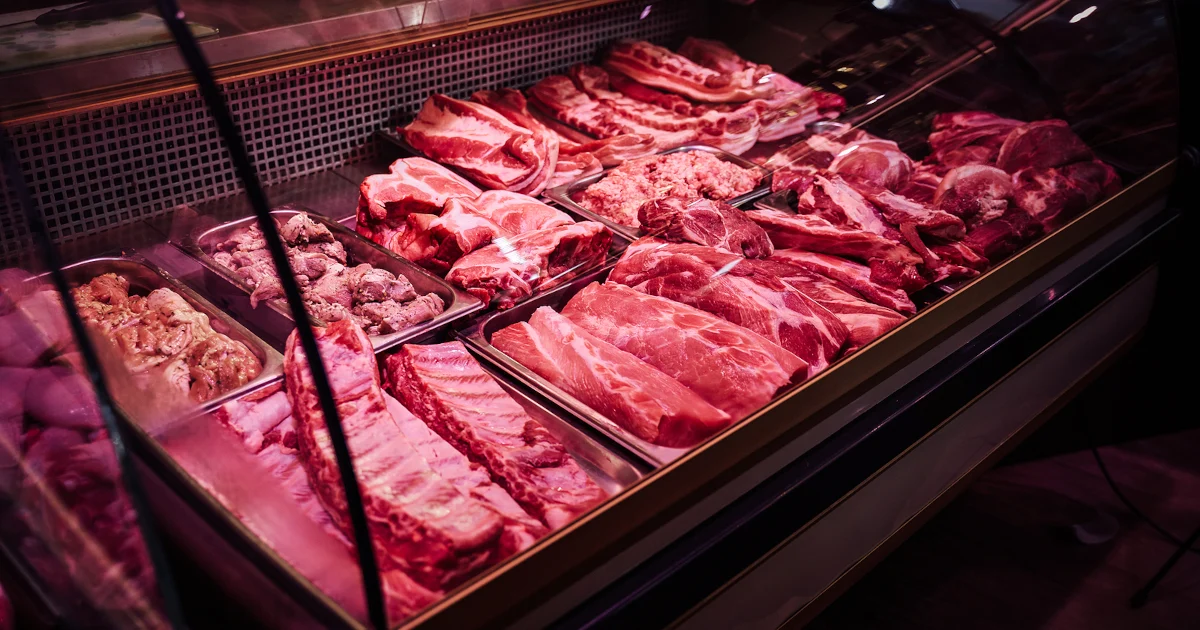
On October 5, 2026, Representative Thomas Massie (R-KY) and Representative Chellie Pingree (D-ME) officially introduced the Red Meat Inspection Exemption Act (RMIEA) in the U.S. House of Representatives. The proposed legislation seeks to fundamentally alter the regulatory landscape for small-scale livestock producers by allowing them to slaughter and process their own cattle, sheep, and goats for direct-to-consumer sales without the requirement of federal inspection. By removing the mandatory oversight of the United States Department of Agriculture (USDA) for qualifying small farmers, the bill aims to decentralize the American meat supply chain, lower retail prices for consumers, and provide a legal framework for ranchers to process food on their own property—a move that mirrors existing federal exemptions for the poultry industry.
The introduction of the RMIEA follows several months of heightened political discourse regarding food sovereignty and the consolidation of the American meatpacking industry. The bill is specifically designed to fulfill a policy objective articulated by President Donald Trump in August 2026, where he advocated for the right of farmers and ranchers to process their own food products to bypass industrial bottlenecks. While the executive branch has expressed support for such measures, constitutional and statutory limits on executive power necessitate a change in federal law via Congress to permanently alter the Federal Meat Inspection Act (FMIA).
The Legislative Context and the Poultry Precedent
The RMIEA is grounded in a regulatory precedent that has existed for decades within the poultry sector. Under the Poultry Products Inspection Act (PPIA), small-scale producers are permitted to process a limited number of birds—typically up to 1,000 or 20,000 depending on the specific state and federal criteria—without continuous federal inspection, provided the meat is sold directly to consumers or within specific local markets.
Currently, red meat producers do not enjoy similar flexibility. Under the Federal Meat Inspection Act of 1906 and the subsequent Wholesome Meat Act of 1967, any meat intended for sale must be slaughtered and processed in a facility where a USDA inspector is present to examine the animal both before and after slaughter. While "custom slaughter" exemptions exist, they currently restrict the meat to the personal use of the owner of the animal, effectively prohibiting the sale of uninspected steaks, roasts, or ground beef to the general public. The RMIEA would bridge this gap, granting small-scale cattle and hog farmers the same direct-to-consumer commercial rights currently held by poultry farmers.
Chronology of Meat Processing Reform Efforts
The introduction of the RMIEA is the culmination of a decade-long effort by agricultural reformers to address what they characterize as "regulatory capture" by large-scale meat processors.
- 1967: The Wholesome Meat Act is passed, requiring state inspection programs to be "at least equal to" federal standards, which many small processors argue led to the closure of thousands of local slaughterhouses.
- 2015–2023: Various iterations of the PRIME Act (Processing Revival and Intrastate Meat Exemption Act) are introduced by Rep. Massie and others but face stiff opposition from large-scale industry lobbies.
- 2020–2021: The COVID-19 pandemic exposes vulnerabilities in the centralized meat processing system. As major plants closed due to outbreaks, small farmers faced backlogs of over a year to get animals processed at USDA-inspected facilities.
- August 2024–2026: Growing inflation in the grocery sector leads to renewed calls for food supply chain diversification.
- August 2026: President Trump issues a public statement supporting the right of farmers to process their own food, signaling a shift in the executive branch’s priorities toward agricultural deregulation.
- October 5, 2026: Representatives Massie and Pingree introduce the RMIEA as a bipartisan solution to codify these changes.
Economic Data and Industry Concentration
The push for the RMIEA is driven largely by data concerning the concentration of the American meat industry. According to data from the USDA and the Department of Justice, four large corporations—often referred to as the "Big Four"—control approximately 85% of the steer and heifer slaughter in the United States. This concentration has led to a widening "spread" between the price consumers pay at the grocery store and the price ranchers receive for their livestock.
In 2025 and early 2026, retail beef prices reached historic highs, while many independent ranchers reported stagnant or declining profit margins. Proponents of the RMIEA argue that the mandatory federal inspection requirement acts as a "barrier to entry" for small competitors. The cost of maintaining a USDA-compliant facility is often prohibitive for a farmer with only 50 or 100 head of cattle. Furthermore, the scarcity of USDA inspectors often forces small farmers to transport livestock hundreds of miles to the nearest inspected facility, adding significant fuel and labor costs that are ultimately passed on to the consumer.
By allowing direct-to-consumer sales from the farm, the RMIEA could theoretically reduce the retail price of locally raised beef by 15% to 20%, as it eliminates the middleman, the long-distance transport costs, and the overhead associated with federal inspection bureaucracy.
Official Statements and Political Alignment
In a statement following the bill’s introduction, Representative Thomas Massie emphasized the economic relief the bill could provide. "Americans are concerned about the rising cost of red meat and are looking for solutions that will lower prices," Massie stated. "The Red Meat Inspection Exemption Act will reduce the regulatory burden placed on small meat producers and enhance their ability to sell directly to local consumers. Under U.S. law, poultry farmers are already allowed to process their own birds, so why not let small-scale livestock farmers do the same?"
Representative Chellie Pingree, a long-time advocate for sustainable agriculture and organic farming, highlighted the benefits for local food systems. "For too long, federal policy has favored industrial-scale processors at the expense of our local farmers," Pingree noted. "This bill is about fairness and local resilience. It empowers farmers in Maine and across the country to feed their neighbors without being strangled by regulations designed for massive factories."
The bipartisan nature of the bill is significant. Massie, a libertarian-leaning Republican, and Pingree, a progressive Democrat, represent a growing "farm-to-table" coalition in Congress that views food decentralization as a rare point of common ground. However, the bill is expected to face intense scrutiny from the North American Meat Institute (NAMI), which represents the interests of large packers. NAMI has historically argued that any exemption from federal inspection could undermine public confidence in the safety of the U.S. meat supply.
Food Safety and Regulatory Implications
A central point of debate regarding the RMIEA is the issue of food safety. Critics of the bill argue that the USDA inspection process is essential for detecting diseases such as Bovine Spongiform Encephalopathy (BSE) and preventing the spread of foodborne pathogens like E. coli and Salmonella.
The RMIEA addresses these concerns by limiting the exemption to "qualifying small farmers" and "direct-to-consumer" sales. This means the uninspected meat could not be sold in major supermarkets or across state lines in most cases, but rather through farmers’ markets, Community Supported Agriculture (CSA) programs, or directly from the farm gate. Supporters argue that the "transparency" of a direct relationship between a farmer and a consumer provides a higher level of accountability than an industrial assembly line, as a farmer’s reputation in their local community depends entirely on the quality and safety of their product.
Furthermore, the bill does not eliminate state-level health requirements. Farmers would still be subject to local health department standards and general consumer protection laws regarding the sale of adulterated or misbranded food.
Broader Impact and Future Outlook
If passed, the Red Meat Inspection Exemption Act could trigger a significant shift in the rural economy. By making it financially viable for small farms to process their own livestock, the bill could encourage the growth of "micro-processors" and mobile slaughter units. This would create local jobs and keep more capital within rural communities rather than siphoning it off to corporate headquarters.
From a supply chain perspective, a more decentralized meat processing network is viewed by many as a matter of national security. The industrial closures of 2020 proved that a failure in just three or four major plants could lead to nationwide meat shortages. A network of thousands of independent, farm-based processors would be far more resilient to localized disruptions.
The RMIEA now heads to the House Committee on Agriculture. Its success will likely depend on whether the grassroots support from farmers and the endorsement from the executive branch can overcome the lobbying efforts of the concentrated meatpacking industry. As the 2026 legislative session continues, the RMIEA stands as a pivotal test of whether the federal government is willing to roll back century-old regulations in favor of a localized, free-market approach to food production.
